Amphibian of the Day: Gray Treefrog

Hyla versicolor

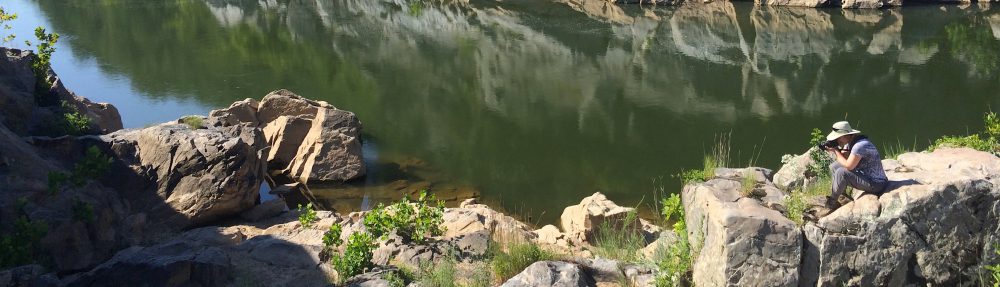
Steve and I were walking along the canal west of Pennyfield Lock and took a detour along a little footpath into a wildlife management area when we stumbled into the frog condo:
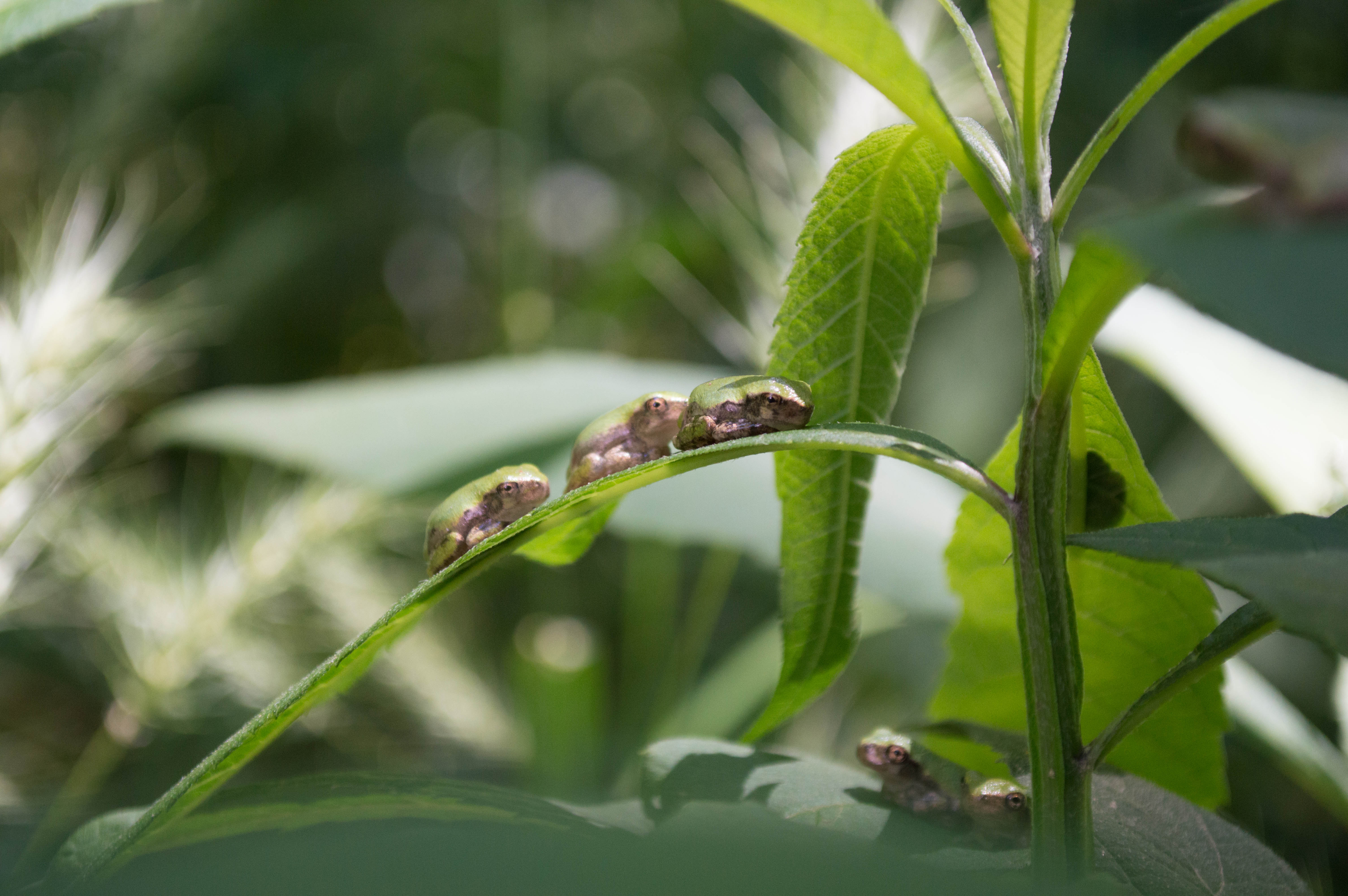
20140615-DSC_0124There were hundreds of these critters, hanging out on leaves all around us.  Kind of cute:
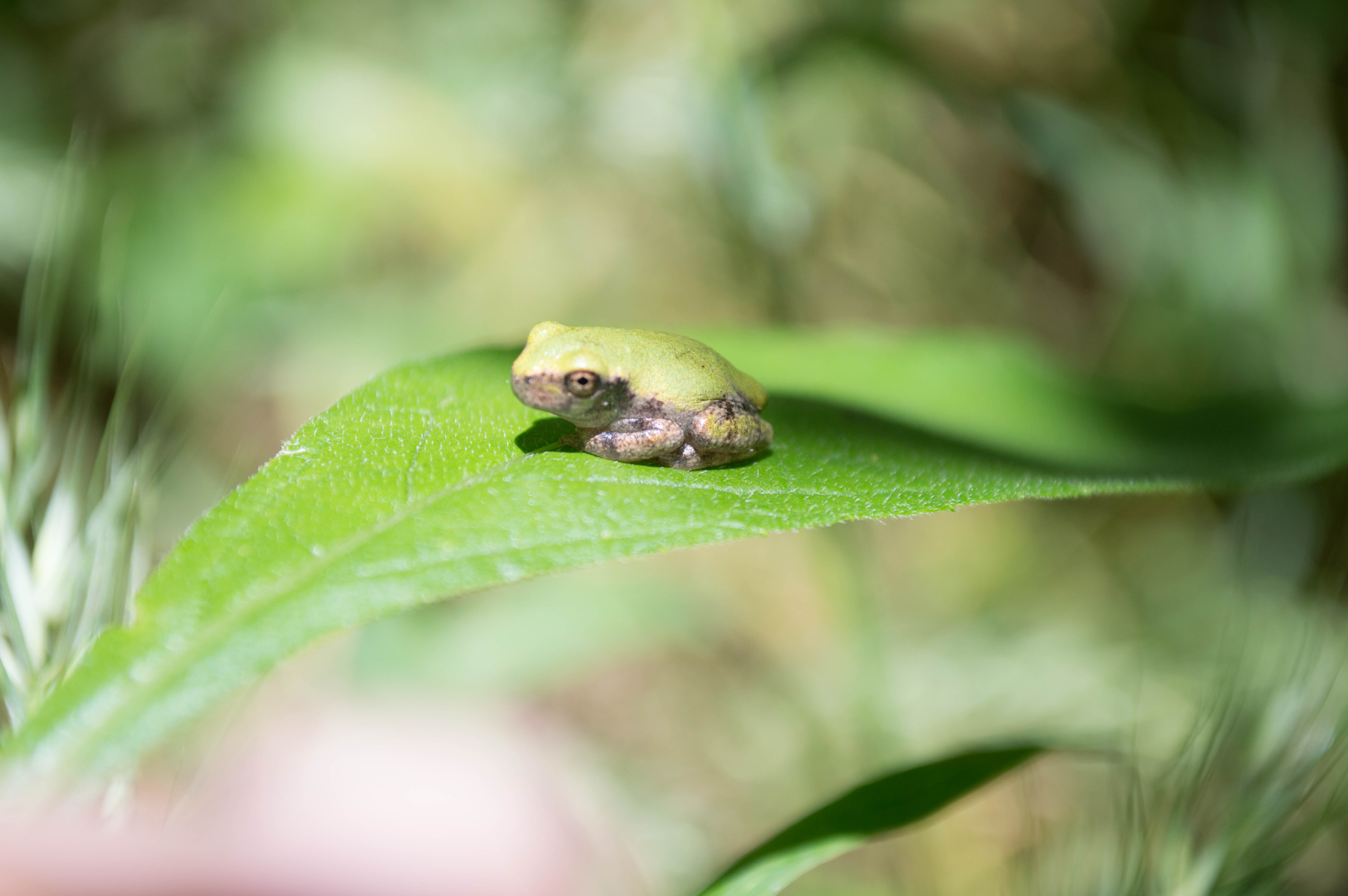
20140615-DSC_0115Remember, I’m not a botanist and not an entomologist, and I’m not a herpetologist, either.  It’s possible I got the species mis-identified.  If so you can make a face at me, a la
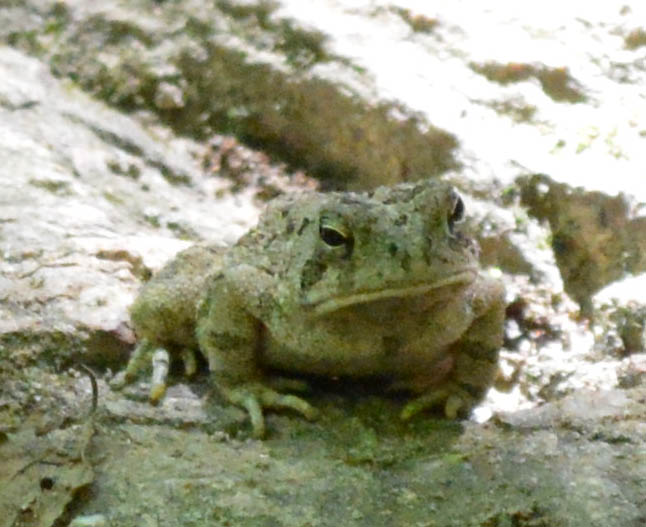
20140606-DSC_0069.  I think that’s Anaxyrus americanus, the American toad.
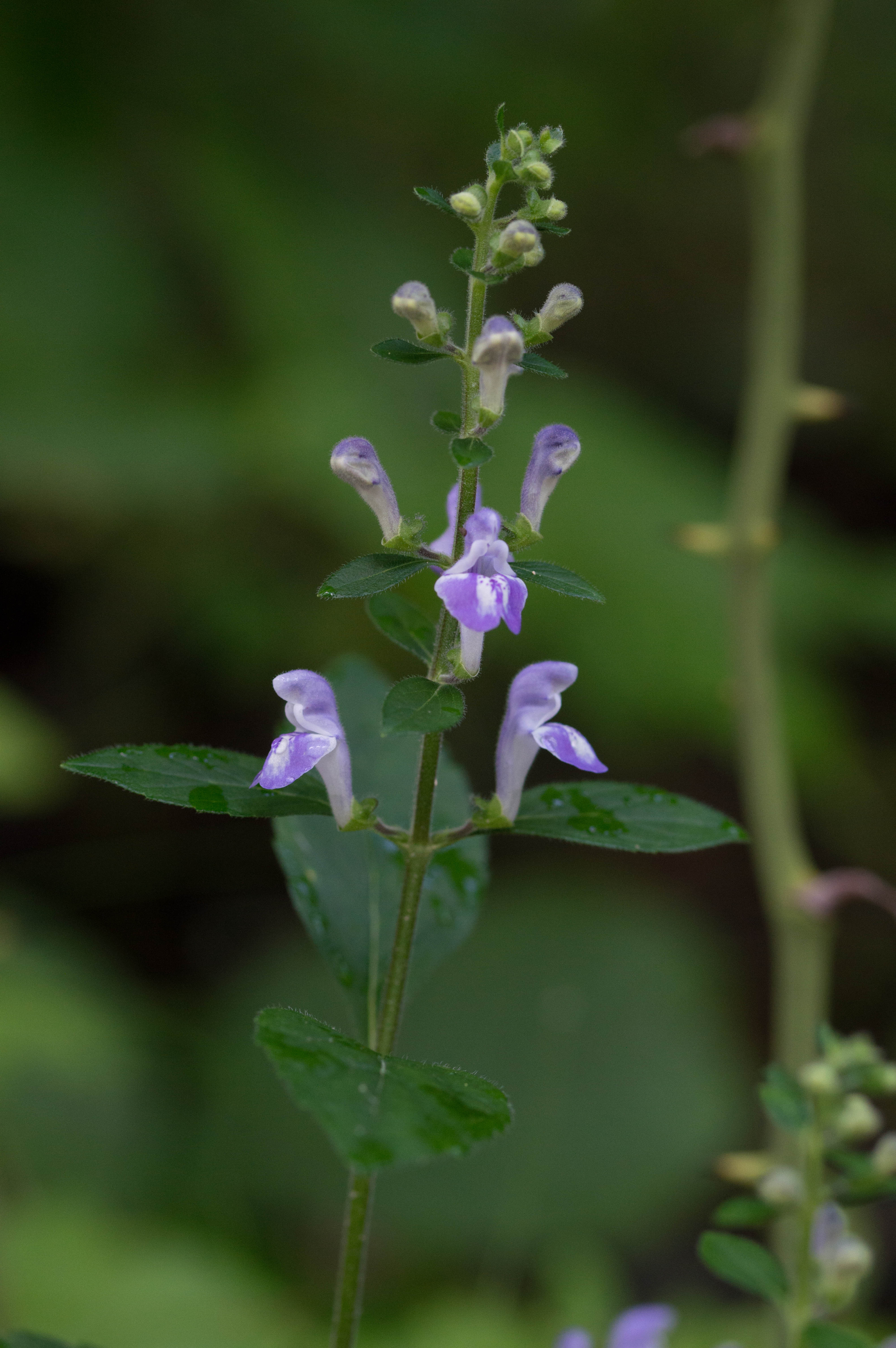
 

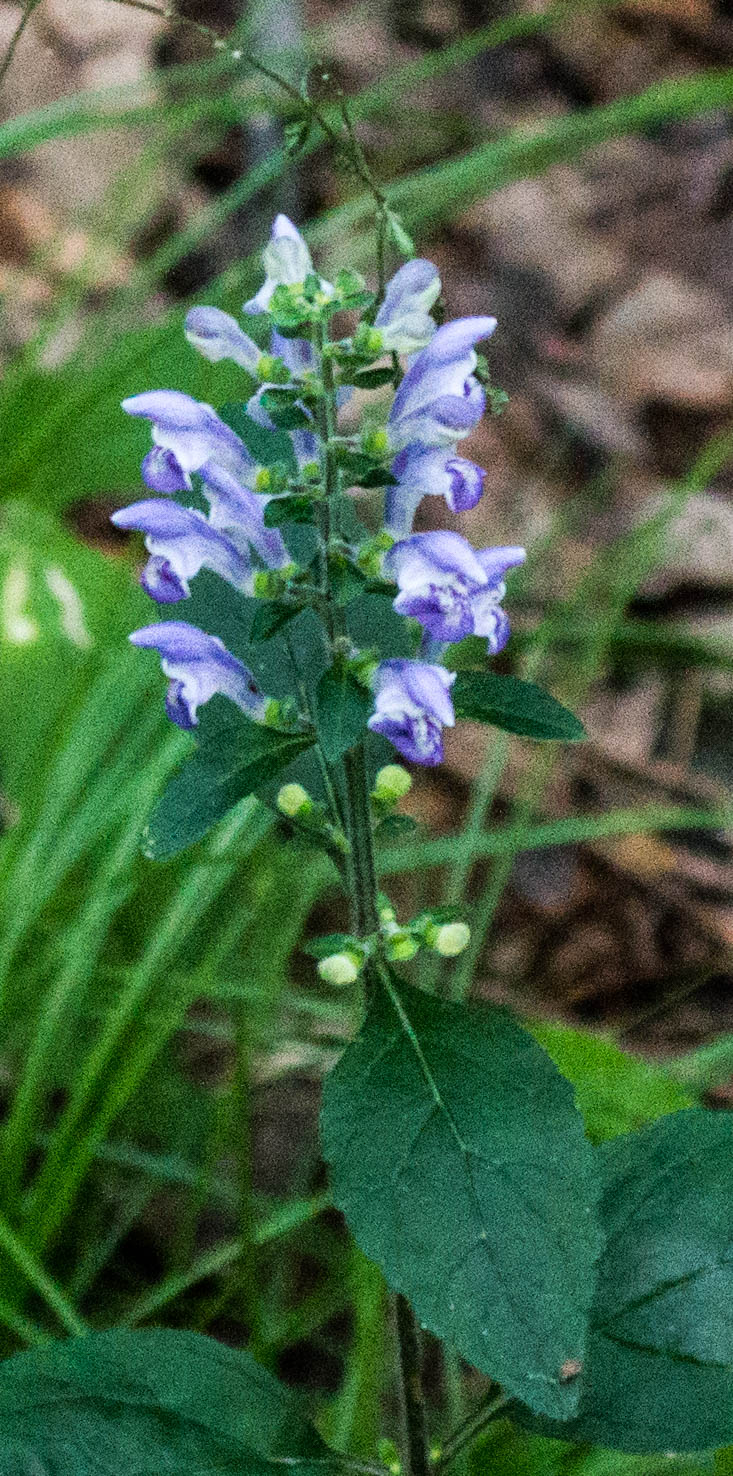
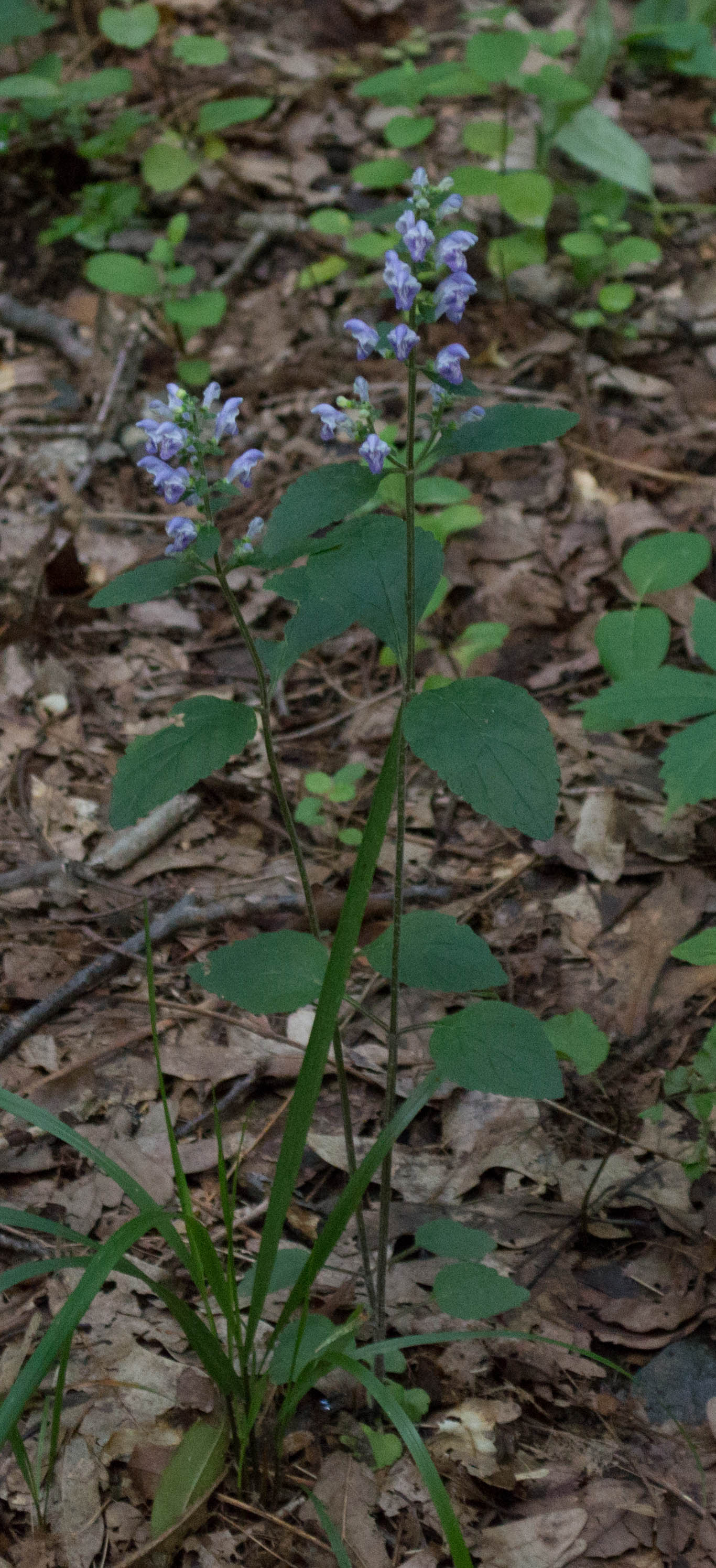
Flower of the Day: Hairy Skullcap

Scutellaria elliptica; Lamiaceae (mint family)

20140613-DSC_0093 20140613-DSC_0185

Remember veiny skullcap from May 27?  Here’s her sister, another of the ten species of Scutellaria found in this area.  Still searching for the other eight.

20140613-DSC_0186

At about a foot and a half tall, it’s hard to miss on the forest floor, especially since little else is blooming now*.  The wildflower show will get back into high gear in high summer, when most of the plants in the Asteraceae start to bloom.


*honewort, shining bedstraws, fringed loosestrife

Flower of the Day: Ramps

aka wild leek; Alium tricoccum; Liliaceae (lily family)

20140614-DSC_0080

When I was growing up ramps were a delicacy mostly known to and eaten by poor people who lived and foraged in the Appalachians. Nowadays ramps are a delicacy loved by chefs and gourmets and trend-chasers, hard to avoid if you like that kind of restaurant (I do).  You can also find them at farmers’ markets, where you’ll pay a bundle for something once considered weeds.

I think they taste awful, like slowly sinking in a vat of onions in a nightmare and you can’t scream for help.

Whatever floats your boat.  The problem now is that the plants are in danger of being over-foraged.  Interesting article in the New York Times.  Remember that “sustainable” goes with “local” and “seasonal”.

These pictures were taken in a protected area, by the way.

Each plant bears a single stem and flower about two months after the emergent foliage has died away.  Here’s what you’ll see of the plants in early spring:

20140408-DSC_0034

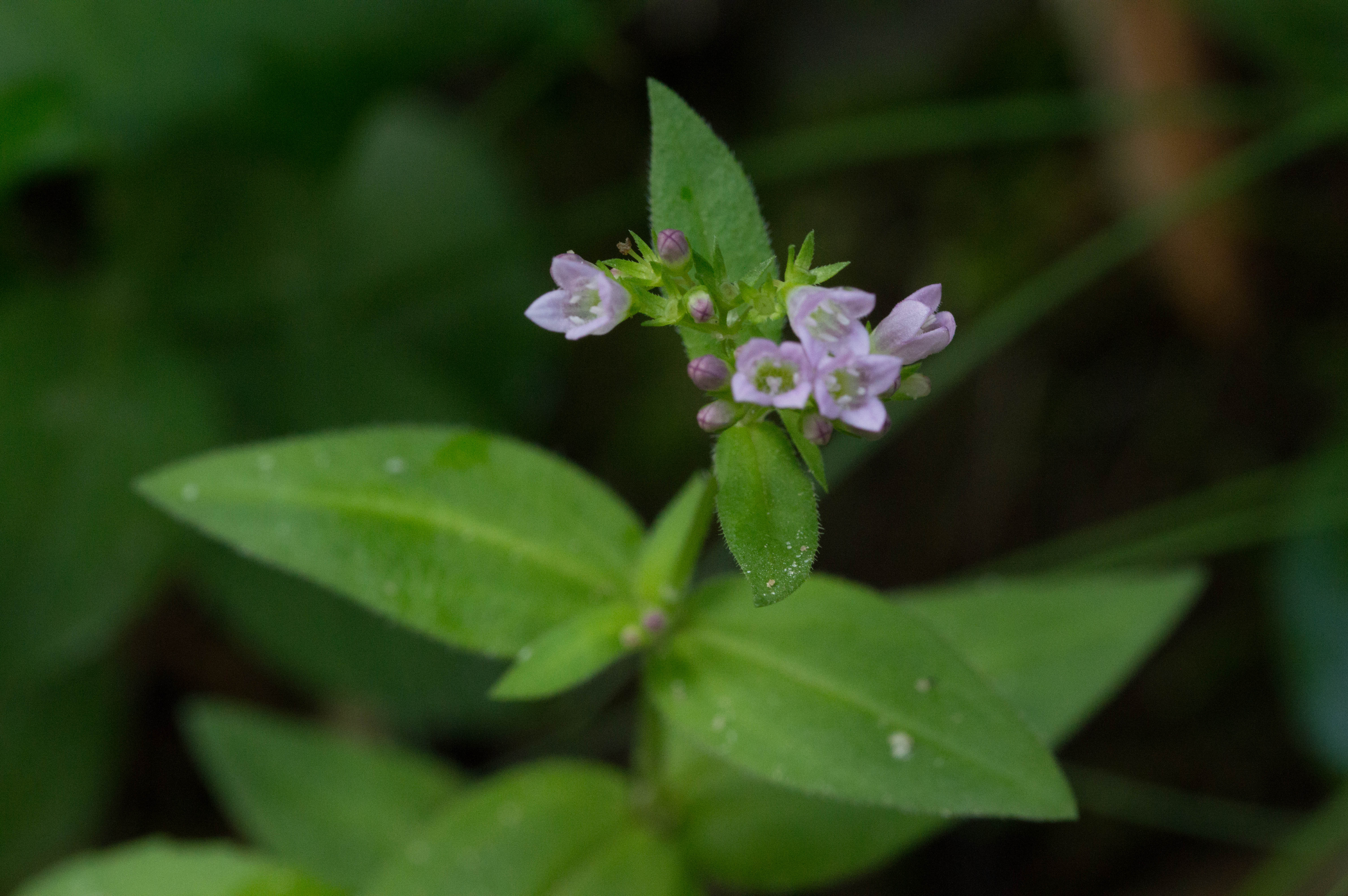
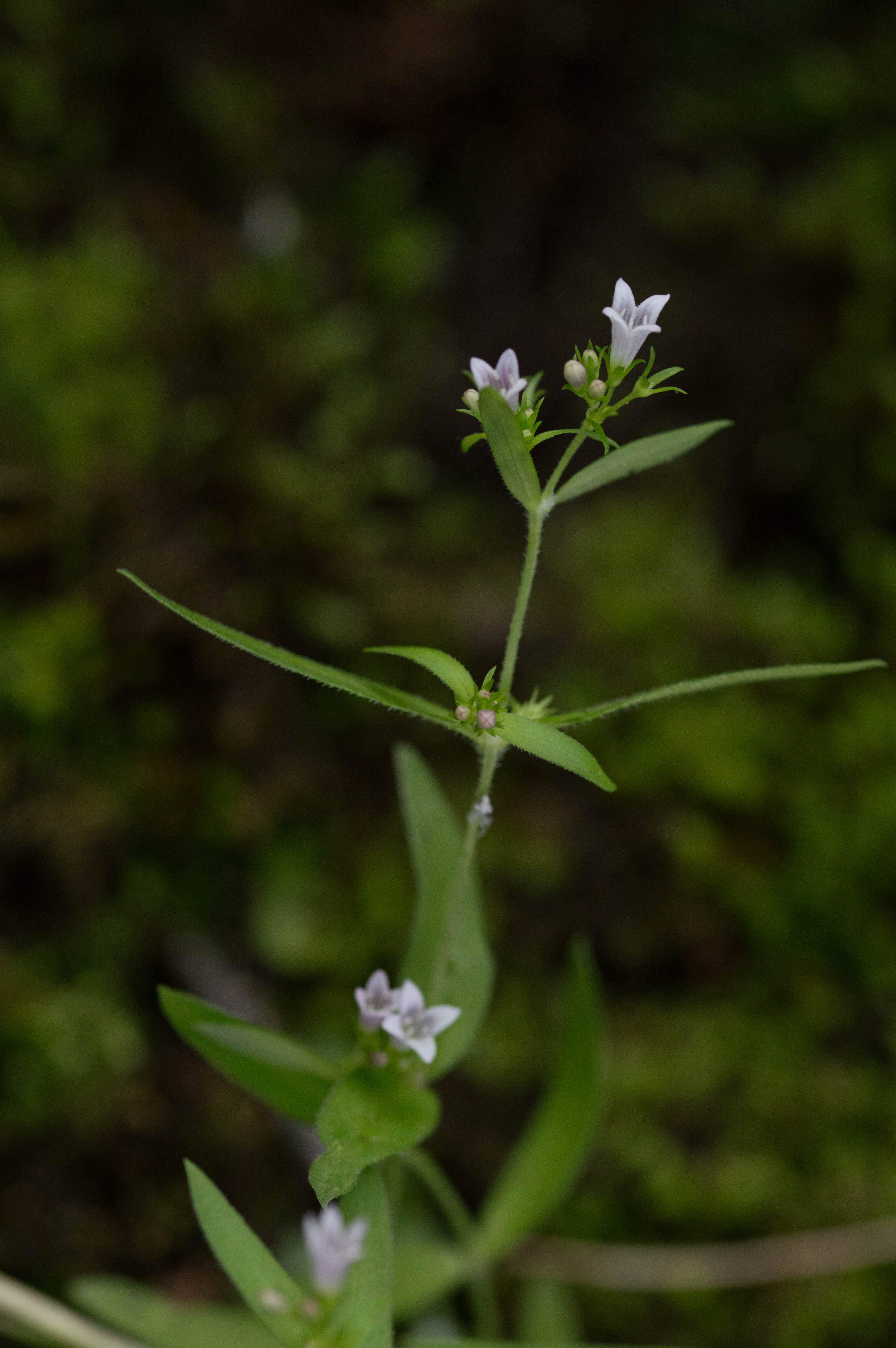
Flower of the Day: Venus’ Pride

aka large bluets, Houstonia purpurea; Rubiaceae (madder family)

20140613-DSC_0121

According to the USDA plants database, five species of Houstonia can be found in this area.  I’ve only ever seen azure bluets (FOTD 4/25), so I was pretty excited when I spotted these plants.  I’ve only found one small clump so far, along a section of the canal towpath that rarely fails to surprise me.

20140613-DSC_0110

The plant stands about a foot and a half tall, though it can be somewhat weak-stemmed (the picture above is actually rotated 90 degrees; the plant was mostly horizontal).  The flowers are pretty tiny.

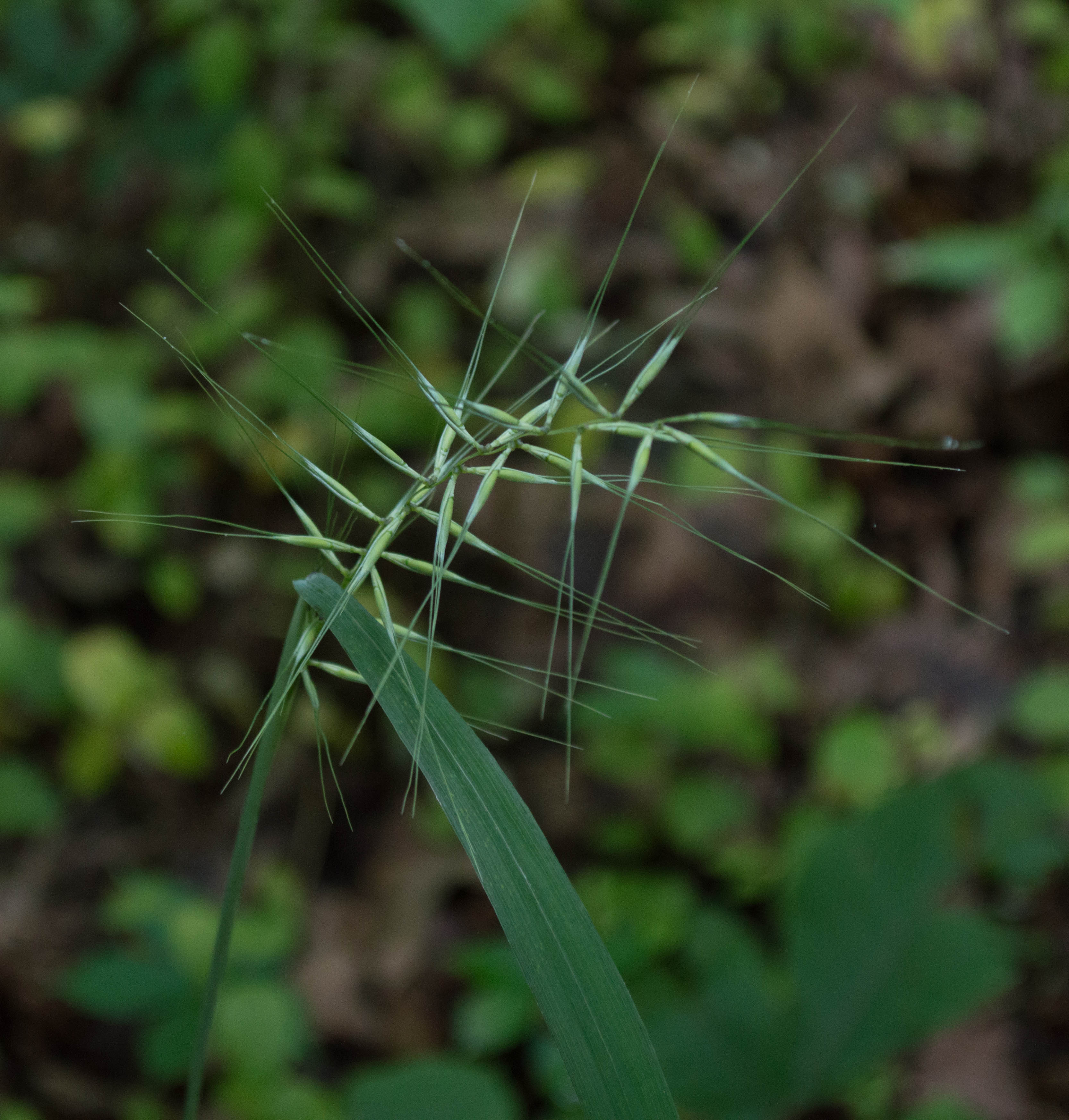
Flower of the Day: Bottle-Brush Grass

Elymus hystrix; Poaceae (grass family)

20140613-DSC_0182

I find grass flowers every bit as beautiful and fascinating as all other flowers.  Really, really difficult to identify at times, but this inflorescence is pretty unusual.  I’ve been relying on Grasses of Washington, DC., downloaded from the Smithsonian Institution Scholarly Press.

Grasses are fascinating.  Recently evolved, highly adaptable (found in almost every climate), they appear simple but are stunningly complex.  And of course they were critical in the development of human civilization.