Flower of the Day: Honeyvine

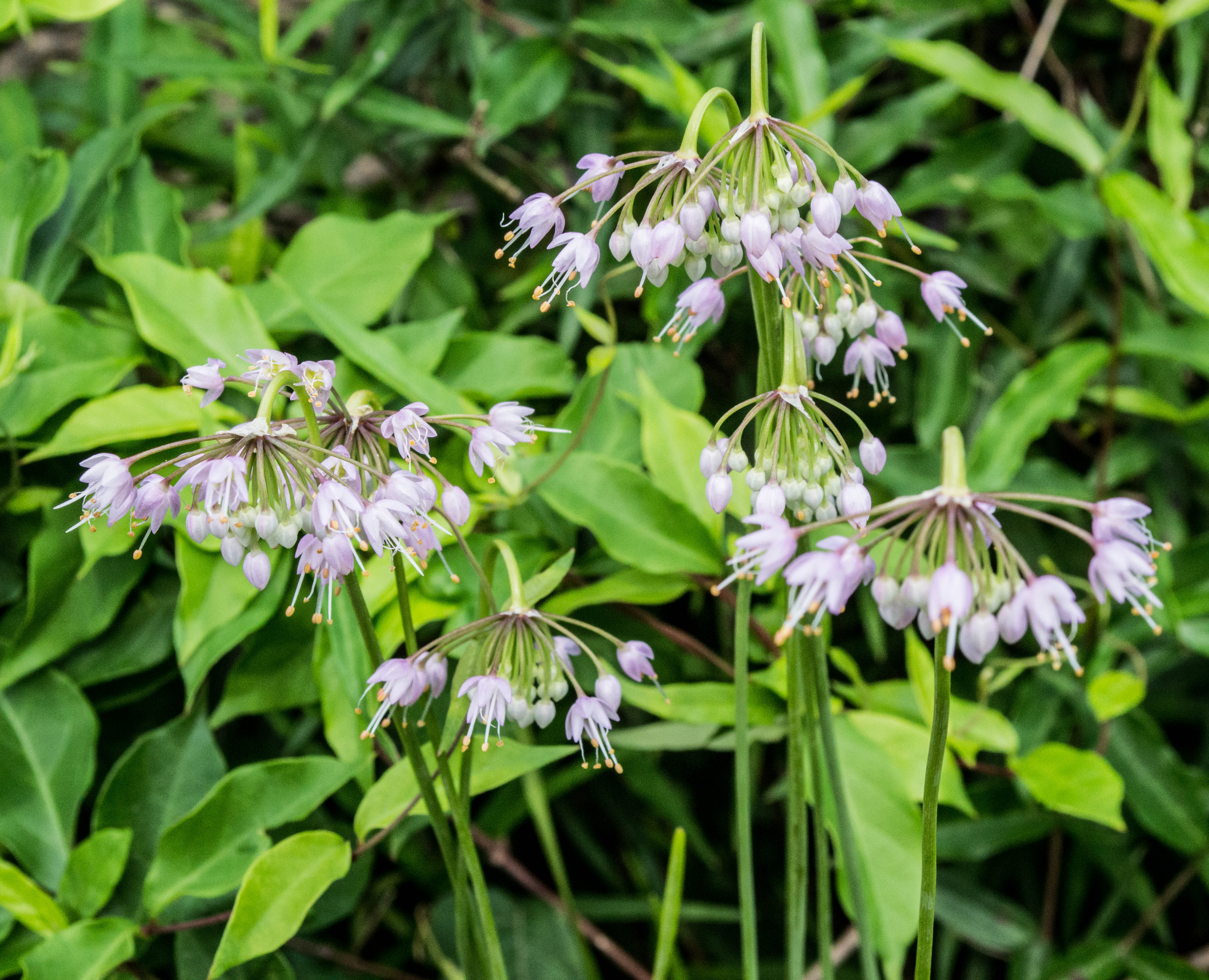
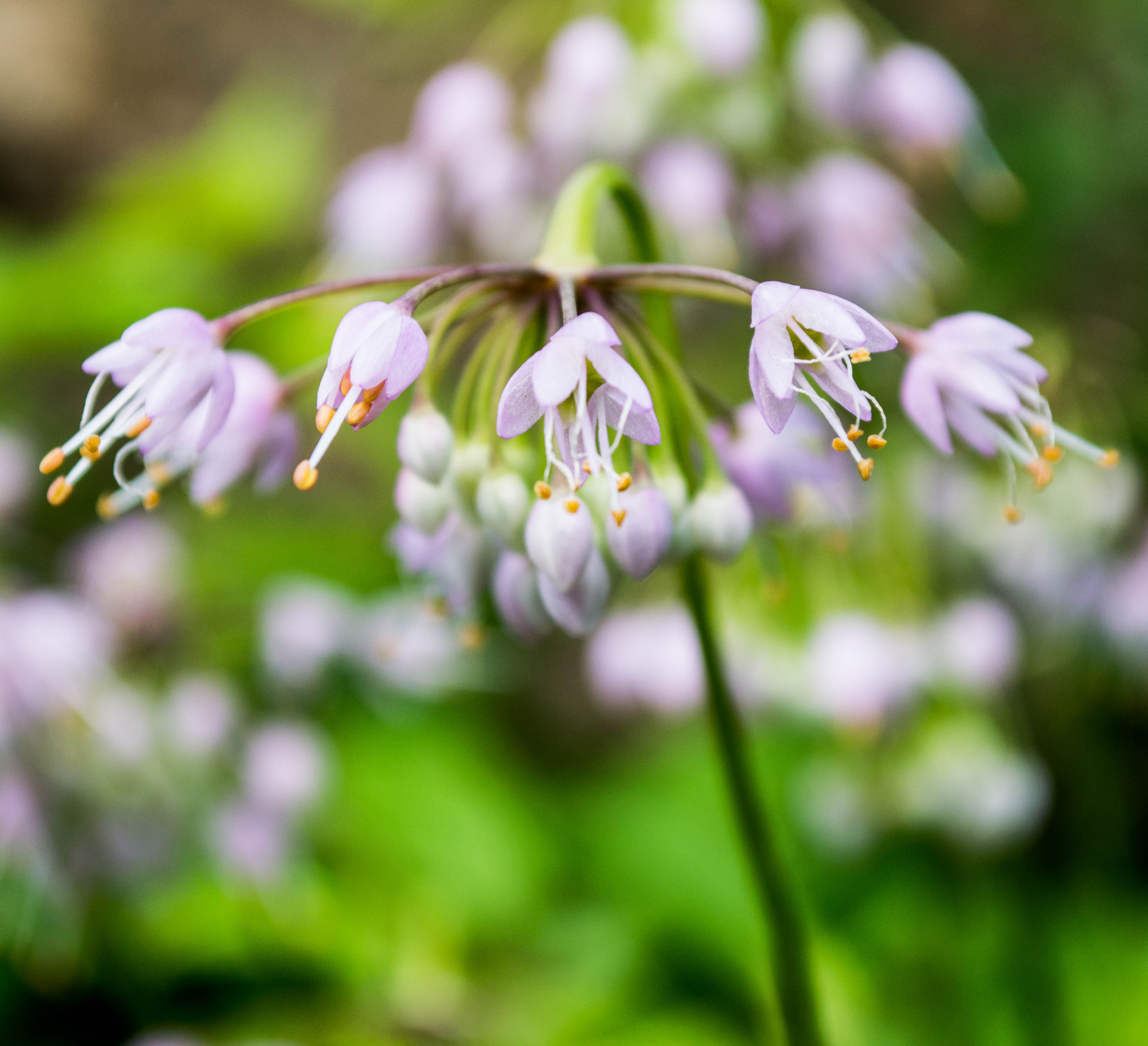
Cynanchum laeve; Asclepiadaceae (milkweed family)

20140710-DSC_0111

Another morning spent clambering over the rock bluffs, another plant I didn’t recognize and expected to be an alien, and another case of going to the internet to identify it because it wasn’t in any of my books.  This milkweed relative is native to the eastern US.  Although considered weedy and invasive by some authorities, it is listed as rare in the state of Pennsylvania.  It will grow up to 15 feet long, vining and twining along other plants for support.  As with the milkweeds, it will bleed an irritating, milky sap if cut or bruised. Apparently monarch butterflies like it.
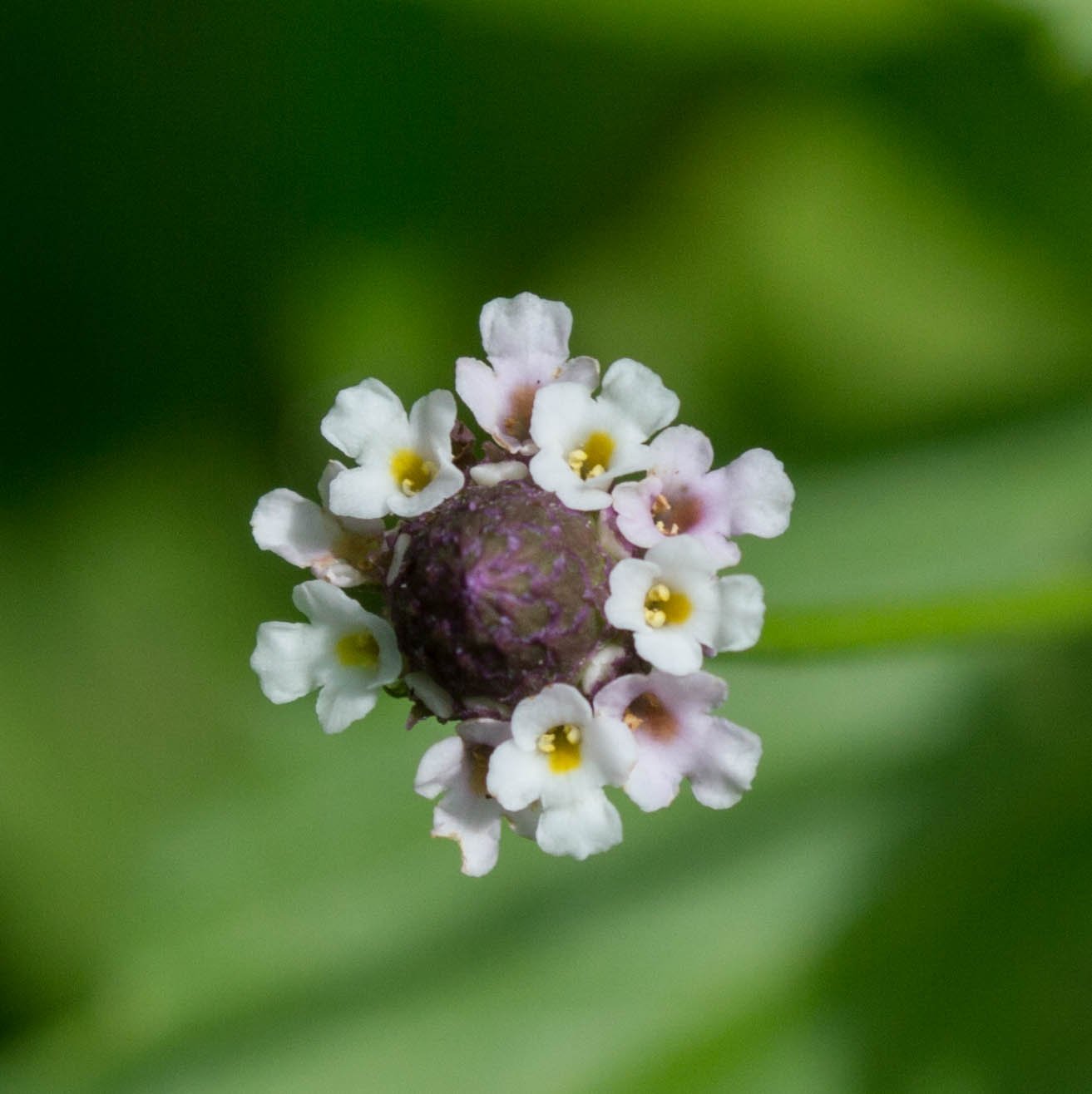
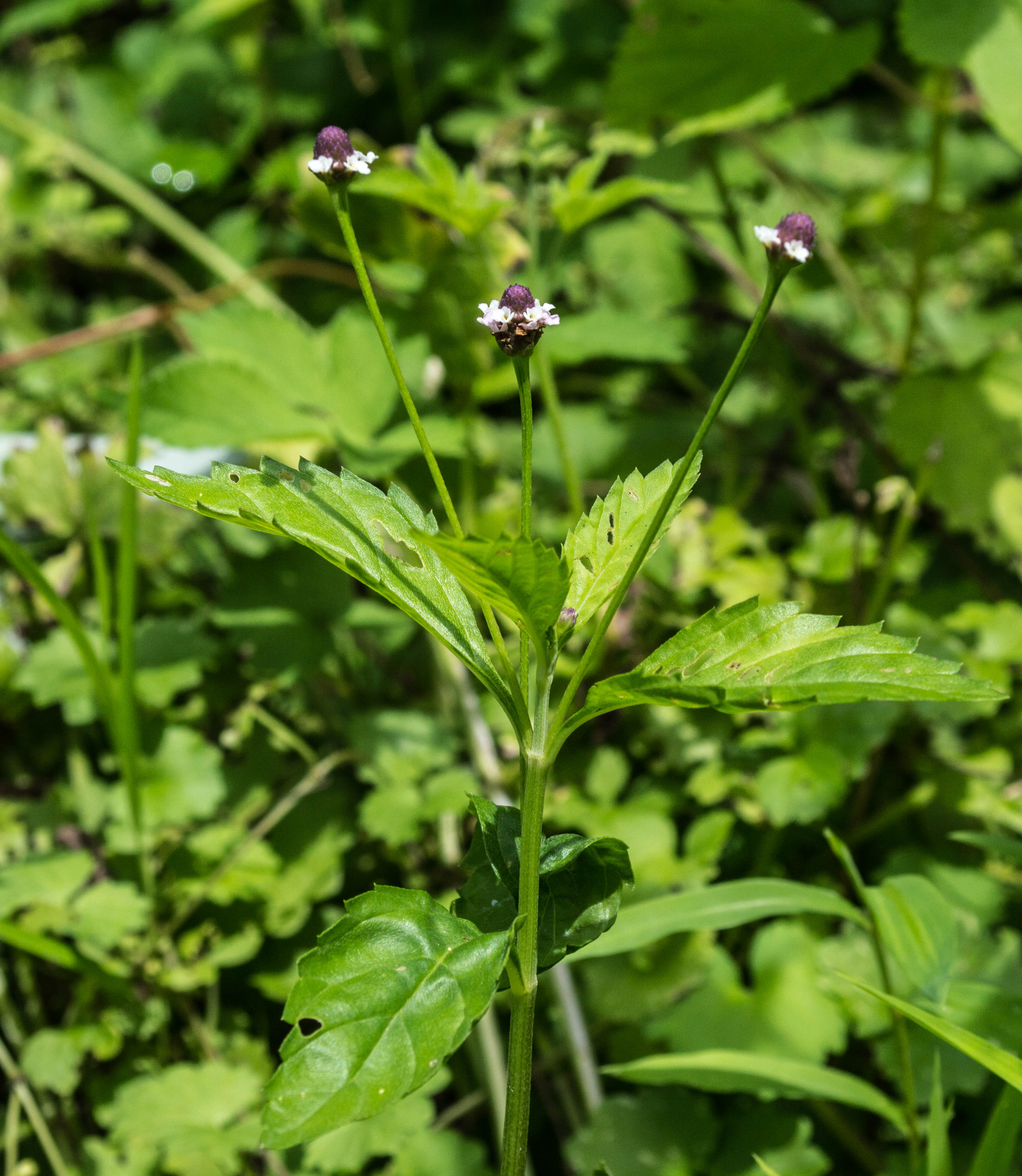
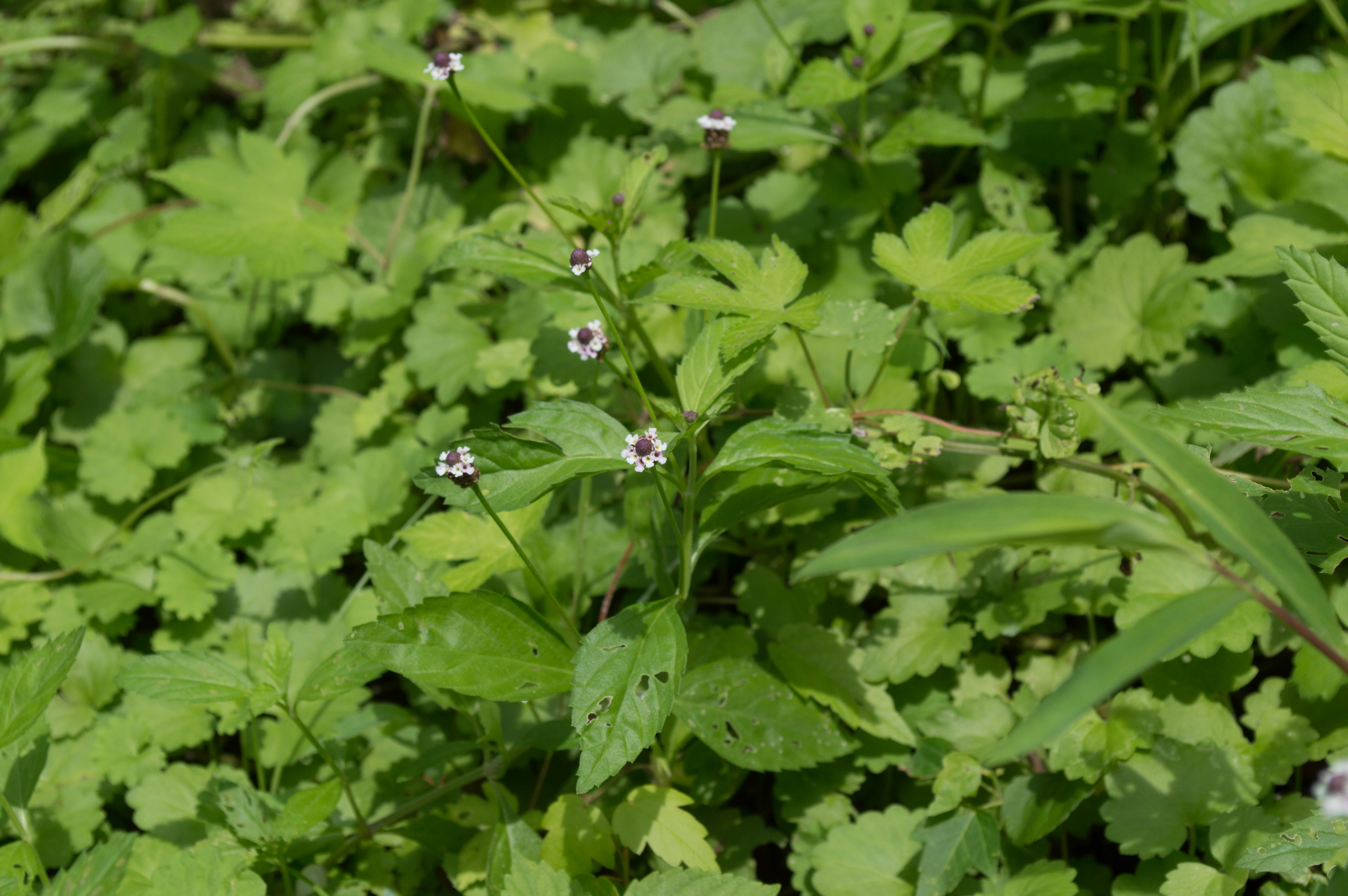
Flower of the Day: Fogfruit

Phyla lanceolata; Verbenaceae (verbena family)

20140716-DSC_0115

This tiny thing is easily lost among all the weedy plants sprawling along muddy streambanks.  I took few quick snapshots, then couldn’t find anything like it in my books, and almost gave up trying to identify it.  Then the internet came to my rescue.  (Ends up it is in Clements and Gracie, I just missed it there.)

20140716-DSC_0109

There isn’t much information about this plant on the internet.  It stands a foot tall at most; the inflorescence is smaller than a fingernail, with each individual flower measuring about 1/8 inch wide.  You really need to be down on the ground searching for something (a lens cap, say) in order to know it’s there. Fogfruit is found throughout the US except the Pacific northwest.  It’s endangered in New Jersey and rare in Pennsylvania.

A related species found in this area (P. nodiflora) has the enticing common name turkey tangle fogfruit.  Who comes up with these names?  I hope to find it someday, just so I can go around saying “turkey tangle fogfruit”.  I think that’s even funnier than bastard toadflax.

20140716-DSC_0104

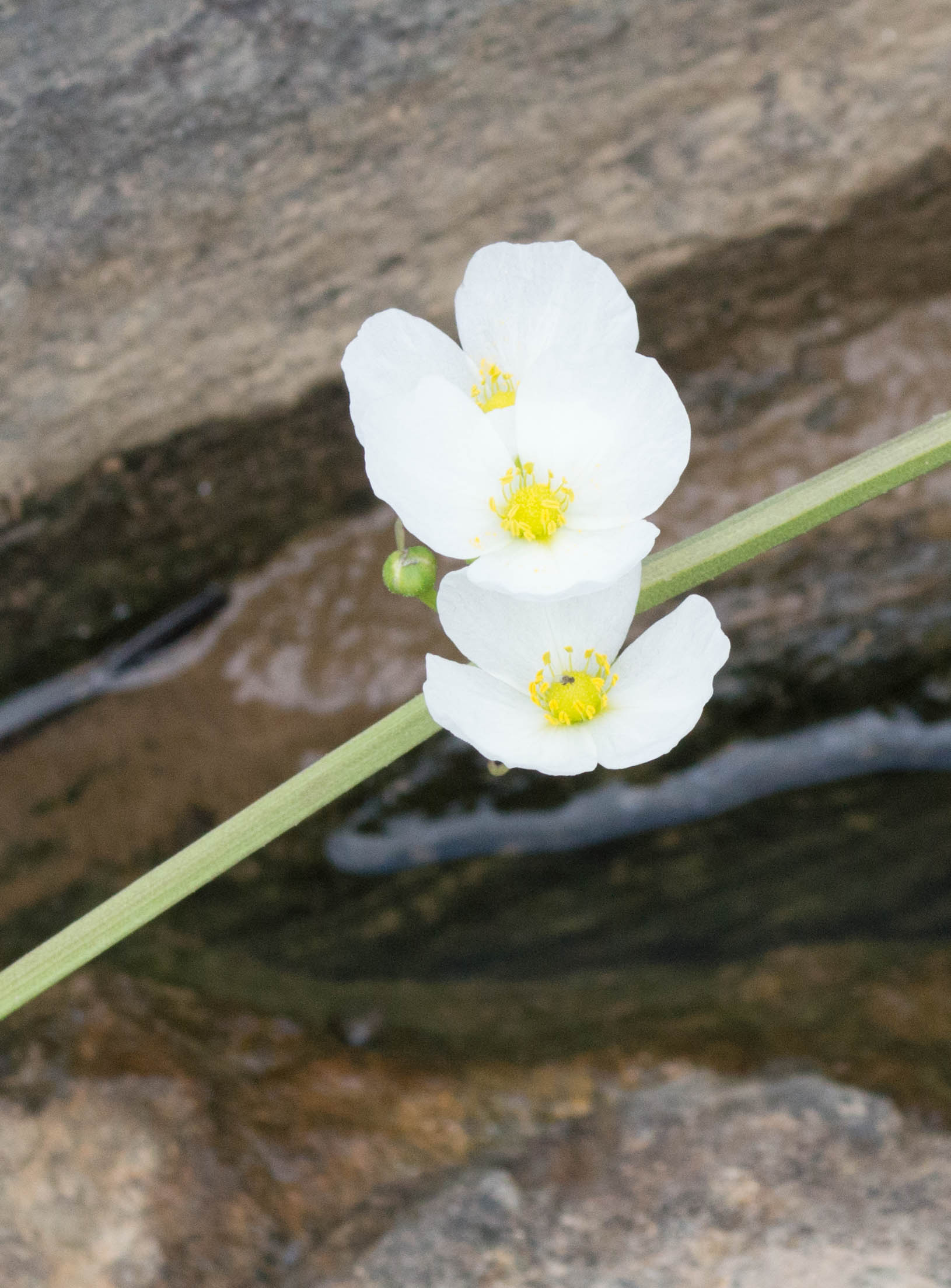
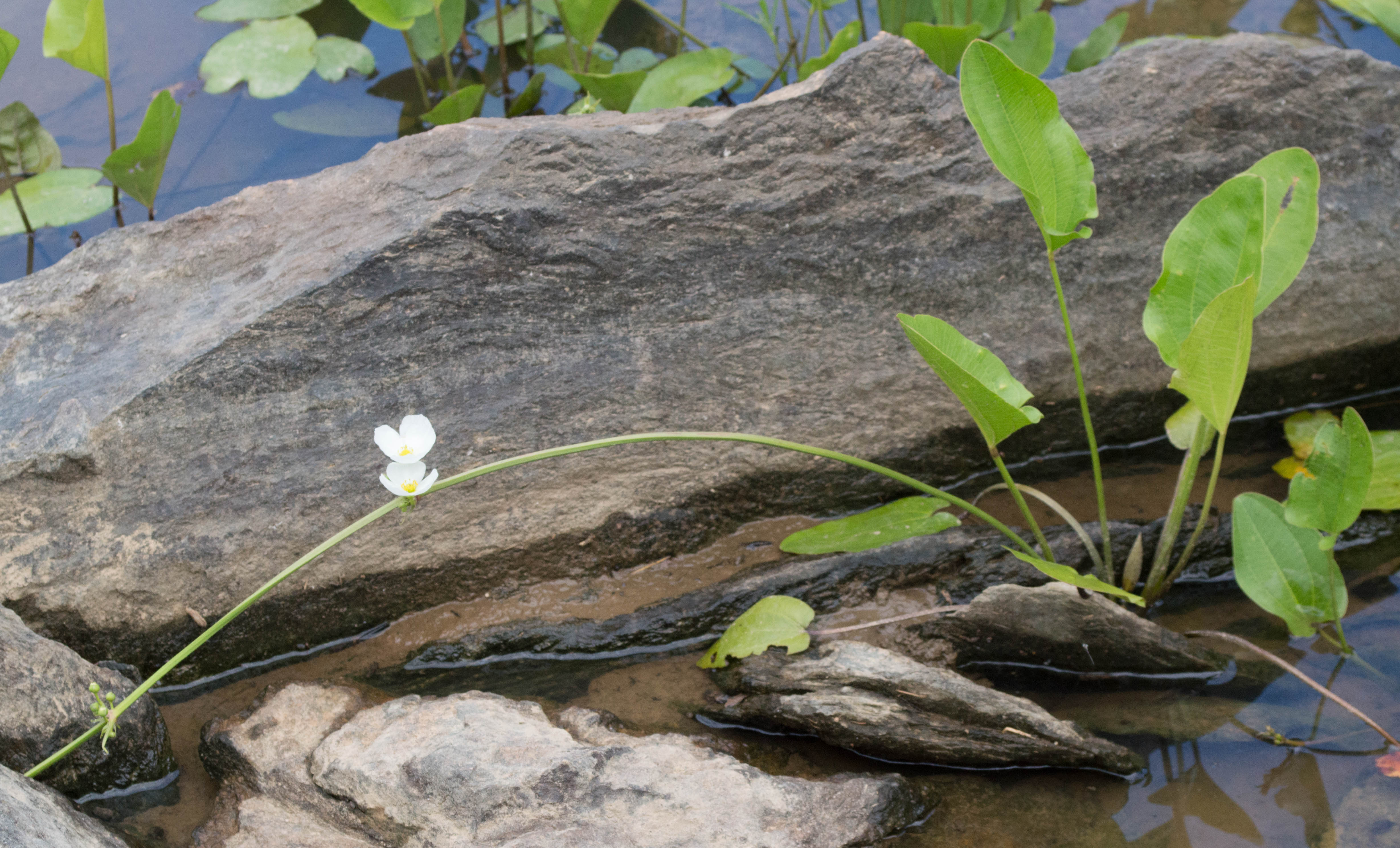
Flower of the Day: Common Arrowhead

aka watato, wapati, katniss, duck potato (and many more); Sagittaria latifolia; Alismataceae (water-plantain family)

20140710-DSC_0039

I found a stand of arrowheads in an unlikely place: halfway up one of the rocky bluffs that jut into the Potomac near the trail.  This bluff had a lot of pockets, though, including one that looked wide and deep enough to stay wet (from flood or rain) year ’round.  And so, a small rocky pond 15 feet above river level.

20140710-DSC_0033

Common arrowhead is found in most of the US and Canada.  It’s listed as both potentially invasive (by the Southern Weed Science Society) and endangered (by the state of Illinois).  The rhizomes were eaten by Native Americans (also by muskrats and beavers), and the seeds are eaten by ducks.

20140710-DSC_0029