
Depending on when you look it up, and the current state of research, and the seeming whim of taxonomists, the Asteraceae is the largest plant family on Earth, with 23,000 species (more or less). Only the orchid family is as large, or larger, maybe. Species in the Asteraceae can be found in almost every habitat, on every continent except Antarctica.
 Erigeron philadelphicus (common fleabane)
In the Potomac Gorge area, I’ve found more plants in the Asteraceae than any other family, by far: seventy species. That’s out of a total of 351, or just shy of 1 in 5. This includes the asters themselves, the beggar-ticks, bonesets, coneflowers, coreopsis, dandelions, elephant’s foot, everlasting, the various fleabanes, the multitudes of goldenrods, leafcup, hawkweeds, horseweeds, ironweed, fireweed, rattlesnake weed and ragweed and ragwort, pussytoes, snakeroots and sneezeweed, sunflowers and thistles, and wingstem. And some aliens I didn’t bother to name.

The second largest family, at 21 species (13 native, 8 alien), was the Fabaceae (pea family).
Lespedeza virginica (slender bush-clover)
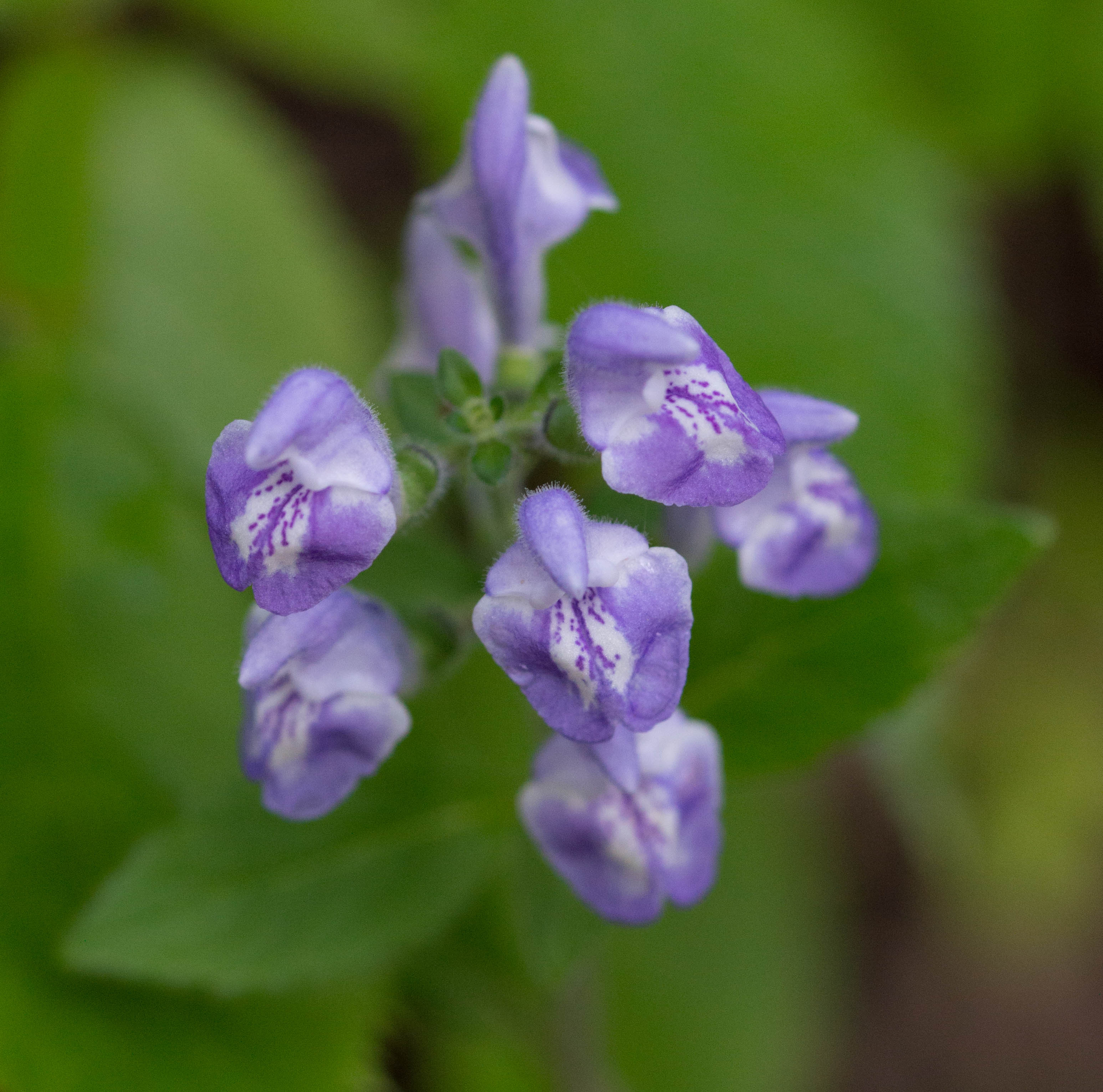
In third place was the Lamiaceae (mint family) at 16 (11 native, 5 alien).
Scutellaria elliptica (hairy skullcap)
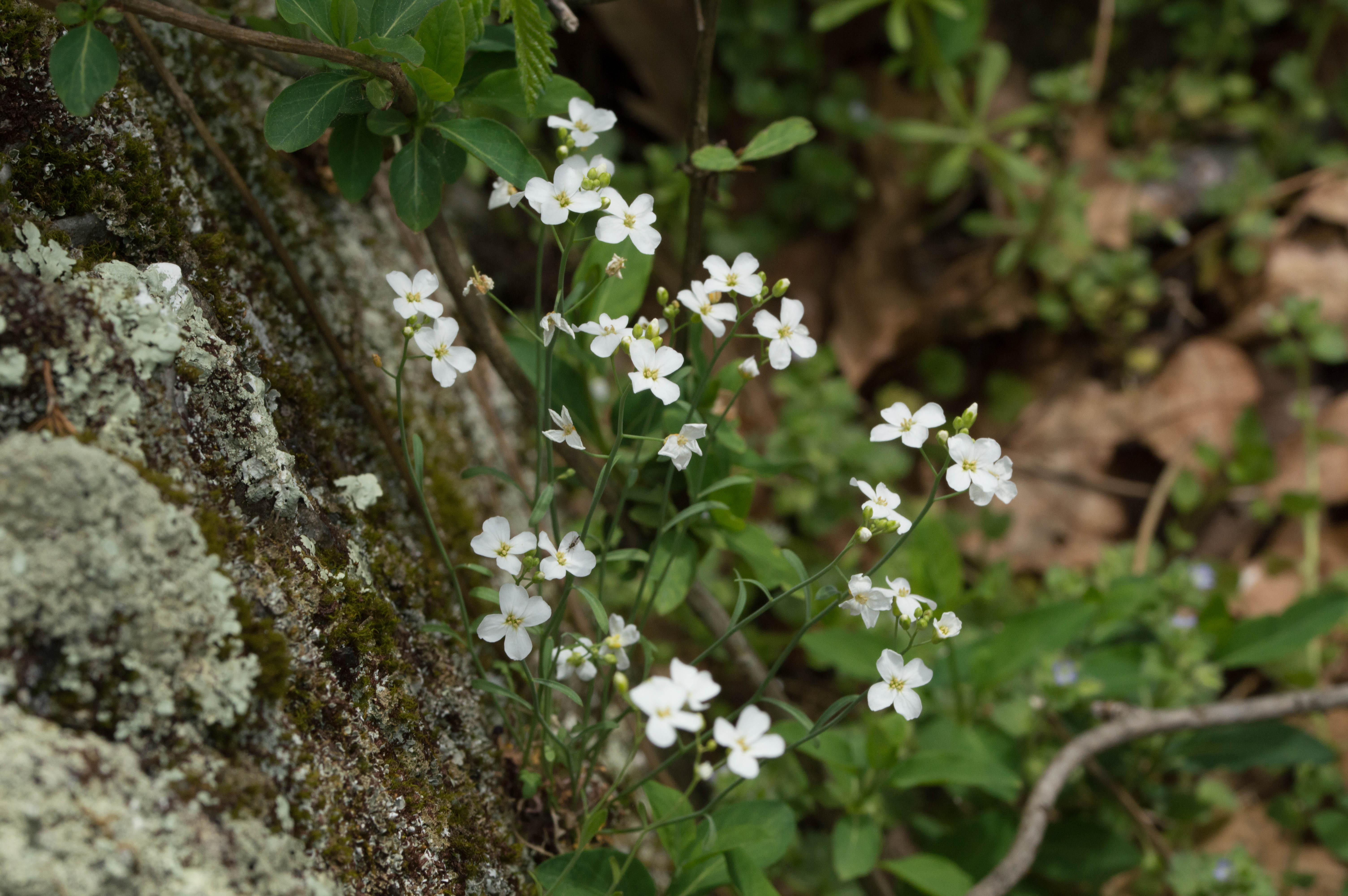
Brassicaeae (mustard family) checked in at 15 (7 and 8).
Arabis lyrata (lyre-leaved rock cress)

Ranunculaceae (buttercup family) had 14 (10 and 4).
Thalictrum thalictroides (rue-anemone)
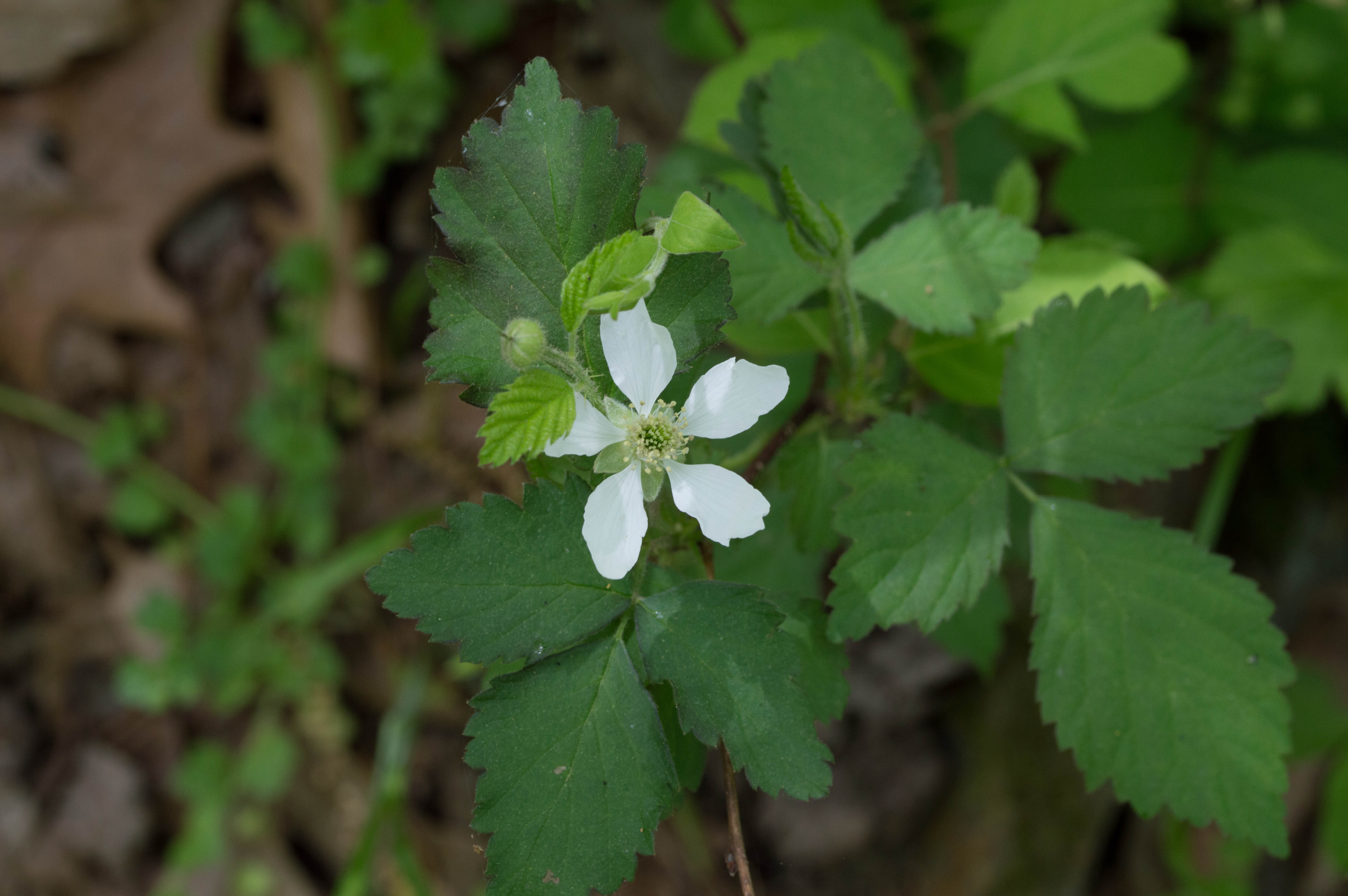
The Rosaceae (rose family) had 12 (9 and 3).
Rubus hispidus (swamp dewberry)
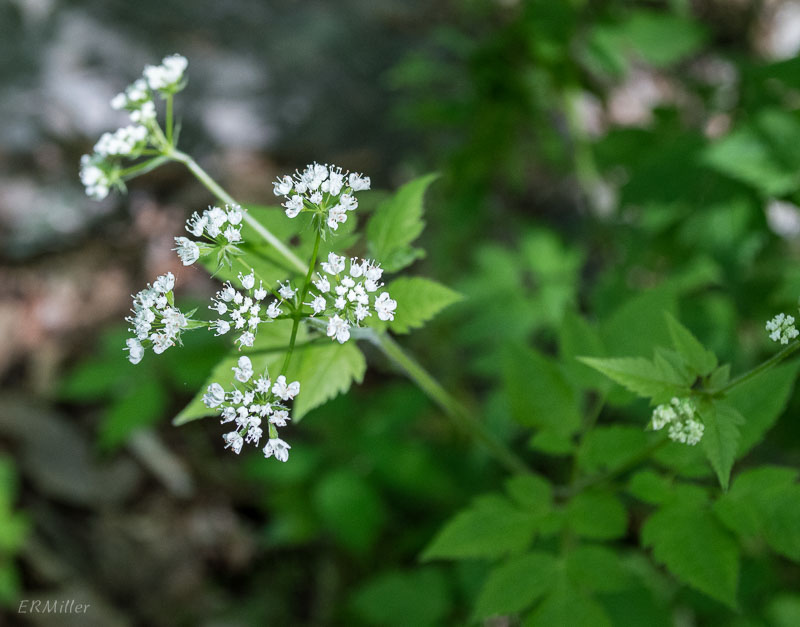
And the Apiaceae had 10 (6 and 4).
Osmorhiza longistylis (aniseroot)
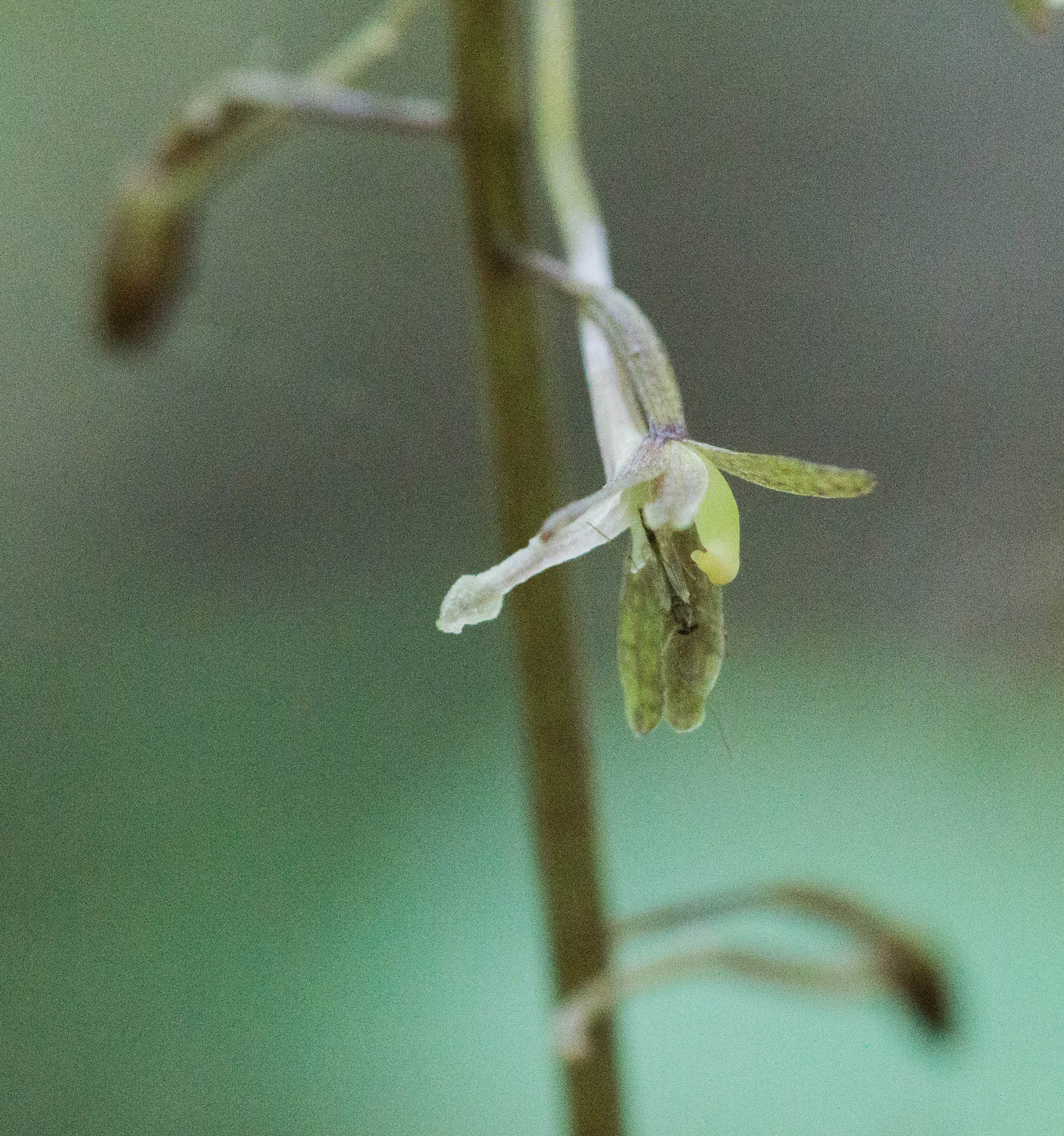
And though the Orchidaceae is so large worldwide, in this area I found only two. More on that tomorrow.
Tipularia discolor (cranefly orchid)
Here’s a nice tutorial on the Asteraceae.
 Elizabeth's Wildflower Blog