That Beautiful Borage Blue

20160616-_DSC0176

Mertensia maritima
oyster plant, oysterleaf,
sea lungwort, sea bluebells
Icelandic: blálilja
Boraginaceae


When I spotted this single plant on a black pebble beach on the Snæfellsnes peninsula, I knew it right away for a member of the borage family. There’s something unmistakable about that shade of blue, especially when paired with those pink buds.

M. maritima occurs on beaches at higher latitudes in the Northern Hemisphere, including Canada, Greenland, Svalbard, and parts of the British Isles. It’s found almost everywhere in coastal Iceland. In the US it can be found in coastal Alaska and northern New England. It’s endangered in Massachusetts and New Hampshire.

There are about 60 species of Mertensia worldwide, but only one is present in Maryland: M. virginica (Virginia bluebells):

20160623-_DSC0861


Myosotis arvensis
field forget-me-not
Icelandic: gleym-mér-ey
<—

There are four other borage family species in Iceland, all in the genus Myosotis. I found this one in several places, including way north (near Akureyri) and way south (less than a hundred meters from the end of the glacier Sólheimajökull). Field forget-me-not is common in the lowlands of Iceland, except in the northeast and northwest.


field forget-me-not growing with two species of horsetail,
Equisteum pratense and E. variegatum
—>

Field forget-me-not is found in Maryland as an alien, but we have a native, too: M. verna, spring forget-me-not:

It’s in the borage family, but it lacks that incredible blue color.

Remember my posts about Death Valley from earlier this year? The Cryptantha species I found there are also in the borage family. You can see the similarity in the flowers, even if the colors are different.

Marsh Marigold

aka kingcup
Caltha palustris
Icelandic: hófsóle
Ranunculaceae


This early spring blooming perennial is found across the Piedmont in Maryland, with scattered occurrences in the Coastal Plain and Allegheny Plateau, yet I had never seen it before this June. I have seen a lot of its look-alike cousin, Ranunculus ficaria, one of our worst alien invasive plants.

You may be wondering, if it’s an early spring bloomer, why did I see it in June?

I saw it in June because that’s when it blooms in Iceland.

Marsh marigold’s native range is widespread: it grows in wet areas across the Northern Hemisphere in temperate regions, including Canada and parts of the US (in the US it’s absent from the Deep South, southern Great Plains, Rocky Mountains, and the desert West). It’s endangered in Tennessee.  It’s widespread in the lowlands in Iceland. There are three species of Caltha occuring in the US; worldwide there are about a dozen species.

This plant has been on my personal watch list for years, so on the one hand I was delighted to finally see it. On the other hand, I’m mildly annoyed that it was a few thousand miles from home.

Spectacular

20160630-_DSC0143

Culver’s root
Veronicastrum virginicum
Plantaginaceae
(formerly Scrophulariaceae)


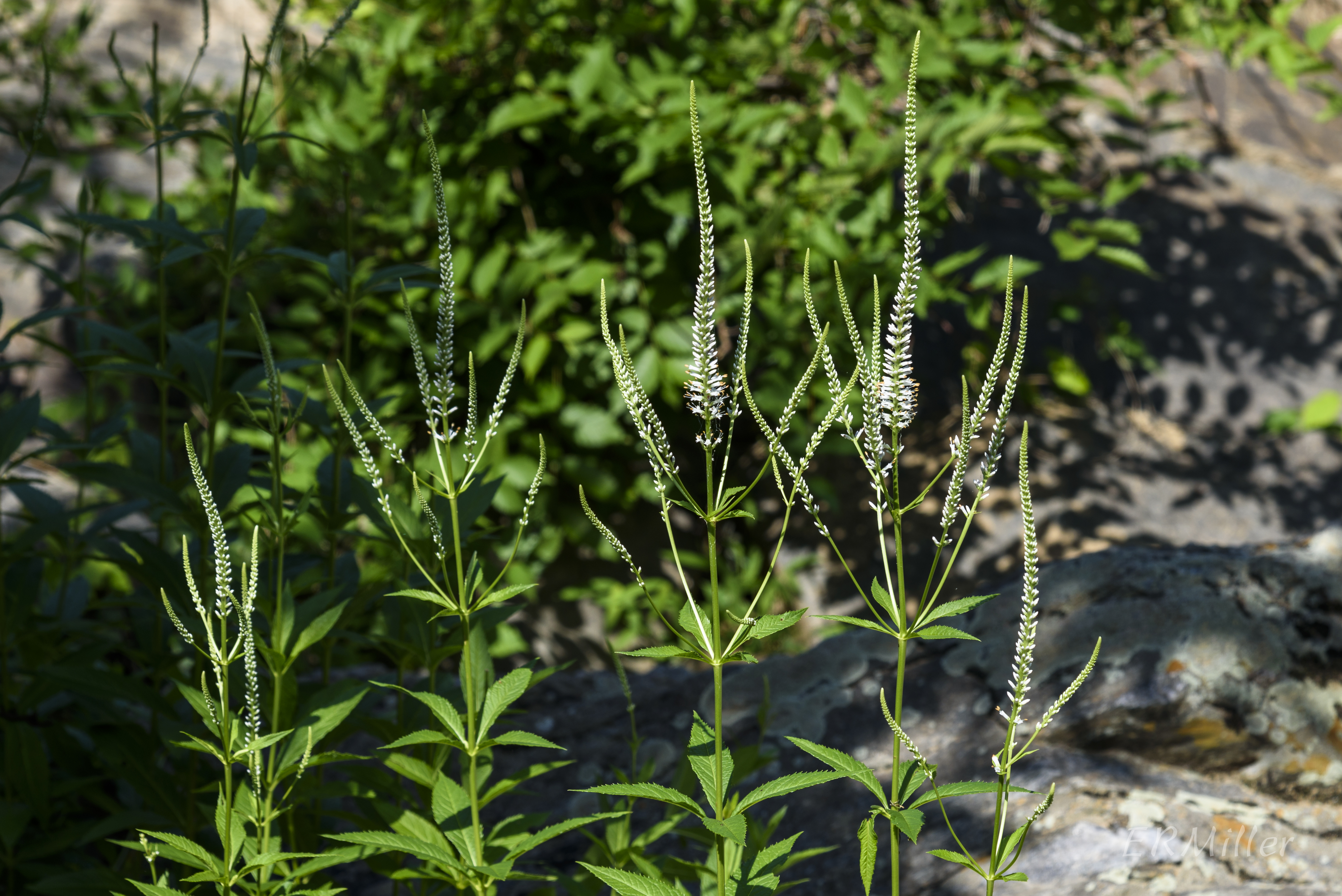
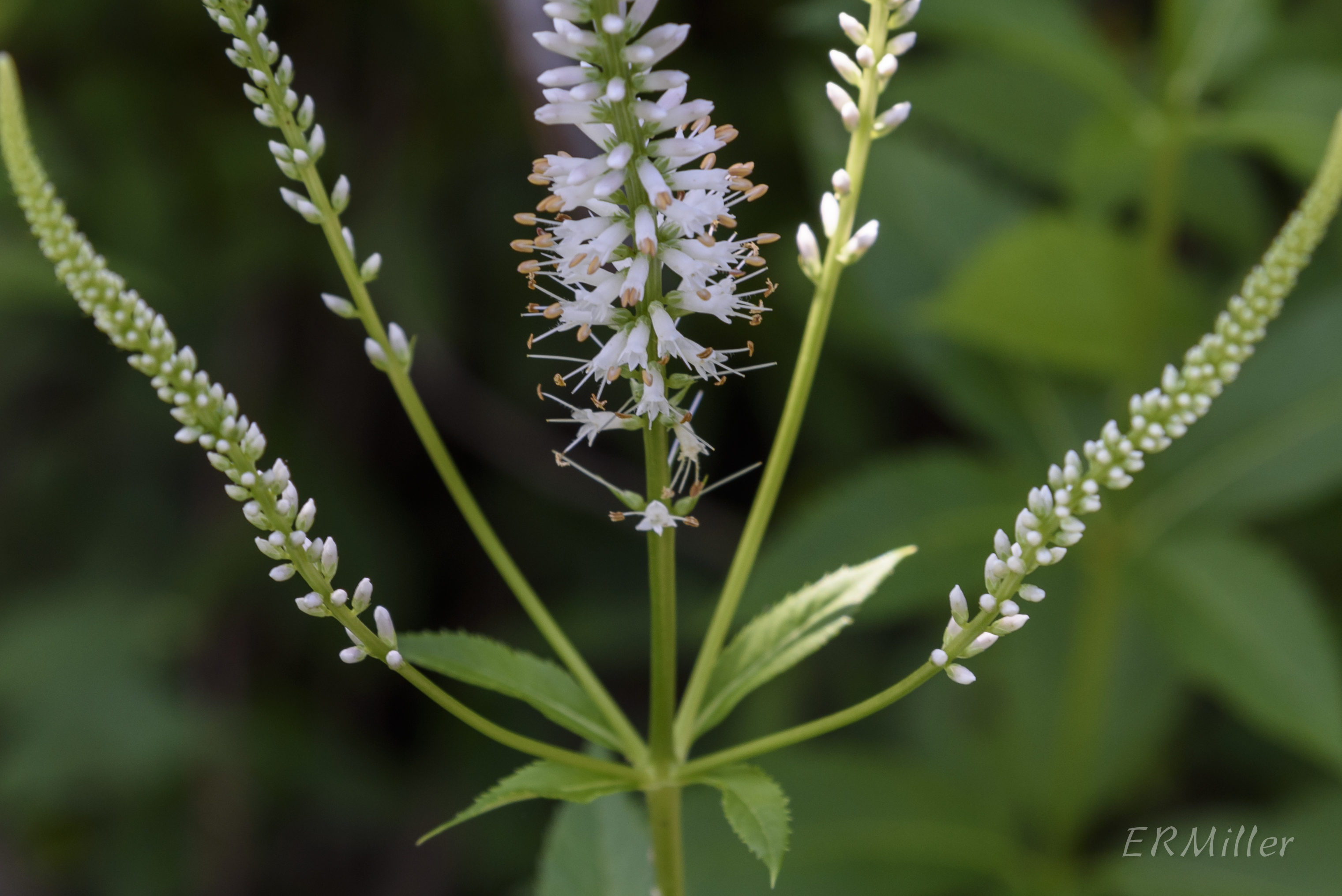
I’m partial to tiny, subtle flowers, but it’s hard not to love a plant like this. Although the individual flowers are small, they’re crowded into dense spikes up to eight inches long. The spikes occur in whorls in the upper nodes, surrounding a towering central spike. The whole effect is spectacular, especially when you find a plant that’s as tall or taller than you are.

20160630-_DSC0146


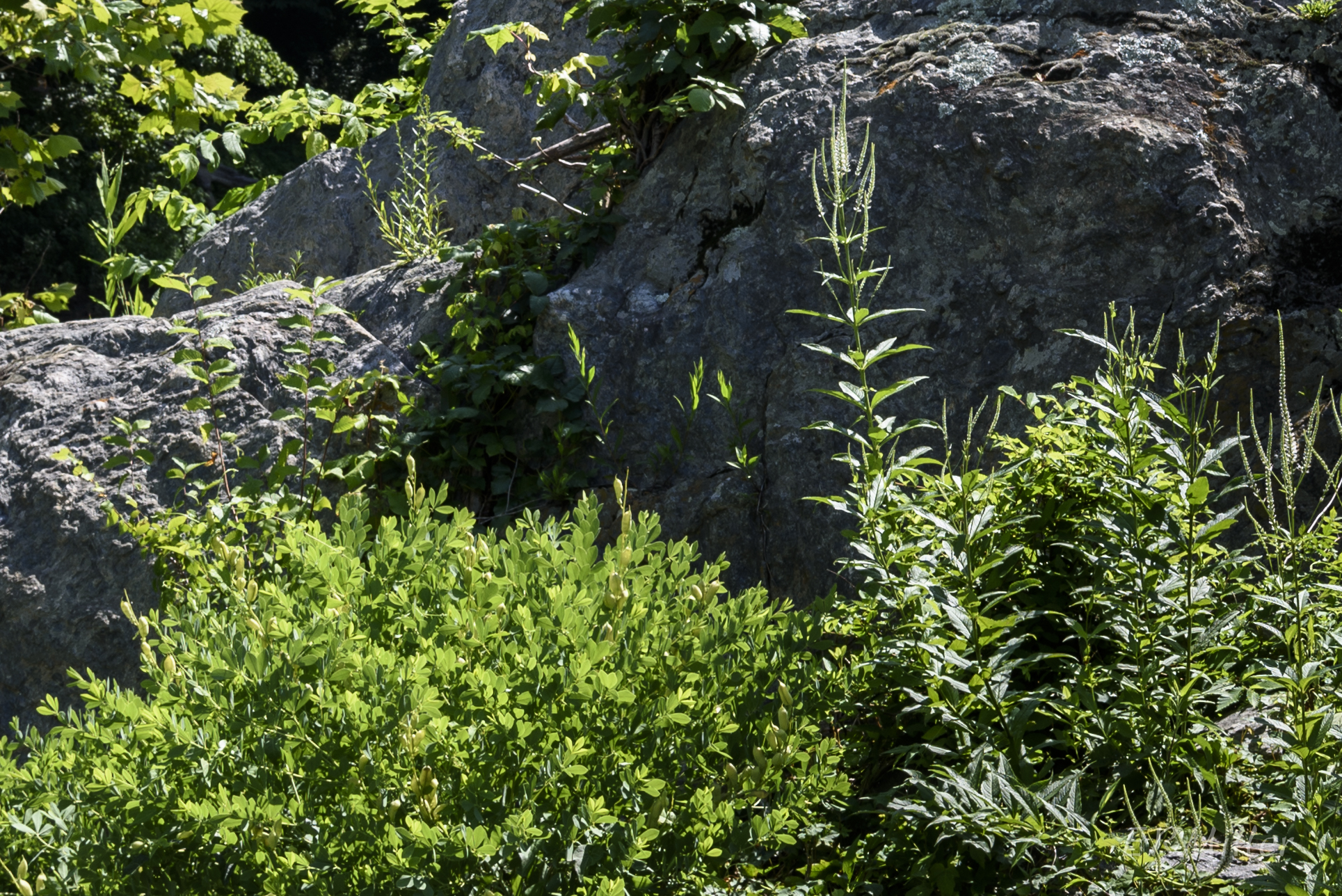
seen from a distance; notice the Baptisia australis growing to the left


I first saw Culver’s root two years ago, growing along a slope so steep I had to almost climb to get to it. Earlier this year I saw a few plants growing next to the blue false indigo I was obsessed with; later I reported that they’d been browsed by something. But a few days ago they had bounced back, tall spikes filled with buds.

20160630-_DSC0135


a little closer


To my delight I spied a third patch on the peninsula I visited (post from July 3), and interestingly the plants were growing right next to a big stand of blue false indigo. Clearly they enjoy they same growing conditions: wet soils in full sunlight. Culver’s root would be lovely in the back of a rain garden, maybe alongside joe pye weed. It’s a hardy, adaptable plant that is available in the nursery trade.

20160630-_DSC0141


a whorl of spikes and leaves at the uppermost node


Worldwide there are about a dozen species of Veronicastrum, but V. virginicum is the only one in North America. It’s found in the eastern half of the US and Canada, as far west the the easternmost portions of the Great Plains states. It’s threatened in Massachusetts and New York and endangered in Vermont. In Maryland in grows in the Piedmont and part of the Coastal Plain (and in Garret County).

20160630-_DSC0144

A Whole Lot Going On Now

20160630-_DSC0005

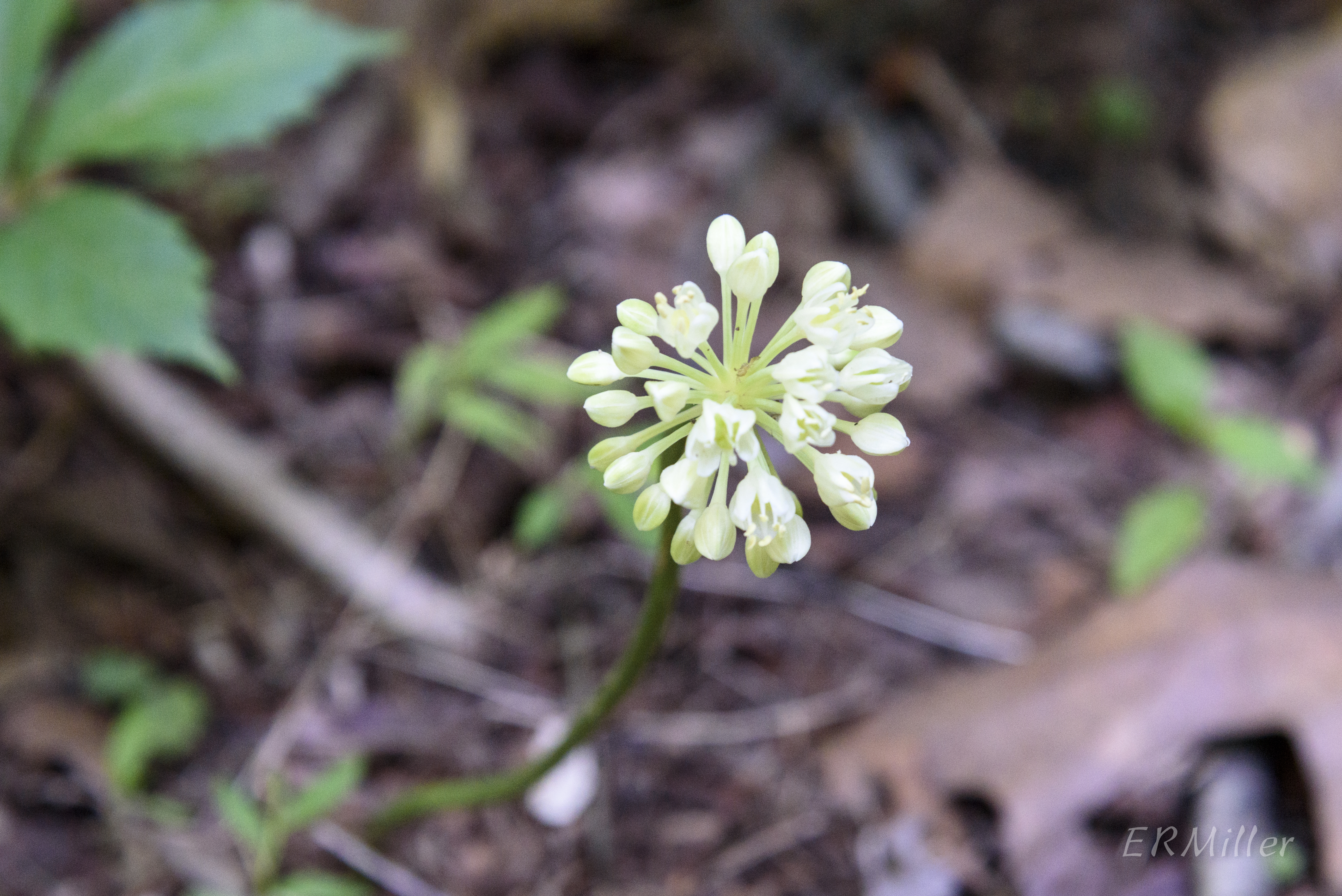
ramp; wild leek
Allium tricoccum
Amaryllidaceae


Thursday morning I was able to get out for a few hours of hiking along the Billy Goat C trail. Along the trail itself, just a few things were blooming: honewort (past its prime), white avens, ramps. Lots of stinging nettle. Down in the river, water willow was just starting to open, and along the canal there was some tall meadow rue.

I braved poison ivy and a lot of flood detritus to get out to my favorite peninsula, the one with a pond in the middle, and that’s where the wildflower show was:

  • nodding onion
  • American germander
  • common arrowhead
  • buttonbush
  • joe pye weed (buds)
  • common milkweed
  • swamp milkweed
  • seedbox
  • fleabane
  • fringed loosestrife
  • horse nettle
  • wild potato vine
  • water speedwell (new to me!)
  • trumpet creeper
  • white vervain
  • blue vervain

20160630-_DSC0084


nodding onion
Allium cernuum
Amaryllidaceae


Also, I found another stand of blue false indigo, past bloom of course but with big seedpods. This is a good find that I’ll be reporting to the Maryland DNR, since it’s a listed species (S2/Threatened).

There were invasive aliens, of course, mostly common St. Johnswort and a mustard species. A small stand of plants with pretty purple spikes is probably purple loosestrife, a particularly aggressive alien. It was growing amid buttonbush and halberd-leaved rosemallow (not yet blooming) right at the pond’s edge.

There were two other species, but as they’re particular favorites and since I think I got some good pictures, I’ll save them for more detailed posts in the next few days.

20160630-_DSC0043


buttonbush
Cephalanthus occidentalis
Rubiaceae