Three Views

What a difference a month makes!  Note the buds on the overhanging trees: Acer negundo (I think) in the first photo, and Acer rubrum (I think) in the third photo.  And of course, the snow and ice are gone.

Go to the Three Views page to compare with the scenes in February, January, and December.

April 1, 2015 
48 degrees F, clear

20150401-20150401-_DSC0009

11:00 am EDT  18mm  f/10.0  1/160sec  ISO 200

Billy Goat B trail, east end, looking southeast across a narrow channel toward Vaso Island
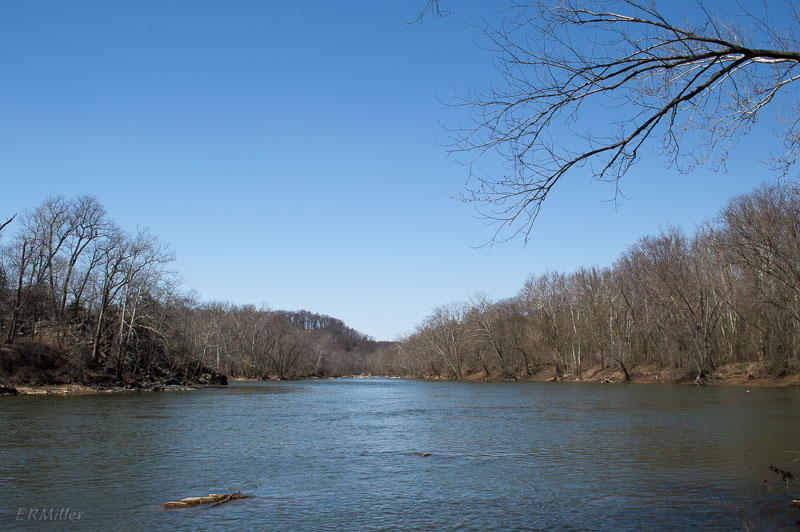

20150401-20150401-_DSC005512:01pm EDT  20mm  f/10  1/250 sec  ISO 200

Billy Goat B, mid-way between trailheads, looking upstream (more or less northwest) with Hermit Island on the left.


 20150401-20150401-_DSC0116

1:27pm EDT  18mm  f/8.0  1/250 sec  ISO 200

boat launch ramp near Old Angers Inn, looking downstream and more or less south

Happy Birthday…

20150401-20150401-_DSC0012

blue jay (Cyanocitta cristata) feather and emerging leaves of trout lily (Erythronium americanum)

…to my wildflower blog!  It’s one year old today.  I celebrated by hiking and taking lots of pictures, which I haven’t even started to go through yet – I think there may be 50 of a single bloodroot plant.  More to come.  It’s finally starting to feel like springtime here.

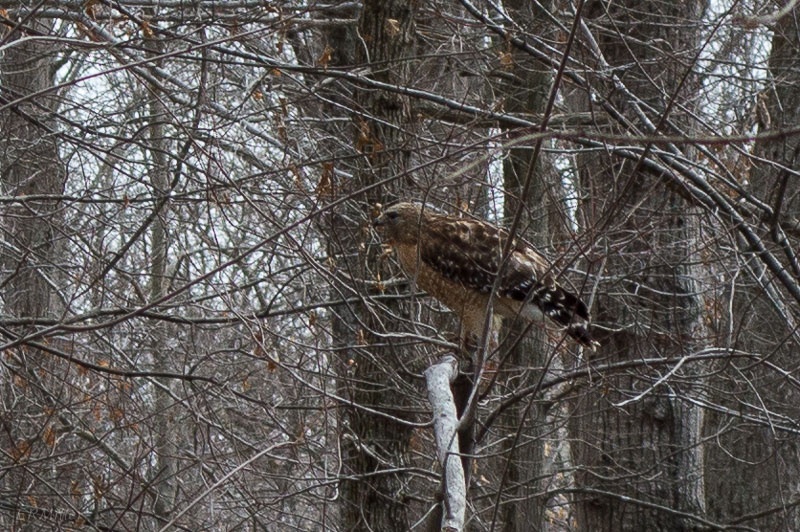
Red-Shoulder Hawk

20150324-_DSC0006

Buteo lineatus


There’s a nest right next to the Carderock parking lot, and I hear the birds often enough, but I seldom see them.  And when I do, it’s never in time to raise the camera to get a clear shot while the subject is nearby.  One of these days I will buy a more appropriate lens for long-distance shots, but in the meantime I have to make do with the stock 55mm lens and the crop function in Lightroom.

Flower of the Day: Skunk Cabbage

20150324-_DSC0015 Symplocarpus foetidus
Araceae

The earliest flower you’ll find in the mid-Atlantic piedmont is skunk cabbage, a low-growing plant of wetlands.  That reddish-brown thing in the lower right of the picture above is the inflorescence; actual flowers are within.  Not long after flowering, the bright green leaves will appear and then unfurl.  They can reach a length of 24 inches and a width of 12 inches.

20150324-_DSC0016


Here’s what the new leaves look like, with a spent flower next to them. The frilly looking plant to the right is cleavers, by the way.


Skunk cabbage ranges from Quebec to North Carolina, and north-west to Minnesota. It’s endangered in Tennessee.  Another related plant goes by the name skunk cabbage – Lysichiton americanus, also in the Araceae – but this one is found in the Pacific northwest.