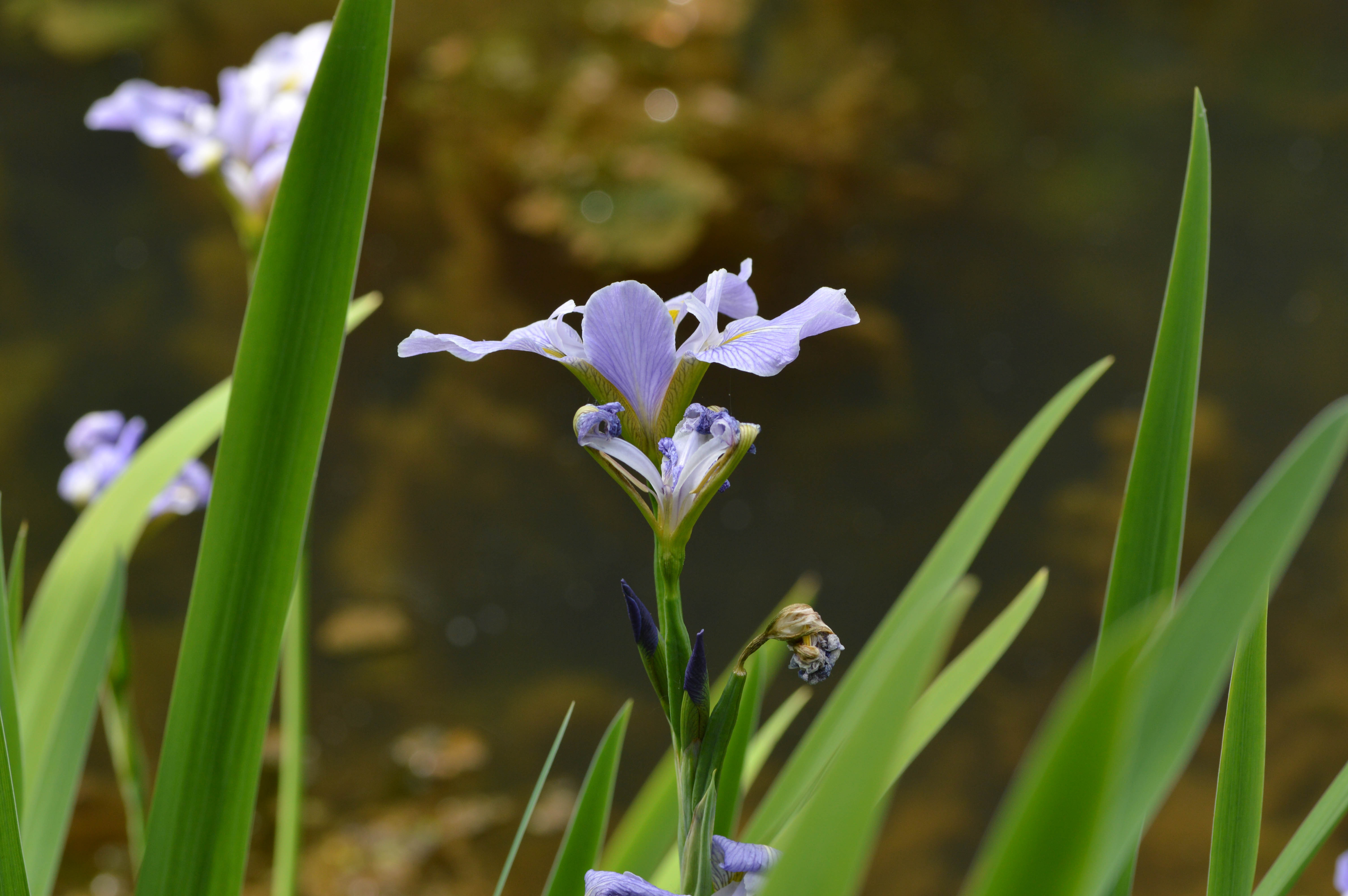
Flower of the Day: Larger Blue Flag (Iris)

Iris versicolor; Iridaceae (iris family)

Sometimes I’m so focused on seeing small, hidden, hard-to-find flowers that I miss the really big ones.  Last weekend while walking on the towpath Steve stopped me to ask “garden escapee?” while pointing at this:

20140604-DSC_0286Well, no, actually, that is a native iris: larger blue flag.  According to the USDA site, there are four other native irises found in this area: slender blue flag, Virginia iris, dwarf crested iris, and dwarf violet iris.

This iris likes to have its feel wet: you’ll see it growing in or right next to shallow bodies of water.  There’s a small marsh between the towpath and the river, between Carderock and Old Anglers’ Inn, that has a large stand them.  They grow up to three feet tall.
20140604-DSC_0288


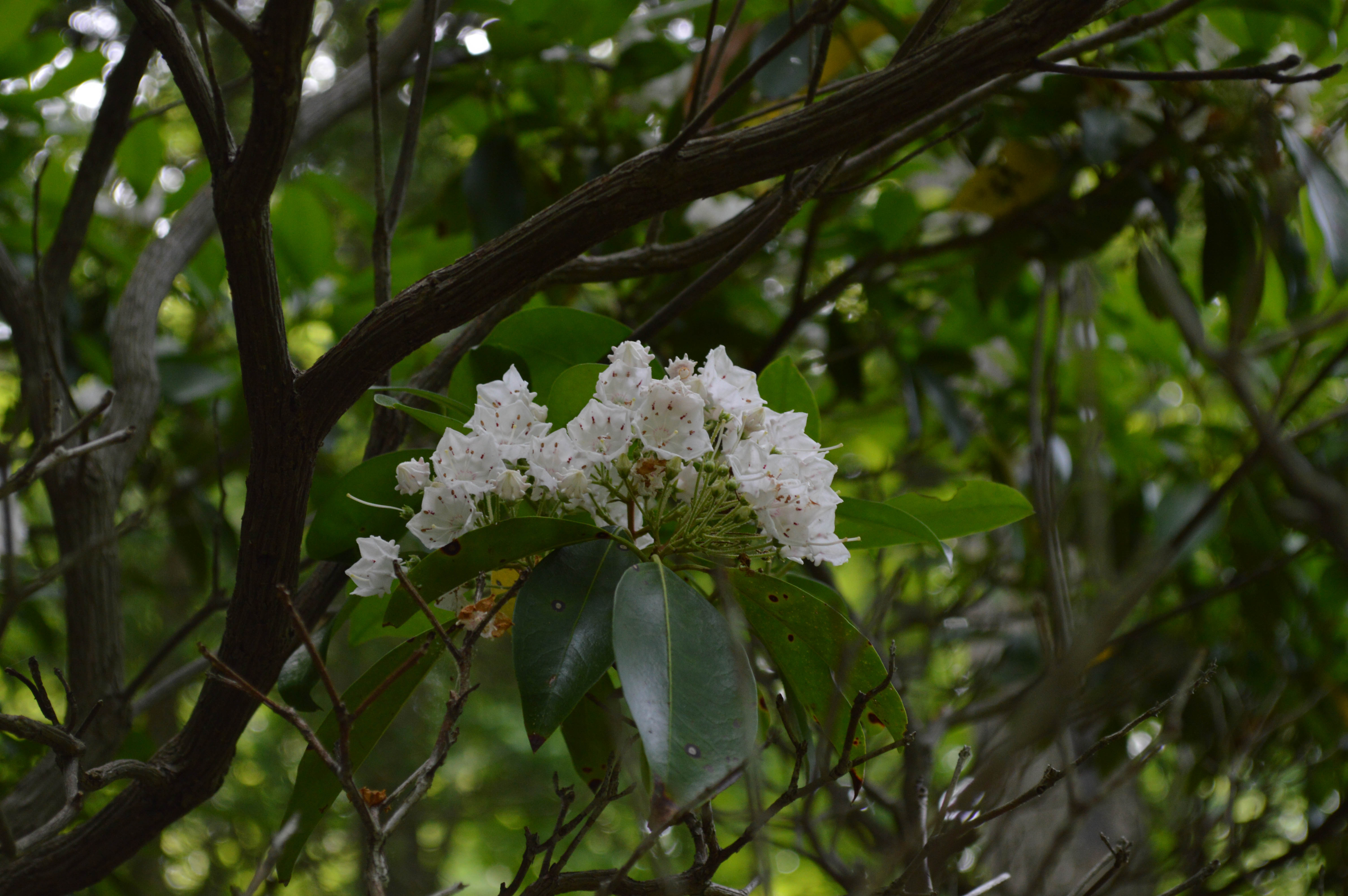
Flower of the Day: Mountain Laurel

Kalmia latifolia; Ericaceae (heath family)

20140603-DSC_0053

I don’t usually play favorites, but if I had to choose a favorite plant family, it would be the Ericaceae.  Something about the overall form and color of ericaceous plants (not just the flowers) is incredibly appealing. 20140603-DSC_0070

Mountain laurel is a tall understory shrub, preferring a rocky habitat and acidic soils.  It’s evergreen, but often with very sparse foliage, and the form is lanky.  Look closely at the picture above and you’ll see all these empty branches curling around.  In recent years the nursery industry has developed kalmia cultivars with more compact forms, better suited to gardens, but I think they look like glorified rhododendrons.  I like the plant the way nature designed it.

Other ericaceous plants you might be familiar with:

  • azaleas and rhododendrons
  • blueberries and cranberries
  • wintergreen
  • bear berry
  • trailing arbutus
  • Japanese pieris
  • heaths and heathers
  • sourwood (delicious honey!)
  • enkianthus
  • leucothoe

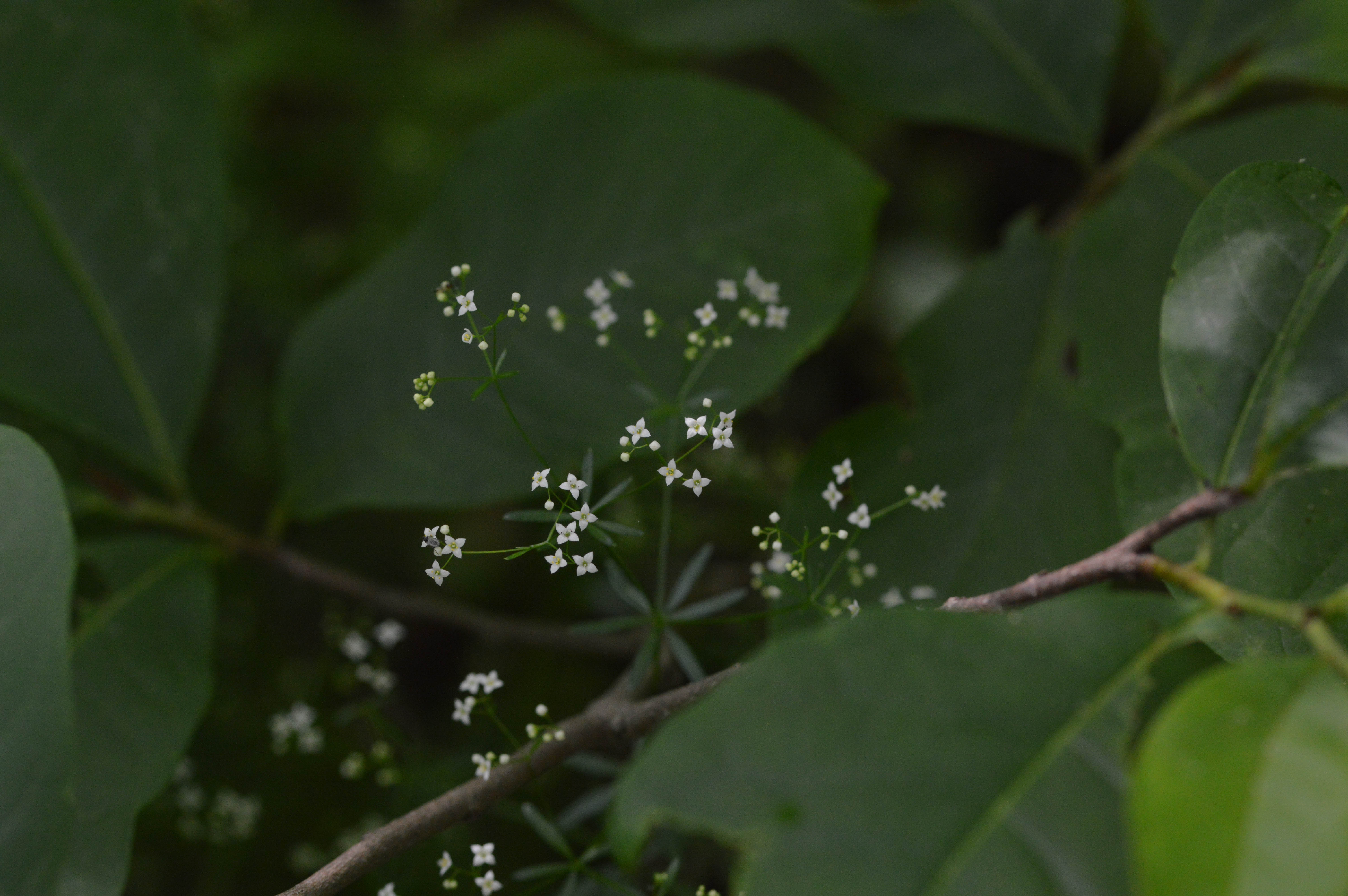
Flower of the Day: Shining Bedstraw (yet another LWF)

Galium concinnum; Rubiaceae (madder family)

20140604-DSC_0194

I post this with some trepidation, as I’m not sure that I got the species right.  For sure it is a Galium of some sort.  If you’re walking along in the shady woods and see little clouds of white dots seeming to float a foot or two above the ground, you’re probably looking at a bedstraw.  This one has unusually tiny leaves.  The flowers are about a sixteenth of an inch across.

20140601-DSC_0012

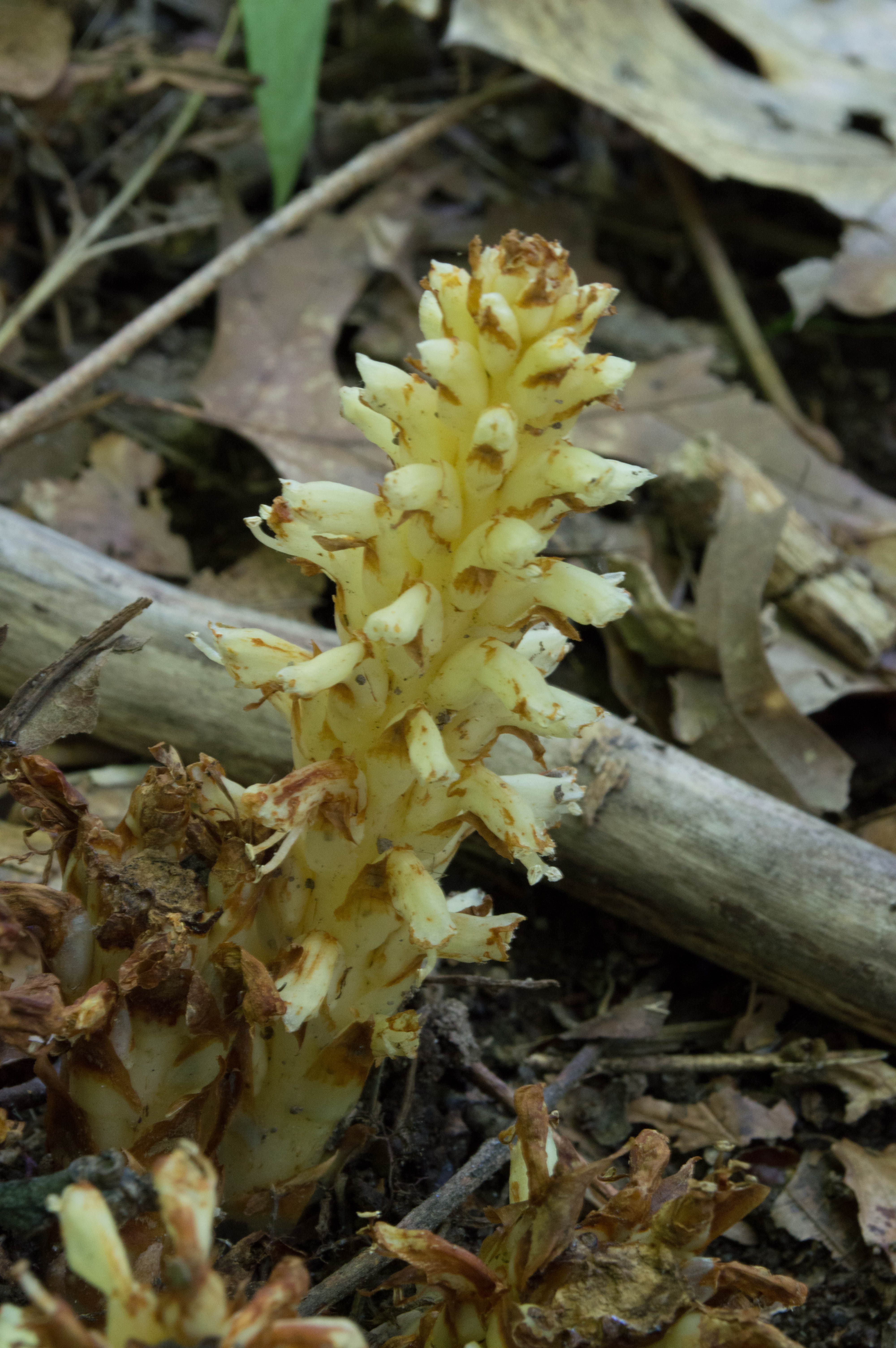
Flower of the Day: Squawroot

Conopholis americana; Orobanchaceae (broom-rape family)

20140518-DSC_0047

This weird looking thing is the inflorescence of a parasitic plant that otherwise lives underground, gathering nutrients from the roots of the oak trees to which it’s attached.  Lacking chlorophyll, the plant does not engage in photosynthesis.

There are several saprophytic plants found in this area.  I’ve yet to see beechdrops, but I’ll be on the hunt for Indianpipe over the next two weeks.