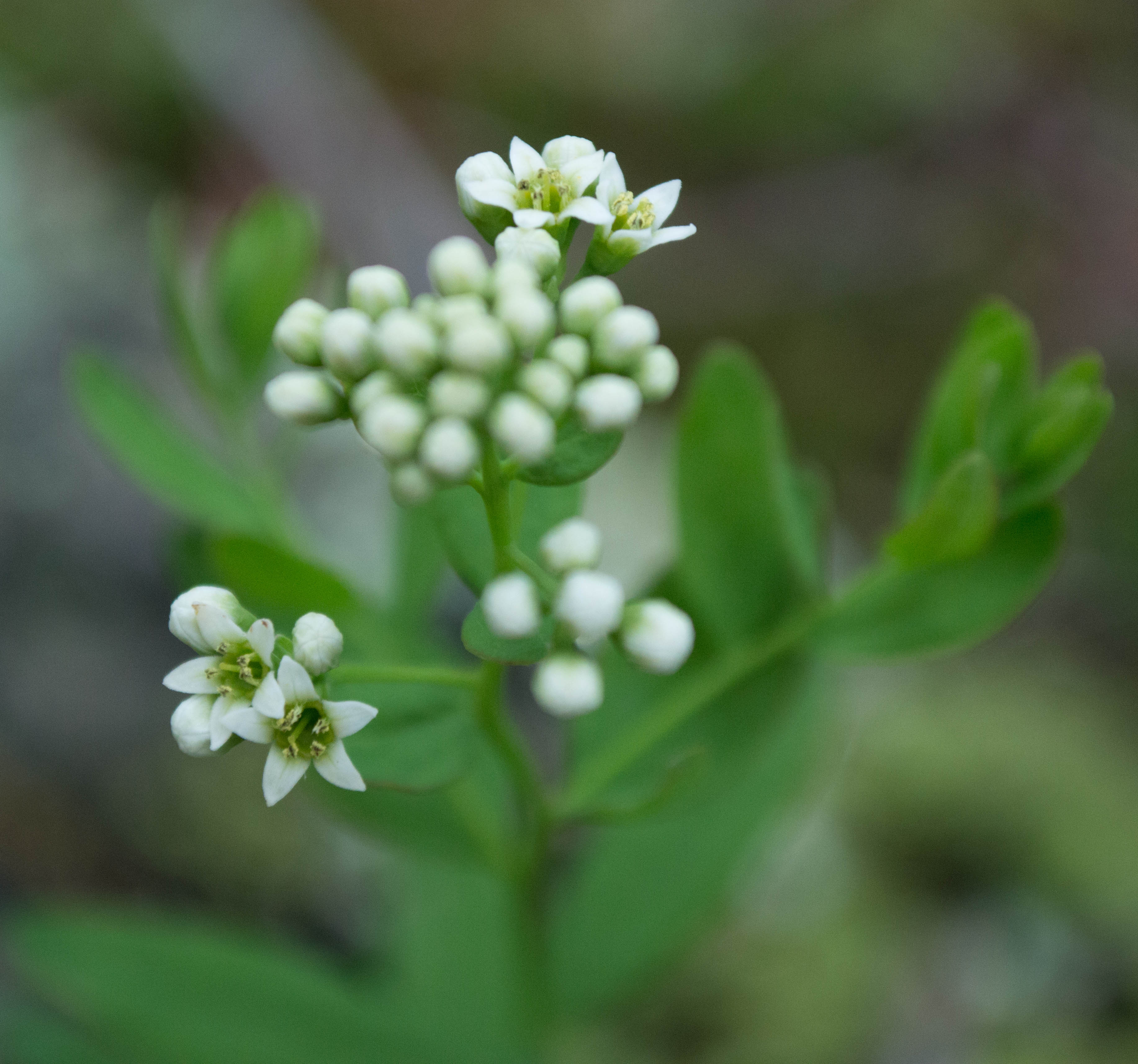
Flower of the Day: Wild Stonecrop

Sedum ternatum; Crassulaceae (stonecrop family)

A low-growing plant, one of very few in this area with succulent leaves.  The leaves occur in whorls of three along the stems.  The flowers appear in a three-branched terminal cluster.    It’s related to some familiar garden plants, like hens and chickens (Sempervivum tectorum) and sedum “Autumn Joy” (a hybrid of Sedum spectabile and Sedum telephium), which is used extensively in landscaping.

wild stonecrop

I do wish more people would garden with native plants.  This low-growing stonecrop would make a nice edging along a rock wall or pathway.  The flowers are small and subtle, but quite fetching when you look closely:

wild stonecrop extreme closeup


I love small, subtle things.

The List for the First Half of May

Flowering plants seen May 1 – May 14:

  • alumroot
  • American vetch
  • Asiatic bittersweet*
  • Asiatic hawks-beard*
  • bastard toadflax
  • Bicknell’s cranesbill
  • black walnut
  • lowbush blueberry
  • celandine
  • clustered snakeroot
  • dame’s rocket*
  • deerberry
  • false Solomon’s seal
  • common fleabane
  • fringe tree
  • greenbriar
  • henbit*
  • honeysuckle (probably Japanese)*
  • hooked crowfoot
  • Indian strawberry
  • long-tube valerian
  • lyre-leaved sage
  • partridgeberry (fruit)
  • perfoliate bellwort
  • fringed phacelia
  • rattlesnake weed
  • several sedges, including Gray’s sedge
  • corn speedwell
  • spiderwort
  • spring forget-me-not
  • star of Bethlehem
  • swamp dewberry
  • a yellow form of toadshade (!)
  • wild pink
  • wild stonecrop
  • wild yamroot
  • violet wood sorrel
  • yellow wood sorrel

*alien


a viburnum, species tbd

Flowers of the Day: Solomon’s Seals (false and not)

Walk along the wooded, rocky slopes of the Potomac River now and you will see lots of graceful, arching plants with long leaves alternating along a single stem.  They might look identical, but there are several different species that can’t be distinguished until they bloom.  Depending on which nomenclature system you consult, they may be placed in the Liliaceae (lily family), or Asparagaceae (asparagus family), or even Ruscaceae, formerly known as Convallariaceae… taxonomy, what a headache.

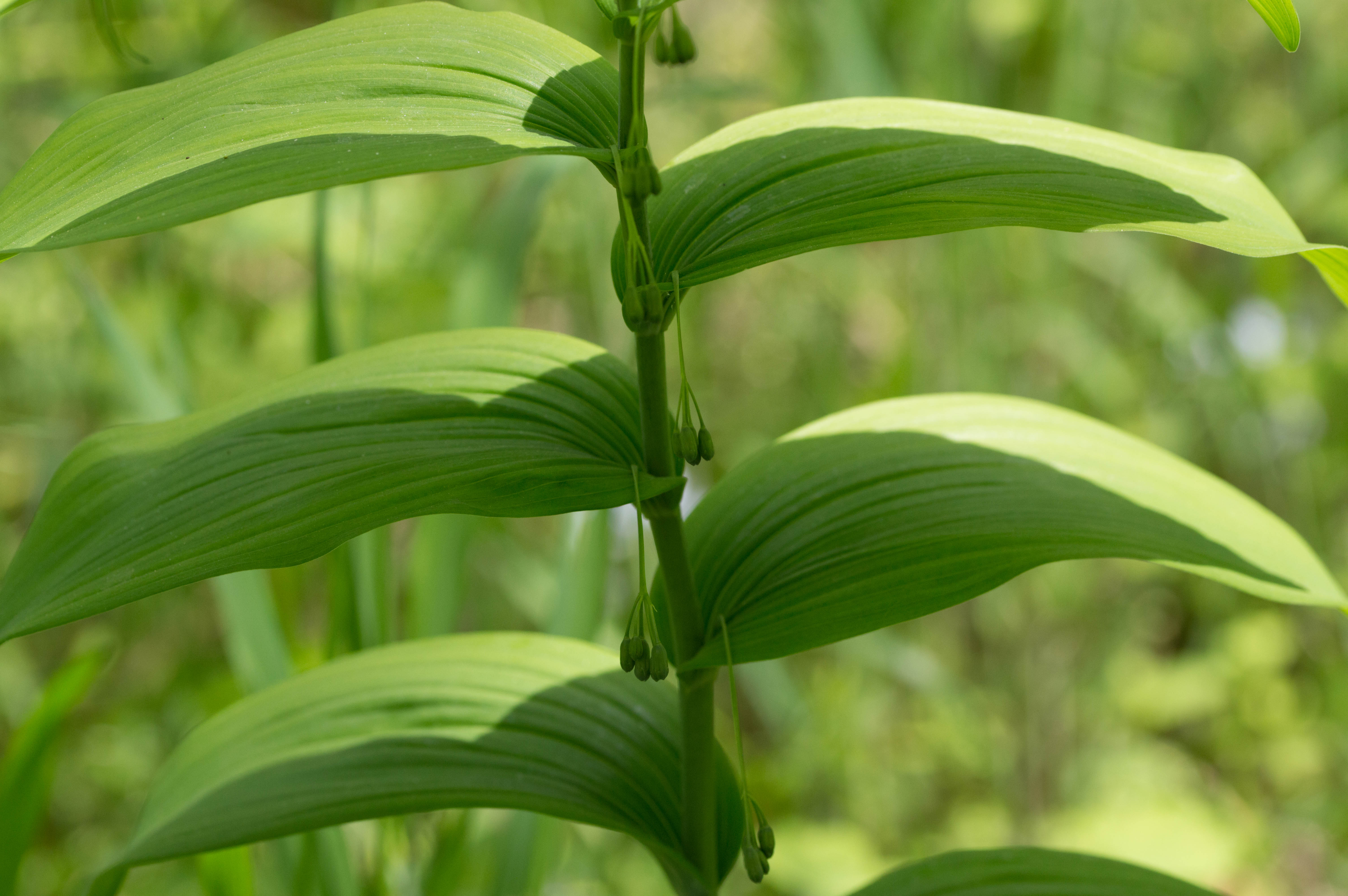
Standing about two feet tall is the very common smooth Solomon’s seal (Polygonatum biflorum), with 2 or more flowers in a cluster dangling from the leaf axils:

a whole lot of Solomon's seal

Much less common is great Solomon’s seal (Polygonatum canaliculatum), which can stand as tall as five feet.  Note the small trees alongside the plant in the next picture:

great Solomon's seal  great Solomon's seal closeup

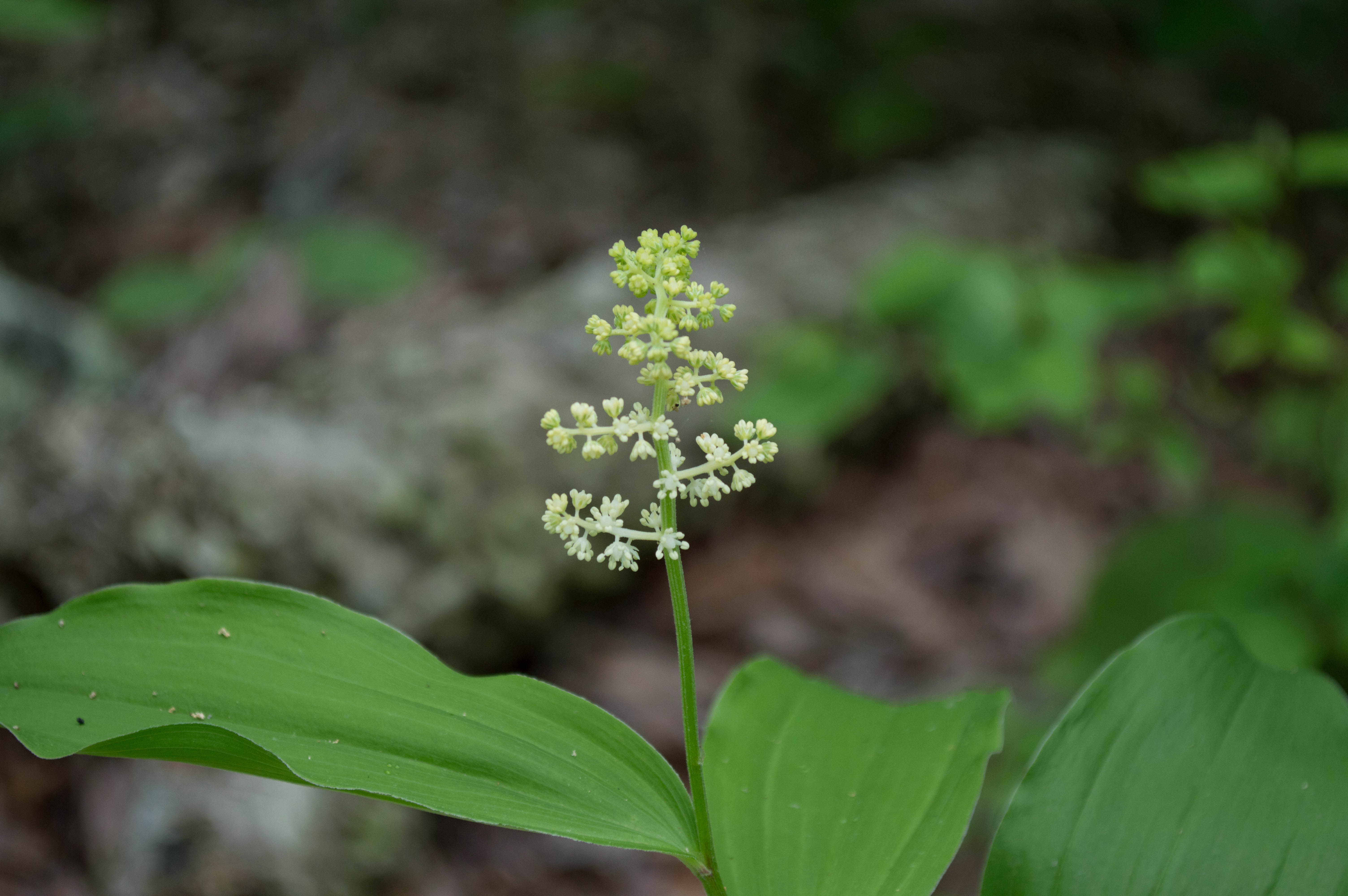
The false Solomon’s seals are distinguished by having terminal rather than axillary clusters of flowers.  Here’s Maianthemum racemosum in bloom (see May 7 for a dramatic picture of it in bud):

false Solomon's seal 2

There’s also starry false Solomon’s seal (Maianthemum stellatum), which I have yet to find.

Flower of the Day: Long-tube Valerian

aka Large-Flower Valerian

Valeriana pauciflora; Valerianaceae (valerian family)

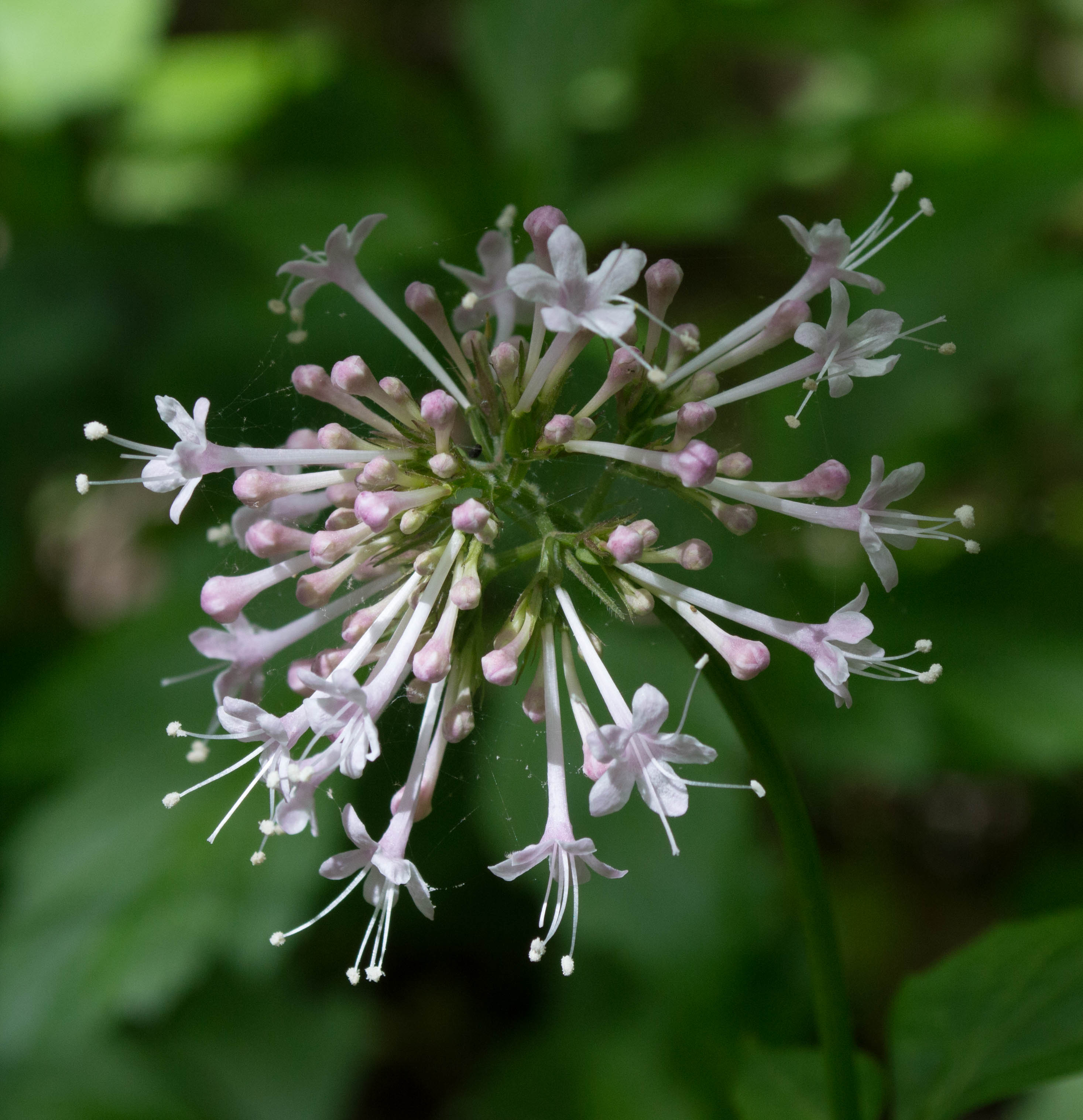
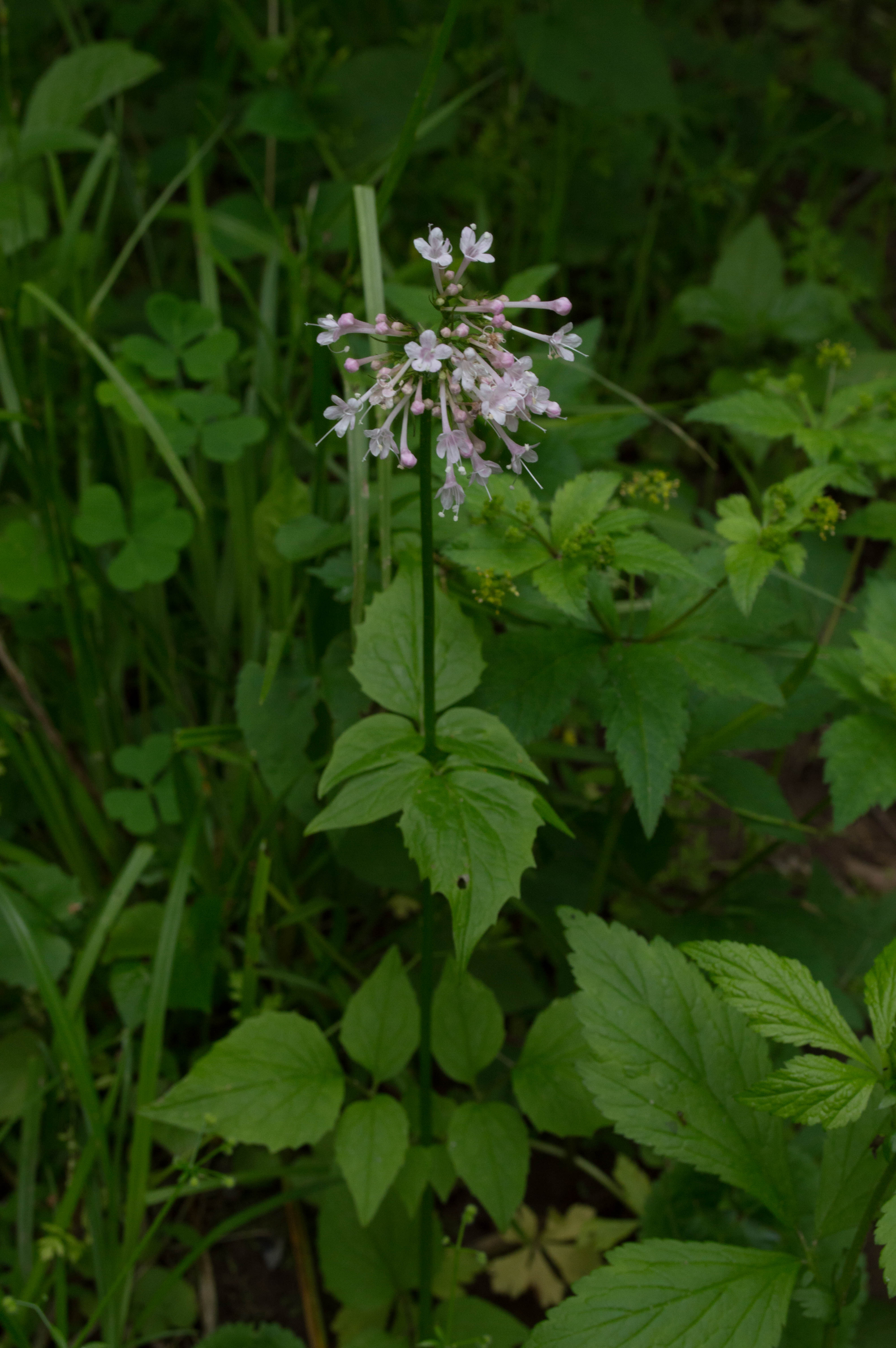
Listed as threatened in the state of Maryland.  Yesterday I found a third healthy stand in the greater Carderock area.  One of the things I like about this plant is that each pair of opposite, compound leaves is oriented on the stem 90 degrees away from the next pair.  And the flowers are lovely, too.


long-tube valerian closeup long-tube valerian leaf arrangement