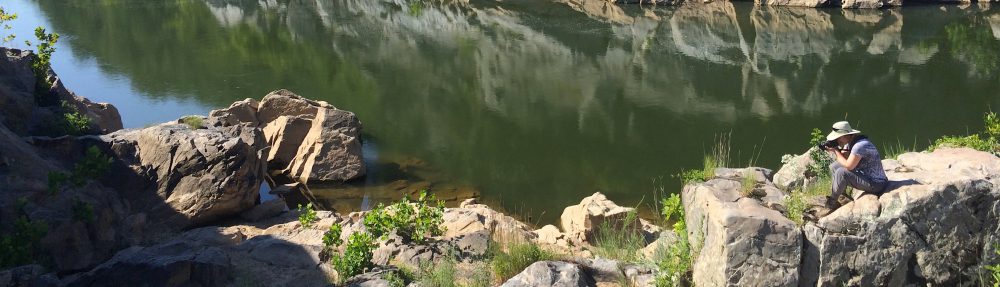
Spectacular

20160630-_DSC0143

Culver’s root
Veronicastrum virginicum
Plantaginaceae
(formerly Scrophulariaceae)


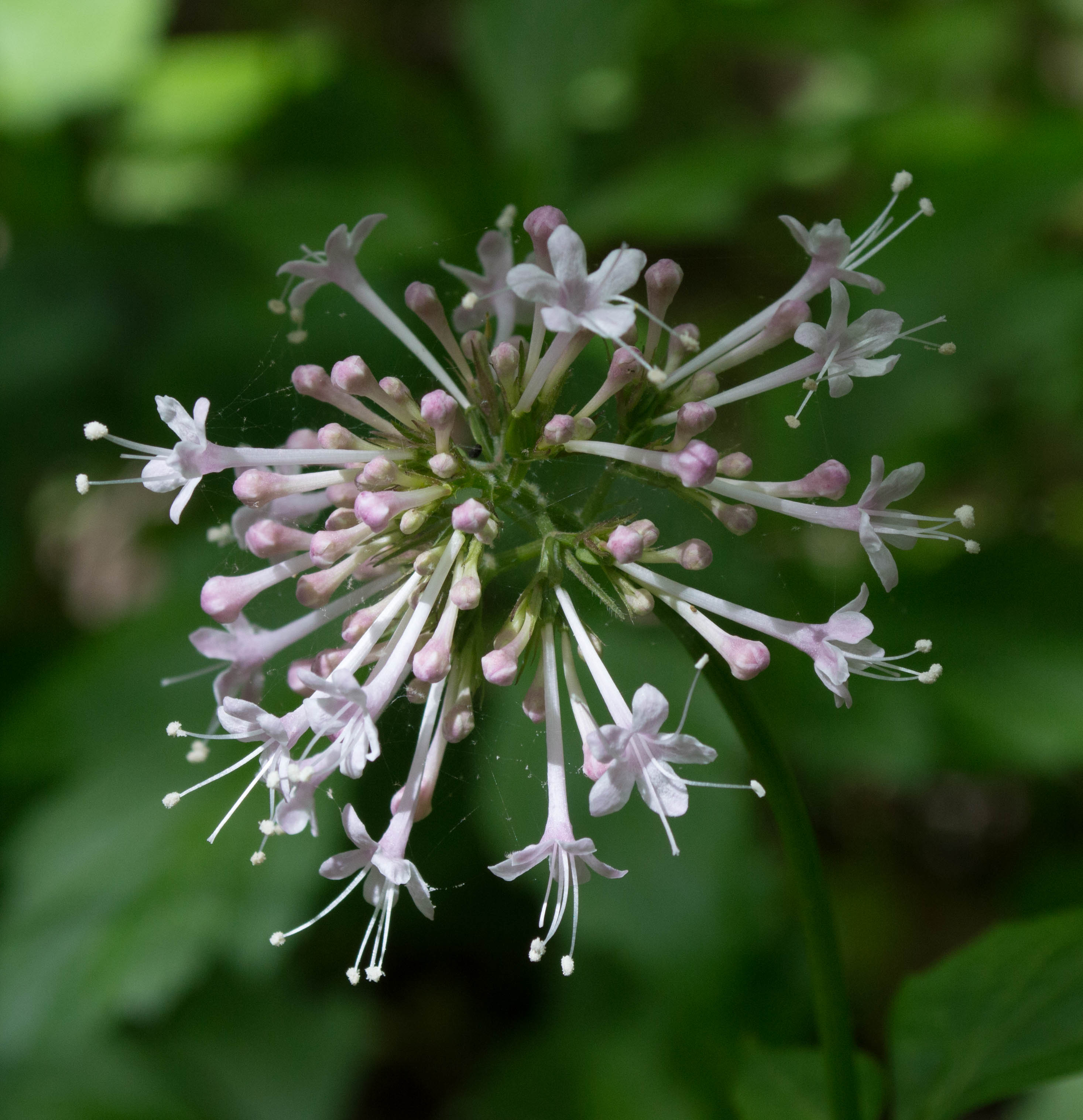
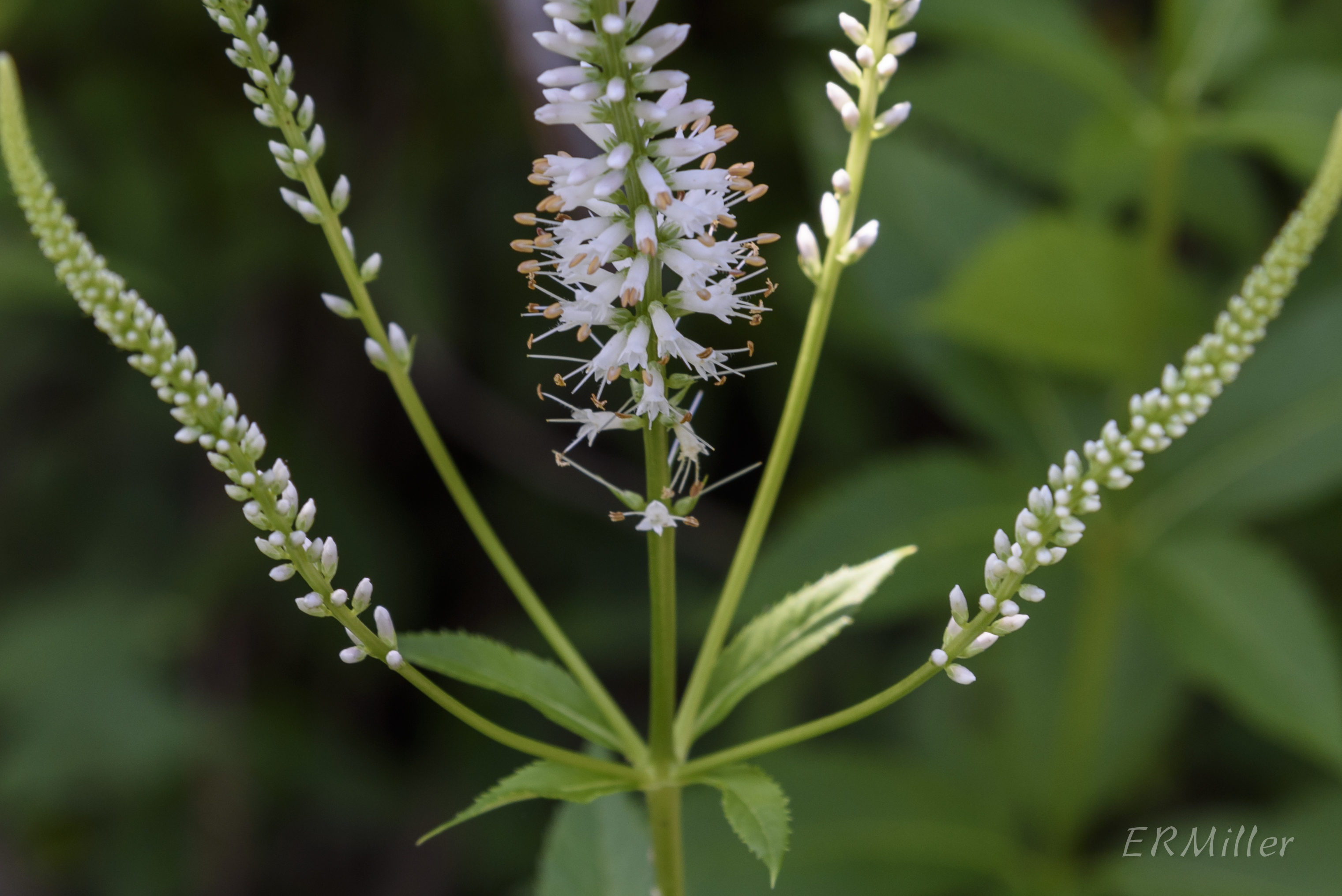
I’m partial to tiny, subtle flowers, but it’s hard not to love a plant like this. Although the individual flowers are small, they’re crowded into dense spikes up to eight inches long. The spikes occur in whorls in the upper nodes, surrounding a towering central spike. The whole effect is spectacular, especially when you find a plant that’s as tall or taller than you are.
20160630-_DSC0146


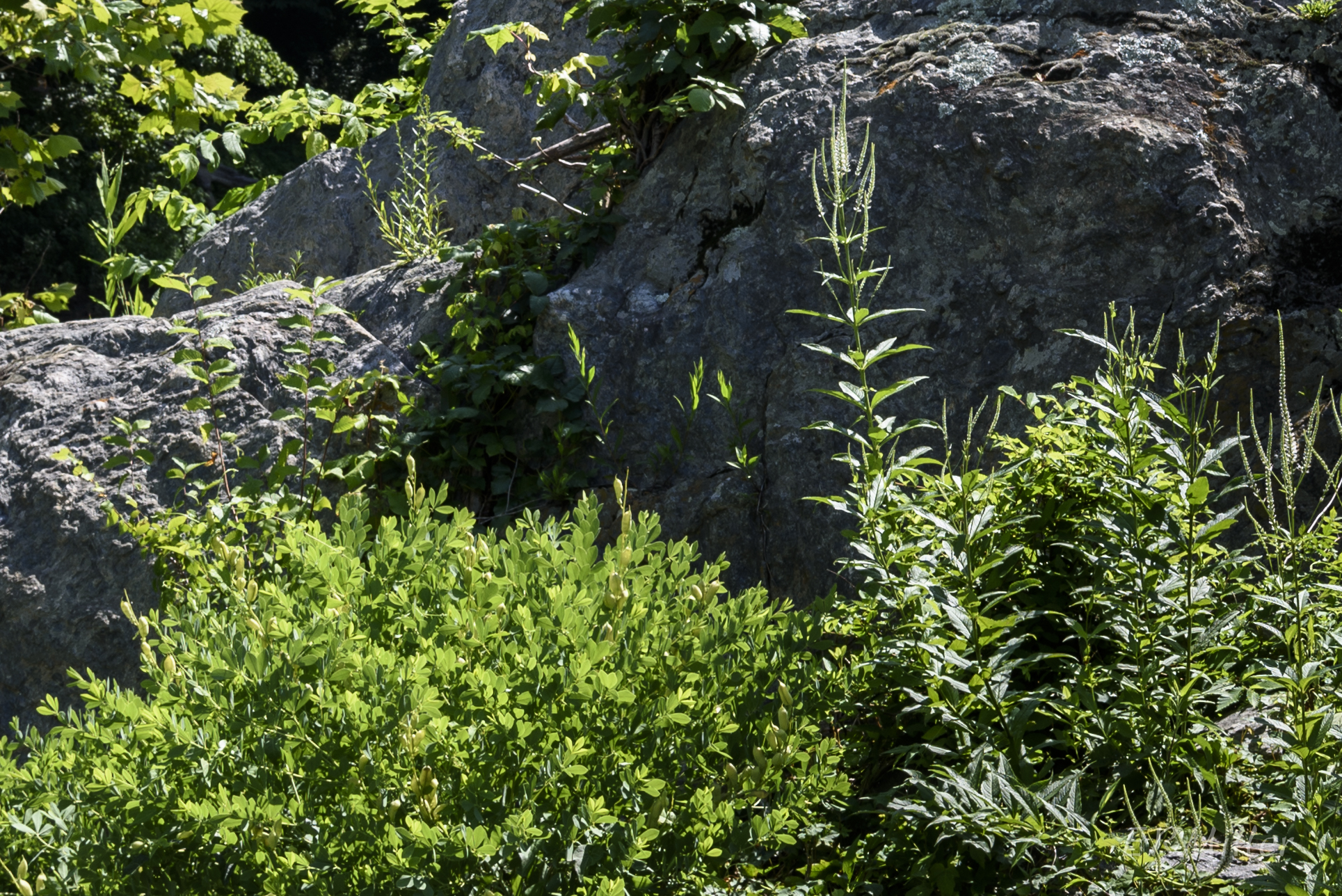
seen from a distance; notice the Baptisia australis growing to the left


I first saw Culver’s root two years ago, growing along a slope so steep I had to almost climb to get to it. Earlier this year I saw a few plants growing next to the blue false indigo I was obsessed with; later I reported that they’d been browsed by something. But a few days ago they had bounced back, tall spikes filled with buds.
20160630-_DSC0135


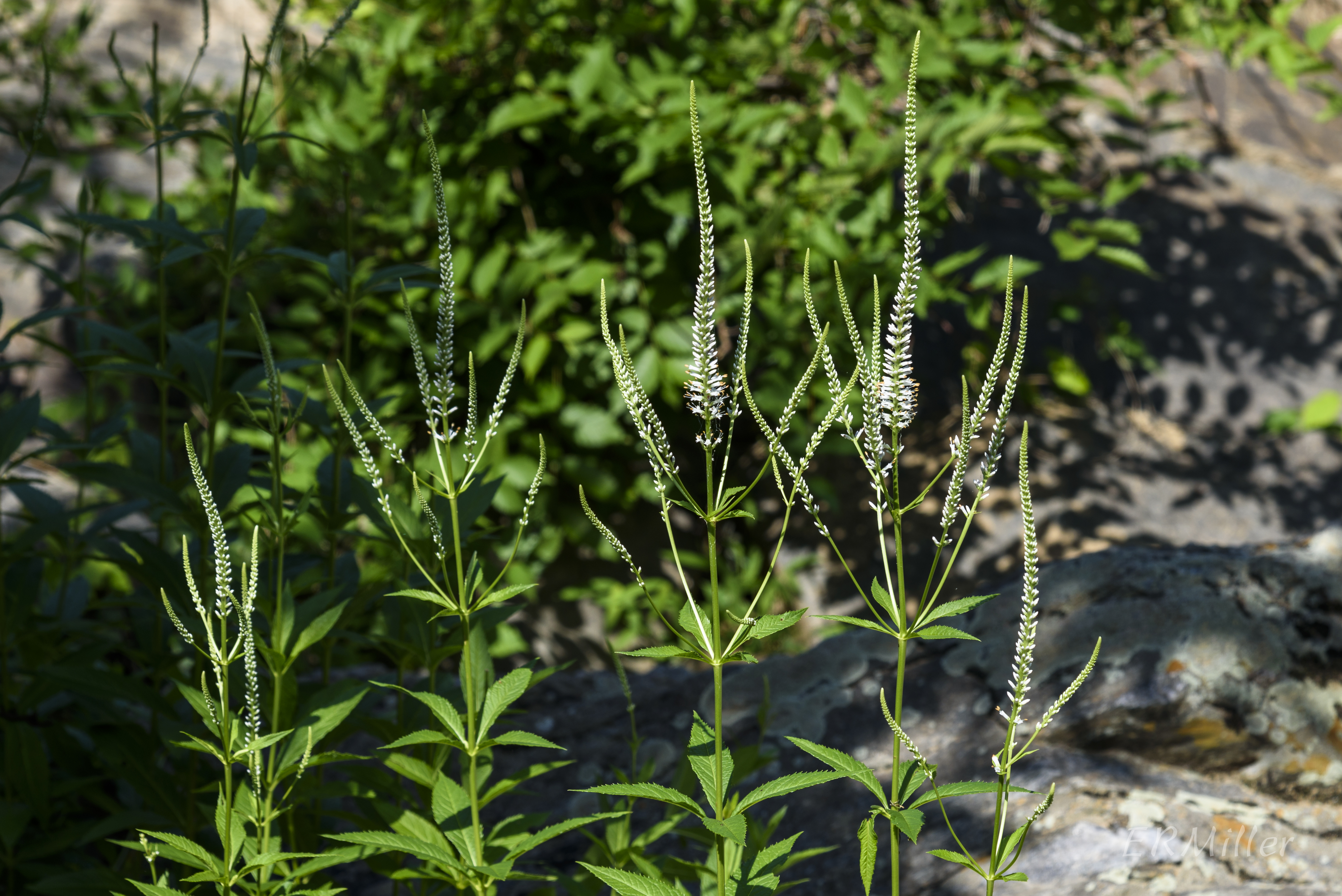
a little closer


To my delight I spied a third patch on the peninsula I visited (post from July 3), and interestingly the plants were growing right next to a big stand of blue false indigo. Clearly they enjoy they same growing conditions: wet soils in full sunlight. Culver’s root would be lovely in the back of a rain garden, maybe alongside joe pye weed. It’s a hardy, adaptable plant that is available in the nursery trade.
20160630-_DSC0141


a whorl of spikes and leaves at the uppermost node


Worldwide there are about a dozen species of Veronicastrum, but V. virginicum is the only one in North America. It’s found in the eastern half of the US and Canada, as far west the the easternmost portions of the Great Plains states. It’s threatened in Massachusetts and New York and endangered in Vermont. In Maryland in grows in the Piedmont and part of the Coastal Plain (and in Garret County).

20160630-_DSC0144

A Whole Lot Going On Now

20160630-_DSC0005

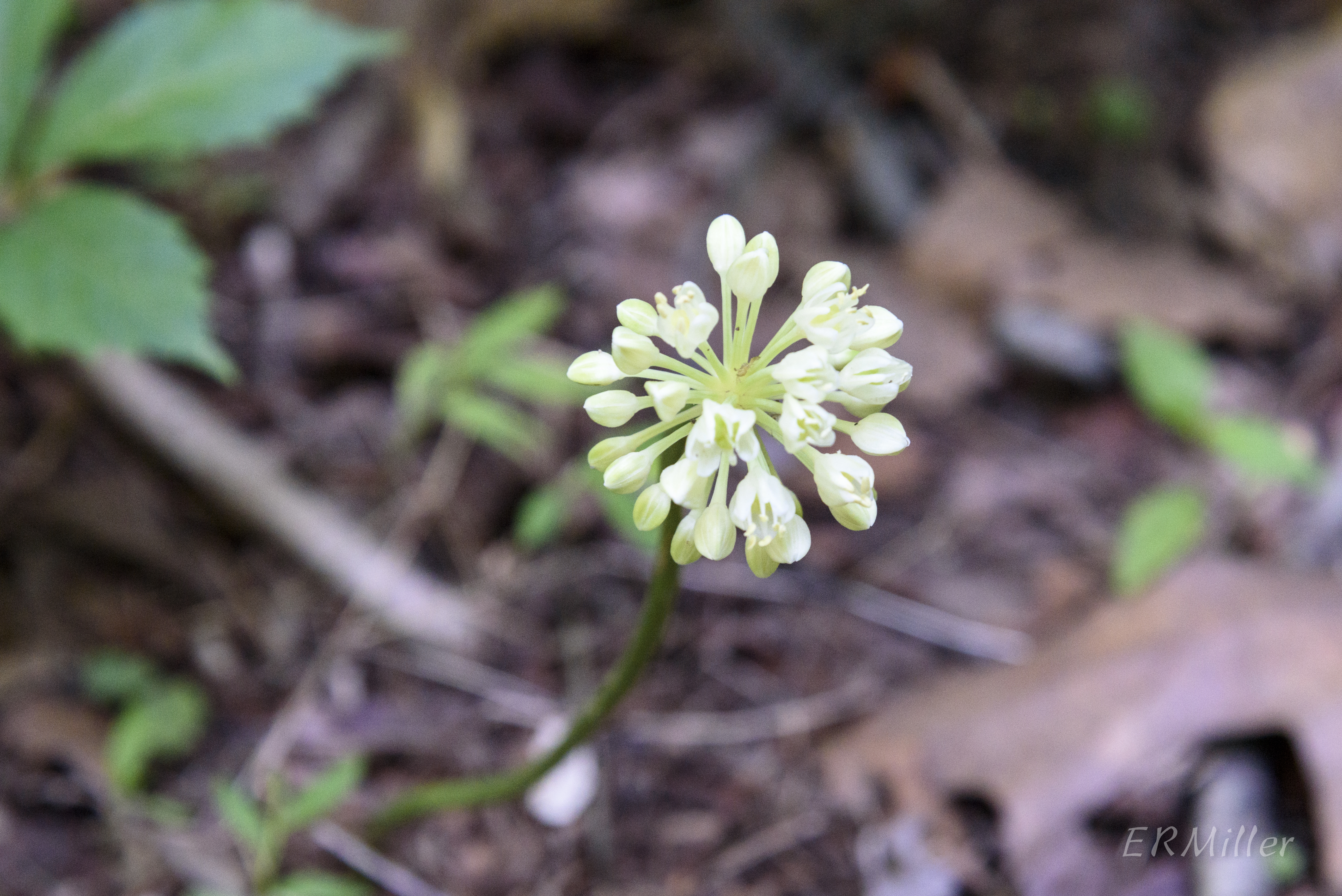
ramp; wild leek
Allium tricoccum
Amaryllidaceae


Thursday morning I was able to get out for a few hours of hiking along the Billy Goat C trail. Along the trail itself, just a few things were blooming: honewort (past its prime), white avens, ramps. Lots of stinging nettle. Down in the river, water willow was just starting to open, and along the canal there was some tall meadow rue.

I braved poison ivy and a lot of flood detritus to get out to my favorite peninsula, the one with a pond in the middle, and that’s where the wildflower show was:

  • nodding onion
  • American germander
  • common arrowhead
  • buttonbush
  • joe pye weed (buds)
  • common milkweed
  • swamp milkweed
  • seedbox
  • fleabane
  • fringed loosestrife
  • horse nettle
  • wild potato vine
  • water speedwell (new to me!)
  • trumpet creeper
  • white vervain
  • blue vervain

20160630-_DSC0084


nodding onion
Allium cernuum
Amaryllidaceae


Also, I found another stand of blue false indigo, past bloom of course but with big seedpods. This is a good find that I’ll be reporting to the Maryland DNR, since it’s a listed species (S2/Threatened).

There were invasive aliens, of course, mostly common St. Johnswort and a mustard species. A small stand of plants with pretty purple spikes is probably purple loosestrife, a particularly aggressive alien. It was growing amid buttonbush and halberd-leaved rosemallow (not yet blooming) right at the pond’s edge.

There were two other species, but as they’re particular favorites and since I think I got some good pictures, I’ll save them for more detailed posts in the next few days.

20160630-_DSC0043


buttonbush
Cephalanthus occidentalis
Rubiaceae

What’s That Scrophy-Looking Thing?

Bartsia alpina
velvetbells
Icelandic: smjörgras
Orobanchaceae


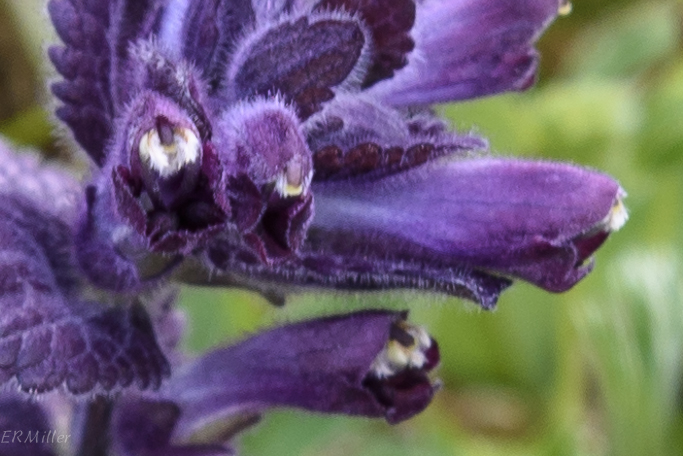
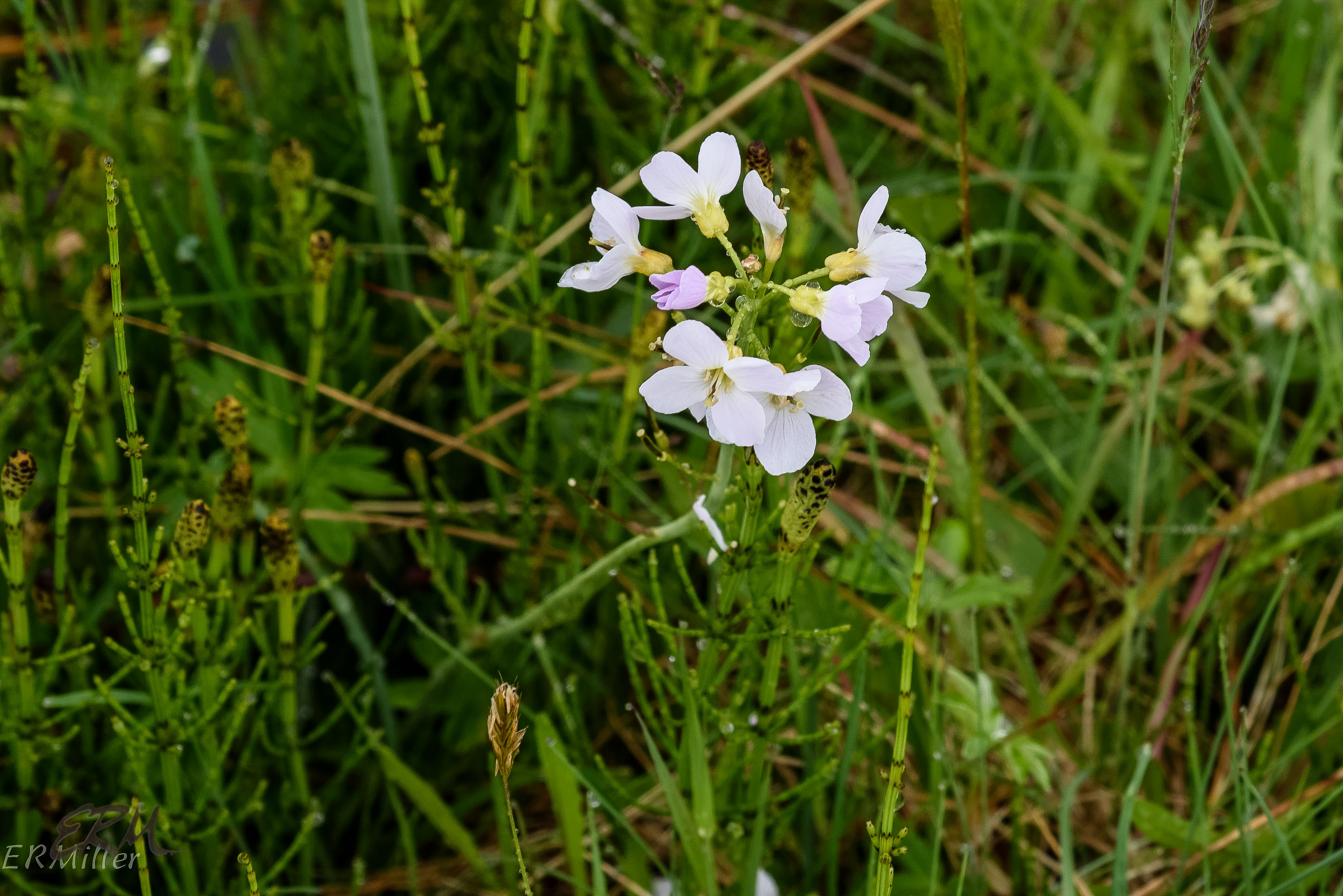
In the second picture of my previous post, you can see some dark purple plant material surrounding the cuckoo flowers. Those are the upper leaves and flowers of this very common plant, but the flowers are hard to make out at first, since the leaves become increasingly purple as they ascend the stem. You might be able to see that if you click on these two pictures to get larger images.


Velvetbells grows in a wide variety of habitats and so is found almost everywhere in Iceland. The plant stands from 6-12″ tall, blooms in June and July, and is incredibly easy to identify, because nothing else looks like it. Indeed, Bartsia is a monotypic genus, so there’s nothing similar in the Maryland Piedmont to compare it to. It’s also found in much of eastern Canada as well as Greenland, but nowhere in the US.

20160620-_DSC0571

Bartsia was formerly classified in the figwort family, Scrophulariaceae (hence the pun in the post title), a large family made much smaller by the work of taxonomists. You have to look in the broomrape family, Orobanchaceae, to find anything similar to velvetbells in the Maryland Piedmont. You can see the family resemblance in the flowers of beechdrops (Epifagus virginiana) and squawroot (Conopholis americana) if you look closely. I think they all look like the gaping maws of miniature monsters.

Because I am fascinated by words and etymology and the whole concept of names, I tried to investigate the Icelandic common name, but didn’t come up with much. “Smjör” means “butter”, and “gras” means “grass”. But are those the roots of the common name or is that coincidental? Google translate offers “amethyst” as a translation of “smjörgras”, but reversing the search tells me that the Icelandic word for “amethyst” is “ametyst”. Amethyst is a nice description (the upper leaves and flowers are a lovely deep purple)  but I have no idea if the plant tastes like butter.


Hrafnaklukka: Cuckoo Flower, Indeed!

Cardamine species
Icelandic: hrafnaklukka
Brassicaceae


The flowers pictured here are easily identifiable as a Cardamine species. In the Maryland Piedmont, we have about 10 species of Cardamine, a handful of which have flowers very similar to what’s pictured. We call them “toothwort”, and the various species are readily identified by differences in their leaves.

Not so with this one. Almost as soon as I started trying to identify these I ended up in a taxonomic whirlpool.

A Guide to the Flowering Plants and Ferns of Iceland shows one species with flowers like this, and calls it Cardamine pratensis ssp. angustifolia. The listing Cardamine nymanii in the index goes to the same plant. Are the names synonyms? The book doesn’t say.

The Integrated Taxonomic Information Service accepts both C. pratensis and C. nymanii, but does not accept C. pratensis ssp. angustifolia, which it considers a synonym for C. nymanii.

The Botanical Map of Iceland shows a similar-looking plant and labels it C. nymanni.

The Natural History of Iceland website shows only C. nymanii.

In English one of these is called cuckoo flower, and the other is lady’s smock. Both have the same common name in Icelandic: hrafnaklukka.

I had to go to Svalbard to get an answer. Not literally, of course (I wish!), and only an answer, not the answer. The comments section of the listing for C. pratensis ssp. angustifolia on the svalbardflora.no website says “The Cardamine pratensis group is unusually complicated taxonomically.” It goes into a rather interesting discussion (interesting if you’re into that sort of thing) about the taxonomic difficulties and distribution of the similar species.

But hey, useful ID tips from the same site:

Cardamine nymanii is distinguished by, e.g., the glabrous, entire, fleshy leaflets with impressed veins. In the two others, the leaflets are often hairy, dentate, thin, and with protruding veins. Cardamine nymanii is distinguished from C. pratensisalso by the often distinct petiolules of leaflets on stem leaves (in common with C. dentata but absent from C. pratensis).

Well, guess what? I don’t have good enough pictures of the leaves. The ones I do have definitely show glabrous (smooth), entire (not toothed or lobed), fleshy leaflets, but they don’t have distinct petiolules (leaflet stems).

Gah! So what species did I find? I really can’t say.

Maybe I should just dub them “Icelandic toothwort” and add to the confusion.

Whatever species they end up being, they’re fairly common throughout Iceland, found almost everywhere except in parts of the highlands. I saw them blooming on Mt. Esja and in several places around Ísafjörður in the Westfjords.

20160620-_DSC0583