Three Views

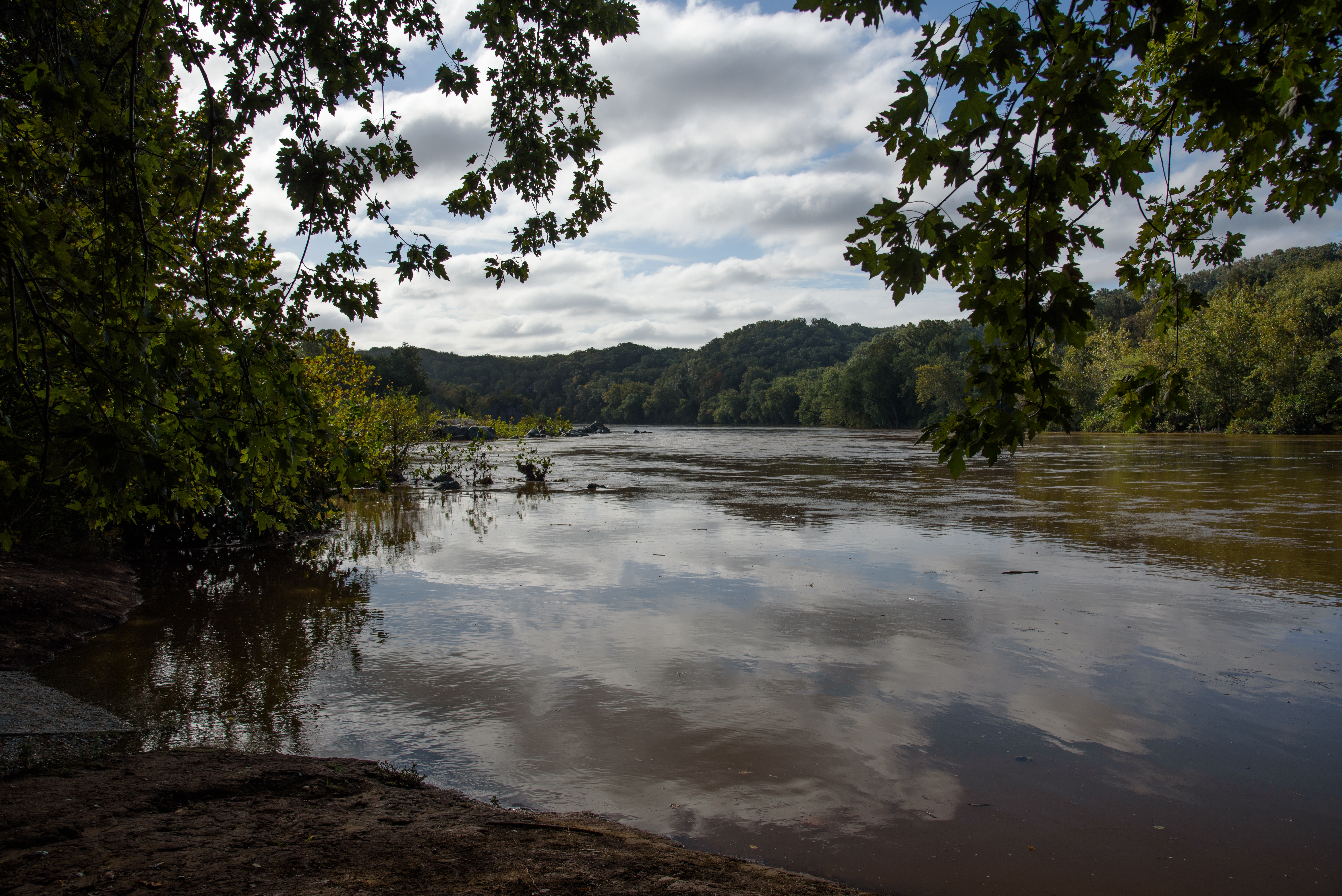
Less than a month ago, leaves were still green.  Now half of them have fallen. Recent heavy rain for a day throughout the Potomac River basin has left the river high, brown, and moving fast. Don’t forget to visit the Three Views page to see how things change month-by-month.

By the way the yellow leaves in the foreground of the first picture belong to spicebush (Lindera benzoin).

October 30
60 F at 11:36 am; mostly sunny and breezy

20151030-_DSC0257

11:47 am EDT  24mm  f/9.0  1/800sec  ISO 200

Billy Goat B trail, east end, looking southeast across a narrow channel toward Vaso Island


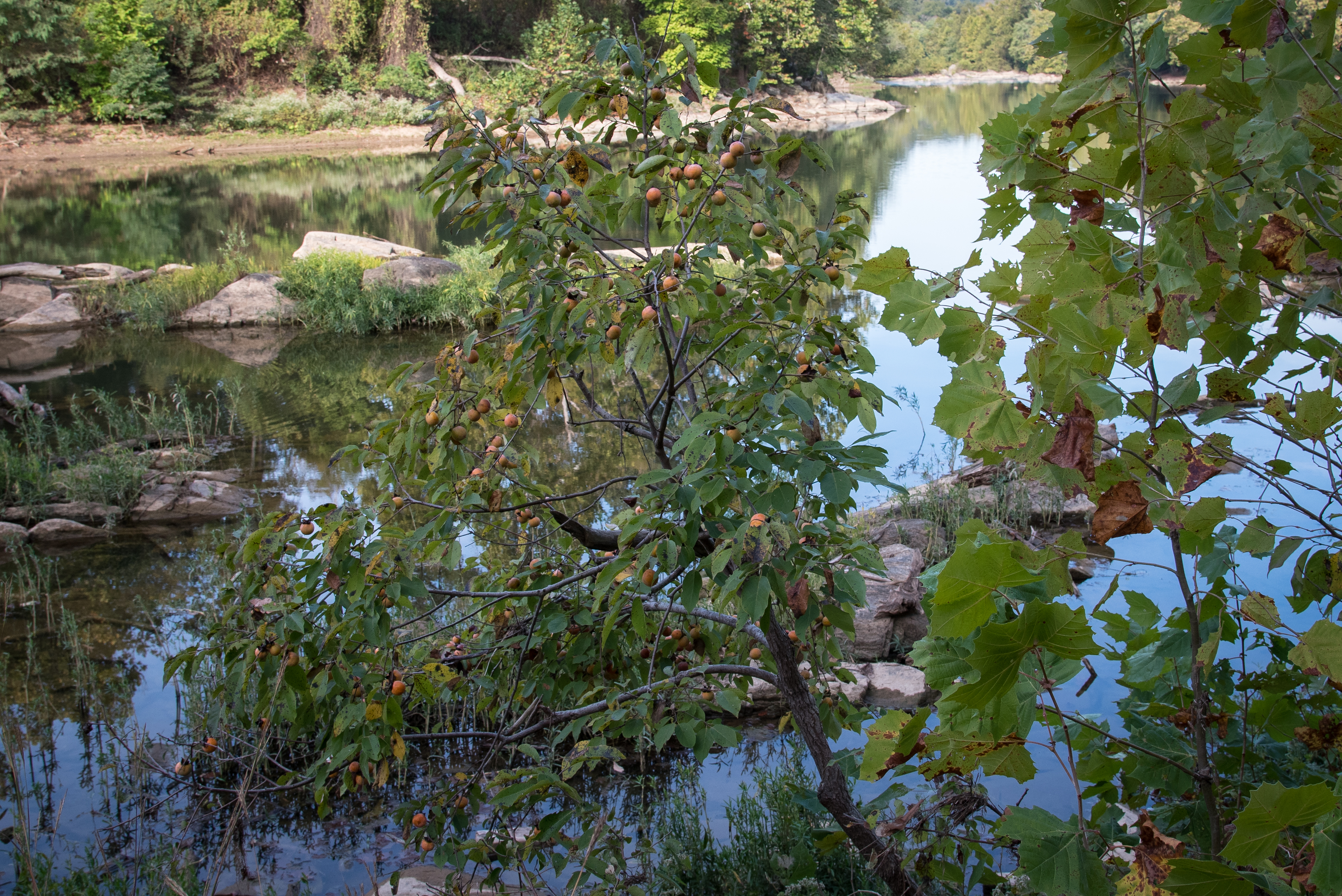
20151030-_DSC0262

12:02 pm EDT  27mm  f/9.0  1/640sec  ISO 200

Billy Goat B, mid-way between trailheads, looking upstream (more or less northwest) with Hermit Island on the left.


20151030-_DSC0268

12:35 pm EDT  24mm  f/8.0  1/1000sec  ISO 200

boat launch ramp near Old Angers Inn, looking downstream and more or less south

Three Views

Finally, we got some rain!  Though mostly not from Hurricane Joaquin, which turned east before getting as far north as the Potomac.  Regardless, the rain was quite welcome; the river is running high, brown, and fast. The asters and goldenrods are perking up, too.

Don’t forget to go to the Three Views page to see the same views in from earlier this year.  The change in river level from early September is dramatic.

October 5, 2015 
54 F at 9:17 am; partly cloudy

20151005-_DSC0124

9:28 am EDT  24mm  f/9.0  1/160sec  ISO 200

Billy Goat B trail, east end, looking southeast across a narrow channel toward Vaso Island


20151005-_DSC0129

9:39 am EDT  30mm  f/9.0  1/160 sec  ISO 200

Billy Goat B, mid-way between trailheads, looking upstream (more or less northwest) with Hermit Island on the left.


20151005-_DSC0138

10:12 am EDT  30mm  f/9.0  1/500 sec  ISO 200

boat launch ramp near Old Angers Inn, looking downstream and more or less south

Three Views Delayed

The intersection of rainy weather (finally!) and obligations unrelated to hiking and photography means that it might be a few more days before I can get out to take photos for Three Views.  And depending on how strong hurricane Joaquin is when it passes near or lands in the mid-Atlantic area, one or two of those spots could be flooded for awhile.  It’s going to be an interesting weekend, weather-wise.

Joaquin

This looks a lot better than last night’s map, which showed the storm moving right up the Chesapeake Bay.

20150826-_DSC0045


Here’s a still-life of a blade of Chasmanthium latifolium (a native grass) in flower, just because.

Divine Fruit

20150924-_DSC0081

common/American/Eastern persimmon; possumwood
Diospyros virginiana
Ebenaceae (ebony family)

Not in flower now, of course, but look at those lovely fruits! The flowers in spring are inconsequential, or maybe they’re just too high up to see, but the leaves have lovely color in autumn and of course those orange globes are quite eye-catching. The tree pictured here is on the banks of the Potomac along the Billy Goat B trail.

Our native persimmons are edible, but don’t try to pick them; they have to be completely ripe, otherwise the astringency will make you gag.  The sensation in your mouth after eating an underripe persimmon is rather like having a vinegar-soaked wad of cotton crammed in.  The best way to tell if they’re ripe enough to eat is to wait for them to fall.  Of course, that leads to other problems, like having squished fruits.

20150924-_DSC0080

I’m lucky enough to have a persimmon tree in my front yard.  I think it’s a lovely landscape tree, with a distinctive bark pattern and nice dark green leaves (when the weather isn’t droughty).
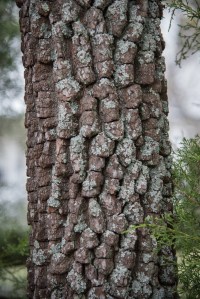
20150926-_DSC0002

Those fruits would be a nuisance in a lawn or near a patio.  Fortunately my tree is streetside. After thoroughly washing a few fallen fruit and gingerly tasting them, I decided not to let them go to waste.  A length of deer netting, some garden stakes, and a few cable ties later, I’m catching one to two dozen a day. The pulp seems to freeze well.
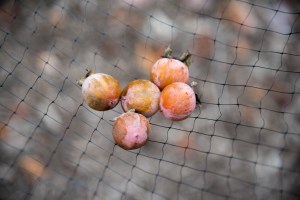
20150926-_DSC0007

Common persimmon is a medium-sized tree, usually growing 30 to 60 feet tall in the wild, and larger in the landscape if properly maintained.  Its native range, per the USFS, is from southeastern Pennsylvania south into Florida, and westward to east Texas and Kansas.  USDA lists it further north, into New York (threatened) and Connecticut (special concern).

The wood is very strong and close-grained, making it valuable for golf clubs, among other things.  Also it has an extremely high BTU value, so if you know of one being removed for some reason, collect the wood! And rent a hydraulic splitter.