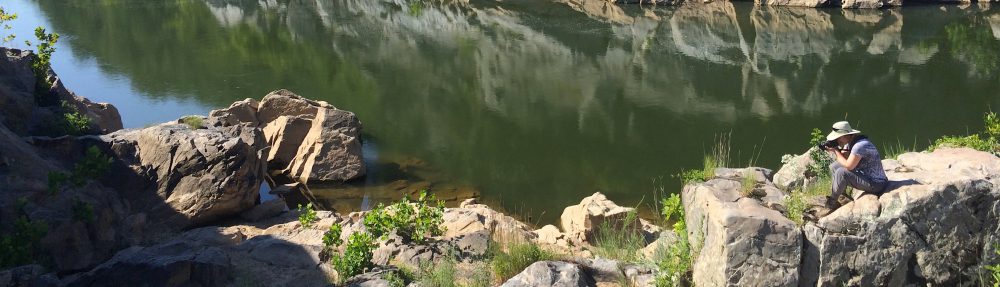

 One of my favorite places in C&O Canal NHP is the area known as Widewater, the part of the canal that lies between the Gold Mine Tract and Bear Island/Billy Goat A Trail. It’s incredibly peaceful and beautiful, with nifty rock formations and a wonderful variety of plants.
 I grew up in Montgomery County, went to Great Falls often as a child, made my way there whenever I could as a teenager, always found time to hike there when back from college on short breaks… and I don’t know how many times in the past 9 years, since I started seriously hunting for wildflowers, I’ve been on that stretch of the canal. Close to a hundred, maybe? And yet it wasn’t until last year that I saw red columbine (Aquilegia canadensis) there, blooming right under my nose on the banks of the canal.
 Red Columbine is by far the most widespread of the twenty-two Aquilegia species native to the US and Canada, and the only one found east of the Mississippi River. Its range includes New England, the mid-Atlantic, the upper South, the Midwest, and parts of the prairie states. The plants like moist, rocky outcroppings or slopes in woodlands, or more open areas if they get enough water. Obviously they love the combination of shade and water they get from growing on the steep southern bank of the canal at Widewater.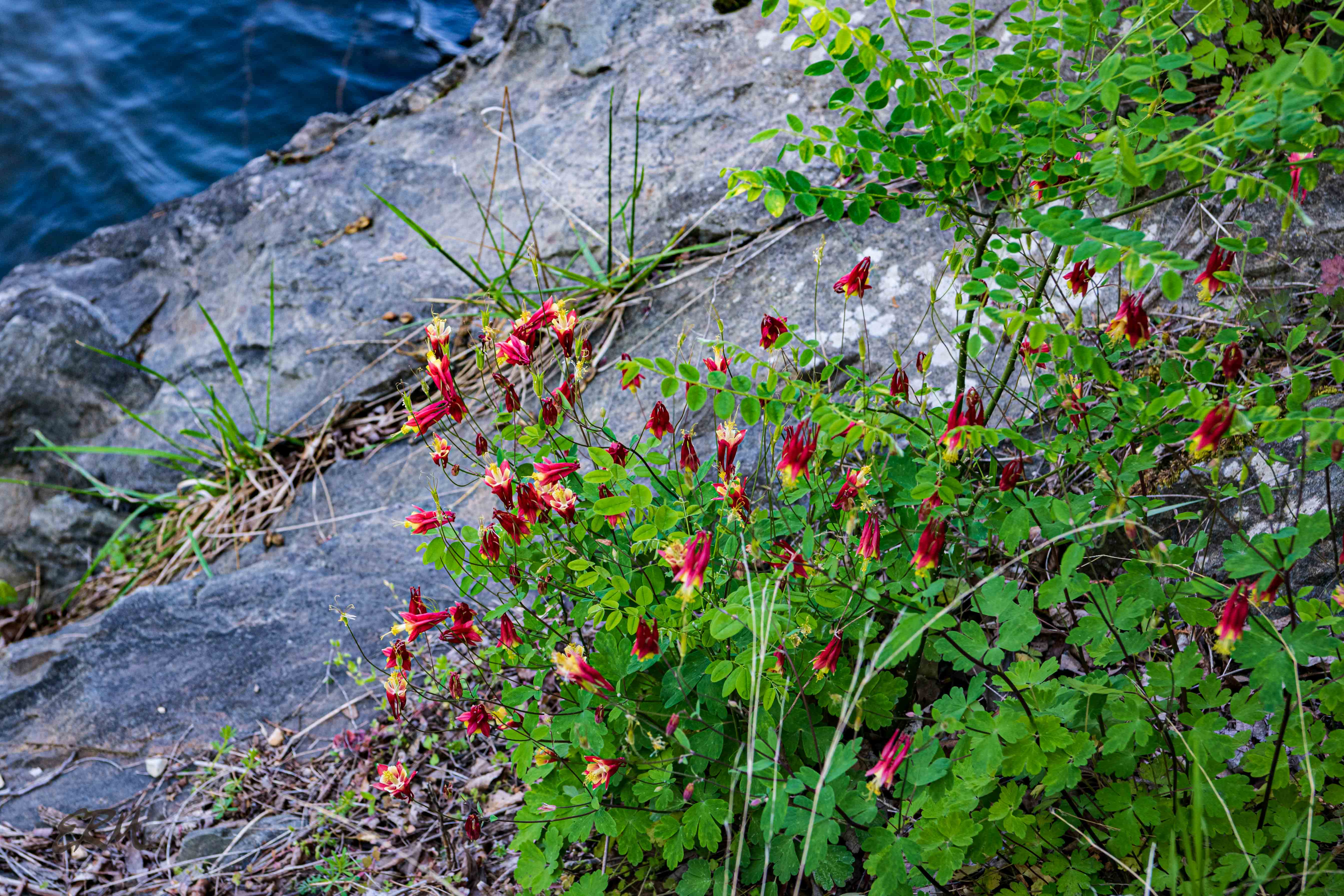
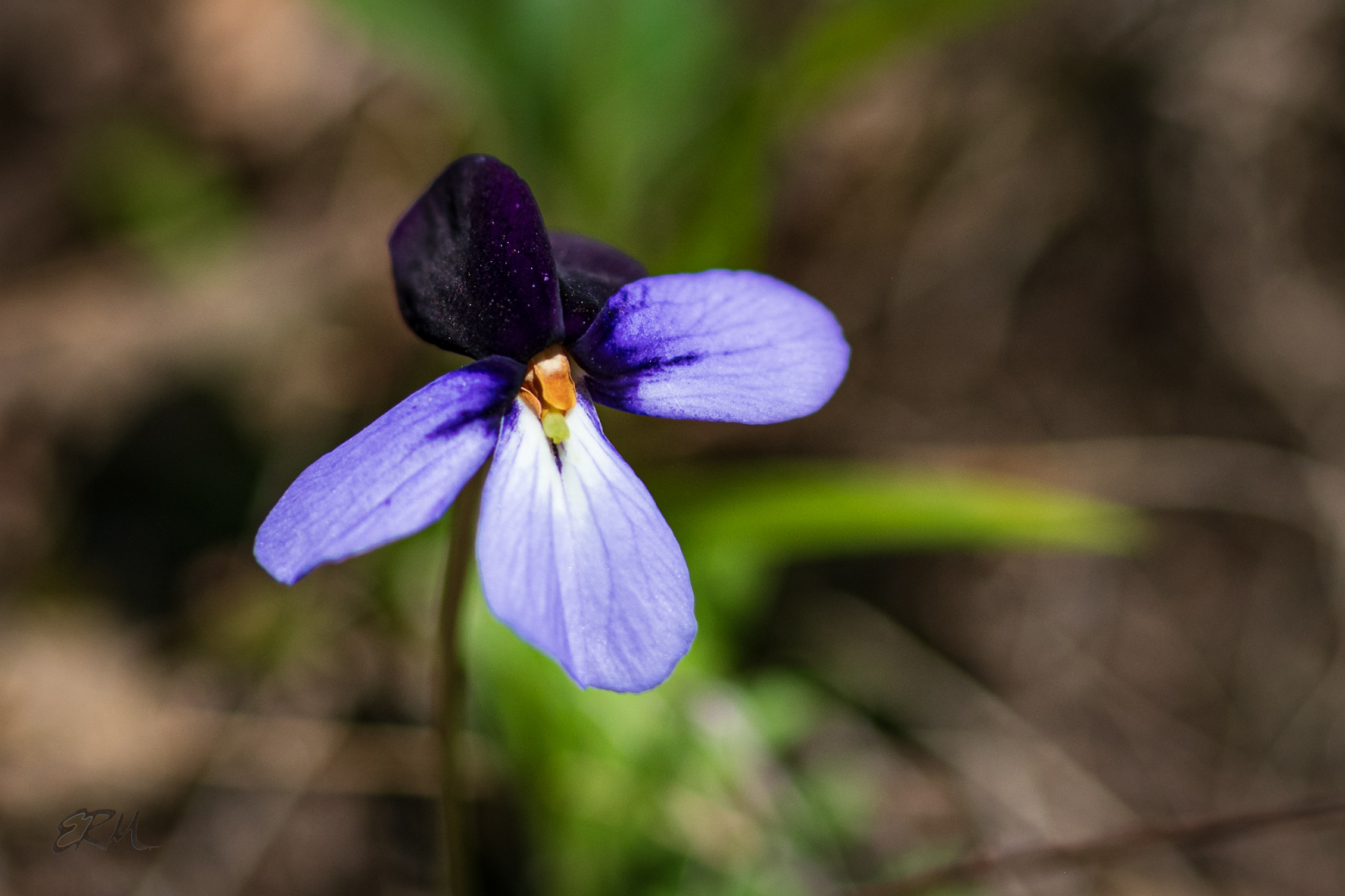
 Aquilegia canadensis is in the Ranunculaceae, a family that includes many of our beloved native flowers (anemone, hepatica, meadow rue), and one spectacular flower that I saw in the wild for the first time last Friday. It’ll be the subject of my next post – come back soon!






 Elizabeth's Wildflower Blog