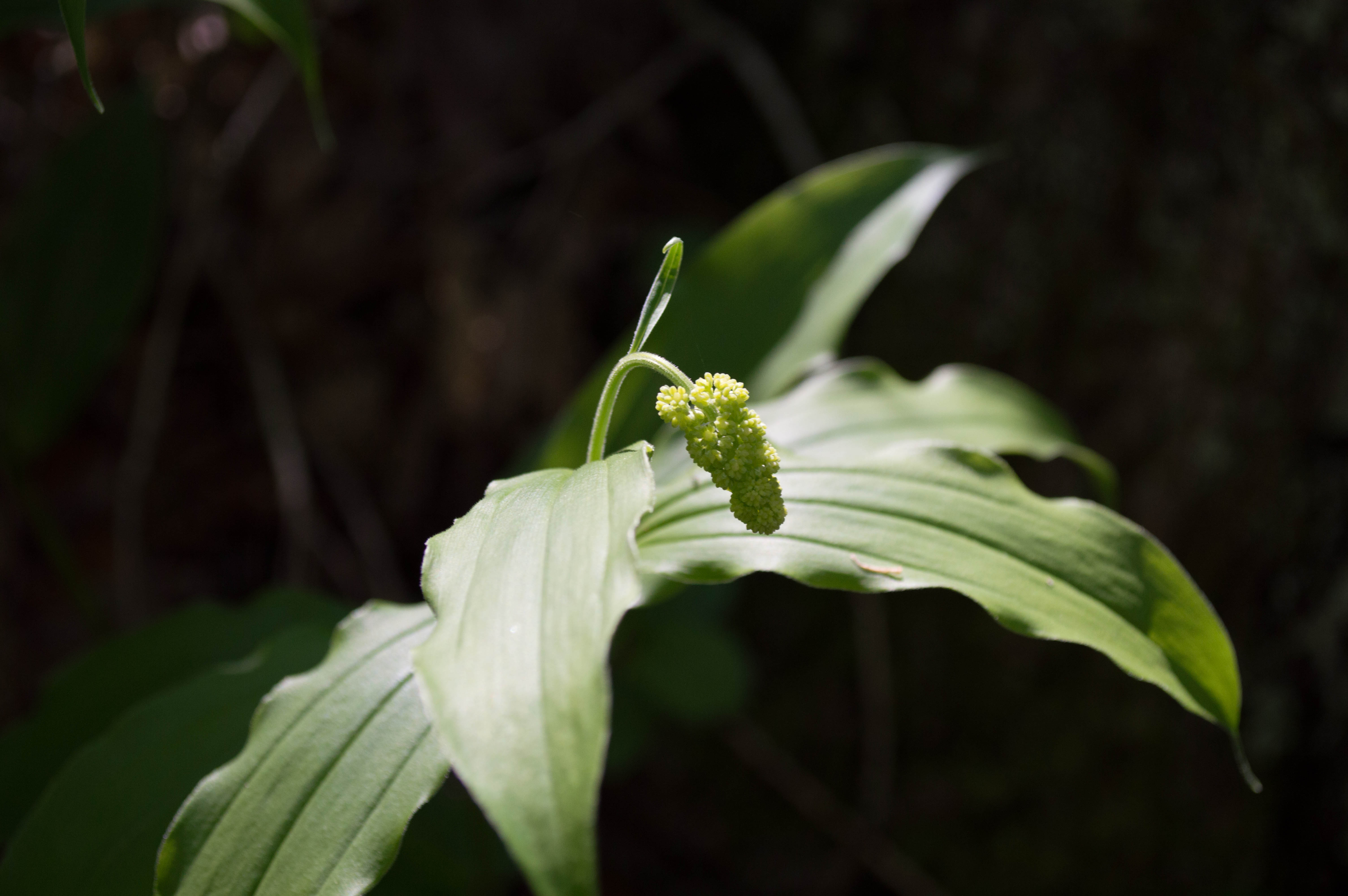
Flower of the Day: Long-tube Valerian

aka Large-Flower Valerian

Valeriana pauciflora; Valerianaceae (valerian family)

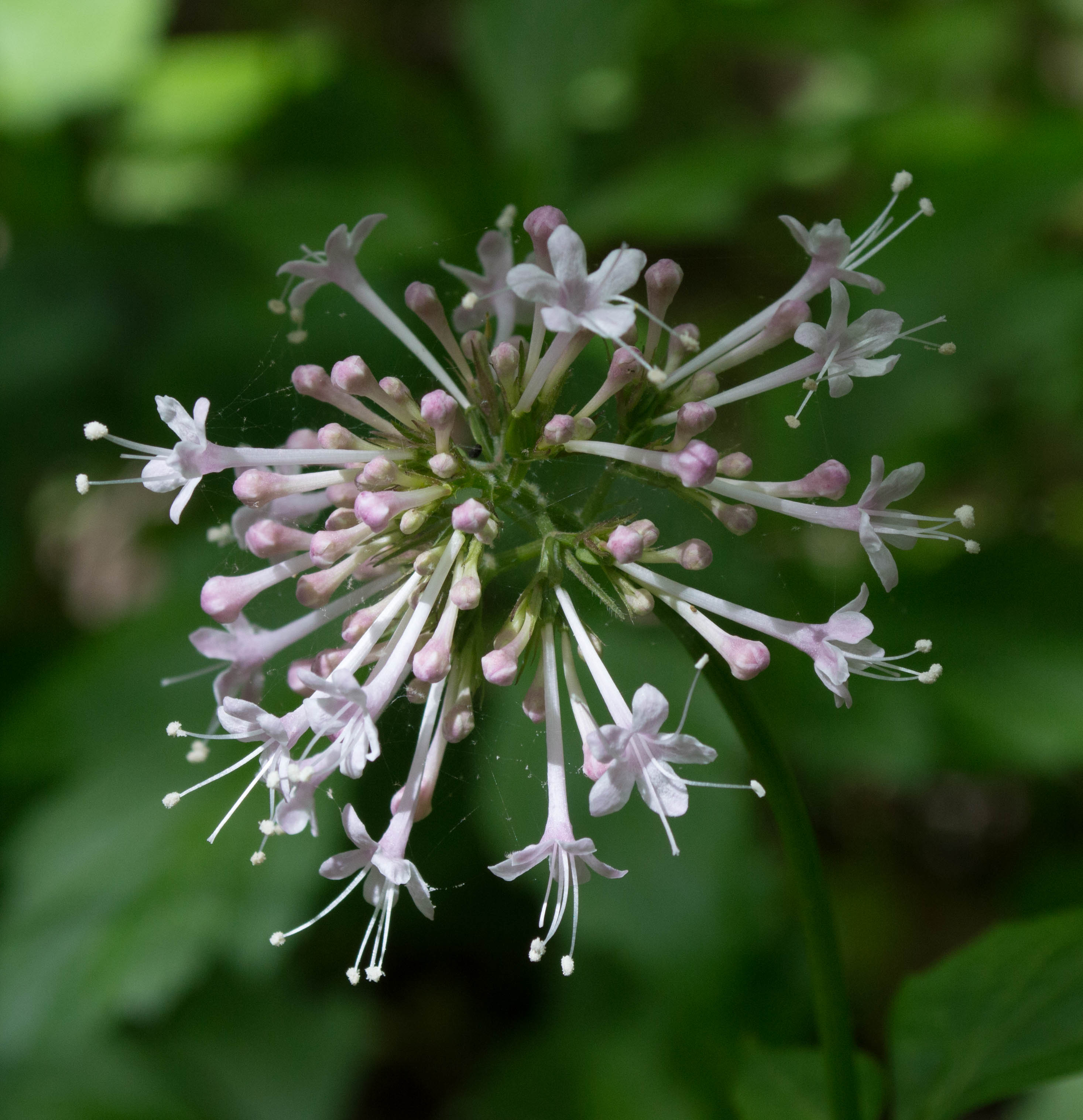
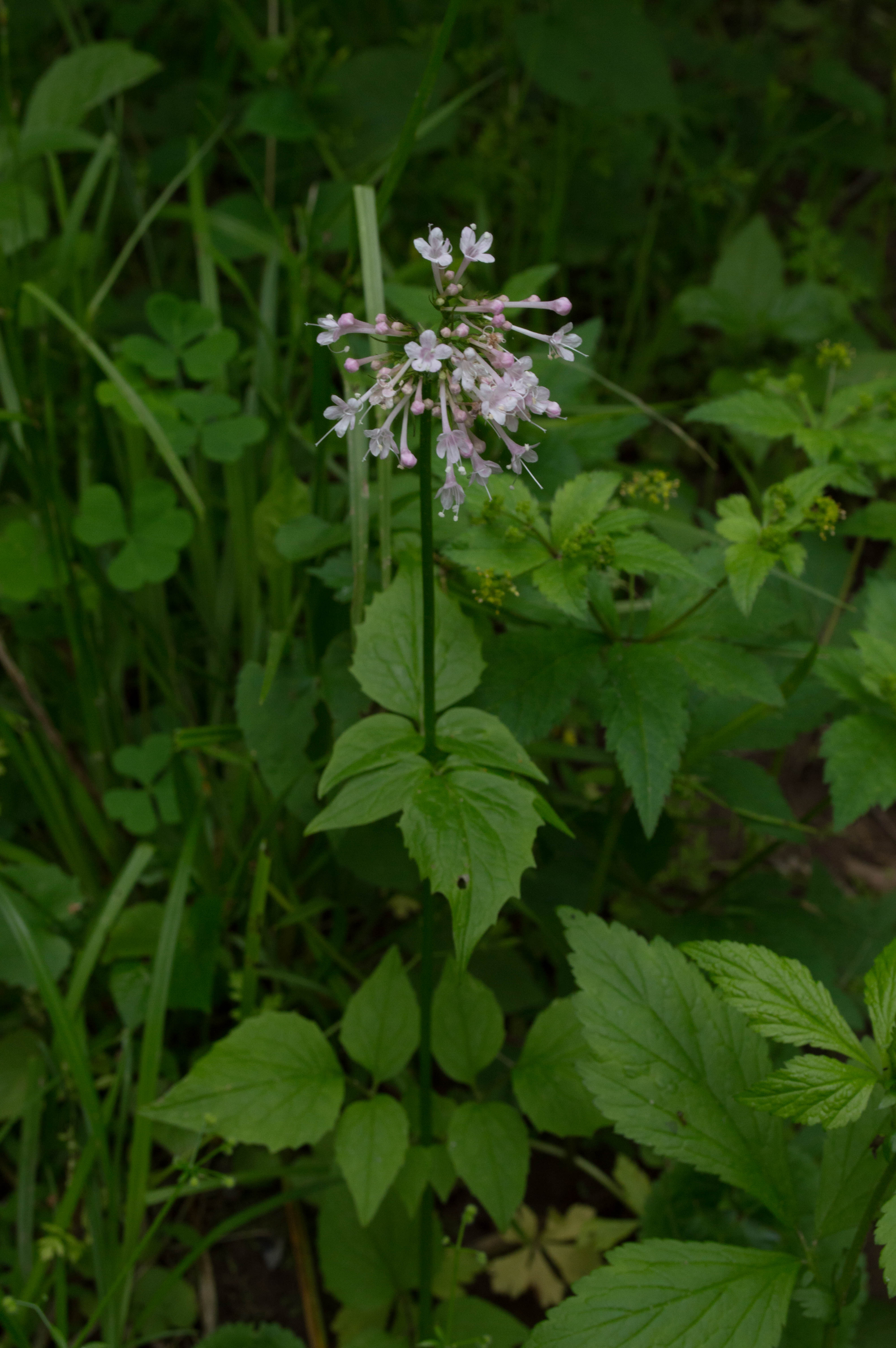
Listed as threatened in the state of Maryland.  Yesterday I found a third healthy stand in the greater Carderock area.  One of the things I like about this plant is that each pair of opposite, compound leaves is oriented on the stem 90 degrees away from the next pair.  And the flowers are lovely, too.


long-tube valerian closeup long-tube valerian leaf arrangement

A Lesson Learned

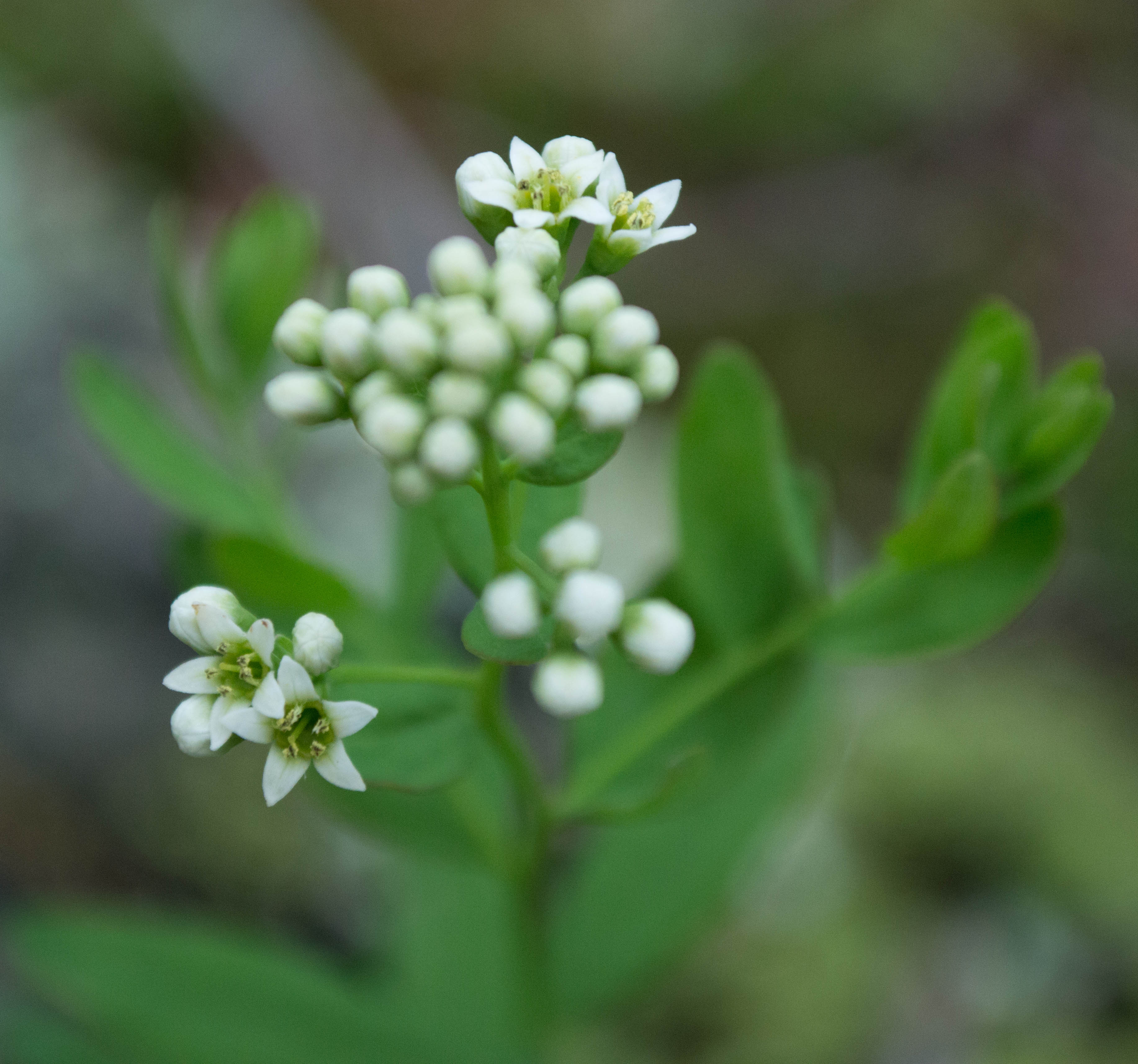
The picture of perfoliate bellwort posted on May 5 was a snapshot taken with the 35mm lens.  I was hiking with a group and didn’t want to be one of those annoying people who hold the group up while taking forever to set up the camera.  I took a few quick pictures and noted the location so I could come back later and take my time with it.

Well.  Two days later, the plant was nowhere to be found.  The day after that, I spent half an hour combing a very small area.  Nothing.

To make it even more annoying, the group leader said that she had seen sessile bellwort (a different species), though she agreed that my pictures were of perfoliate bellwort.  Damnit damnit damnit, opportunity lost.

Then I was hiking a different trail and saw three plants that I had never seen in the wild before: wood poppy, wood anemone, and dwarf ginseng.  I was with Steve, so I snapped just a few quick pictures and noted the location.  Two days later, I found one of the plants, but not the other two.  Damnit…  The pictures are enough to prove I saw the plants, but not good.

Always take the camera.  Always take the time to get a few good pictures, no matter what.  Catching a plant in bloom is a matter of timing.  The window is open for only a few days, and the window can move around by two or three weeks, especially in early spring.

Flowers of the Day: Phacelias. What’s in a Name?

aka scorpionweeds.  Phacelia species; Hydrophyllaceae (waterleaf family)

Taxonomy fascinates me.  We don’t seem able to understand a thing until we put a name on it.  When you’re a hobbyist without a background in botany, taxonomy becomes challenging, and it isn’t made easier by the fact that the experts keep changing their minds – and the names of things.

Take buttercup scorpionweed, for example:

Coville's phacelia

Weedy looking thing, isn’t it?  I knew the name but little else, so it was in the back of my mind when I discovered this plant.  One of my books had an identical plant listed as oceanblue phacelia (P. ranunculacea), but did not show that plant in this area.  Well, plant populations move over time, so this could be it… right?

Then while hiking with a Maryland Native Plant Society group I learned that it’s called Coville’s phacelia (P. covillei), and is common in some parts of the mid-Atlantic.  Huh.  So I looked it up in Finding Wildflowers in the Washington-Baltimore area, which people in MNPS consider a bible of sorts.  And guess what?  The same plant there is called Coville’s phacelia – P. ranunculacea.

Whatever.  A scorpionweed by any other name is globally rare and pretty neat to find.  Here’s an extreme closeup.  The flower is about 1/16″ across:

Coville's phacelia extreme closeup

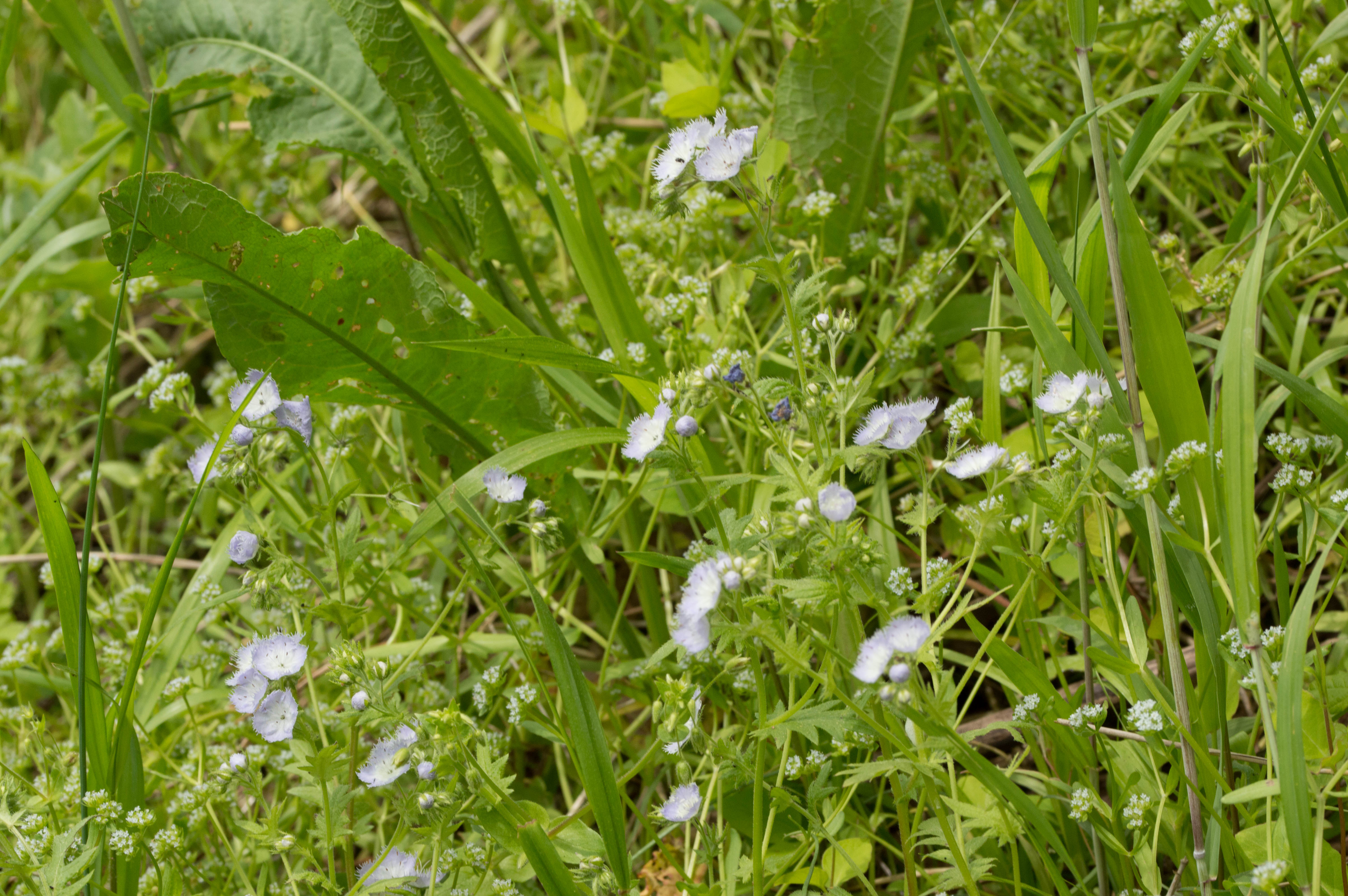
The other species readily found in this area is fringed phacelia, aka Miami mist (P. purshii):
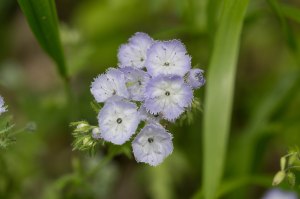
fringed phacelia closeup fringed phacelias

Big thanks to my friend Linda for giving me Finding Wildflowers. The fact that I had a hardbound first edition impressed the MNPS people, but more importantly, it’s a really neat book.