A Few Statistics

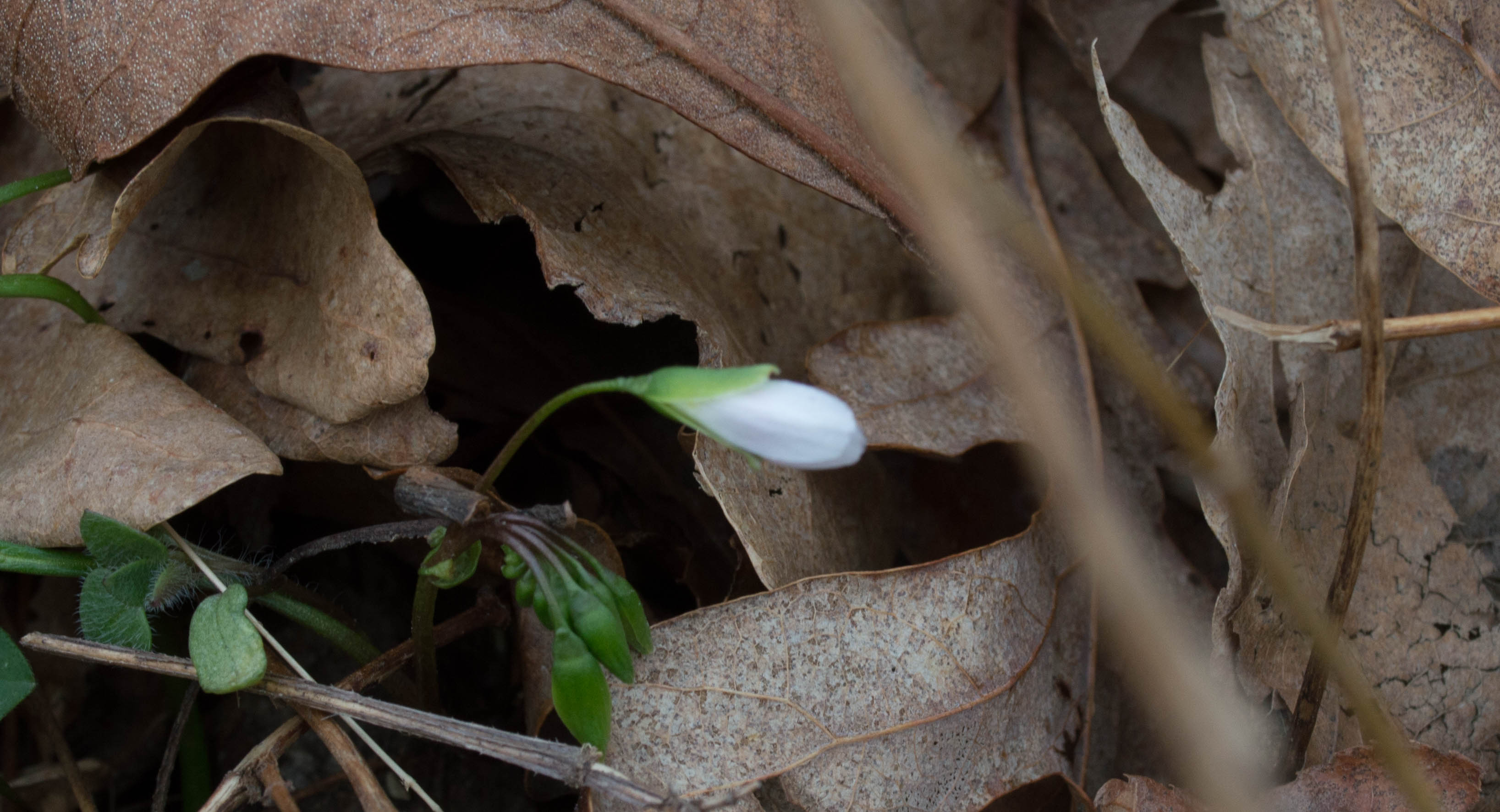
So far in 2014, since the first spring beauty lifted its little head  20140312-DSC_0187 above the leaf litter (March 12),

I’ve identified 220 plants in bloom,

54 of which are aliens (usually invasive),

which is 25% of the total;

166 species of natives were found in 63 families;

the aliens were found in 26 families,

and 5 of those families had zero native plants in them.

Oh, and I didn’t log dandelions and white clover.

One out of every four plants an alien.  That’s sobering.

Flower of the Day: Narrow-Leaved Mountain Mint

Pycnanthmum tenuifolium; Lamiaceae (mint family)
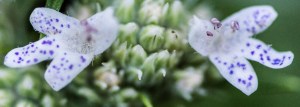
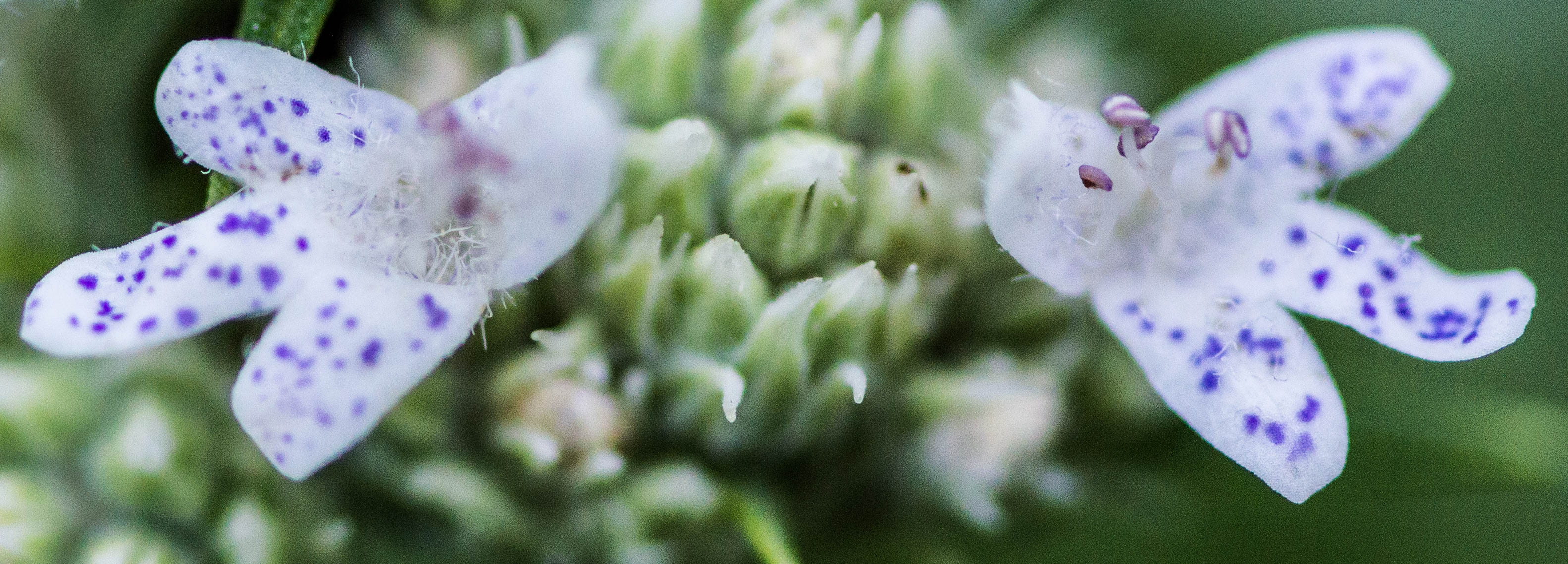
20140624-DSC_0203

I’d been keeping my eye on this plant for weeks, watching the buds develop. When I finally saw a few of the flowers open, I set up the tripod and spent at least half an hour trying to get good pictures.  The plants were in the open, but on a partly cloudy day with a fair breeze.  As soon as I thought I had the camera set up for the light, the breeze would set the plants moving.  And whenever the breeze stopped, the light had changed.

So I went back seven days later, expecting the plants to be in full bloom.  And guess what I found: nothing.  Nothing except a lot of dead plants, because some overly enthusiastic trail maintenance people had come along and mowed the whole patch down (there were other native plants there, too).  And it wasn’t necessary.  This was along a rocky bluff, and the plants were on a ledge a few feet off the trail proper.  This area, with a huge diversity of plants, has been subjected to multiple floods this year, and it shows: there are fewer plants, and those that survived are stunted or in poor condition, and some have been missing altogether.  And now this happens.

I’m just livid.  This is the only stand of narrow-leaved mountain mint I’ve ever seen, and now it is utterly gone.  Thankfully it’s a perennial, so it should be back next year.

The flowers you see in the picture above are so tiny that the purple dots are invisible to the naked eye.  Here’s a picture of several flower clusters, each of which is about fingernail sized:

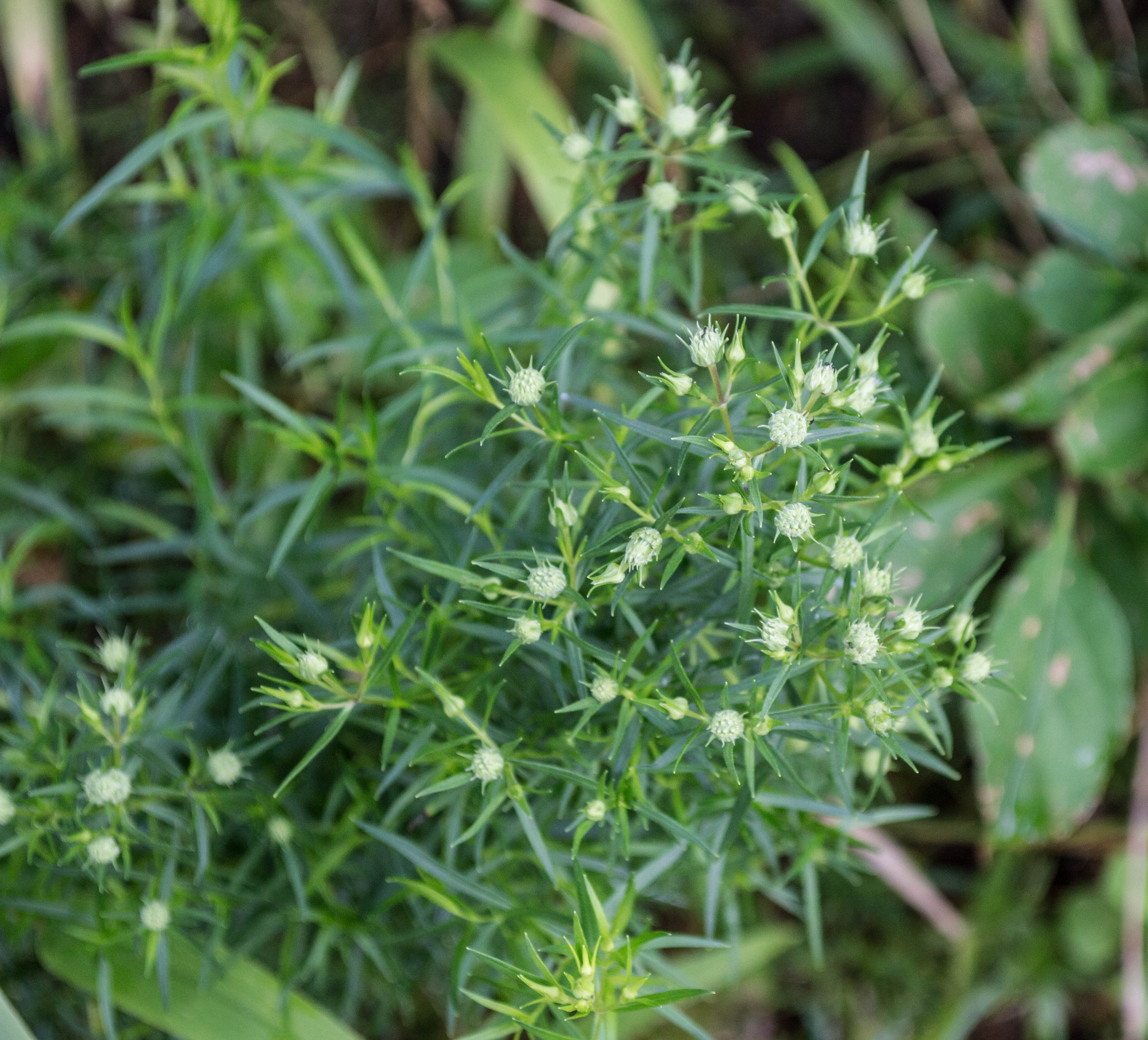
20140624-DSC_0186

The abundant, dark green linear leaves give the plant a fine-textured appearance:

20140613-DSC_0166-1It would be a lovely addition to a native plant garden.

Pycnanthemum species can be found throughout the eastern US and Canada; seven species occur in Maryland.  I have my eye on another one in bud.  It might be hoary mountain mint.

 

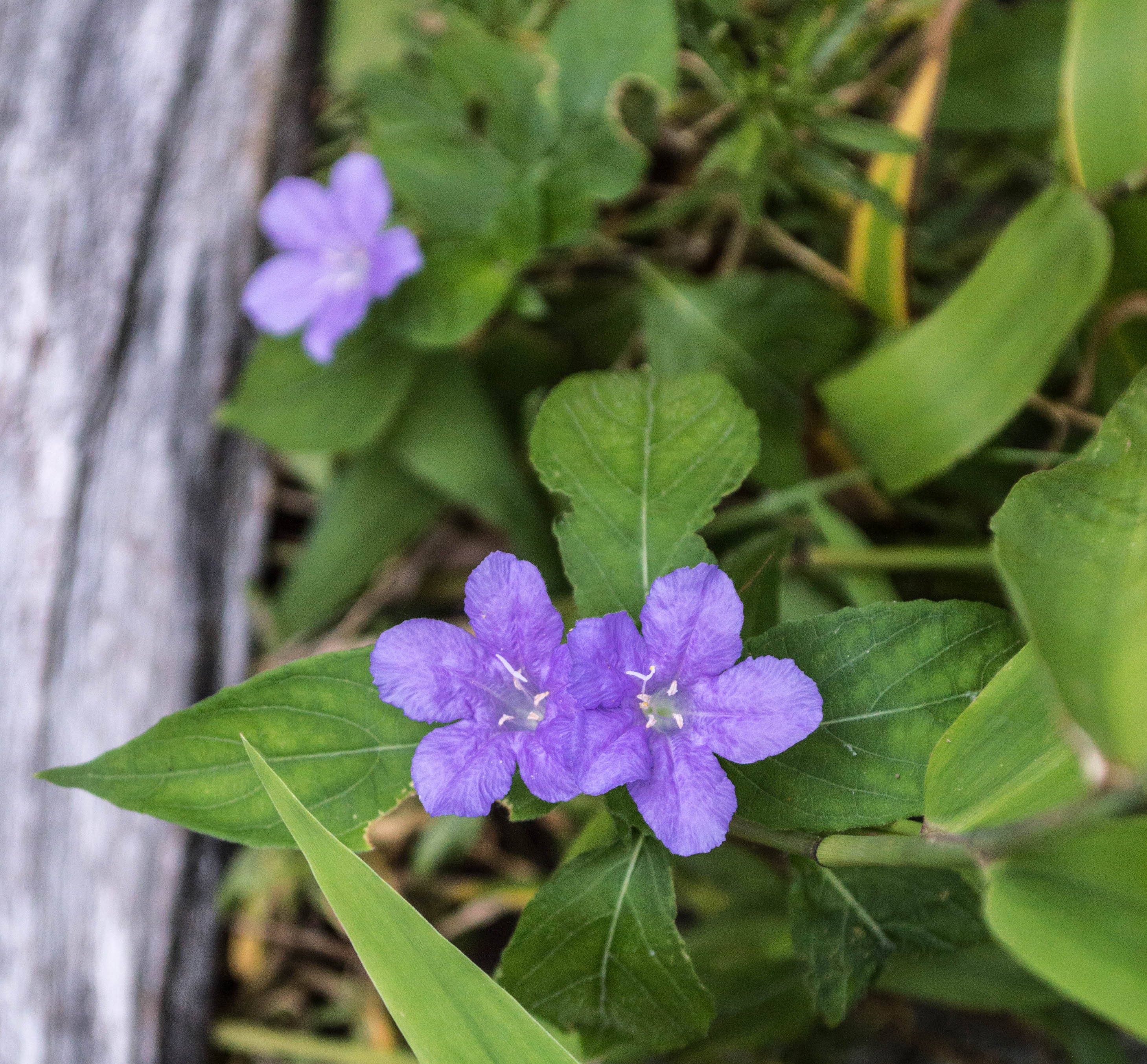
Flower of the Day: Carolina Wild Petunia

aka Hairy Ruellia; Ruellia caroliniensis; Acanthaceae (acanthus family)

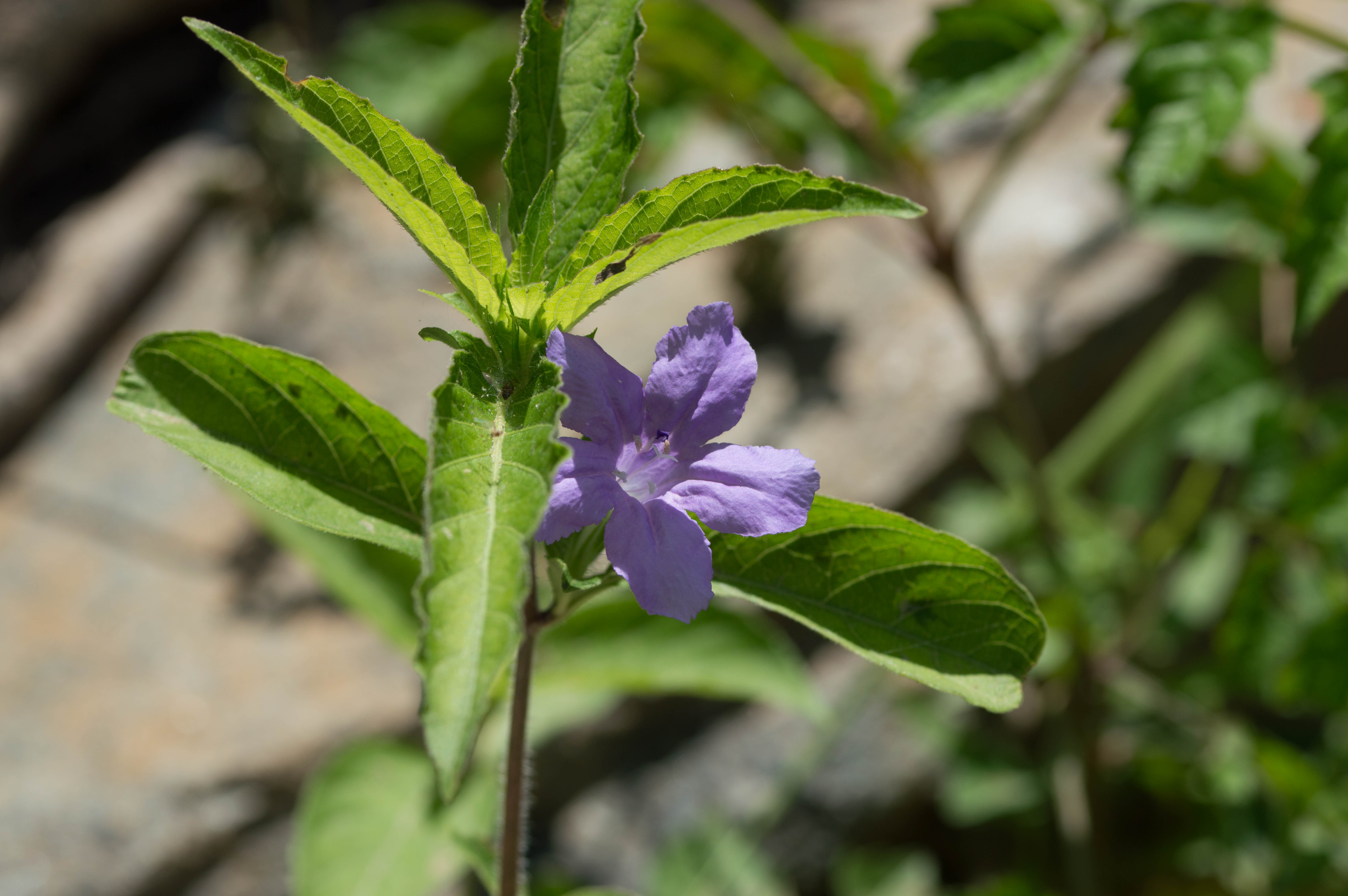
20140624-DSC_0218

This plant grows about a foot or two tall, and likes dry soils and a little shade. I’ve yet to find a really good specimen, as they’re all just off narrow part of the trail that sees a lot of foot traffic and, this year, flooding.  Not to mention over-enthusiastic trail maintenance personnel, which I’ll rant about tomorrow.

20140702-DSC_0094

Click on this picture to enlarge, so you can see the lovely details in the petals:

20140702-DSC_0098

Carolina wild petunia is endangered in New Jersey and extirpated in Pennsylvania.


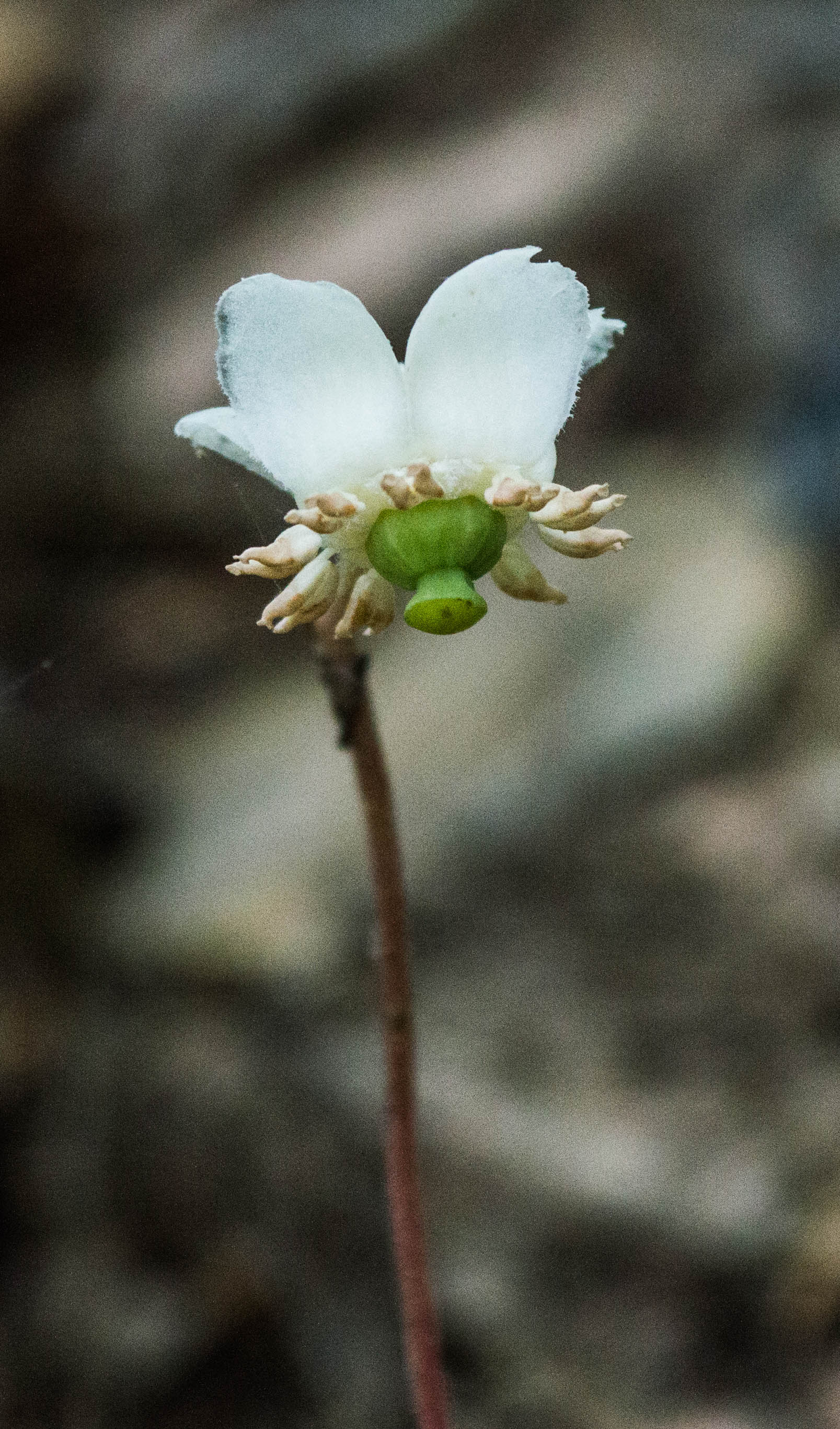
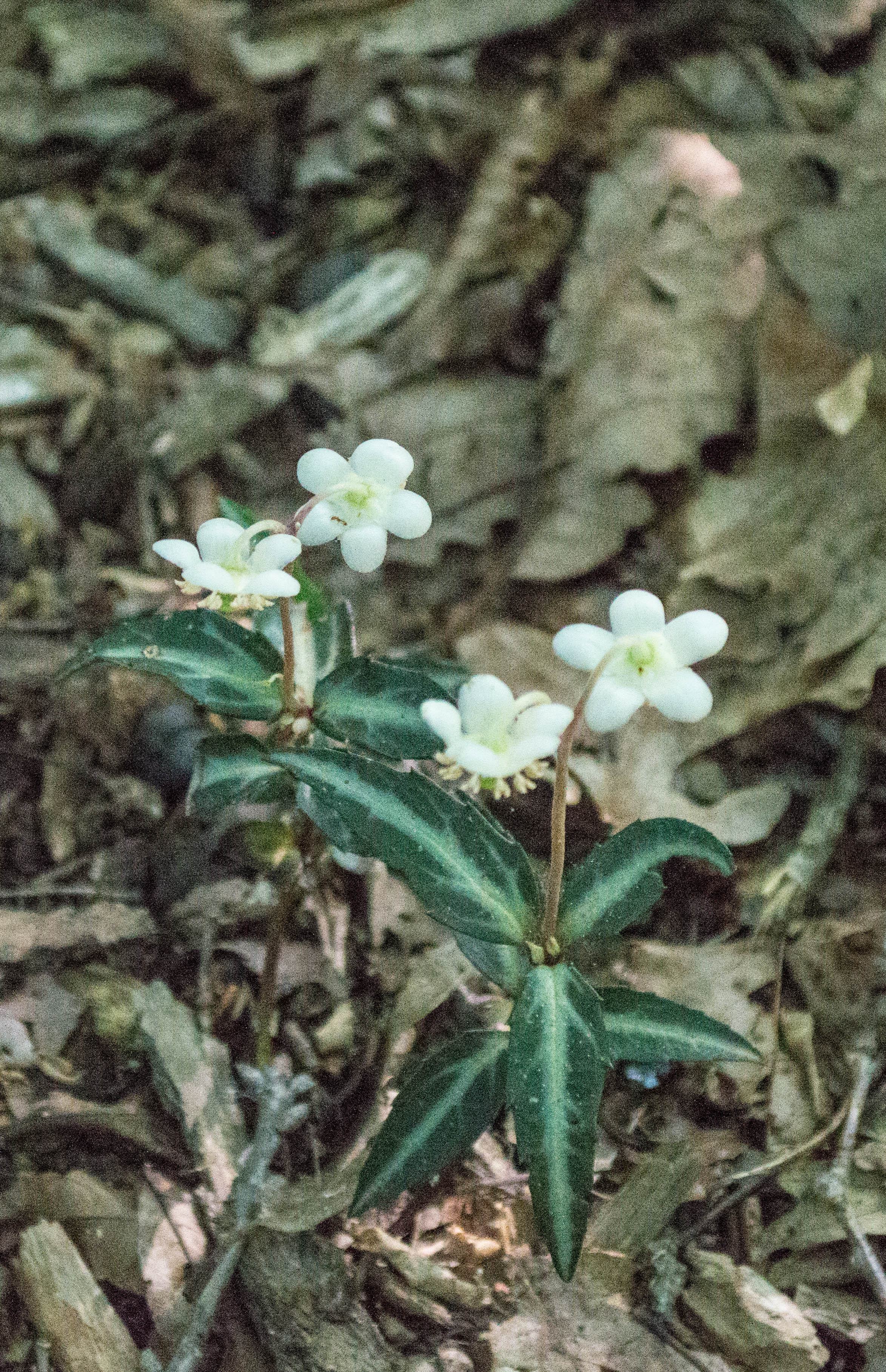
Flower of the Day: Spotted Wintergreen

aka striped prince’s pine; Chimaphila maculata; Pyrolaceae (shinleaf family; some authorities place it in the Ericaceae (heath family))

20140618-DSC_0099

This low-growing (only a few inches tall) evergreen plant likes the shade of deep woods.  The flowers most often appear in pairs, though there can also be one or three flowers together.  It’s found in eastern North America from Florida through Quebec, but is endangered in much of Canada, Maine, and Illinois, and is classed as exploitably vulnerable in New York.

20140618-DSC_0105 20140624-DSC_0040

Flower of the Day: Common Jewelweed

aka spotted touch-me-not, orange touch-me-not, orange jewelweed; Impatiens capensis; Balsaminaceae (touch-me-not family)

20140614-DSC_0144

This easily-found annual plant grows 2-5′ tall, with flowers borne in small clusters in the upper leaf axils.  It likes the wet soils along stream banks, and can be found over most of the US and Canada except the desert southwest, Montana, and Wyoming.  In this area, you can also find the less common pale touch-me-not, I. pallida, along the C&O canal in DC (where I saw it last year).

20140614-DSC_0145

The touch-me-nots are closely related to the very popular bedding plant called impatiens that you find just about any place that sells plants.  This native species attracts ruby-throated hummingbirds, and is an especially important food source for bumblebees.  Supposedly the sap has anti-fungal properties, and can relieve itching from poison ivy as well.

Supposedly the common name “touch-me-not” comes from the fact that the ripe seed pods explode and fling seeds everywhere at the slightest touch.