Flower of the Day: Common Evening Primrose

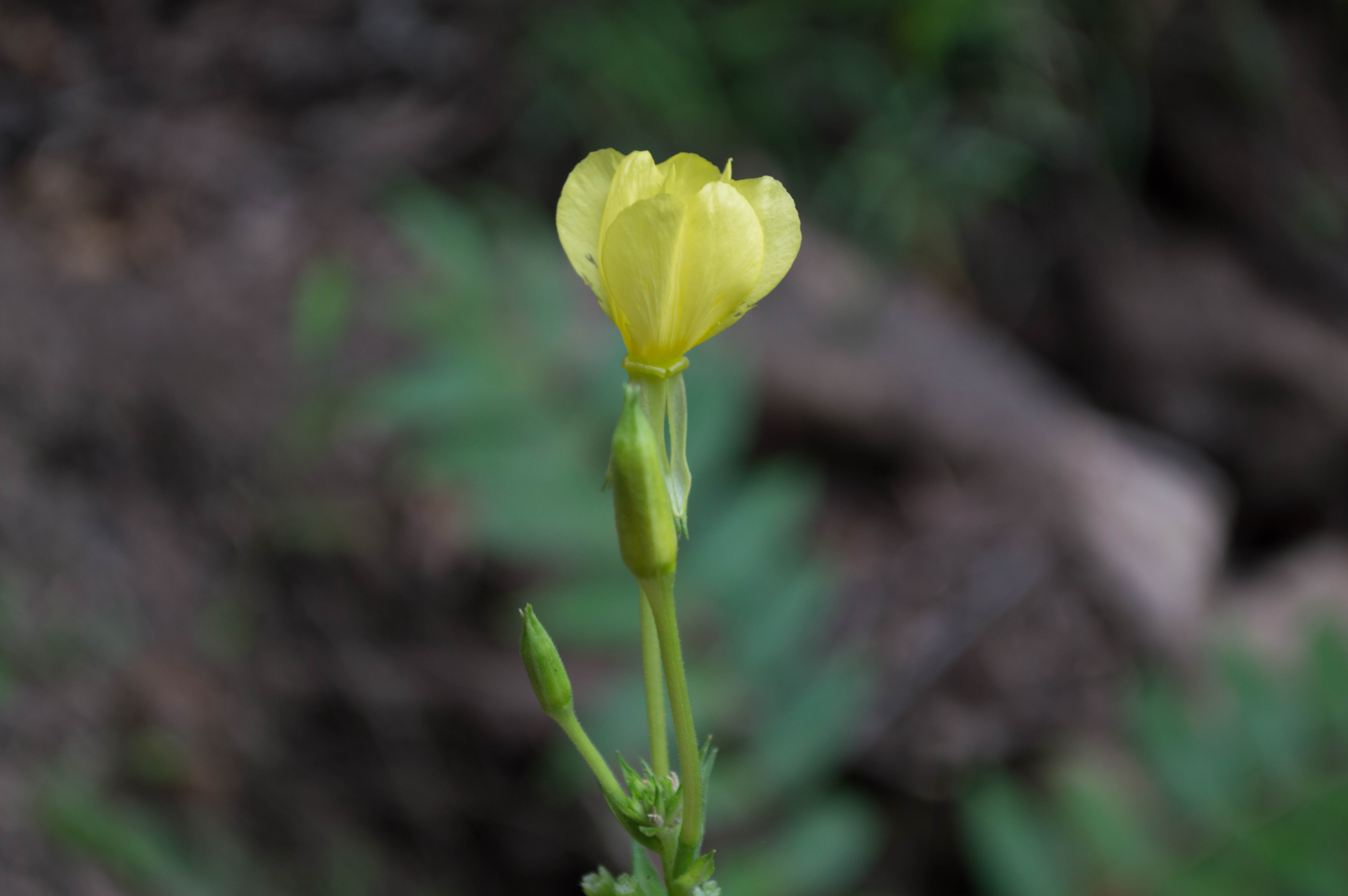
Oenothera biennis; Onagraceae (evening primrose family)

20140811-DSC_0156

Sixty six species of Oenothera are found across the US, all but five of which are native. This one is the most widespread; it can be found everywhere except the arid West.  Some authorities list it as a problematic weed.

20140818-DSC_0046

The plant can grow to six feet tall, though three feet is more typical.  Flowers open in the evening and close in the morning, though they may stay open longer if the skies are overcast.  I found this plant mid-morning on one of those weedy low rocky bluffs that jut into the river. Those areas are often covered in poison ivy and alien invasives, but I almost always find something really interesting there, too.

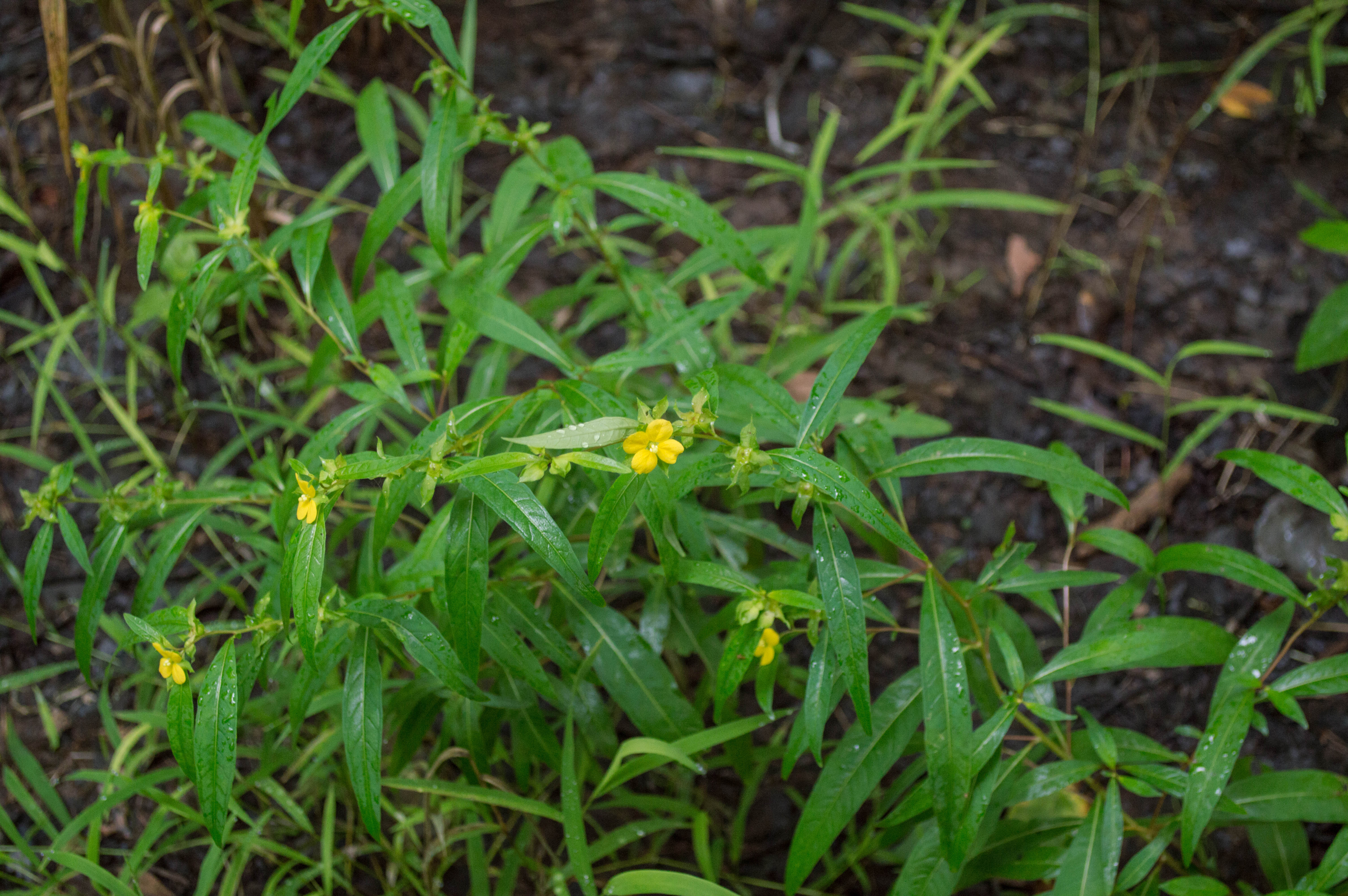
Enchanter’s nightshade (fotd 6/23) is another plant in the evening primrose family.  So is this weedy looking thing:

 20140806-DSC_0002

That’s seedbox (Ludwigia alternifolia).

Flower of the Day: Purple-Headed Sneezeweed

Helenium nudiflorum (aka H. flexuosum); Asteraceae (aster family)

20140811-DSC_0118

There’s not much to say about this plant.  It’s found Maine through Texas and parts of the upper Midwest, grows to three feet tall, and has flowers 2 inches across.  It likes wet areas, like riverbanks.  Looks a little like a coneflower, except that each ray flower has three lobes.

I just really like how this picture came out.  I saw a single plant on August 11 and haven’t seen any since.  So glad I took the time to get some nice photos.

Flowers of the Day: Grassleaf Mudplantain and False Pimpernel

grassleaf mudplantain, aka water stargrass; Heteranthera dubia; Pontederiaceae (pickerel-weed family): 20140811-DSC_0188

false pimpernel; Lindernia dubia; Scrophulariaceae (snapdragon family): 20140811-DSC_0183

And now for something a little different – a break from the aster family of plants.  In early August, wih typical almost-droughty conditions, the river was running low, exposing mudflats, so of course I went scrambling off the trail and over the rocks to see what I could see.  And what I saw were tiny little things that are usually hidden from view.

Both of these plants are very low-growing (only a few inches tall) and like really wet soils.  Actually, grassleaf mudplantain is considered an aquatic plant.  A few days later I found it growing in a semi-permanent water hole on a bluff about 30 feet above river level:

20140814-DSC_0169(Click on the picture to see the plants on the left side of the water.)

The specific epithet “dubia”, which these plants share, means “doubtful”.  Doubtful of what, though?  Perhaps it means that the plants are atypical of their genera, as in “it looks like Lindernia, but I’m doubtful.”

False pimpernel is found across the US, except in Montana, Wyoming, and Utah.  It’s an annual that grows 4-8″ tall; the flowers measure about 1/3″ across.  On other parts of the planet it is a real pest, posing a threat to rice fields in Asia and Europe.

20140811-DSC_0184

Grassleaf mudplantain is found everywhere in the US except Wyoming, Utah, and Nevada.  It’s of special concern in Kentucky, threatened in Maine, and endangered in New Hampshire.  The plants grow a few inches tall, with flowers a little less than an inch across. 20140814-DSC_0162


Bonus flower, to bring us back to the aster family: false daisy, Eclipta prostrata.  This was growing right alongside the other two on the muddy riverbank.
20140811-DSC_0200

Flower of the Day: Hairy Hawkweed

aka queendevil; Hieracium gronovii; Asteraceae (aster family)

20140811-DSC_0012

Unlike the big sunflowers and coneflowers I’ve posted about in the last several days, this little plant grows in the dry soils along the rocky bluffs well above the river.  Like its close relative rattlesnake weed (fotd 5/31), this composite flower is comprised only of rays.

The flowering stem of hairy hawkweed grows only one to three feet tall, and might show a few small leaves; otherwise the plant has only a very low basal rosette of leaves:

20140811-DSC_0015

It’s found from Quebec and Maine (or not; it’s listed as possibly extirpated in Maine) south through Texas and Florida, but not in Vermont and New Hampshire.

20140811-DSC_0019

By the way, I swear I did not re-use the picture from May 31! These two plants are in the same genus and the flowers are almost identical.  Indeed, when I first spotted this plant I thought I’d found an extremely late-blooming rattlesnake weed; I only realized it was something different when I looked at the basal rosette of leaves.


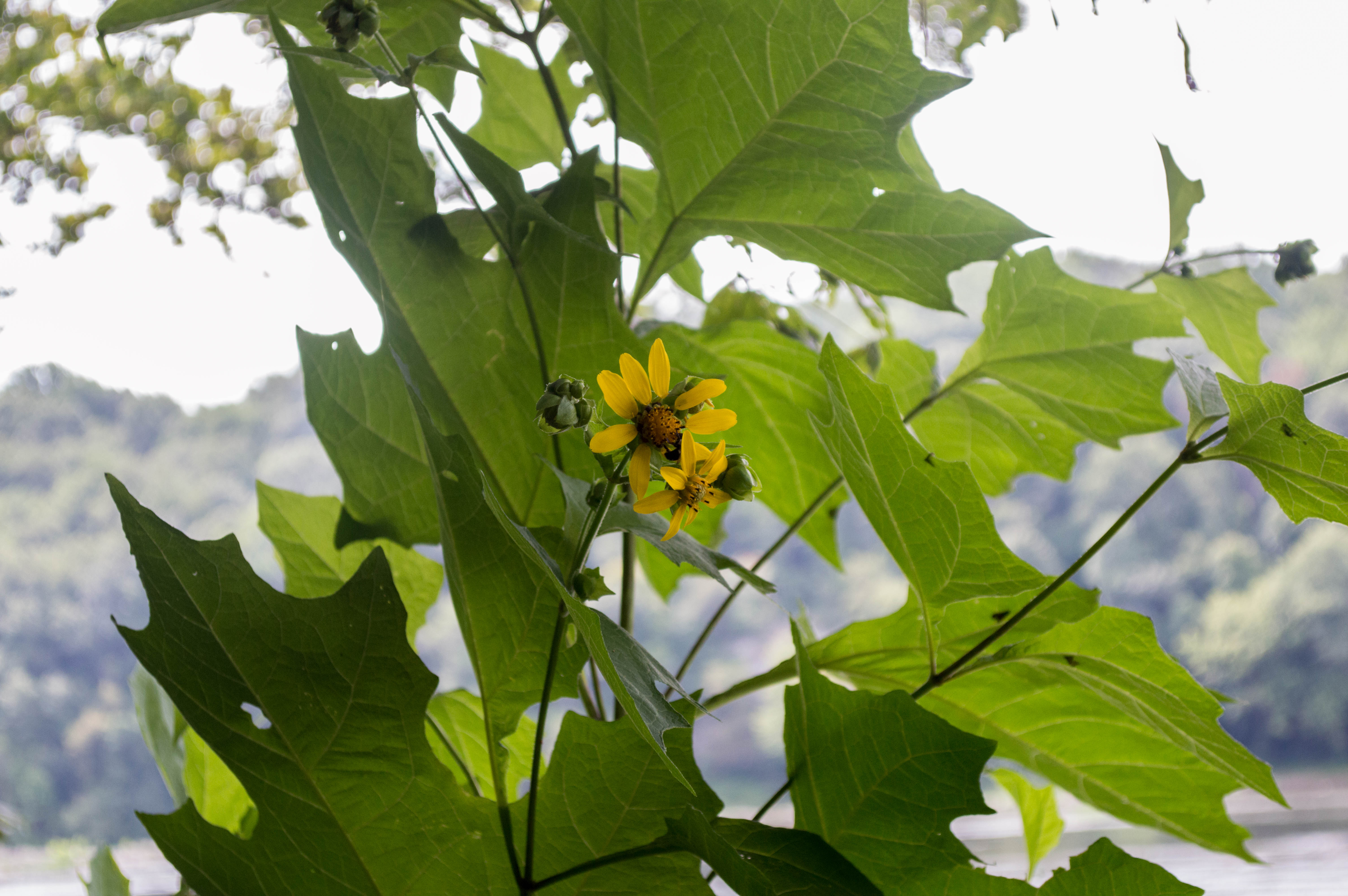
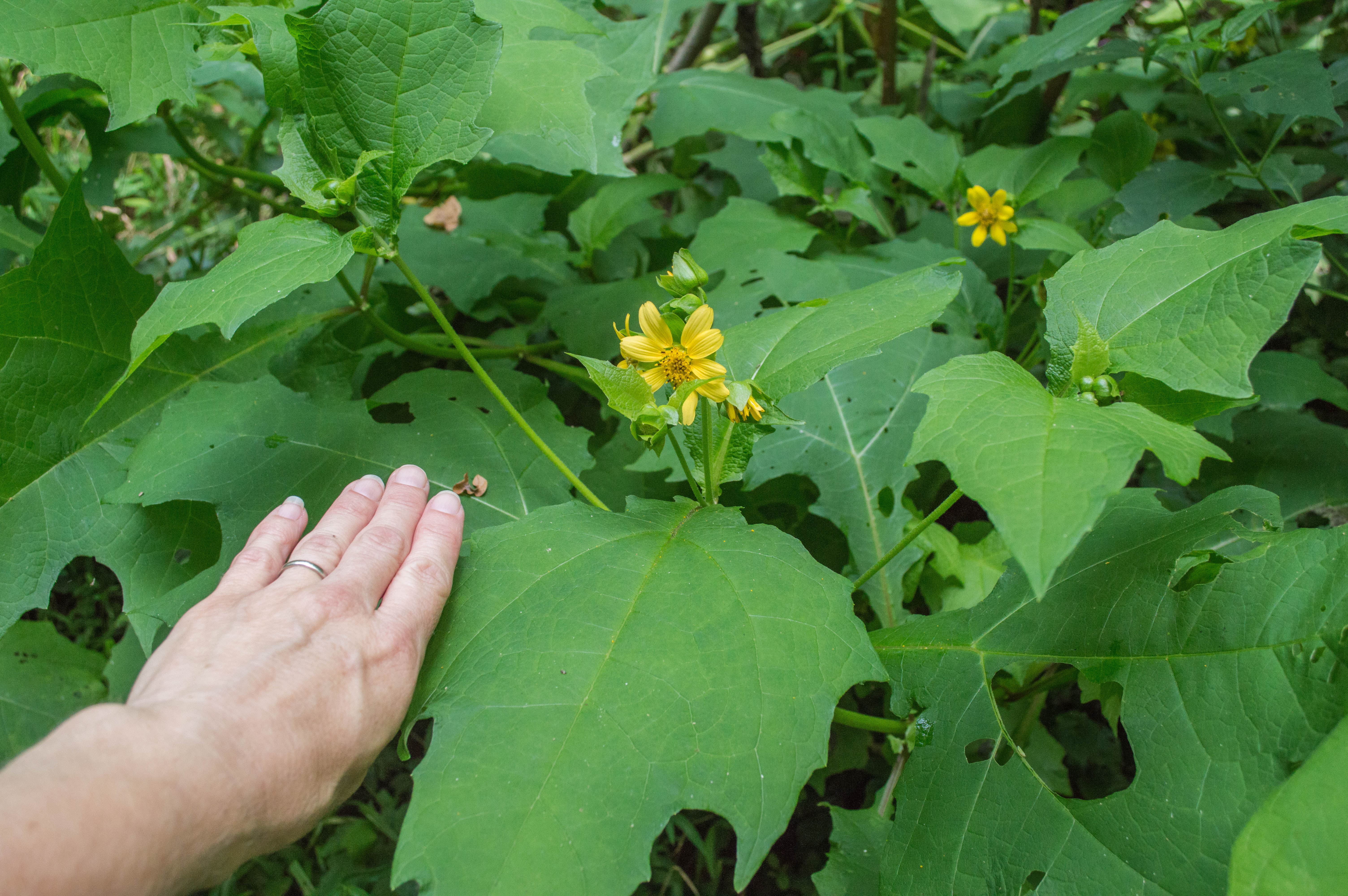
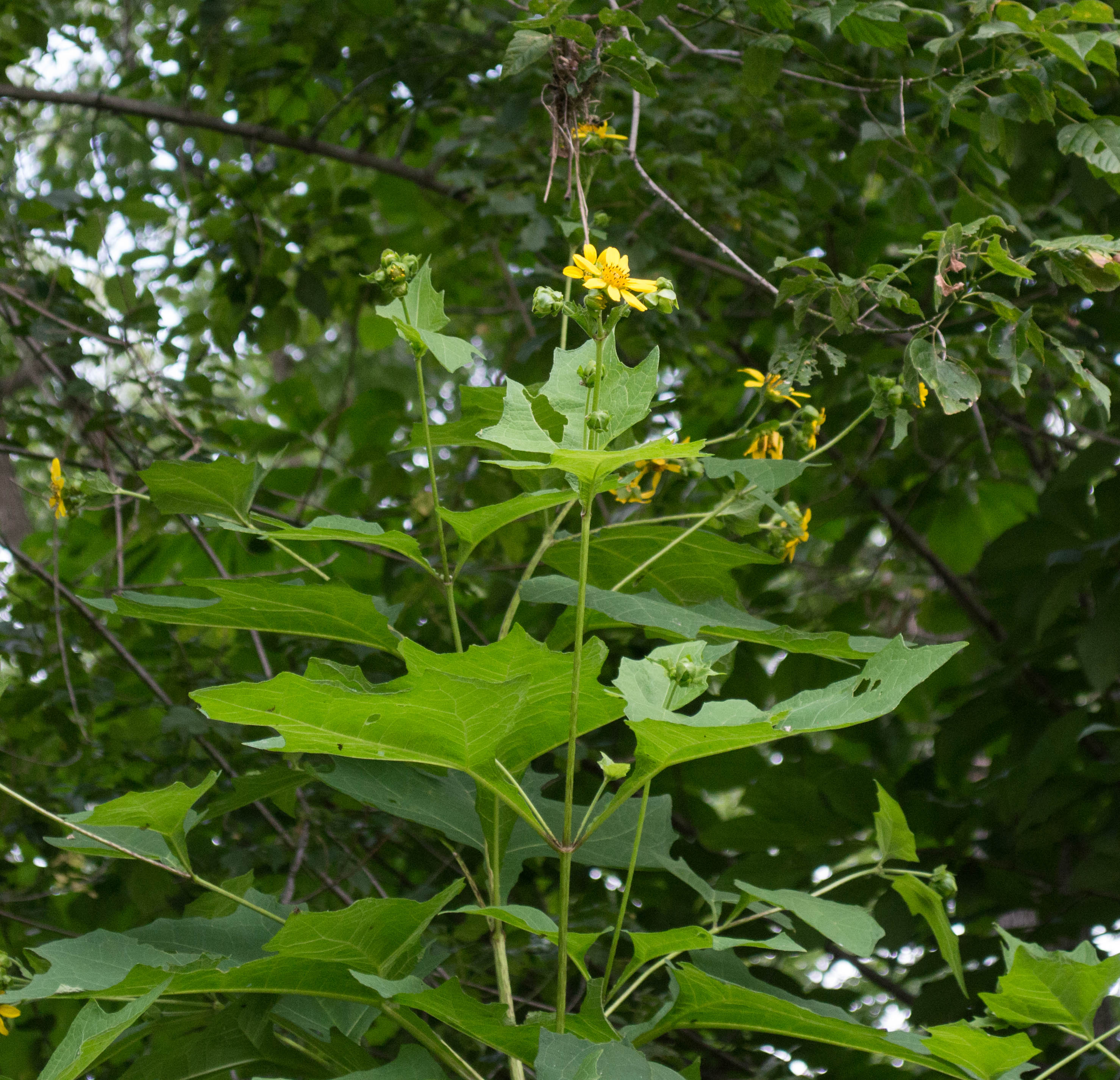
Flower of the Day: Large-Flowered Leafcup

Polymnia uvedalia (also known as Smallanthus uvedalius); Asteraceae (aster family)

20140811-DSC_0133

Yet another sunflower-type tall plant blooming along the river.  I find it interesting for the size and shape of the leaf, which can get to 12 inches long.  The plant itself can grow to ten feet, but the flower doesn’t exceed three inches.

20140811-DSC_0267


Large-flowered leafcup is found from New York (where it’s endangered) and Michigan (where it’s threatened) south through Florida and Texas.20140811-DSC_0152