Another One Missed

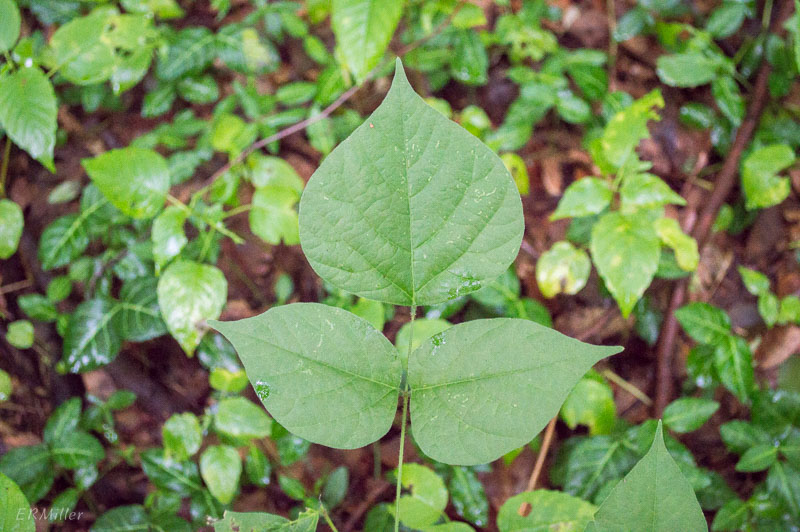
Last year I noticed a small stand of pointed-leaf tick trefoil (Desmodium glutinosum) among the lopseed stand along lower Cabin John Creek (a tributary of the Potomac).  The leaf is distinctive:

20150707-20150707-_DSC0005

What I didn’t see was the flowers.  When I went back a week or so later, there weren’t any flowers, but there were a few loments* dangling, tormenting me.

20140725-20140725-DSC_0279-2

This year when I went to photograph the lopseed, I saw the pointed-leaf tick trefoil again, and a single flower, damaged by rain and barely recognizable.  So I gave it a few days and went back.  Nothing.  No buds, no flowers, no loments.

I was amused, though, to read that both lopseed and pointed-leaf tick trefoil often grow and bloom together.

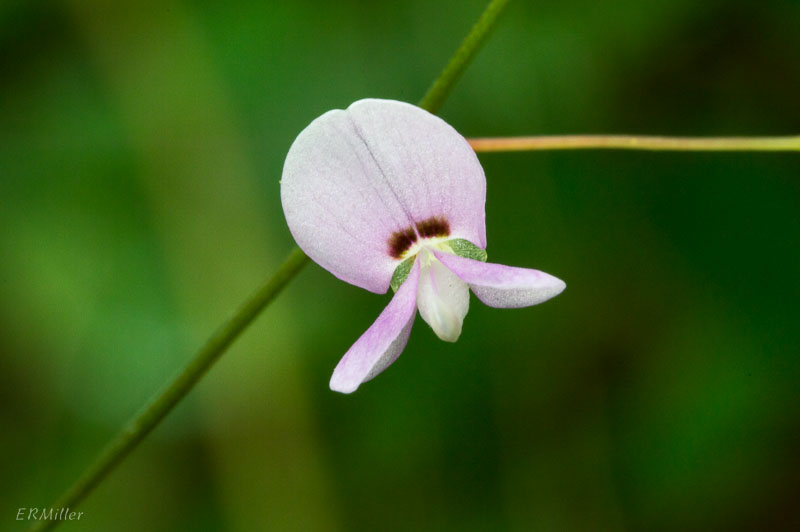
At any rate, here’s a picture of a single blossom of naked-flowered tick trefoil, a different species (Desmodium nudiflorum), but the flowers are almost identical.

20150709-20150709-_DSC0043


* a characteristic fruit of some plants in the Fabaceae


Garden Phlox, with Very Special Guest: A Bee Mimic!

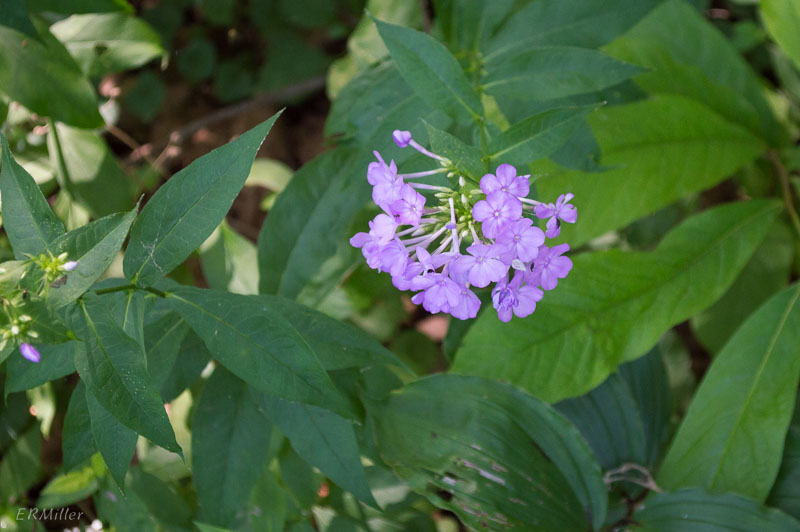
20150711-20150711-_DSC0020

Phlox paniculata
Polemoniaceae
aka fall phlox, perennial phlox


Remember the post about bees and bee mimics?  Last weekend I went on a group hike to Snyder’s Landing, on the Potomac River near Sharpsburg, MD.  We were hunting for ferns, but that didn’t keep me from photographing flowers and insects.

Not much is blooming at this time of year.  We saw some basil balm, some pale touch-me-not, and a small stand of garden phlox.

20150711-20150711-_DSC0016

Garden phlox is native to the eastern US (and parts of the West), but is the foundation species for hundreds of cultivars.  The one pictured may be the species, or it may be a cultivar escaped from cultivation – I have no way to tell.

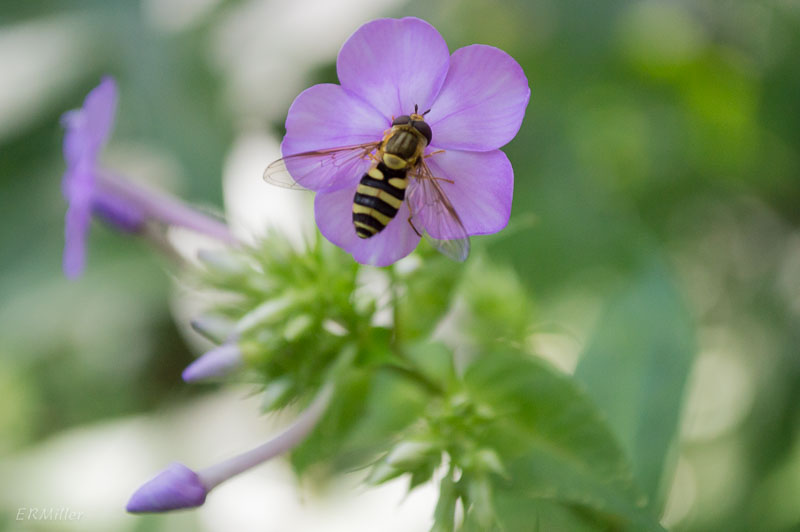
20150711-20150711-_DSC0018

<—- But then, this happened.

Yes, that’s a bee mimic – in the order Diptera (flies).  Only two wings and very stubby antennae.  I believe it’s a hoverfly, family Syrphidae, though of course I could be wrong.  At any rate, I was tickled to have finally seen a bee mimic!

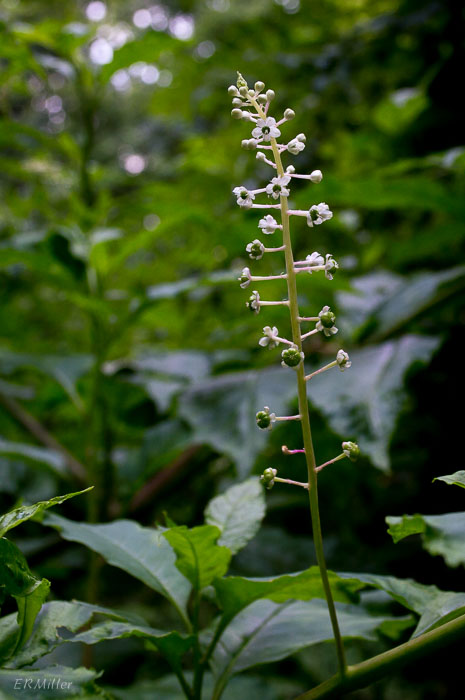
Pokeweed. That’s right. Pokeweed.

20150707-20150707-_DSC0104

aka poke berry, poke sallet, and a few others
Phytolacca americana
Phytolaccaceae


I hate pokeweed.

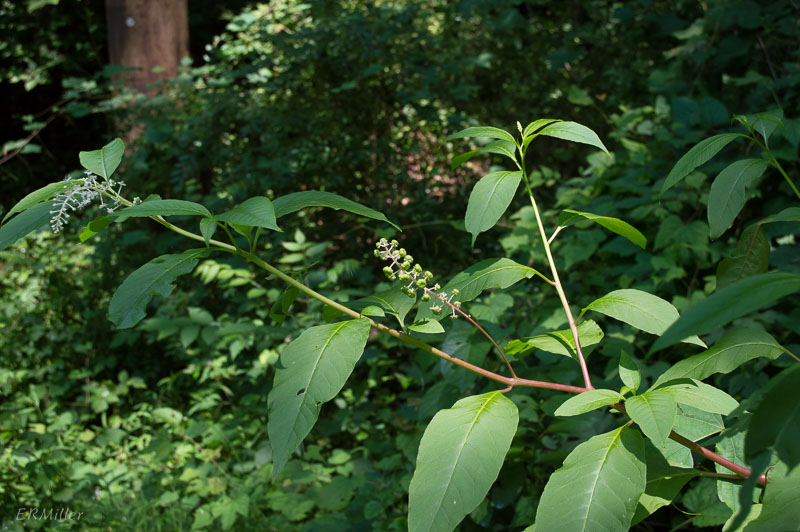
Tall and lanky, ungainly, coarse-textured, it’s actively ugly.  The bright purple berries fall everywhere and stain everything. It’s a pest.

20150707-20150707-_DSC0101


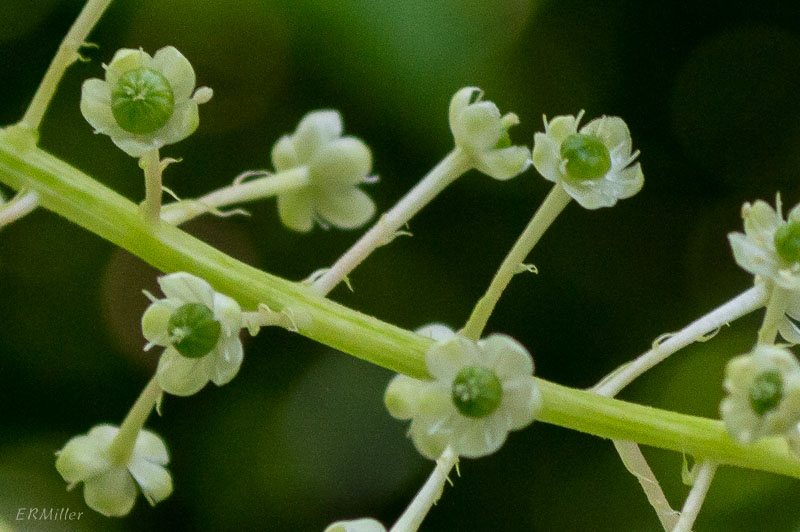
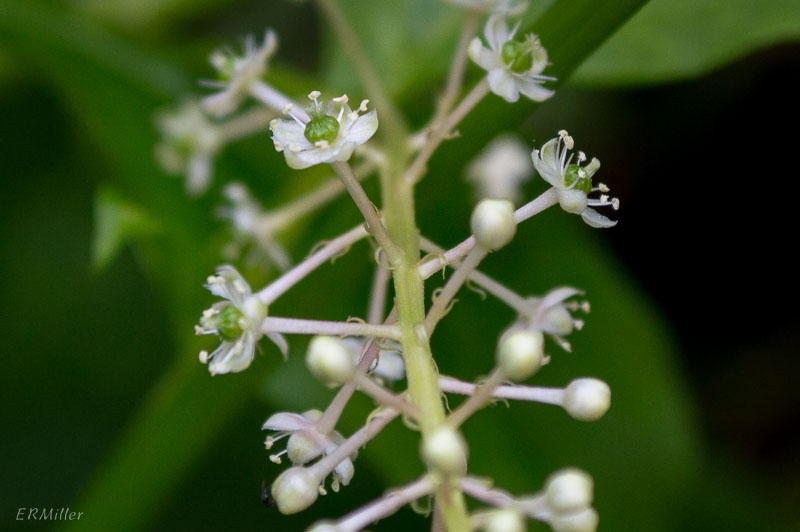
Even the flowers are kind of meh.


In 1997 we moved into a new house built on the back 2 acres of an old property, which included the old vegetable garden; over the decades the owner had mucked out a neighbor’s barn once a year and spread the manure there, piled the autumn leaves there, worked in compost every spring. The soil was a gardener’s dream, truly, and I was excited to establish my own garden in it.

Except after years of neglect, it was a 32′ by 22′ plot o’ poke.

I had someone run across it with a front end loader to remove the foliage, then (optimistic and naive) started to dig out the roots.

Did you know that pokeweed roots can go down 12 feet?  And that they’re forked and branched and very fat?  And yet easily sliced by a garden spade? Imagine a root shaped like a cross between potato and ginseng roots, grown to incredible size like something out of a 1950s science fiction horror film, with radiation.  “Attack of the Atomic Pokeweed!”  You can’t dig them out.

I did get rid of the poke, eventually, by covering the entire area in 4 mil black plastic, which I walked over every few days, stomping on all the bulges.  It took most of a growing season to kill the poke, and I shudder to think what happened to the soil biota.
20150707-20150707-_DSC0118

yawn


Pokeweed can found in most of the US, except parts of the mountain West and upper Midwest.  It’s an herbaceous perennial growing to 8 feet tall. Although native, it’s listed as weedy or invasive by several authorities.

Poke does have its defenders, and to be fair the berries are an important food source for a number of songbirds, so the plant isn’t without redeeming qualities.

20150707-20150707-_DSC0113

…okay, maybe they are kind of pretty

Enchanter’s Nightshade, When the Petals Have Fallen

20150707-20150707-_DSC0055

Circaea lutetiana; Onagraceae

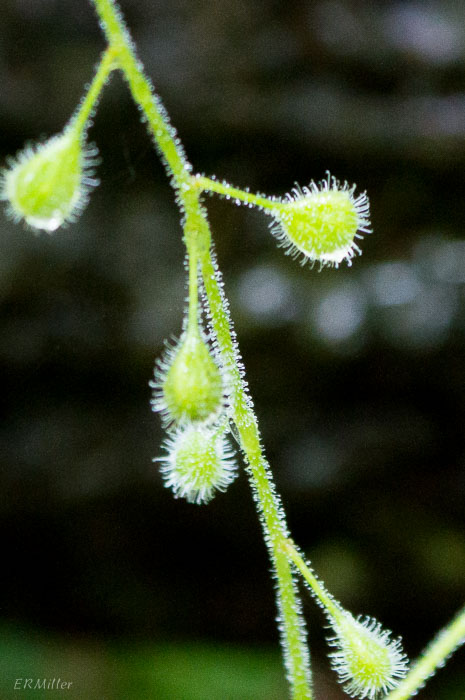
As I’ve written before, there’s a lot of beauty and interest up close.  And it isn’t just about the flowers.  Pictured above is a section of the raceme* with the ovaries left after the petals drop, all covered in tiny hairs.  Isn’t that neat?


*a raceme is an unbranched stem bearing flowers that are attached by pedicels

Dragonflies and Damselflies

20150623-20150623-_DSC0098

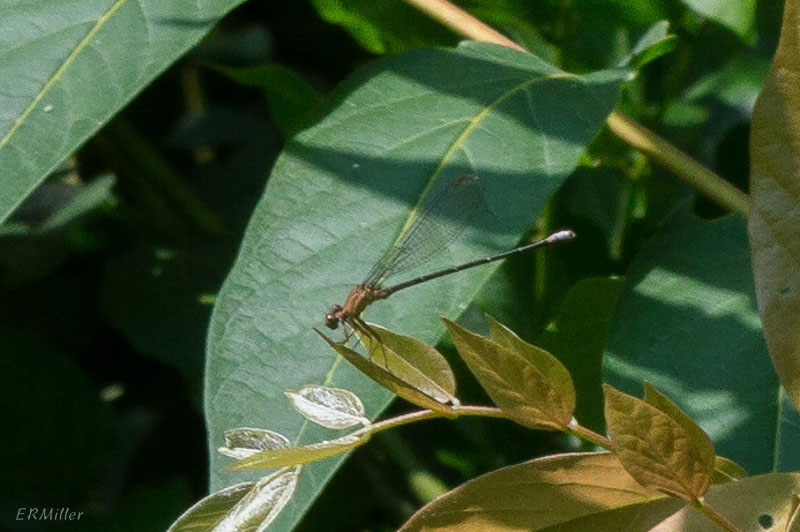
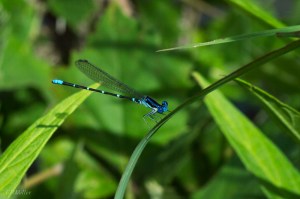
damselfly, possibly family Coenagrionidae

You might recall a recent post in which I wrote about two insect orders, Diptera (flies) and Hymenoptera (bees).  Today’s post is about the order Odonota, which is divided into two suborders: Anisoptera and Zygoptera.  Or less formally, dragonflies and damselflies (respectively).

Insects in this order share a few characteristics: long, narrow abdomens, two pair of slender, membraneous wings, and compound eyes that cover most of the head.

20150629-20150629-_DSC0117-2

look at the size of those eyes!

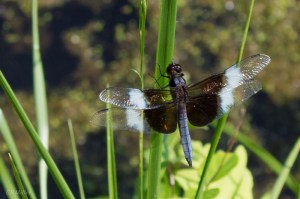
In dragonflies the rear wings are larger than the front wings; in damselflies, both sets of wings are about the same size.  The easiest way to tell them apart, though, is by observing the wings when the insect is resting.  Damselflies have hinges that allow them to fold the wings up over the body.  Dragonflies don’t, so their wings are spread out at rest.

20150628-20150628-_DSC0018

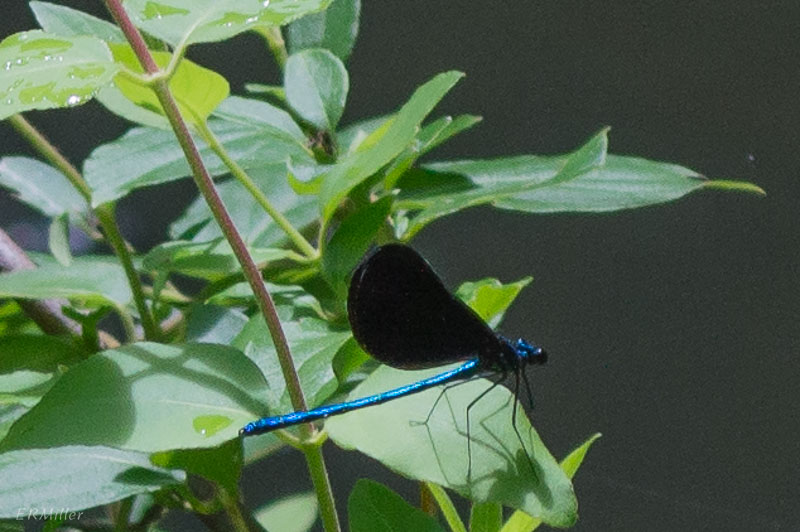
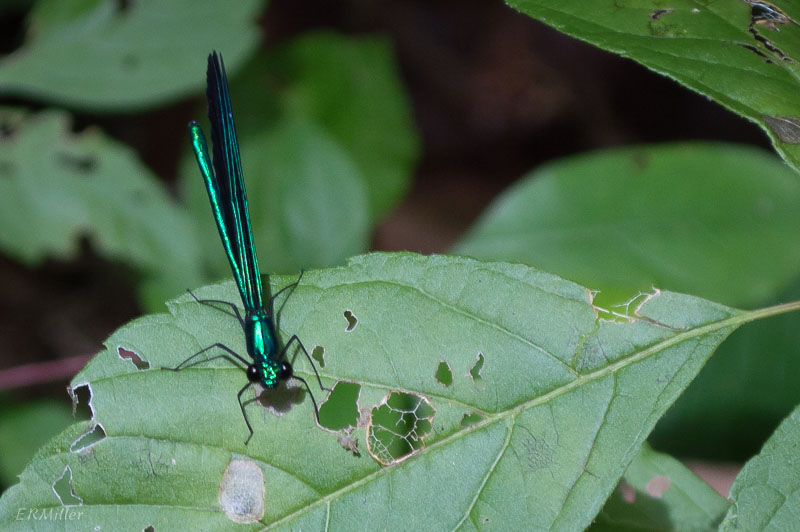
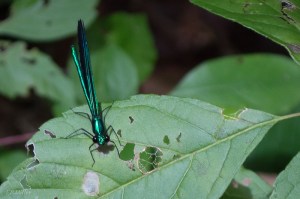
ebony jewelwing (Calopteryx maculata, Calopterygidae);
above, female; below, male
20150628-20150628-_DSC0015

It’s impossible to say for sure how many species or even how many families there are in the order Odonata. (“Impossible” in this context means every source I checked gave different numbers, and I don’t have hours to spend sifting through it all looking for something definitive, if definitive even exists.) Let’s just be vague and say there are about 5,000 species total.
20150612-20150612-_DSC0024

widow skimmer (Libellula luctosa, Libellulidae), I think; definitely a dragonfly

According to the Maryland Biodiversity Project, in this state there are 57 species of damselflies in three families, and 126 species of dragonflies in seven families.
20150629-20150629-_DSC0110

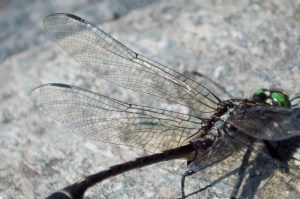
closeup of dragonfly wings

This is a subject I find fascinating, and I want to learn more, so expect another detailed post sometime in the future – like maybe in the winter when wildflower and gardening seasons are done.  For now, though, I just don’t have the time to teach myself all the finer points so that I can identify species and place them in families, so the captions are deliberately vague, with the exception of a few that experts have id’d for me.

20150707-20150707-_DSC0099

a damselfly

all photos taken in July 2014 or July 2015, along the Potomac River or C&O Canal