Like a Marble, or an Eye

More small blue things from May. Between travel and rain I haven’t had the opportunity to go hunting in Maryland for several weeks now.
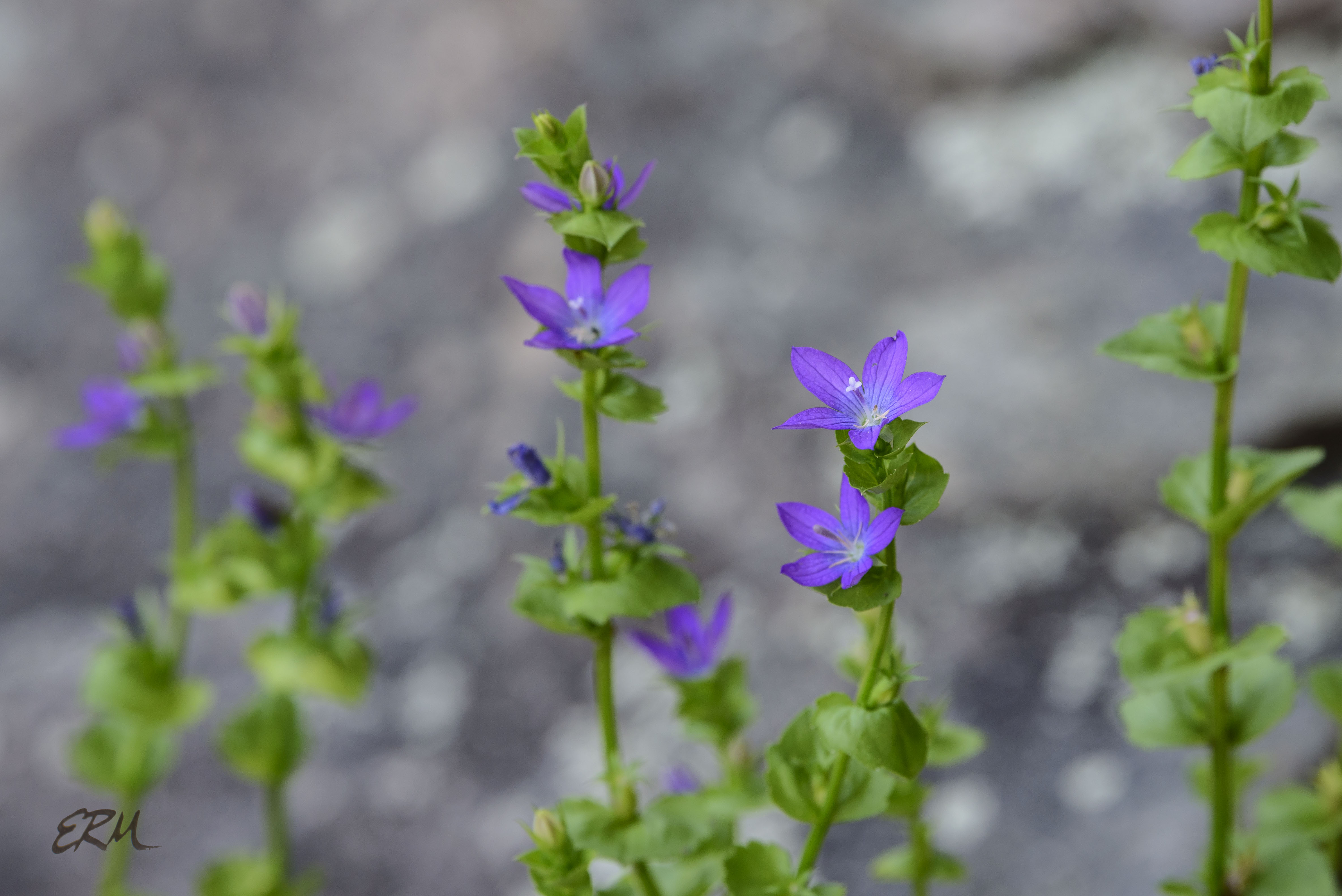
This annual is truly one of my favorites, and I make a point of hunting for it every year. Venus’ looking glass (Triodanis perfoliata) likes poor soils; look for it in open rocky or sandy places.


I have been having so much fun shooting with The Beast (70-200mm lens). Just look at the sparkle on those petals!


This is a species of Sisyrinchium, probably S. angustifolium though I can’t be sure. Blue-eyed grass is the common name, and indeed the leaves are grass-like. It’s in the iris family.
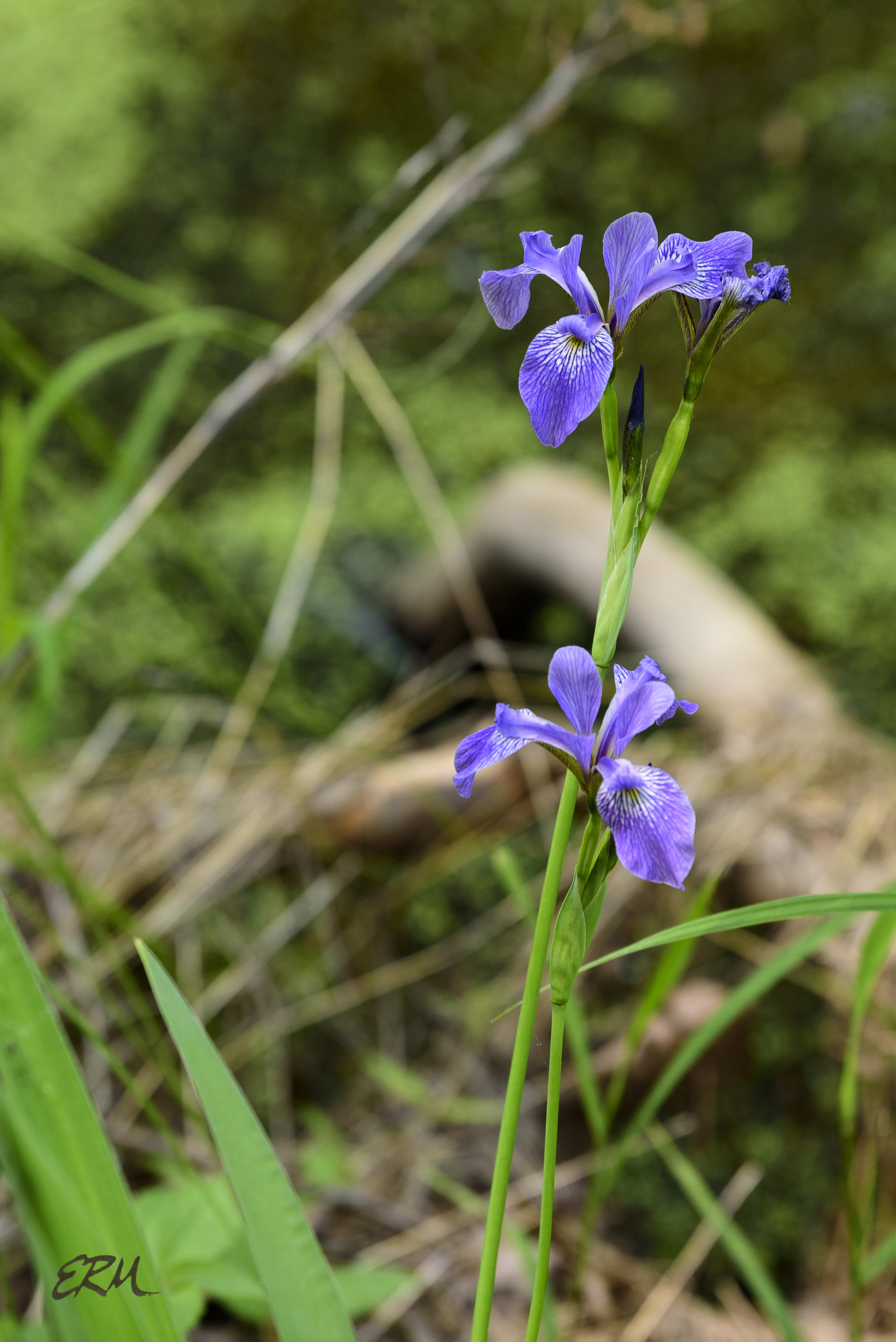
 

And speaking of irises, the ones I obsessed over last year are going strong. The ones along the canal are, anyway. The ones in the vernal pool are growing like crazy but I haven’t seen flowers on them yet.
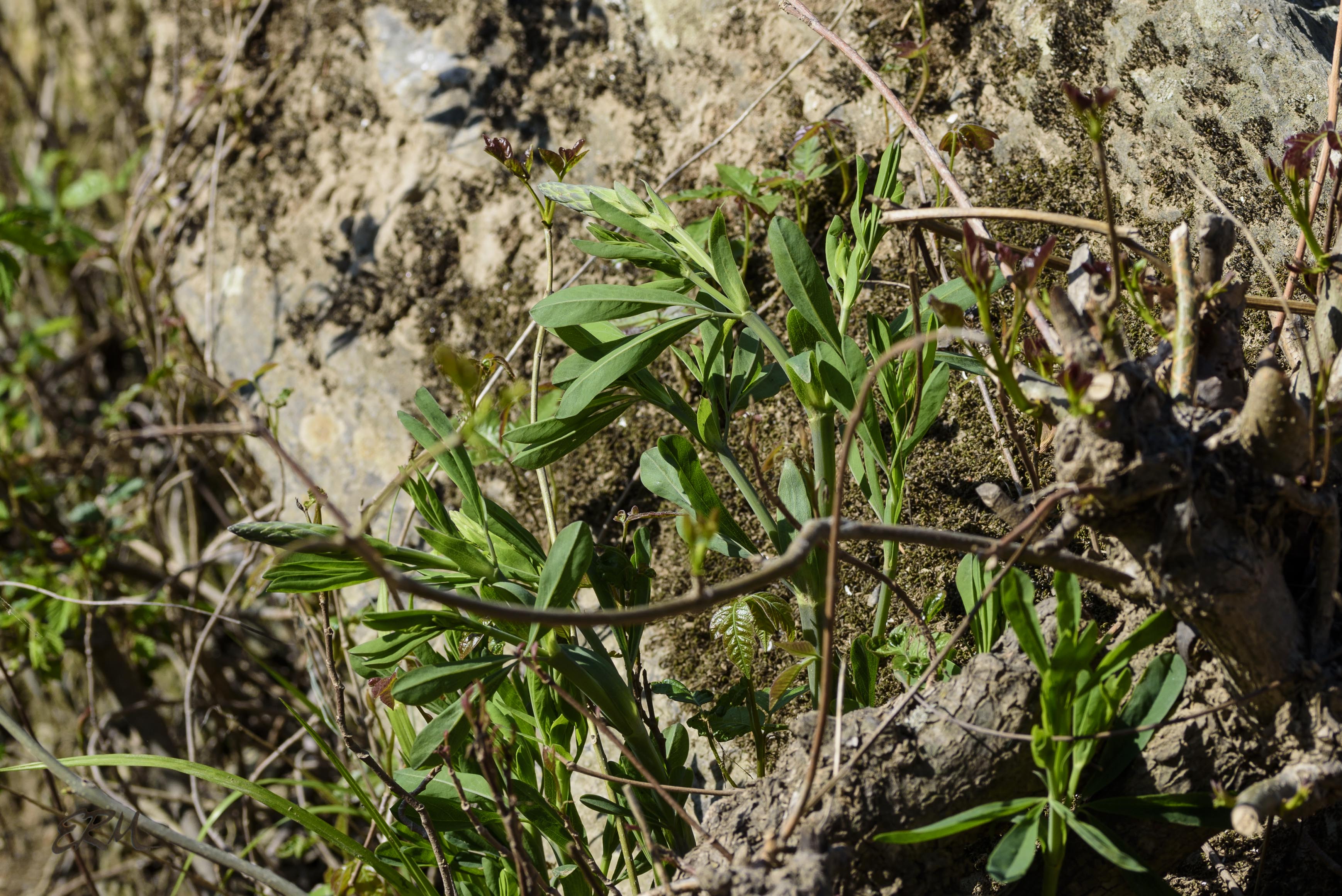
I wish I had some new pictures of Baptisia australis to share, but honestly I haven’t even been out to shoot them. We’ve had tremendous amounts of (badly needed) rain in recent weeks, and I know that part of the river well enough to know that one stand is under water. Here’s what they looked like budding up in early May this year.
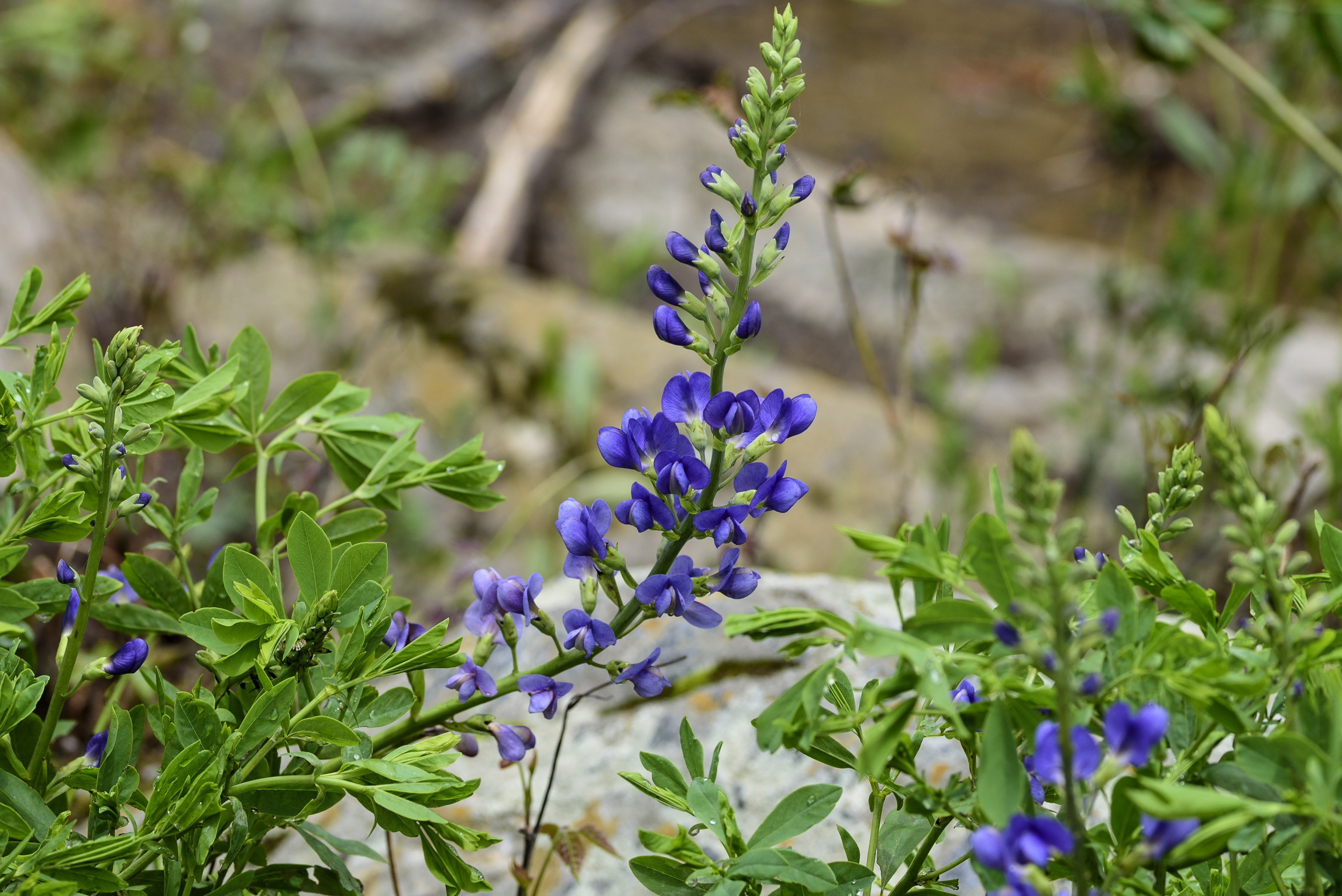

The other stand I’m sure is fine, but the channel I need to cross to get at them is flooded, too. Here’s a picture from last year.

Today I Am…

Random pictures of small blue things (and purple things), because once again I haven’t the time to write meaningful content.

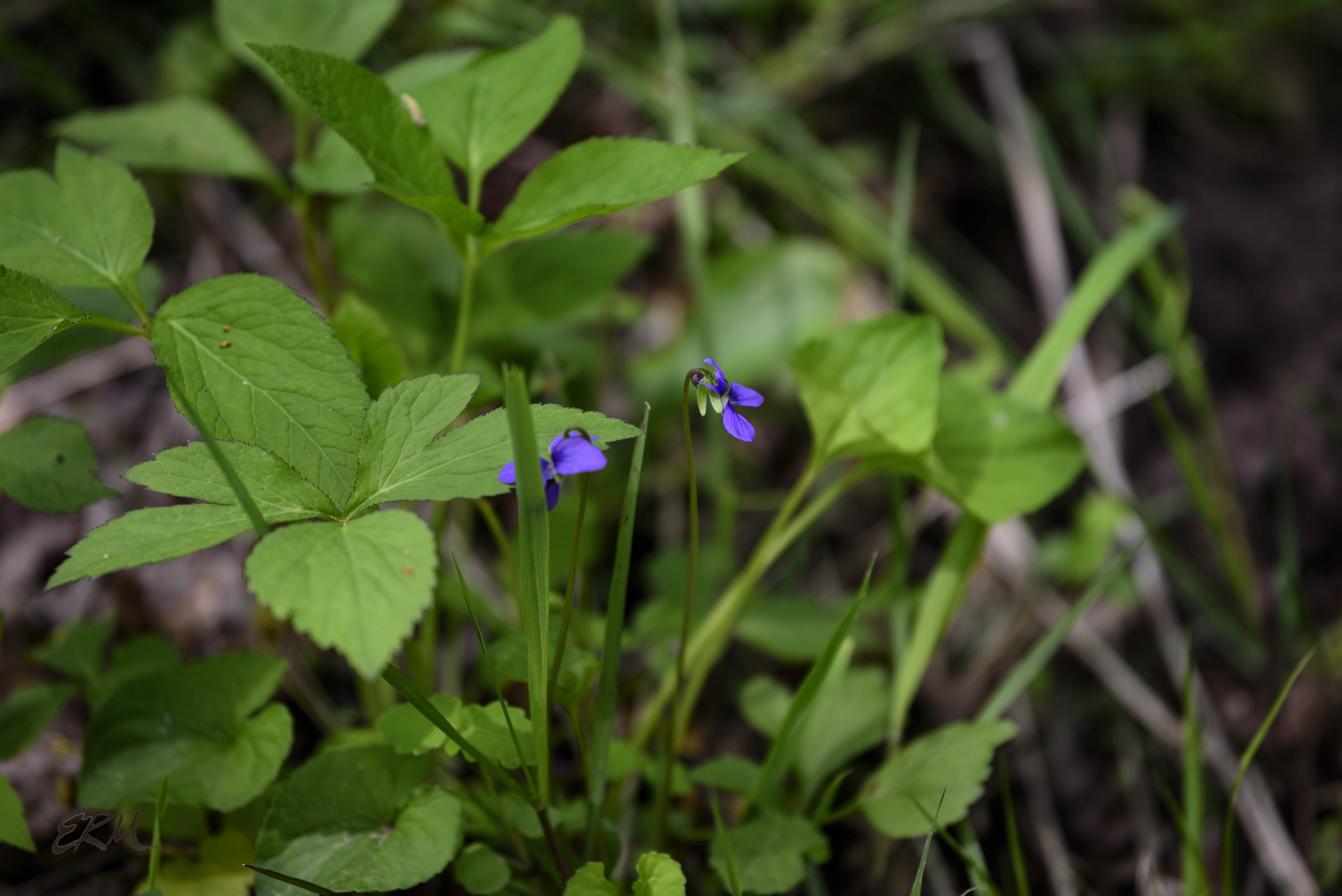
I don’t know if this is a color variation of common blue violet (Viola sororia) or something else. There is a well-known white form, sometimes called Confederate violet, but it doesn’t look quite like this one. Violets are notoriously promiscuous so who knows. The color is remarkably consistent every year. I’ve only seen them at Rachel Carson Conservation Park.

If you see a blue violet that stands well above the level of its leaves, and if it’s growing in or very near to open water, then it’s probably marsh blue violet (Viola cucullata).


Wild geranium (Geranium maculatum), also at RCCP. These two were somewhat bluer than is typical.


Virginia spiderwort (Tradescantia virginiana) There aren’t many three-petaled flowers around.


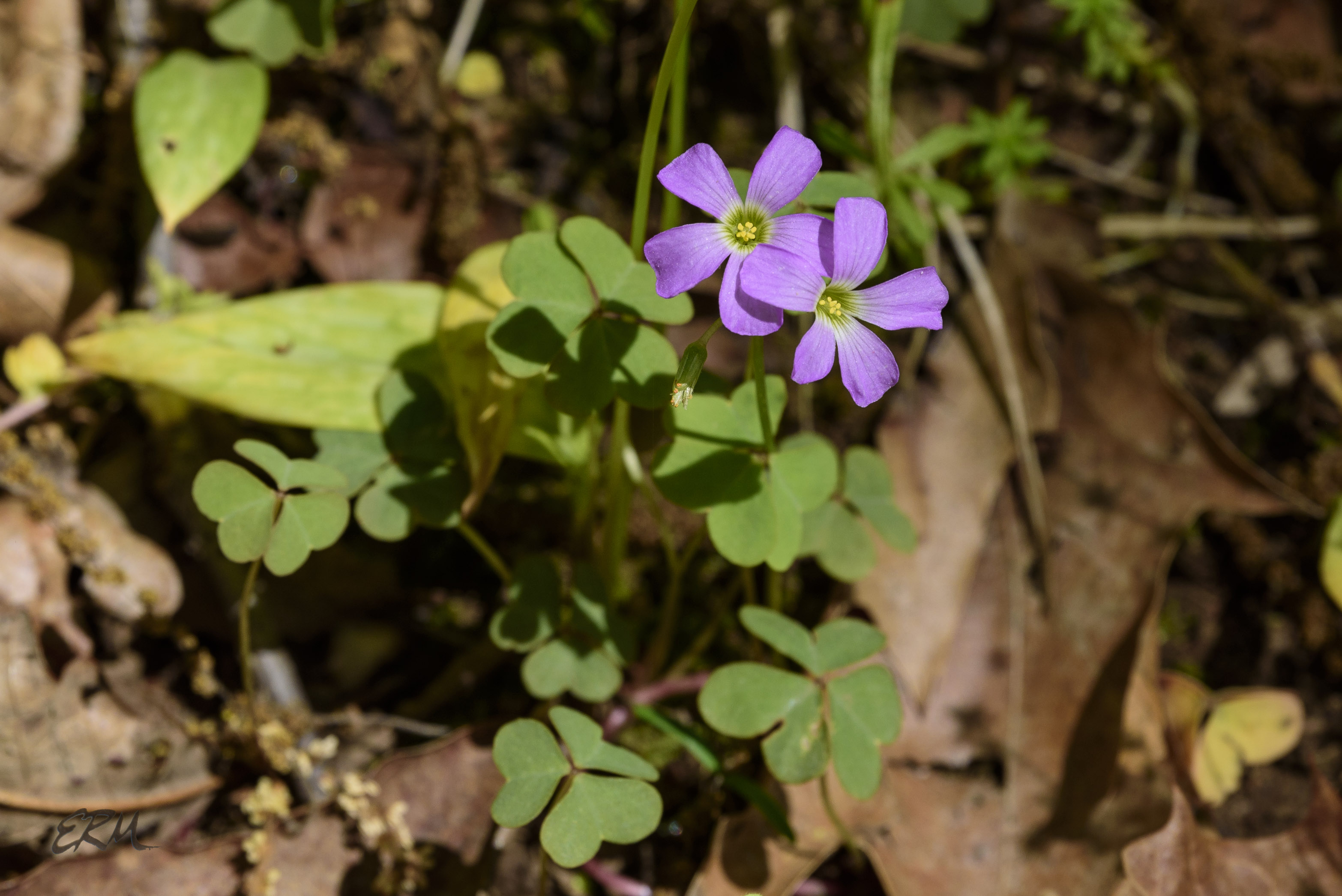
Only one of the seven species of Oxalis found in Maryland is an alien, but some of the others can be awfully weedy. I like them anyway. I’ve been on the hunt for Oxalis colorea, previously overlooked here until a fellow botanerd found it [hi, Bill]. If I make any progress I’ll write about it. In the meantime, though, you just can’t call violet woodsorrel (Oxalis violacea) a weed.

Even the leaves are charming.


Long-Tube Valerian

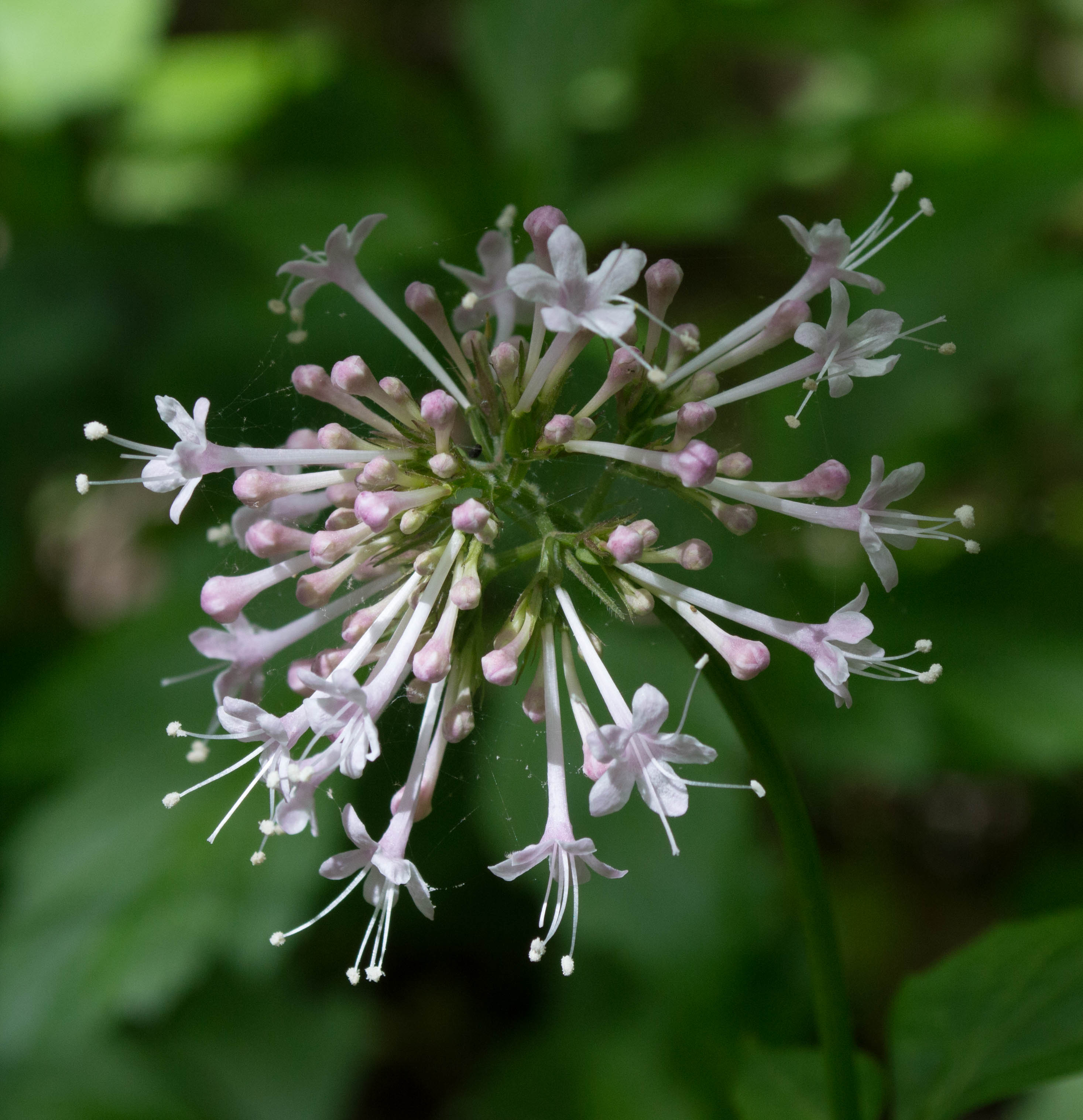
Two weeks ago I mentioned long-tube valerian in a post. This plant bedevils me. It grows in the deep, deep shade of the woods, often along the banks of seasonal streams and in other very moist soils. The deep shade makes it difficult to photograph, especially since I need to use a very small aperture to get the entire inflorescence in focus.

Valeriana pauciflora, whose other common names are few-flowered valerian and large-flowered valerian, is in the Caprifoliaceae (honeysuckle family), and is listed S1/endangered by the Maryland DNR. Its native range is restricted almost entirely to the Ohio River drainage basin, along with a few occurrences on the lower Susquehanna River, central Maryland, and northern Virginia.


The plants I’ve seen consist of a single delicate stem that grows to about two feet tall, sporting a terminal cyme of flowers. The compound leaves have 3 leaflets each, the terminal leaflet often with an elongated tip. According to descriptions I’ve read in other sources, there can also be inflorescences in the upper leaf axils; sometimes these are described as panicles rather than cymes; also, the leaves can have as many as seven leaflets.

The are fourteen other Valerian species found in North America, only one of which is in the mid-Atlantic (barely).

I’ve never managed to do it justice in pictures. This one from 2014 is still my favorite.

But I’ll try again next year.

Found Again!

It was raining, and the forecast said rain all week, but then there was a window of a few hours between downpours. Thinking about the plants that might be Scutellaria nervosa, I decided to take the camera on a quick hike to the site and check. I was sure they wouldn’t be flowering yet, since a week before they had just the tiniest little buds on them.

I was wrong: they were already flowering. But, I was right: they are S. nervosa!

Veiny skullcap is one of ten Scutellaria species found in Maryland. All are native, and half of them are on the RTE list (veiny is ranked S1S2). The species is globally secure; the only other jurisdiction listing it is Michigan, where it’s threatened. Its native range is more or less the Ohio River basin and somewhat east of that into the mid-Atlantic states.

This is a slender forb growing to about a foot tall, with a single stem. The lower stem leaves are ovate and dentate, and may have short petioles, while the upper leaves are elliptical, less dentate or almost entire, and sessile. The upper leaf surfaces are lightly covered in hairs, and the margins are more densely hairy.

The light blue, pendant flowers are borne in pairs in the upper leaf axils. They aren’t very showy, and sometimes they hide under the leaves, so they’re easy to miss.

If you find veiny skullcap in Maryland please post in the comments section! We have very few records for this species.

More RTEs

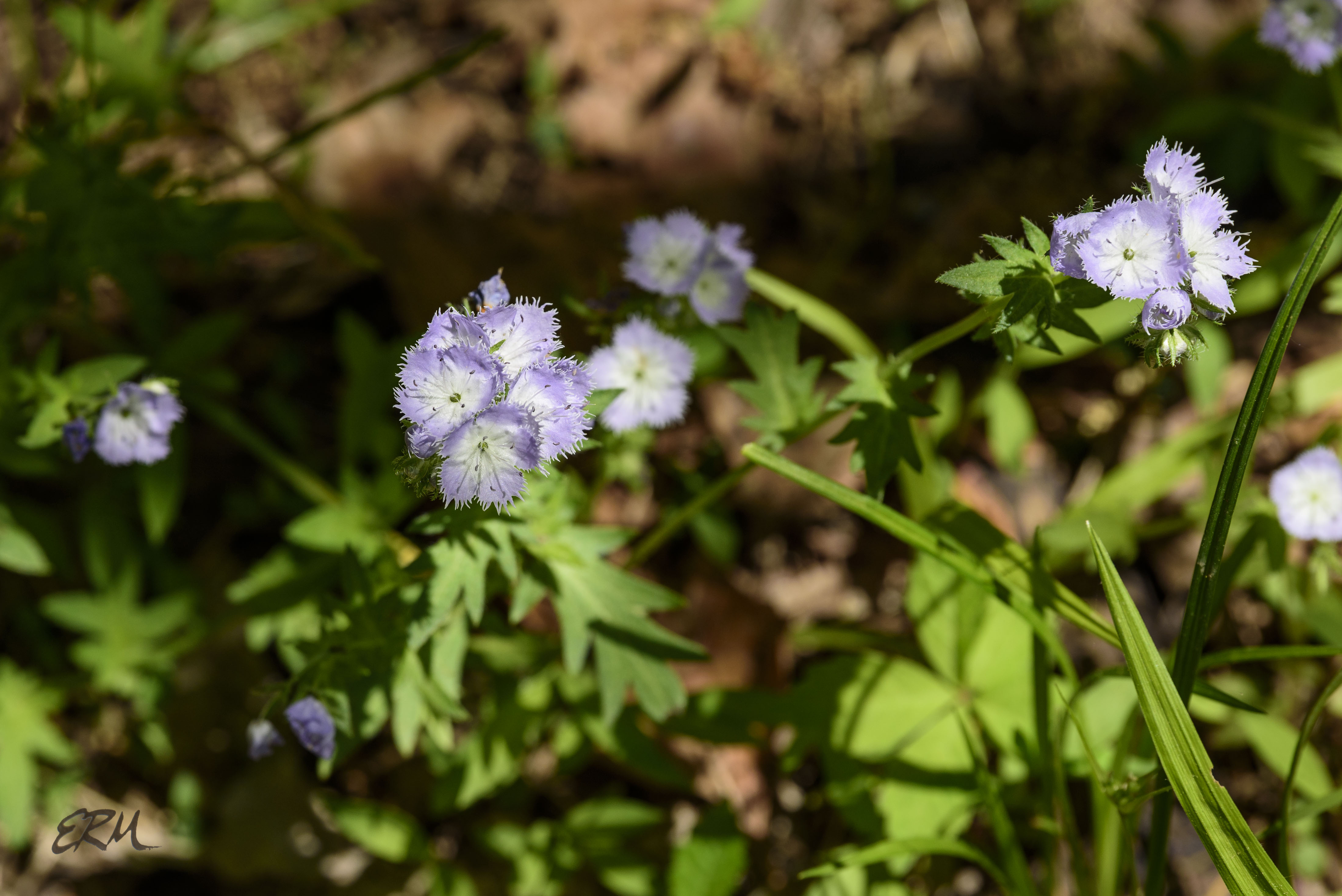
What a week I had last week! It started with orchids and ended with multiple RTE sightings. I re-found Scutellaria nervosa (S1S2/highly state rare; endangered) on the same day I pulled weeds from a stand of Valeriana pauciflora (S1/highly state rare/endangered). And not long after that, I came across the largest stand of Phacelia purshii (Miami mist, fringed phacelia) that I have ever seen.

That stand had literally dozens of star-of-Bethlehem plants all through it, so before taking pictures I weeded that patch. [important note in case you missed my previous post: I have authority to do so in that area] Actually I rather regret not taking a picture of the whole patch first, but oh well. They’ll be back…

P. purshii is listed S3/watchlist in Maryland.

Not long after that, I found a lovely and mostly weed-free patch of Phacelia dubia (small-flower phacelia), which is also S3/watchlist.

I wrote about the two species (and a third, P. covillei) in April of 2017, so won’t repeat myself. I just wanted to post these pictures.