On the Last Day of Winter

Today is the first day of meteorological spring* (astronomical spring is still three weeks away), but as of yesterday, the 28th of February, the wildflower show had already begun along the Potomac. Barely.

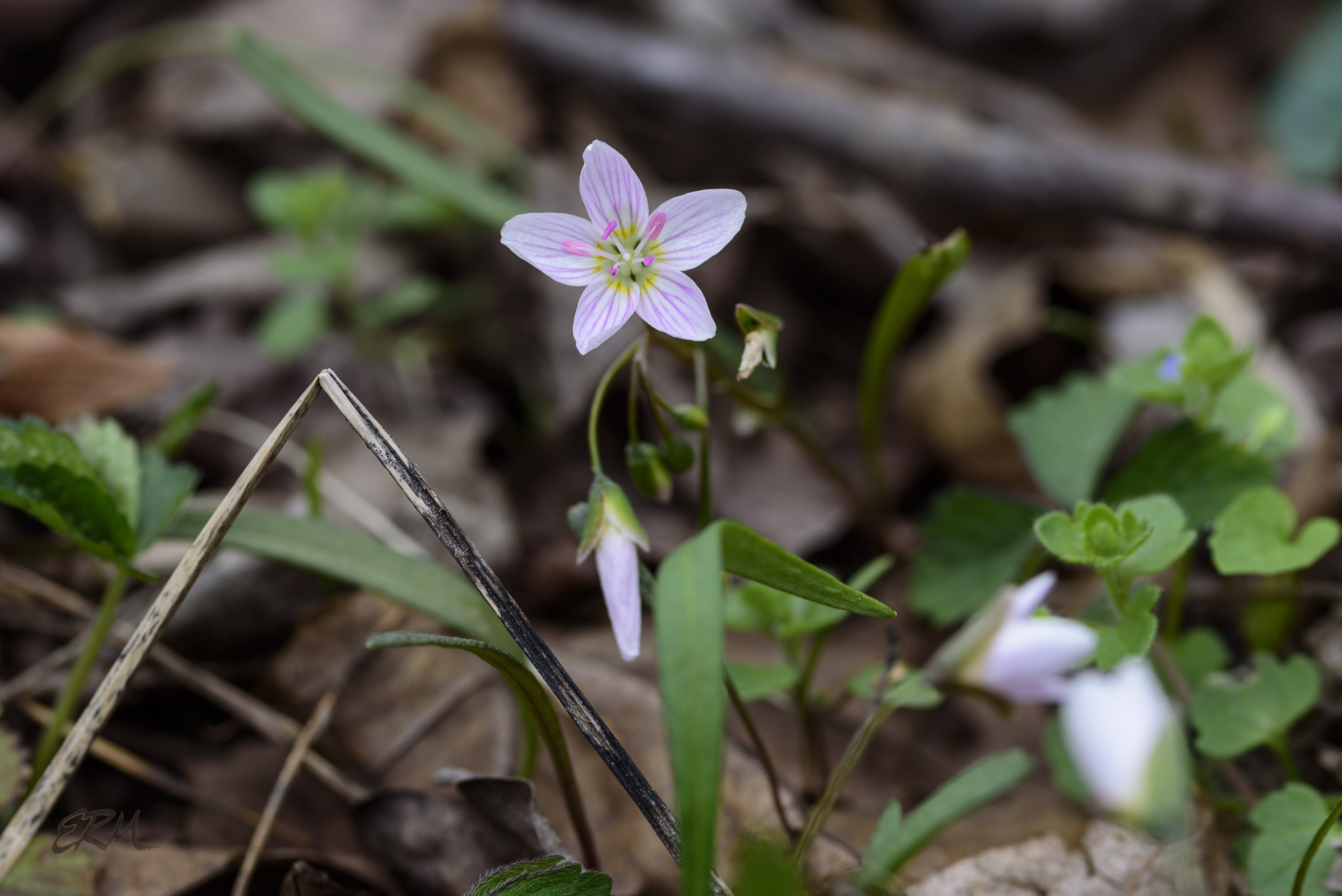
Claytonia virginica (spring beauty; Montiaceae)

Just a few dozen of these were up in sheltered locations.

This one specimen of Packera aurea (golden ragwort; Asteraceae) already had well-developed buds. Often this species will retain leaves through the winter, and many low-lying leaves were visible, but I saw none of the tall growth yet. In the same location last year just a few flowers were open on March 23, with peak bloom about April 13; in 2015, I saw the first ones March 24, with peak bloom in mid-April.

Erigenia bulbosa (harbinger-of-spring; Apiaceae)

More about this in an upcoming post. Can you see it sheltering there under the maple leaf? That’s one plant with about 14 flowers!

A few alien species are starting to bloom: Veronica hederifolia (ivy-leaved speedwell) and Cardamine hirsuta (hairy bittercress).

And, I saw one clump of Mertensia virginica (Virginia bluebells) foliage emerging, but that makes a boring photo.

*more on meteorological seasons from NOAA

Teaser

The earliest ephemerals are out and blooming a few hundred miles away, in South Carolina, but it’ll be a few more weeks before they start blooming here in the mid-Atlantic. Here’s a sneak preview of what’s to come, presented more or less in the order in which they bloom. All of these should be blooming by the end of March at the latest.

Erigenia bulbosa (harbinger-of-spring, pepper and salt; Apiaceae)

One of the first up, sometimes as early as late February. Look for it in moist woods but you have to be eagle-eyed to spot it (note the dime sitting there for scale). Just as I was finishing this post, a friend reported seeing harbinger blooming here in the Maryland Piedmont today!

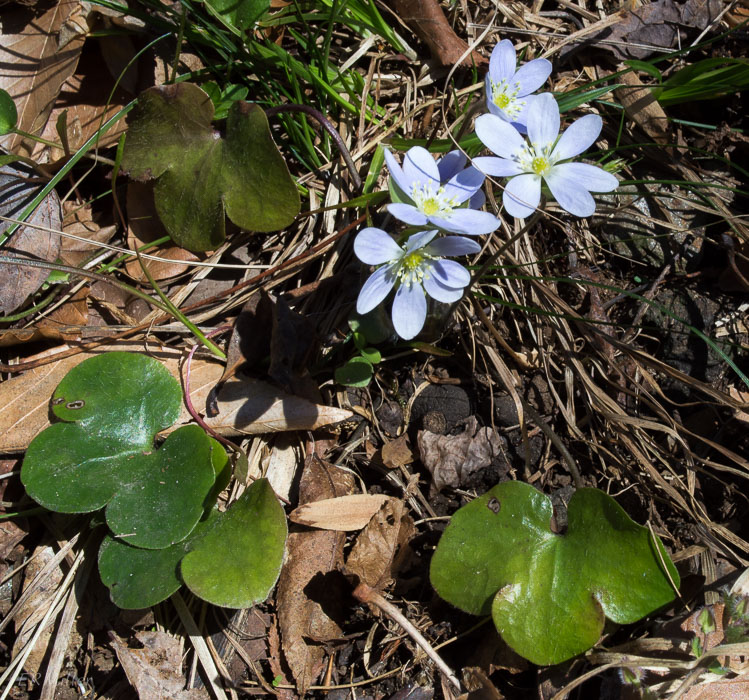
Anemone americana (round-lobe hepatica; Ranunculaceae)

A hibernal plant; the leaves usually wither away by the time the flowers bloom, or soon after. If you see the leaves now, note the location and check back in a few weeks for the flowers.


Lindera benzoin (spicebush; Lauraceae)

Don’t forget to look up once in awhile! This very common understory shrub is one of the first plants to bloom in our area.


Arabidopsis lyrata (lyre-leaved rockcress; Brassicaceae)

This plant has a long bloom period, often starting early in the season. Look for it growing right on large rocks, as the common name suggests. The sight of a mass of these delicate blossoms dancing in even the slightest breeze fills me with joy.

Cardamine concatenata (cut-leaf toothwort; Brassicaceae)

Such a dainty thing.


Corydalis flavula (short-spurred corydalis and many other common names; Papaveraceae)

Another petite flower, easy to miss. You have to get very close to see all the ornate details.


Micranthes virginiensis (early saxifrage; Saxifragaceae)

This fine specimen is one of the largest I’ve seen. I usually find them in rocky places.


Dicentra canadensis (squirrel corn; Papaveraceae)

The delicate, lacy, ferny foliage is almost identical to that of Dutchman’s breeches; you have to see the plants flowering to tell them apart with confidence.


Dicentra cucullaria (Dutchman’s breeches; Papaveraceae)

From my limited observation, this species is usually waning when squirrel corn is just getting started. There’s a hillside on the Cabin John Trail that’s covered in these plants.

Next time, more teasers.

First Up

A few days ago I headed to Sugarloaf Mountain for my first botanizing session of 2018. I found lots more trailing arbutus, but it’s still in bud. I’ll keep checking.

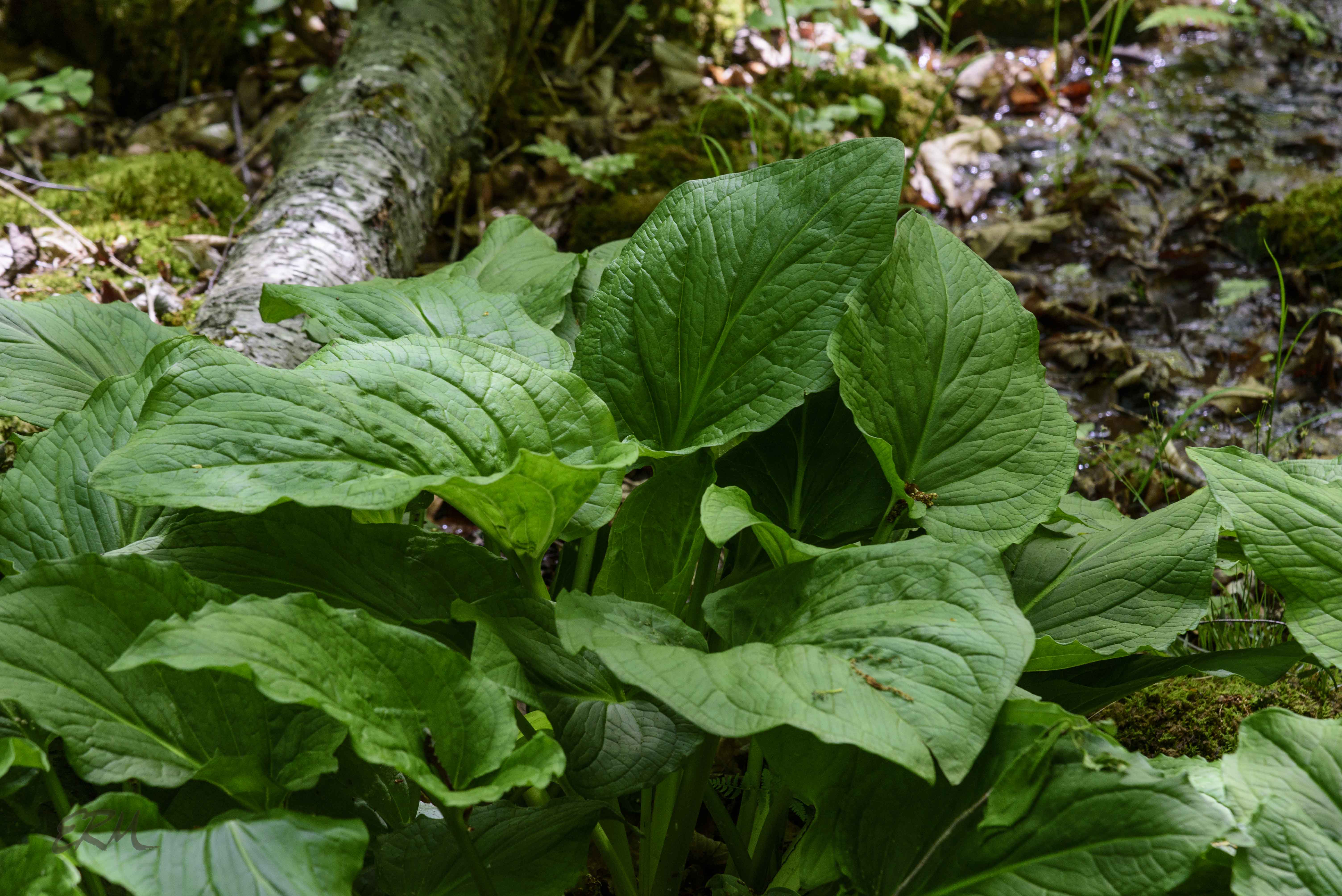
Some of the aliens are starting to flower (veronicas, bittercresses), but otherwise the only plant blooming is skunk cabbage (Symplocarpus foetidus; Araceae). The two pointy things pictured here are spathes, modified leaves (bracts) that enclose the flowers, shown below. 


Skunk cabbage is a plant of wet places. When it’s not growing right in water, it’ll be in very wet soil. In a few weeks the leaves will start emerging and unfurling. A stand of bright green skunk cabbage is a cheery sight in early spring, but don’t step on them unless you want first-hand knowledge of how they got that common name.


Just Around the Corner

A few days ago a friend reported seeing spring beauty (Claytonia virginica) blooming on the Billy Goat C trail. Damn, that’s early!  Think I’ll head out tomorrow and have a look, because it has been literally months since I last photographed a wildflower.

<—not my friend’s picture; one of mine from last year


Except for this one: trailing arbutus (Epigaea repens), a low-growing evergreen in the Ericaceae. Please forgive the picture quality; it’s a quick iPhone snapshot to remind me to go back and look for it again, because it’s already budding up, and I’ve never seen one in bloom. If I manage to catch it flowering I will of course be writing about it here.

Nerd moment: I just realized it’s time to start my 2018 spreadsheet.

When One Color Isn’t Enough (part 2)

Thirty-two degrees Fahrenheit and solid rain makes for a dreary day outside, but it’s hygge in my parlor, with a fire in the wood stove and chili on the kitchen stove, and lots of wildflower pictures on my computer. Here are some of the summer-blooming ones.

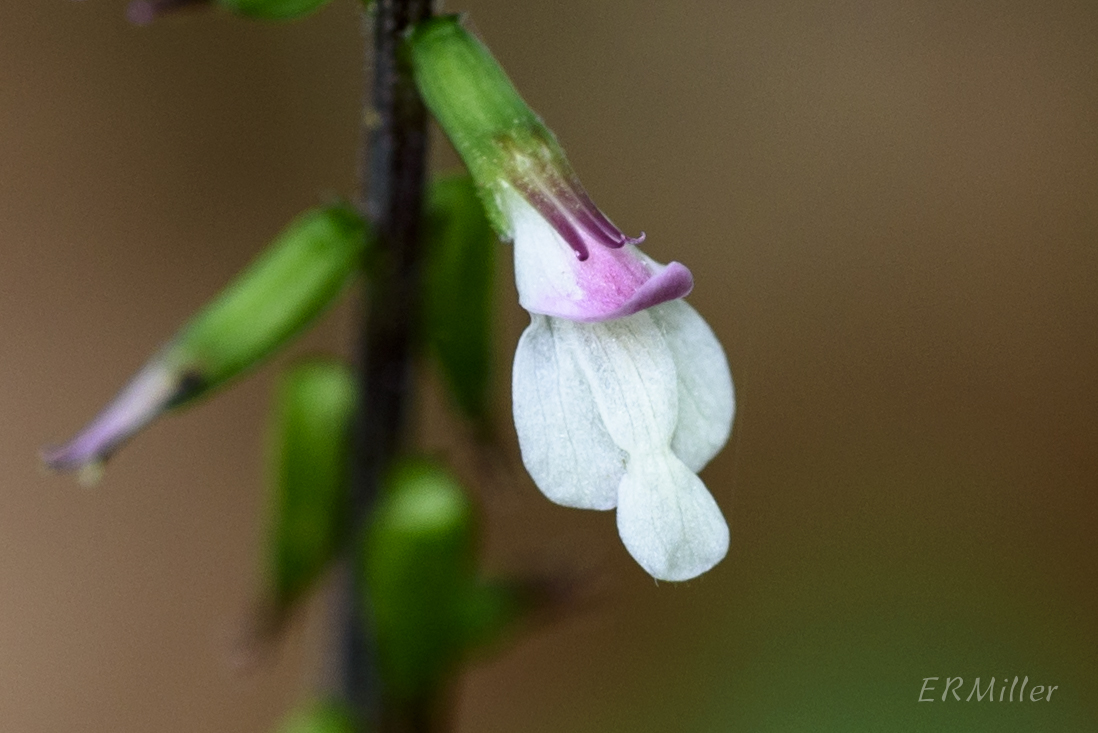
Phryma leptostachya (lopseed; Phrymaceae)

This is a very small flower – you need good eyesight or a hand lens to make out the colored structures on the upper petal – but the plants are fairly large, about two feel tall with large leaves and a long terminal flower spike (sometimes there are a few axillary spikes as well). The flowers open for a short period of time in mid July.

Polygala sanguinea (field milkwort, purple milkwort; Polygalaceae)

Most of the Maryland Biodiversity Project records for this annual species are in the piedmont and northern coastal plain. The plants seem to like dry, sunny conditions, and bloom in mid summer.

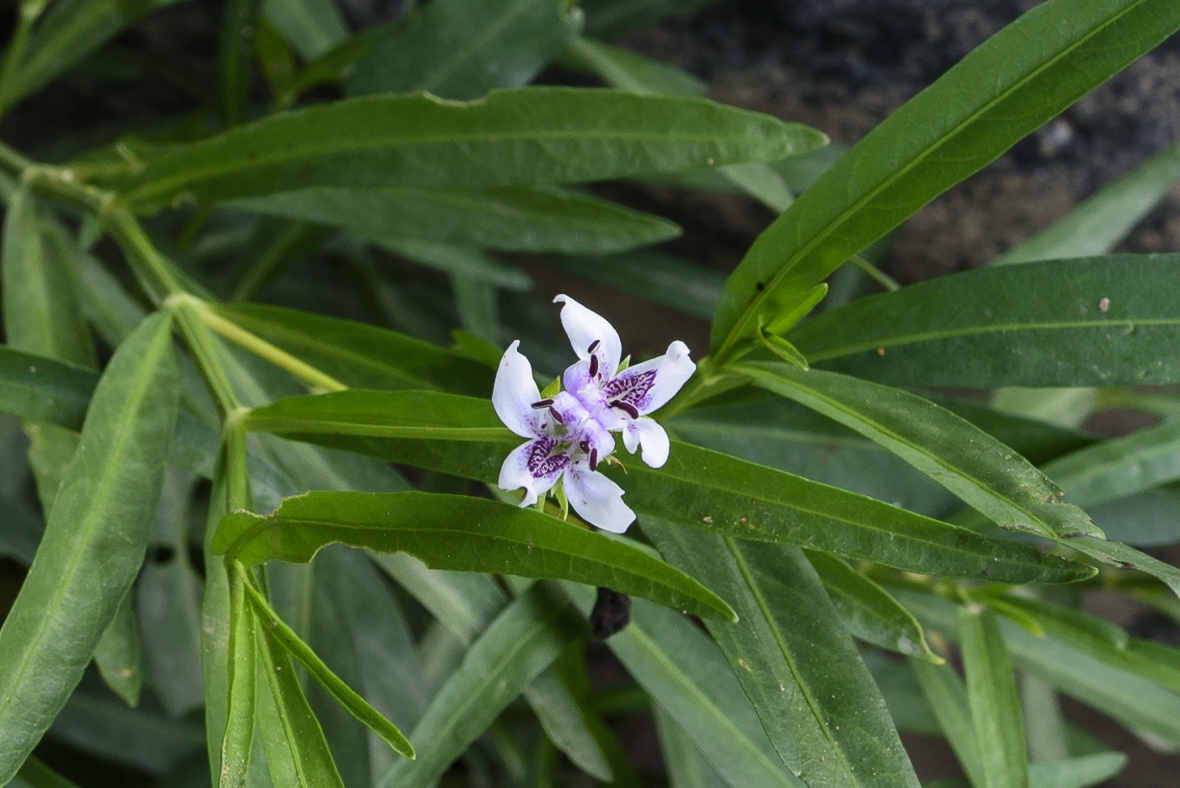
Justicia americana (water-willow; Acanthaceae)

This aquatic plant grows in large masses in shallow waters. When the river level drops in mid summer you can get close enough to see the flowers in detail. Individual flowers last only a few days, but overall a colony will flower for several months.

Lindernia dubia (false pimpernel; Linderniaceae, formerly Scrophulariaceae)

A tiny little flower on low-growing, weedy-looking plants that are mudflat ephemerals, emerging from river banks when the water level gets low at the height of summer. You have to be a real botanerd to appreciate these.

Liparis liliifolia (purple twayblade; Orchidaceae)
<—cleeck-ay moi!

Ah, orchids. Infinitely fascinating. This one blooms in late spring, in undisturbed forest areas. It’s listed S2S3 (state rare) in Maryland. If you find a stand be sure to report it to the Maryland Biodiversity Project!


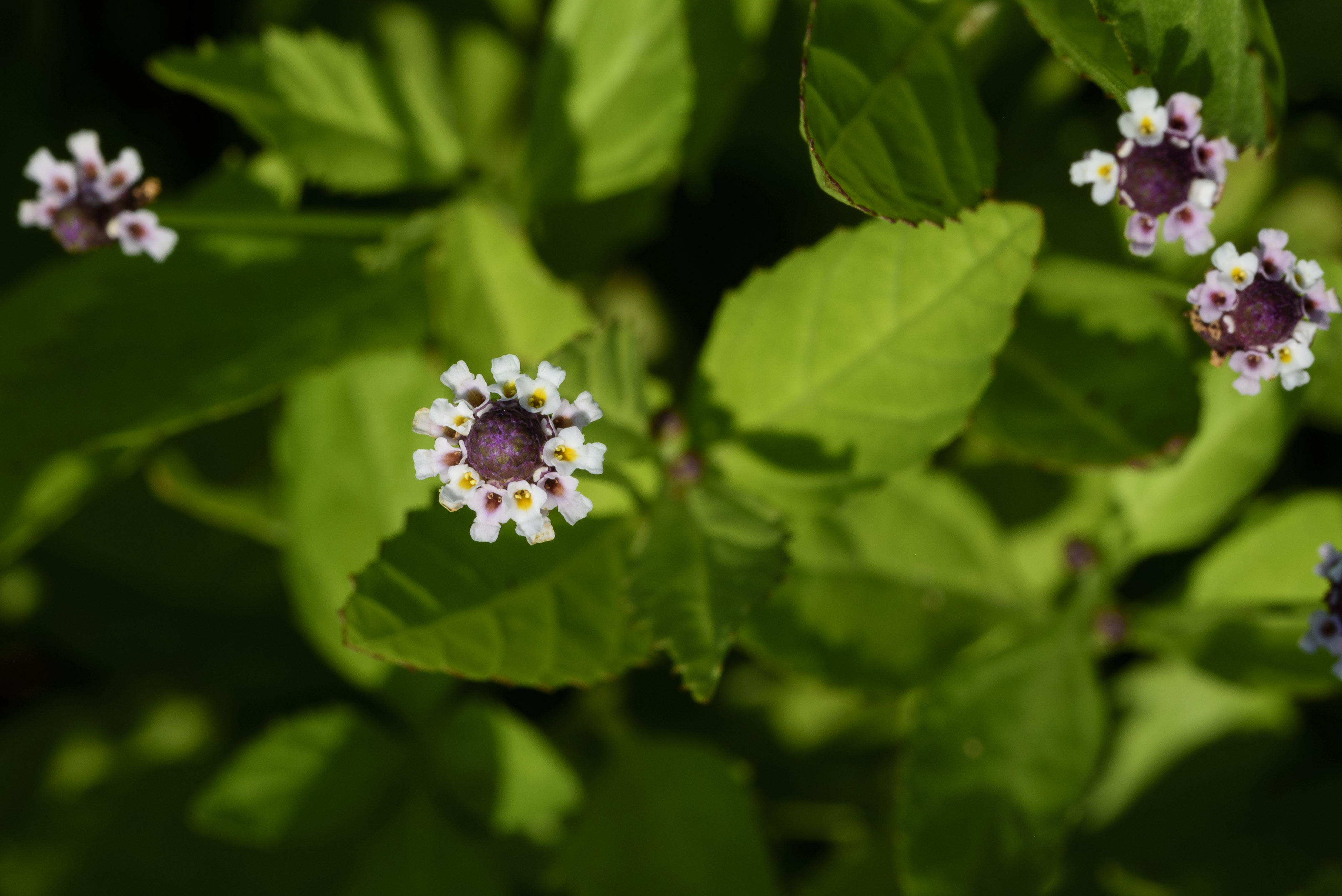
Phyla lanceolata (fogfruit; Verbenaceae)

This sprawling perennial forms large stands in the very wet soils next to streams and ponds. As with everything else on this page, you have to get up-close to really see and appreciate how complex the colors are. Colonies will have a few flowers (or a lot of flowers) open for most of early to mid summer.

Pycnanthemum tenuifolium (narrow-leaved mountain mint; Lamiaceae)

The one area where I find these tall, slender plants growing is rocky and sunny and close to the Potomac, so it seems that there is always a tiny breeze moving the plants around. One year the stand was mowed down, presumably by people clearing the trail. Another year it was flooded out. One of these years I will finally get a crystal-clear closeup of the tiny flowers.