Bewitched by Buttonbush

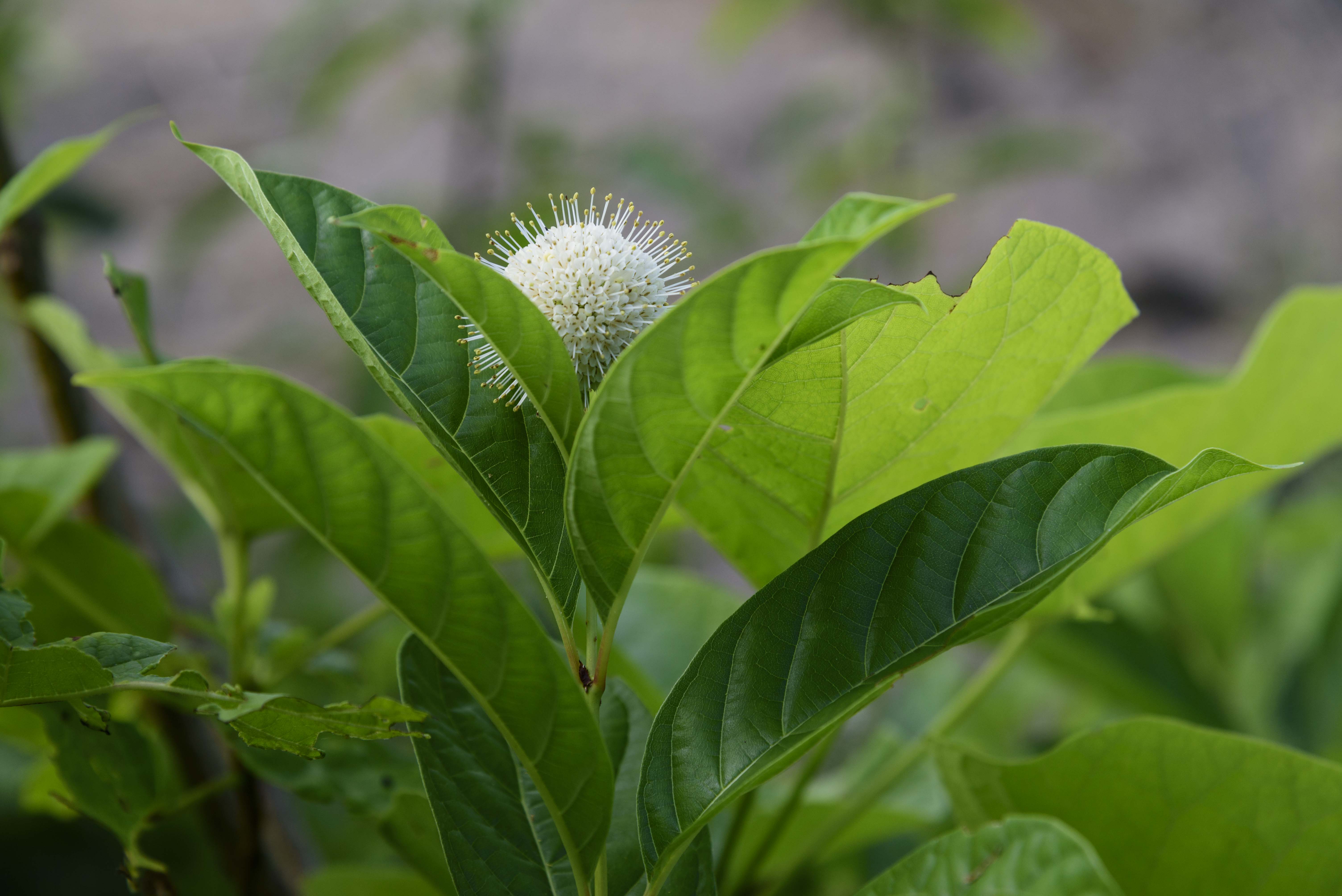
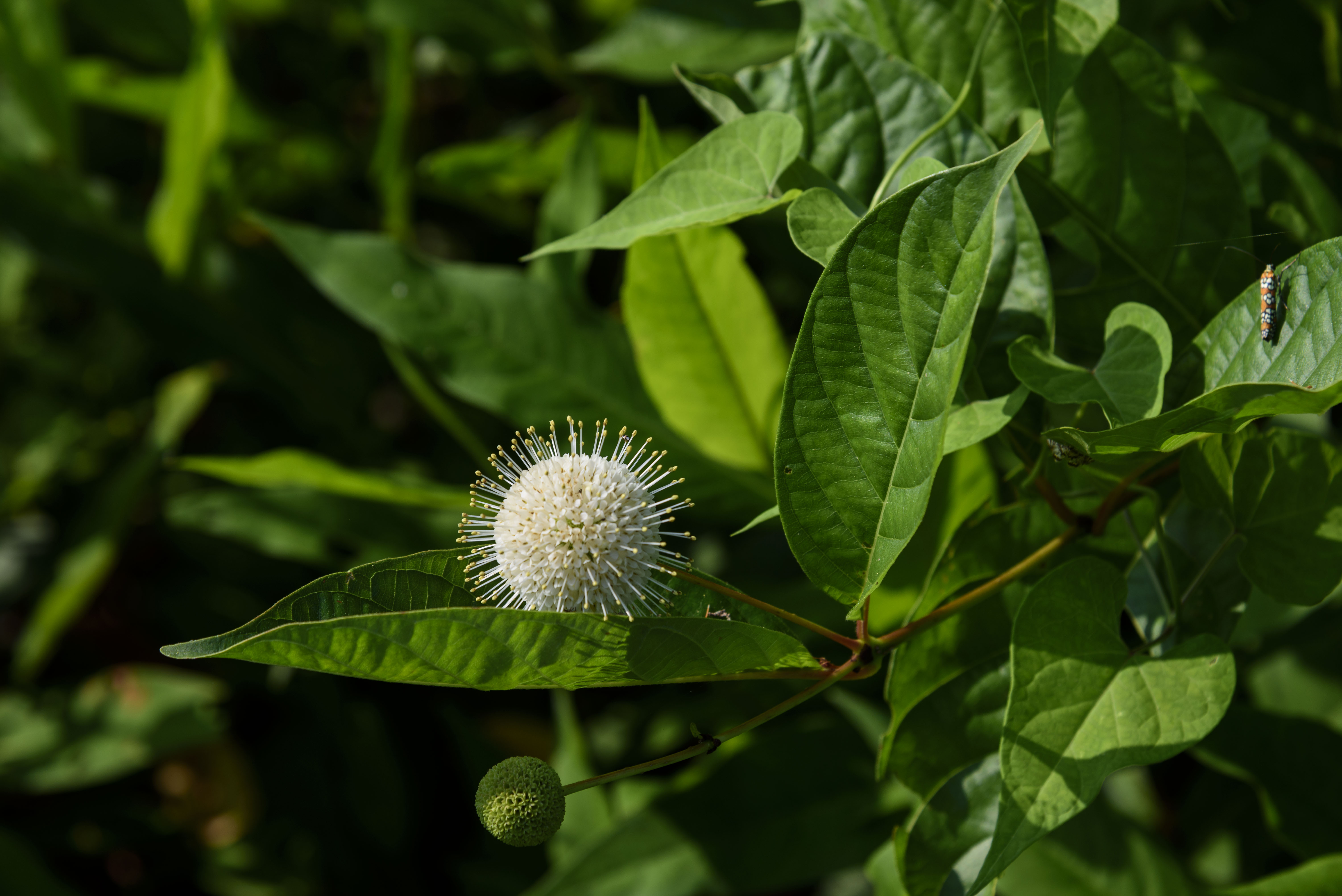
As soon as I finished shooting swamp candles Tuesday morning, I turned my attention to a nearby buttonbush. The sunlight was no longer quite so golden, but it was still making great shadow play among the plants.

Cephalanthus occidentalis (Rubiaceae), also called buttonwillow, honeyball, and pond dogwood, ranges from Nova Scotia and Ontario south to Florida and Texas, and is also found in parts of Arizona and California. There are records of it in every Maryland county except Washington.

The multiple stems of this shrub can grow to about twelve feet tall, and the plant can be 6 feet across or more. Foliage is dense and a pleasing shade of green, and how can you not love that inflorescence?

The flower heads measure about one inch across and bear dozens (hundreds?) of flowers, each of which consists of four fused petals, four stamens, and one very long style.

The flowers attract butterflies and bees, and later in the season the seeds attract birds.
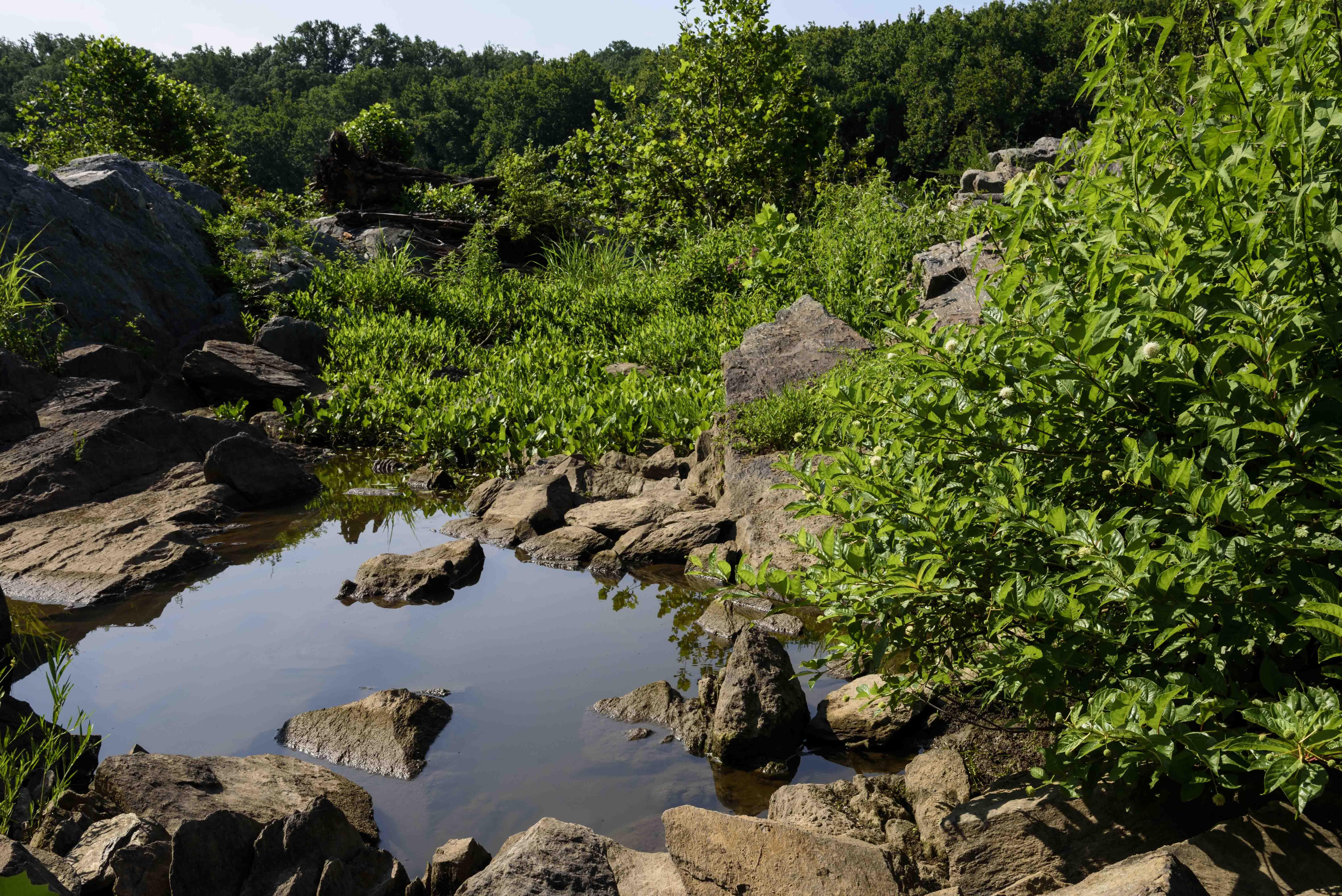
Buttonbush is a wetland obligate, meaning that in natural conditions it will be found in wetlands. But there are quite a few of them on the bedrock terrace, which is a dry place except for seasonal flooding and rains. There isn’t much soil there, and no groundwater.


Knowing this, I had assumed it wouldn’t make a good garden plant, but I asked the question on a native plant discussion site and got a lot of encouraging replies. It seems that once established, buttonbush does quite well in drier soils. Hooray! Now I just have to find a place for one in my garden.
Golden Glow

this little pond is about 20 feet above the river; currently at least six species of plants are blooming around (and in) it.


Feeling down after a not-too successful photo shoot, Tuesday morning I headed back to one of my favorite spots, a bedrock terrace that has a wide array of summer-flowering plant species.


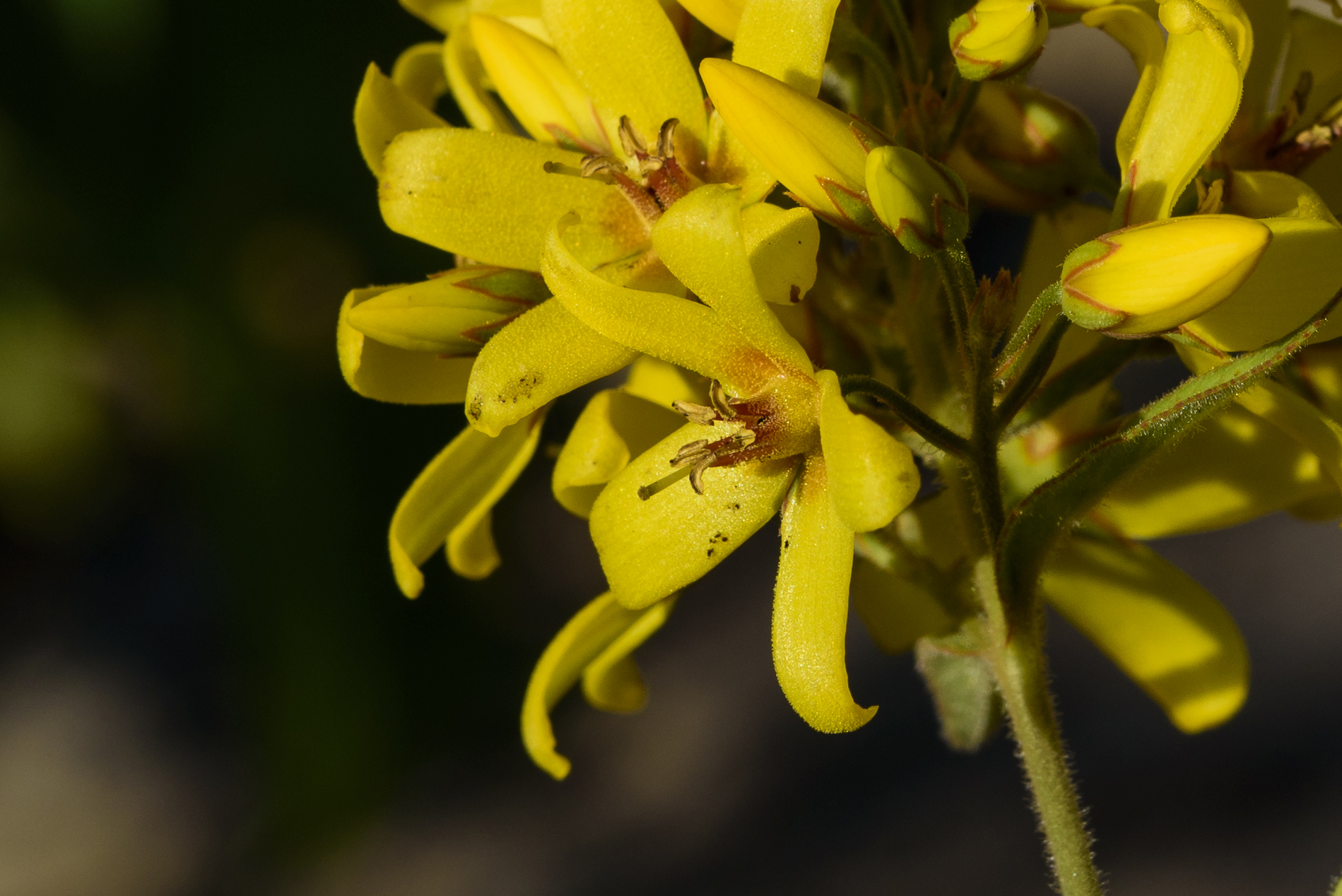
It was early enough that the rocks were casting deep shadows, and as I scrambled up and over them, the rising sun spilled gold onto this small stand of flowers. I visit that terrace often in the summer, but had no idea swamp candles were there!

There’s just no substitute for good light.


Lysimachia terrestris (Primulaceae) is one of about 15 species of Lysimachia in Maryland. Maybe half of those can be found in the Piedmont, and four of those are alien.

Lysimachia ciliata; shockingly I don’t have a newer (better) picture than this


More often I see fringed loosestrife (L. ciliata), a dainty thing often overlooked, since the flowers are nodding. It likes drier soils and maybe more shade than swamp candles.

Lysimachia quadrifolia


Another common one is whorled yellow loosestrife (L. quadrifolia). I saw lots these in June on Sideling Hill (the Ridge and Valley physiographic province), but there are records for it almost everywhere in the state. All of them were growing in deep shade.


For a native loosestrife, though, this species is exceptionally showy.

Swamp candles can be found primarily in New England, the mid-Atlantic, and the upper Midwest; they can also be found in scattered populations in parts of the South. They’re endangered in Kentucky and Tennessee.


As the common name suggests, they like having their feet wet. It’s a little unusual to find them in a place like this bedrock terrace; generally they’re along the banks of the Potomac, not as in-the-water as water willow, but close by, in areas that are probably under water early in the season, before river level drops. Nearby you might see monkeyflower, American germander, and halberd-leaved rosemallow; the first two are blooming now; the latter is just about to.

Those Damned Irises

On June 29, with my collecting permit about to expire, I went one more time to visit those two stands of irises near the Marsden Tract*, and collected two more seed capsules. Took ’em home, opened ’em up, photographed, measured, examined with hand lens, etc.

And got nowhere. The seeds just weren’t ripe enough.

My gut feeling is that stand 1 is Iris virginica and stand 2 is Iris versicolor, based on the observed characteristics. The former is on the state DNR watchlist (S3), and there are records of it in Montgomery County, so this is not too far-fetched.

But I like proof, and I haven’t proven anything, except that I’m a little nuts, so I am going to conclude that both stands are probably Iris versicolor, because it’s the more common species.

However… this ain’t over yet.

*see posts from mid May into June


Føroysk Flora Woes; Potomac Gorge Update

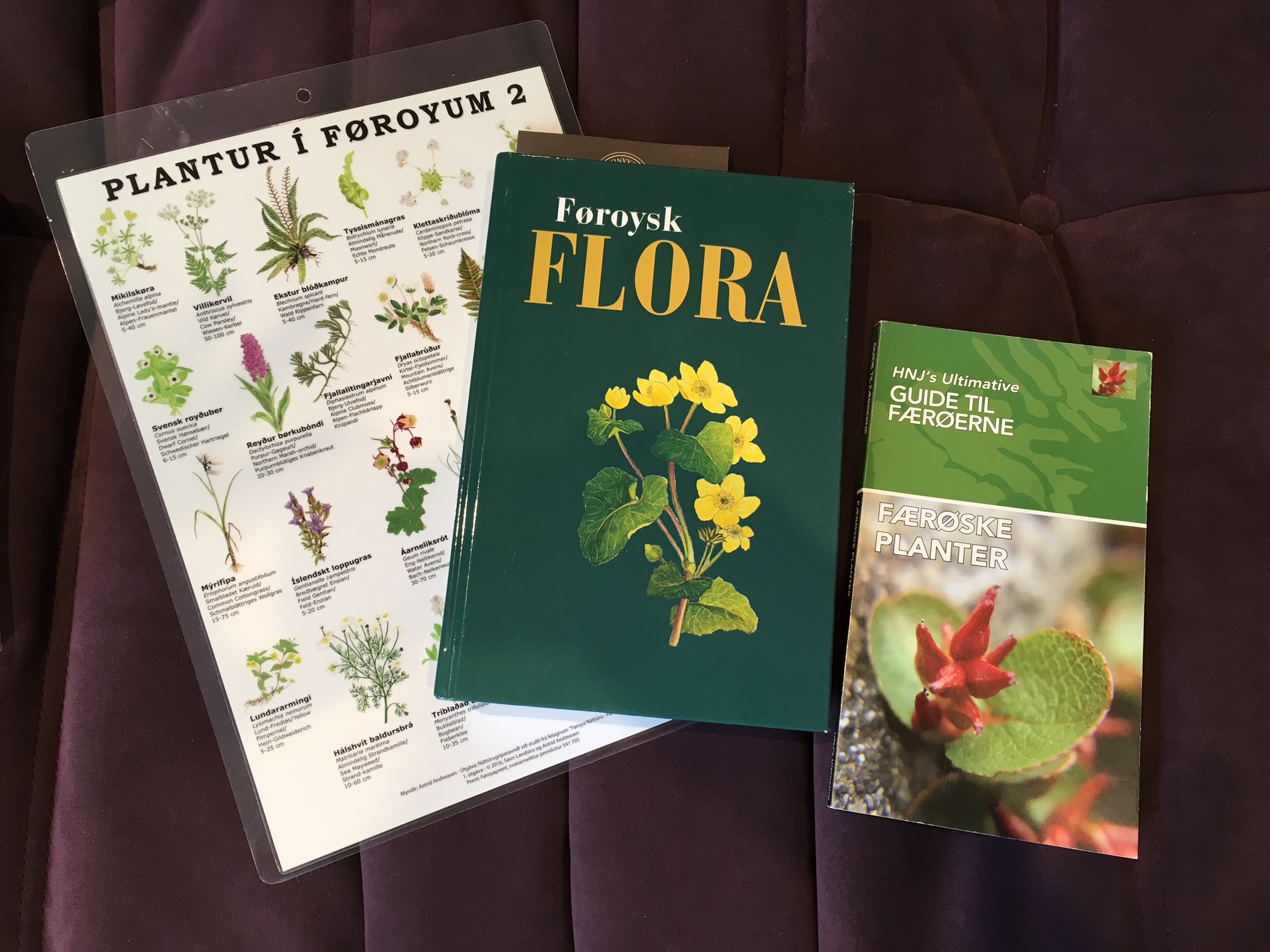
Yes, I’m a book nerd: I bought reference books in a language I don’t read.

You would not believe how much time I’ve spent trying to identify the flowers I found on my trip. In most cases genus is easily determined, but getting the species requires, well, specifics, many of which can be found in the three sources pictured here.

Of course, I don’t read Faroese.

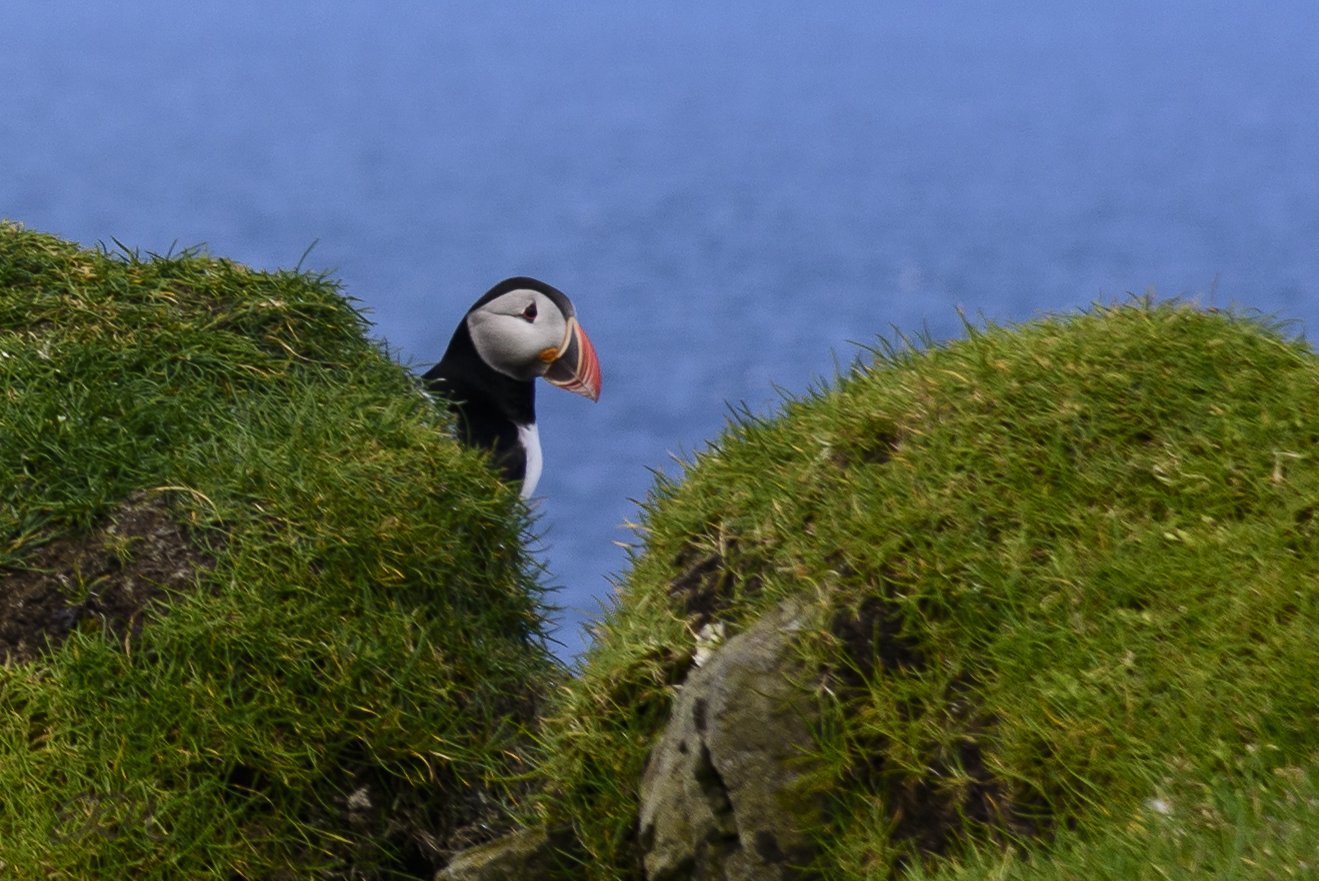
puffin (Fratercula arctica) playing peekaboo on Mykines Island

I assumed I’d be able to use google translate to look for cognates in other Nordic languages, but that hasn’t worked so well. There are a few on-line translation services, but Faroese appears to have many noun cases, and I keep running across what I assume are declined nouns and conjugated verbs. And of course there’s botanical jargon.

Hopefully now that I’m back I can use my English-language book of Icelandic flowers to solve some mysteries. We’ll see. Expect scattered posts about the Faroe Islands in the coming months.

buttonbush (Cephalanthus occidentalis) playing peekaboo yesterday morning

In the meantime I’ve gotten out to the Billy Goat C trail twice. I was afraid I’d missed a lot, but nope: lots of great flowers to see if you look in the right places. Now blooming in that area: nodding onion, swamp milkweed, buttonbush, swamp candles, fogfruit, monkeyflower, sea-oats, thin-leaved sunflower, grassleaf mudplantain, wild potato vine, common arrowhead, starry campion, horsenettle, American germander, culver’s root, jumpseed, various St. Johnsworts, St. Andrew’s cross, and water willow. Halberd-leaved rosemallow is budding up, and the joe-pye weeds are, too, and close to opening.

It’s good to be home.

62° North

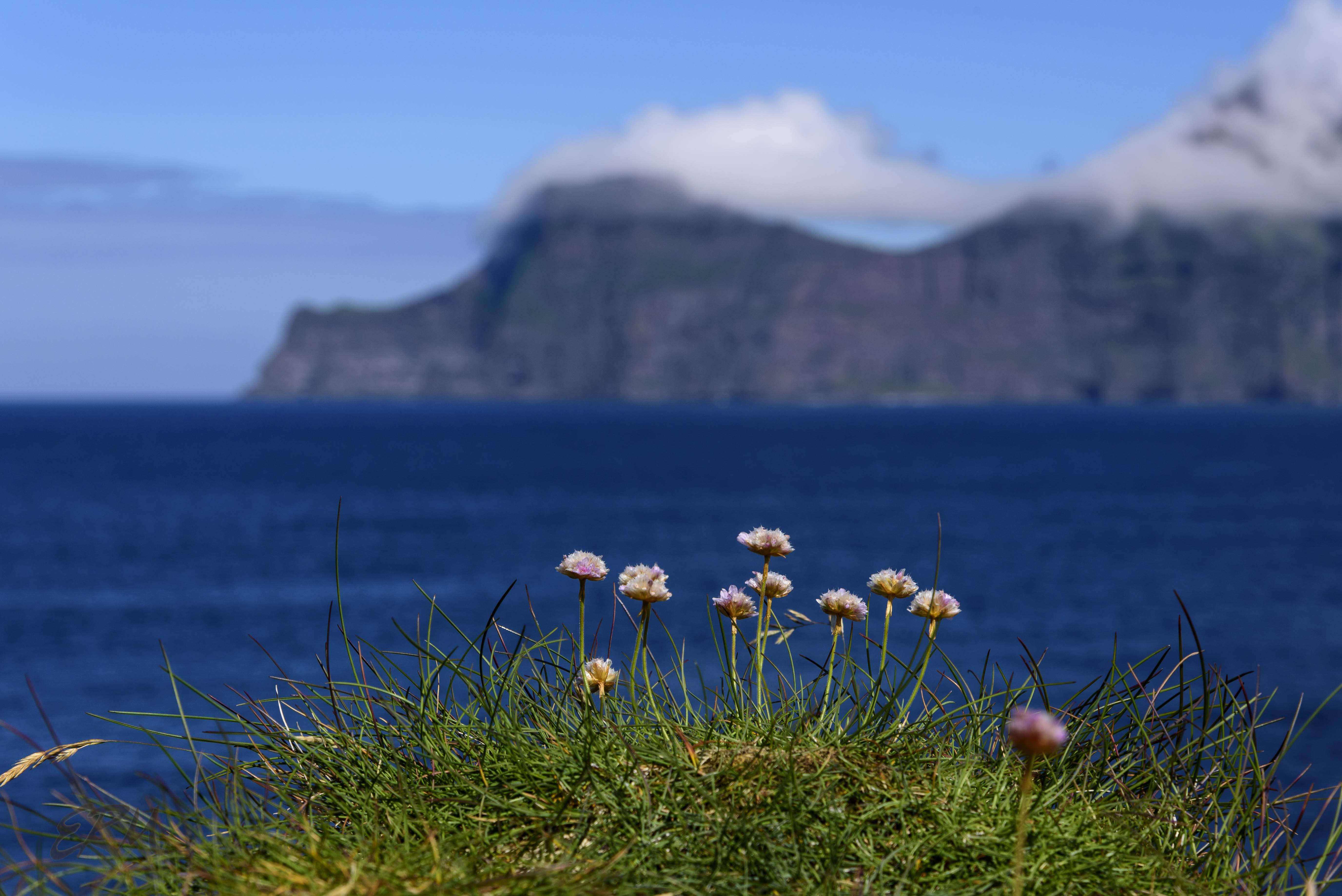
Greetings from Føroyar! I have just a little time to kill in the airport, so here’s a picture of Armeria maritima (sea thrift), growing on a bluff in the town of Gjógv. In the distance is the island of Kalsoy.

I believe the plant is named mjátt sjógras in Føroyskt (Faroese), but info is hard to find on the internet if you don’t read Faroese. And annoyingly, the two wildflower books I purchased are in my already-checked luggage. Also those books are in Faroese, so gleaning information from them will be a challenge.

More about Faroese flora and natural history in coming days.

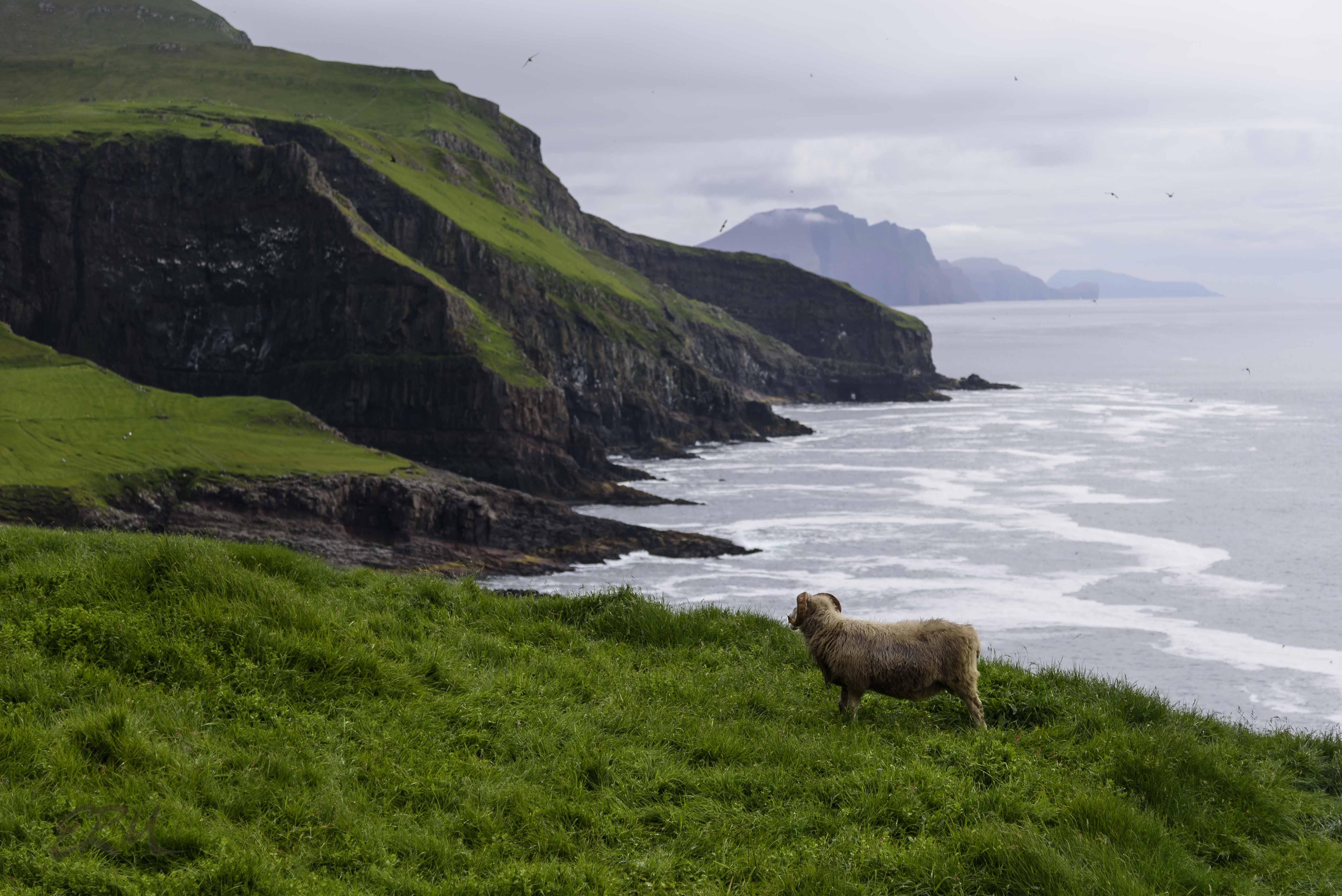
Føroyar means “sheep islands”.