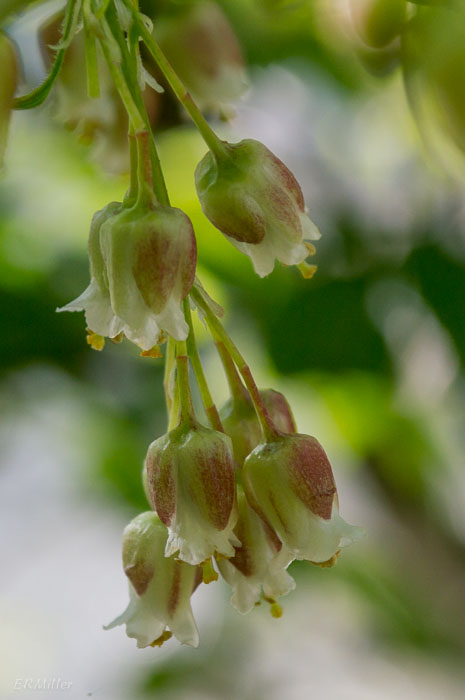
Pussytoes!

I’ve always been fond of tiny flowers, and ephemeral things (like dewdrops and shadows), so I’m always trying to get the camera lens right in there, to get the closest possible shot, or at least a different perspective.  As a benefit, I’ve come to appreciate things in a new way.
20150428-20150428-_DSC0068


plantain-leaved pussy toes
Antennaria plantaginifolia
Asteraceae


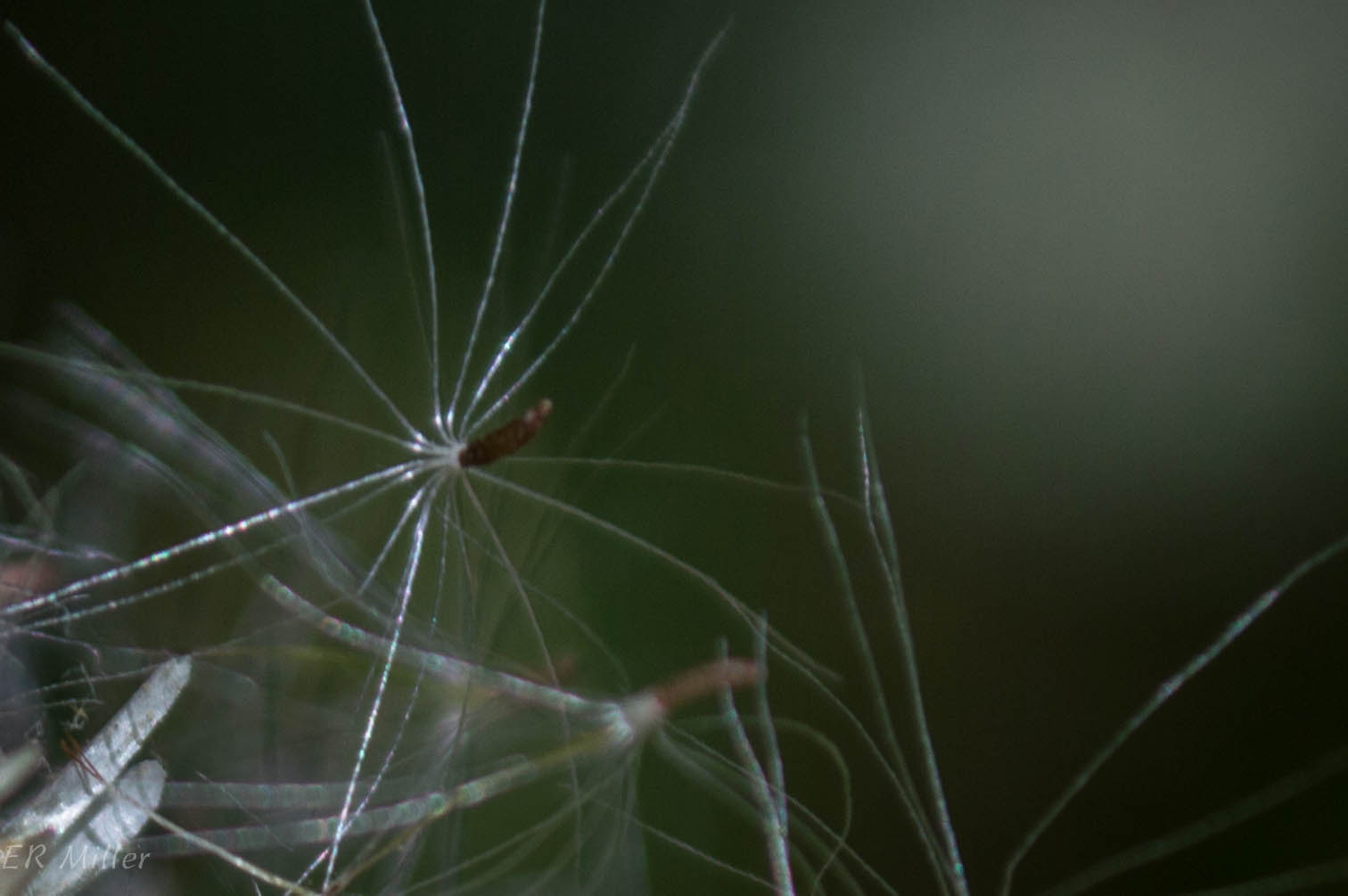
Things like pussytoes, which have never been a favorite.  I’d spent some time trying to get good pictures of them, without much success, then one day last week I spotted a stand of pussytoes that looked… strange.

20150514-20150514-_DSC0123

Like the flower heads were coated in spiderwebs.
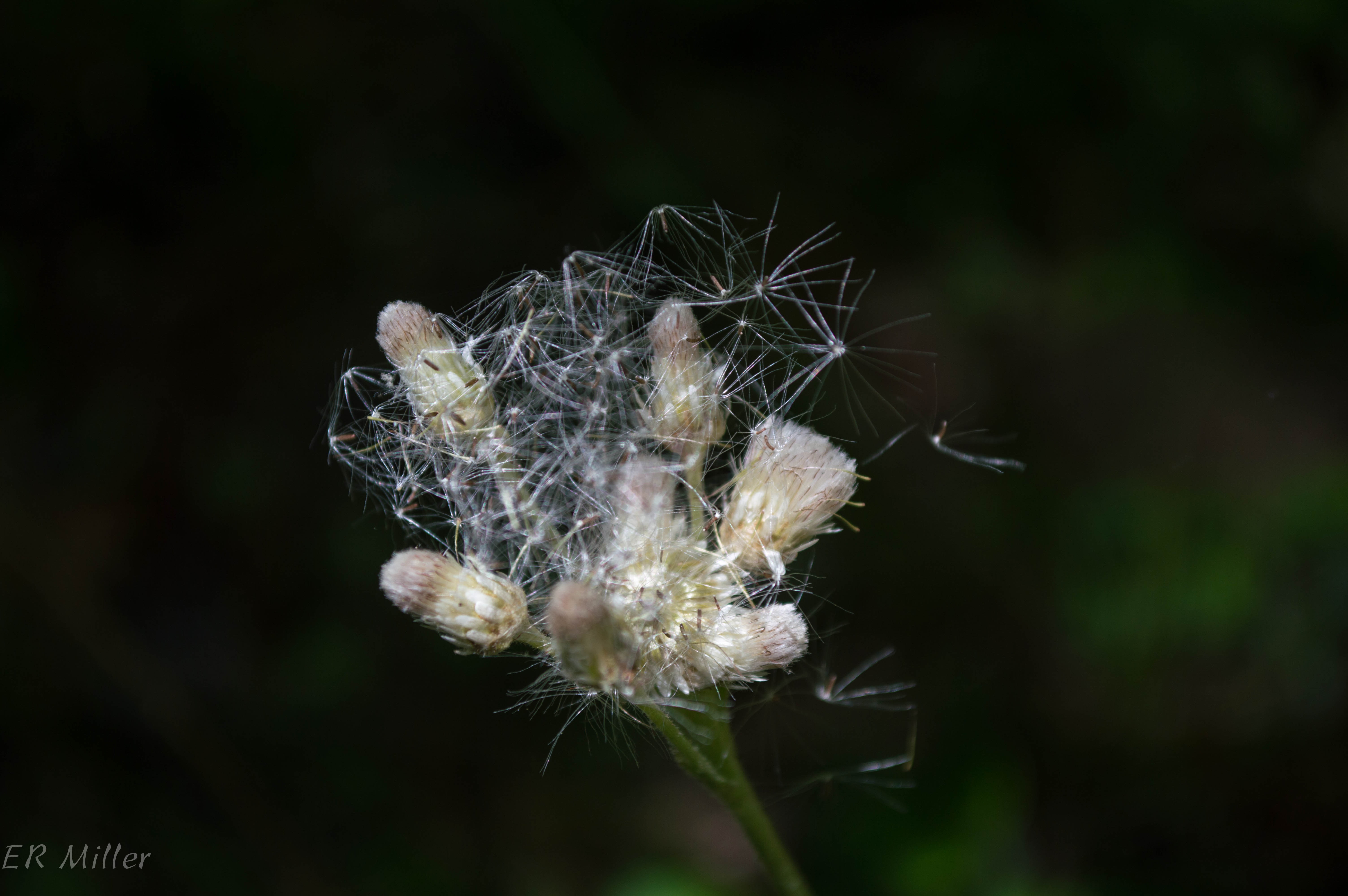
20150514-20150514-_DSC0129

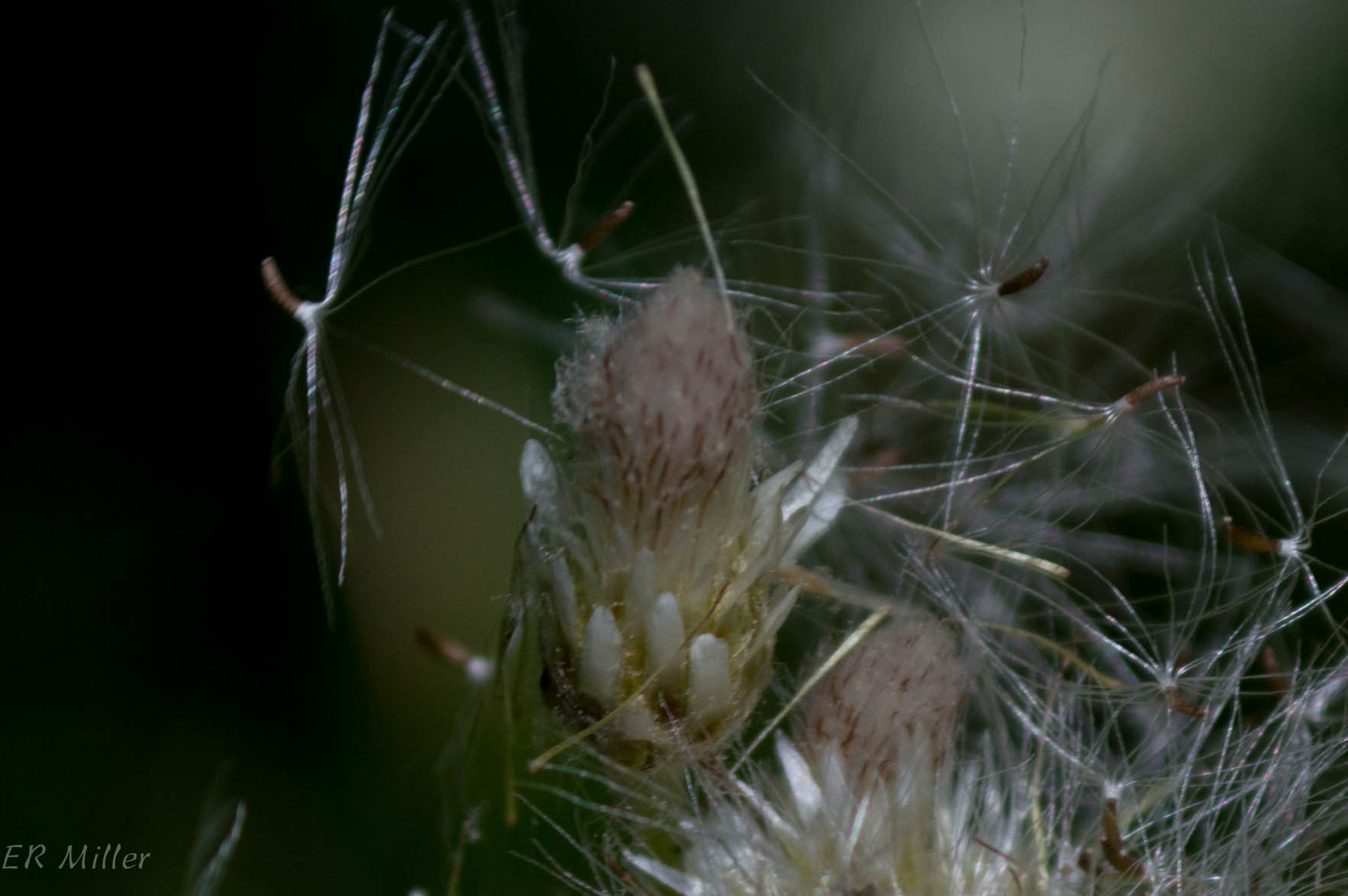
It wasn’t ’til I got the lens closer that I saw what was really happening – they were going to seed. Quickly. A light breeze was pushing the seeds away as I worked.

20150514-20150514-_DSC0125

20150514-20150514-_DSC0124

20150514-20150514-_DSC0126

This plant is a low-grower, a small basal rosette of gray-green foliage coming up in dry, rocky soils in full sun, with an inflorescence that might stand as much as two feet tall; the flower heads are small, and clustered tightly together.  About three dozen species of Antennaria grow across the US, six of which can be found in the mid-Atlantic.

Another common name for this species is woman’s tobacco.  I have no idea why.

Flower of the Day: Virginia Spiderwort

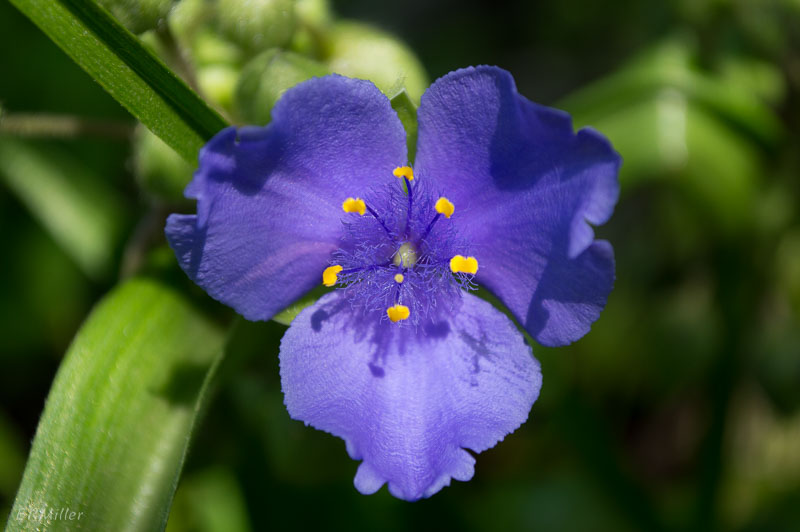
20150507-20150507-_DSC0080

 aka spider lily

Tradescantia virginiana
Commelinaceae


More than two dozen species of Tradescantia grow in the US; most are natives, a few are alien.  Of these, only this one and T. ohiensis can be found in the Maryland Piedmont.  The plants stand two to three feet tall, and like moist soils and some shade.  The flowers open in the morning and close by early afternoon (maybe later on overcast days).  Each flower lasts only one day, but the plant can produce flowers over a period of a month or more.

20150507-20150507-_DSC0085

This is a nice plant for the garden, and there are many hybrids in the nursery trade. Remember, if you garden to benefit wildlife (bees and butterflies visit spiderwort), look for the species rather than cultivars, which are often not recognized by the wildlife you’re trying to attract.

Here are a few brief articles on the subject:
http://www.audubon.org/news/how-buy-native-plants
http://pollinatorgardens.org/
http://www.dcnr.state.pa.us/forestry/plants/nativeplants/

20150507-20150507-_DSC0084


Variations on a Theme: Blueberry and Deerberry

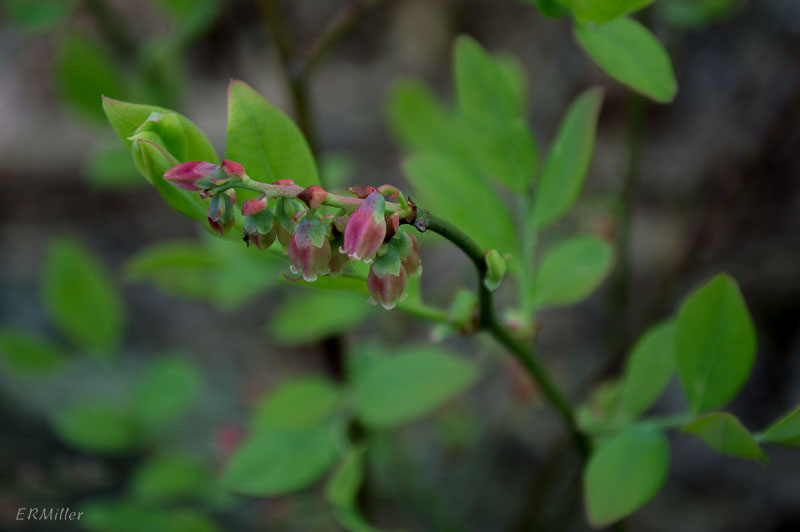
20150428-20150428-_DSC0060


Vaccinium corymbosum
highbush blueberry


20150507-20150507-_DSC0043


Vaccinium stamineum
deerberry


Vaccinium is a large genus, comprising some 450 species worldwide, of which about 40 can be found in North America. You might know them by the common names blueberry, bilberry, deerberry, lingonberry, huckleberry, cranberry… Some of the species can be rather difficult to distinguish unless you examine the fruit, and good luck with that, because just about every mammal feeds on them (including me if I ever get to them first).

The rocky areas near Carderock are covered in these two unassuming little shrubs, which along with V. pallidum are the only Vaccinium species found in the Maryland Piedmont (according to the Maryland Biodiversity Project.)  Like most other plants in the Ericaceae (heather family), they like well-drained acidic soils and a good amount of shade.

20150507-20150507-_DSC0044

Flower of the Day: American Bladdernut

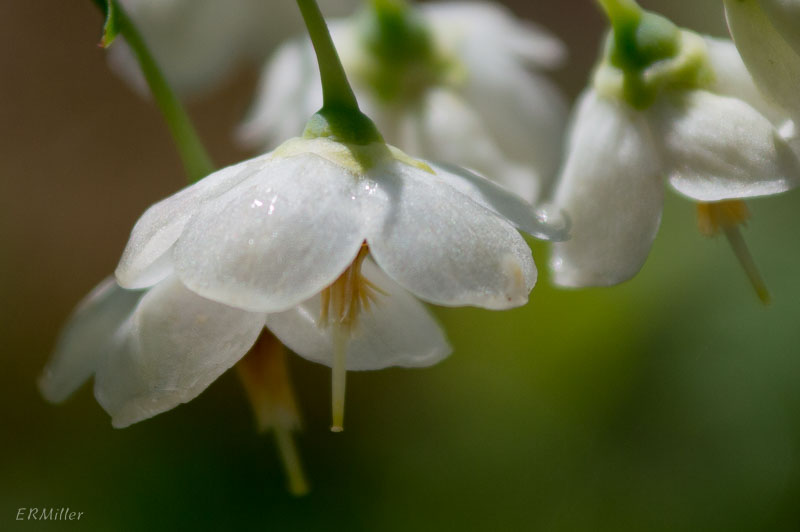
20150429-20150429-_DSC0010


Staphylea trifolia
Staphyleaceae


As with fringtree (May 13), I don’t have any pictures of an entire specimen, because I’ve never seen one that wasn’t crowded in among other trees and shrubs.  Whereas you’re likely to find fringetree on bluffs, you’ll find bladdernut right along the river.  It, too, is an understory tree, but one that prefers a bit more light and a lot more water.

20140519-American bladdernut fruit

Bladdernut is more of a Mid-Atlantic and Midwest tree, fairly common throughout its range.  It’s small, usually standing about 12 feet tall or less, and unremarkable except for the lovely flowers.  And interesting seed-pods.

20141226-_DSC0006