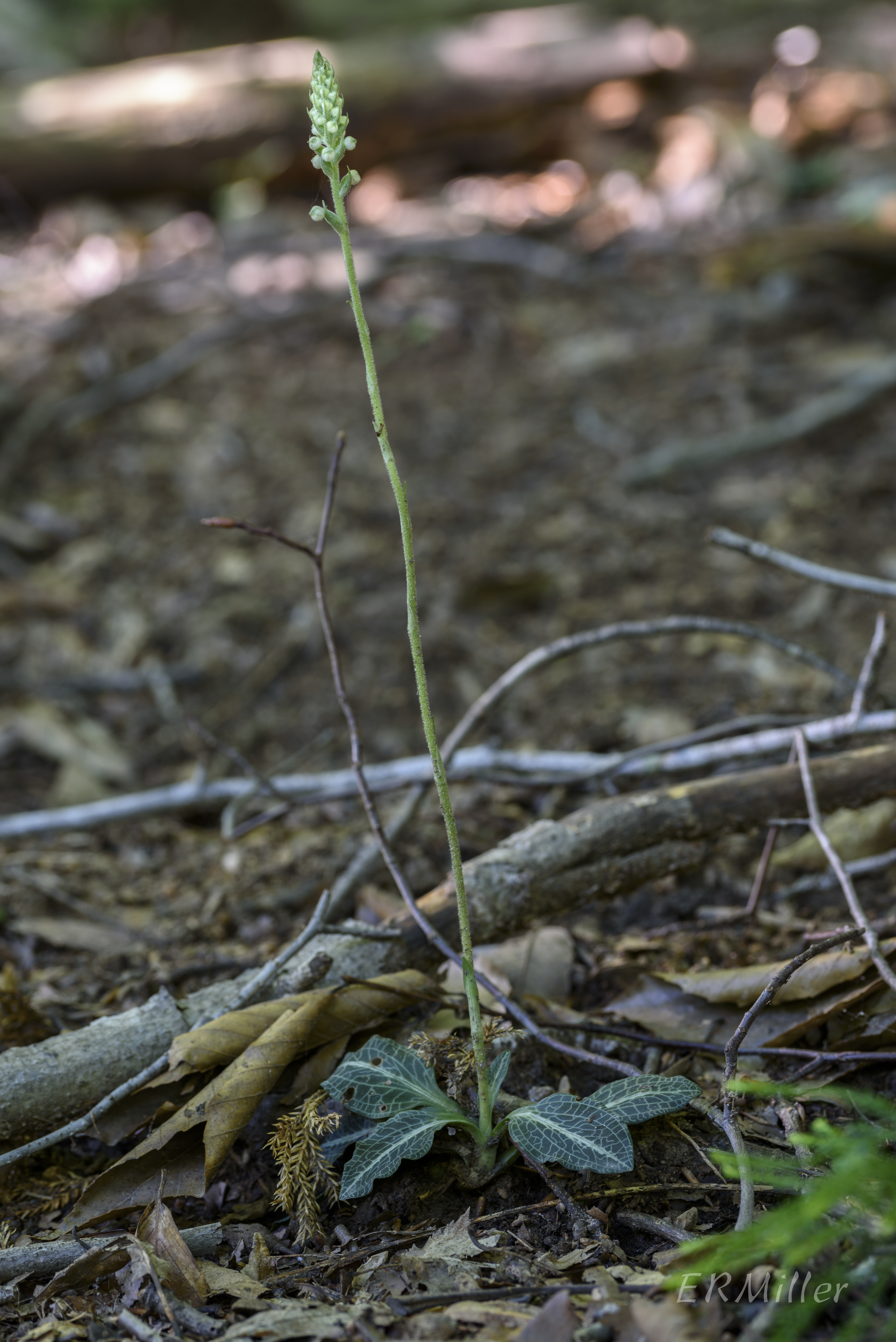
I Blame the Ants

20160713-_DSC0028

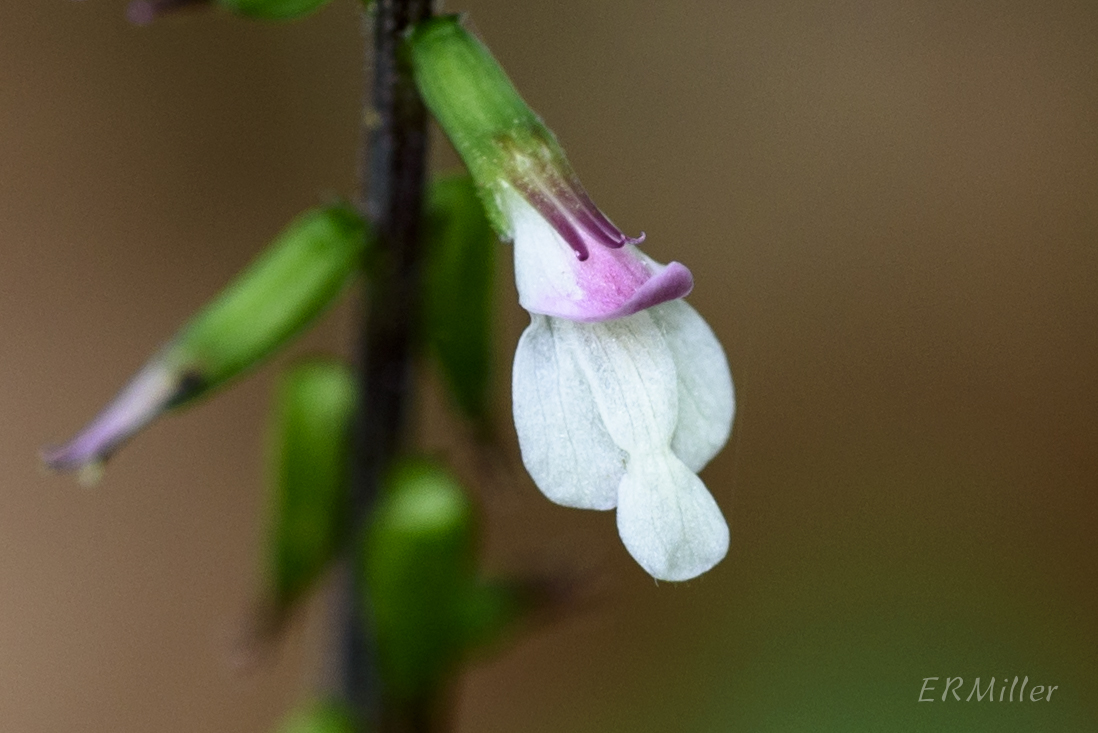
Wednesday morning I went to check on the downy rattlesnake plantain. The buds weren’t open yet. But I did find a lovely stand of lopseed (Phryma leptostachya), so I took out all the gear and had a lot of fun trying to get extreme closeups.

20160713-_DSC0029

It was already 80ºF by 9am, humid and dead still, no breeze at all. But the plants were still shaking around. Eventually I saw ants on them. So every few pictures I would move camera and tripod over to a different plant and shoot those flowers, until the ants came back. If any of these pictures are less then perfectly clear, it’s the ants’ fault.

20160713-_DSC0024


Macro work really requires stillness. It’s hard to do in the field.

20160713-_DSC0043

Each flower measures about 3/8″ long.


At any rate, I wrote a very detailed post about lopseed last summer; you can read all about it there. This post is just about the pictures. Please click on them to enlarge and see the fine details.

20160713-_DSC0005

Icelandic Pinks

“Pinks” in this case refers to plants in the pinks family, Caryophyllaceae, so named not for the color but for the jagged edges on the petals (in some species), which look as though they’ve been cut with pinking shears.

The Caryophyllaceae is a cosmopolitan family, and a big one, with over 2,000 species in 80 genera. The genus Silene is said to be the largest genus in the family; on-line sources list anywhere from 300 to 700 species in it.

There are five species of Silene in Iceland, though you may only find three in many sources; the two others are Lychnis species that have recently been renamed. There are about a dozen in Maryland, of which only four are native.

Silene acaulis
moss campion; cushion pink
Icelandic: lambagras


This plant grows almost everywhere in Iceland except on the glaciers. It’s similar in form to our native S. caroliniana ssp. pensylvanica (wild pink):

The flowers of the Icelandic species are smaller, and although the plant itself can be sprawling, overall the leaves and blossoms are quite compact. Wild pink is more open, and doesn’t grow as large.


Silene dioica
red campion
Icelandic: dagstjarna


Native to subarctic Fennoscandia, red campion can be found as an introduced species in both Iceland and North America (Canada and about half of the US). In Iceland it occurs in only a few lowland areas; I found it near Akureyri and Ólafsfjörður.


Silene suecica
formerly Lychnis alpina,
Viscaria alpina
alpine catchfly, alpine campion
Icelandic: ljósberi


Not quite as common as S. acaulis, but still pretty widespread. Its native range includes northeastern Canada, Greenland, and Fennoscandia. I found both the white and pink forms near Húsafell.

Silene uniflora
formerly Silene maritima ssp. islandica
sea campion
Icelandic: holurt


Although widely available in the nursery trade in the US, S. uniflora is endemic to Iceland. It’s easy to identify because there’s nothing quite like it. It’s common in the central highlands as well as much of the lowlands. I saw it near Ísafjorður, Akureyri, and Húsafell.20140702-DSC_0008


Just for fun, here’s the other Silene I’ve found in the Maryland Piedmont: S. stellata (starry campion), which should be blooming now. Maybe I’ll go hunting for it and try to get better pictures.
That’s Right, Orchids in Iceland

As far as I can tell, seven species of orchid grow in Iceland. I was lucky enough to spot three of them. Here are the other two.


Dactylorhiza viridis
(formerly
Coeloglossum viride)
frog orchid
Icelandic: barnarót

What a delight to find this particular species, native not only to Iceland but also North America (as far south as North Carolina in the Appalachians and New Mexico in the Rocky Mountains) and northern Asia. In Iceland it’s fairly widespread, growing in heathlands and other rich soil areas at mid elevations. I’ve seen it once before, in Catoctin Mountain Park, a rare find since it’s listed S1/Endangered in Maryland, but it wasn’t blooming then.


Platanthera hyperborea
northern green orchid,
butterfly orchid, bog orchid
Icelandic: friggjargras


Northern green orchid’s native range includes northern North America (Greenland, Canada, Alaska), parts of Asia (Korea, Japan), and of course Iceland. It’s a fairly common plant there in fertile soils, especially heathlands.

Sorry I don’t have better pictures. Guess I’ll have to go back next year and do better.

Orchids in Iceland?!

I spotted this charmer in a little forest park outside of Ísafjorður, in the Westfjords. I was wearing contact lenses at the time so couldn’t make out any details (I usually wear glasses when I’m shooting, since I see much better close up with them). All I saw was spotted leaves and a spike with pinkish flowers. The general form made me think monocot (correct), and the spots reminded me of trout lily, so I was thinking maybe it was in the Liliaceae (wrong).

As soon as I got the pics on the computer and zoomed in I saw my mistake. This is an orchid, Dactylorhiza maculata. The English common name is heath spotted orchid. In Icelandic it’s brönugrös.

20160618-_DSC0403-2

It’s one thing to have read that orchids are found the world ’round (except Antarctica), in most habitats, but quite another to trip upon one in Iceland when you aren’t expecting it. I was so happy!

In Iceland, heath spotted orchid is rather common within its range, but its range isn’t too extensive. It’s found in some coastal areas but not the central highlands. It’s a subarctic plant that ranges through northern Europe, further south in Europe in the mountains, and even parts of North Africa.

This species does not grow in North America, but three other Dactylorhiza species do, including one that’s endangered in Maryland.