Not a Cryptantha

20160309-_DSC0564

Amsinckia tessellata
checker (or western or bristly) fiddleneck
aka devil’s lettuce
Boraginaceae


After looking at so many cryptanthas, I was sure that’s what this had to be. There are two yellow-flowering cryptanthas, this must be one of them, right?

Nope. It is in the borage family, though, so it’s not too distantly related. It’s an annual, with a range north and west from New Mexico into British Columbia, and, strangely, Missouri.

I thought I was done with this, then stumbled across references to other Amsinckia species. There are eleven species, about eight of which are in Death Valley. Not nearly as tricky to identify as the cryptanthas, but not so straightforward, either. It’s possible that the species pictured here is actually A. menziesii var. intermedia. I’m guessing it isn’t, though, based on my principle “when in doubt, choose the common one over the rare one.”  To confuse matters a little more (because that’s what taxonomy does), I think this is A. tessellata var. tessellata, rather than the less common variety gloriosa.

20160309-_DSC0579

Two Years Old

20150429-20150429-_DSC0033

Happy 2nd Birthday to my blog! I’m celebrating by changing the look. Also by upgrading the account. OK, actually it’s not celebrating; I’ve uploaded so many pictures that I ran out of space, so I had to upgrade.

young fronds of ebony spleenwort


I’m also celebrating by re-posting some favorite photos.  Enjoy.

20150503-20150503-_DSC0004


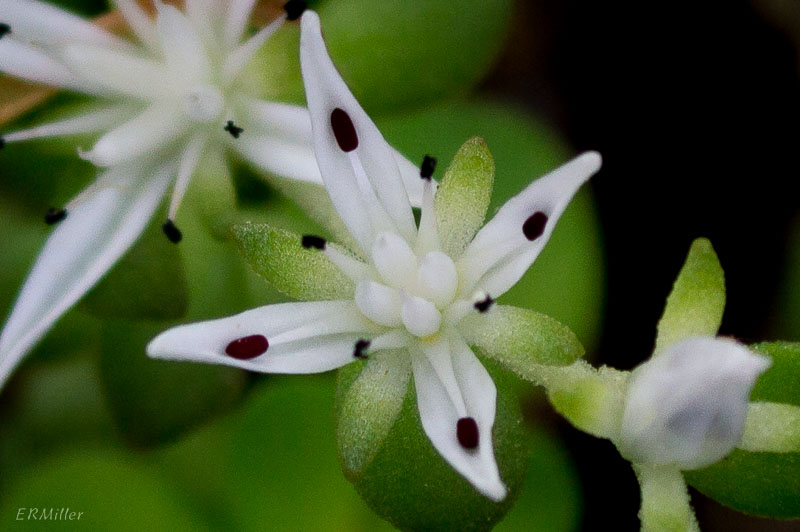
wild stonecrop


20150520-20150520-_DSC0045


partridgeberry


20150429-20150429-_DSC0111


flowering dogwood


20150612-20150612-_DSC0055


enchanter’s nightshade


20150421-20150421-_DSC0002


miterwort

20150707-20150707-_DSC0022


lopseed

20140729-DSC_0123


cranefly orchid

20140811-DSC_0118


purple-headed sneezeweed

20150924-_DSC0147


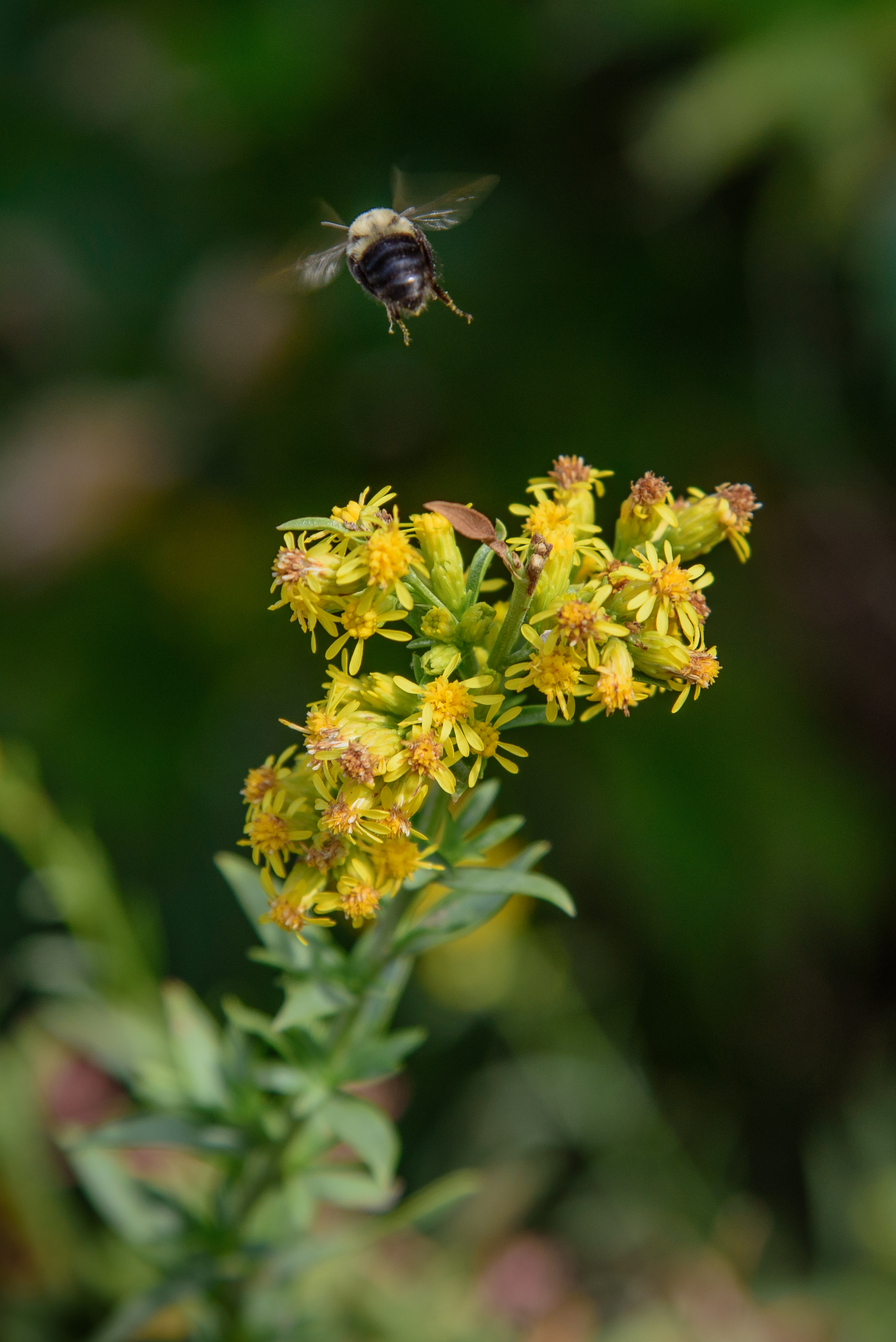
bee leaving goldenrod


Back to regular blog posts tomorrow!

This is Why We Hate Invasives

Last summer I was tickled to discover eleven new (to me) species of wildflowers growing along the Potomac between Fletcher’s Cove and Chain Bridge. These weren’t little bitty plants, either – most were big and showy. So yesterday I went back and hiked the river trail from Fletcher’s to a point within view of Chain Bridge – about six-tenths of a mile.  And this is what I saw:

20160330-_DSC0004

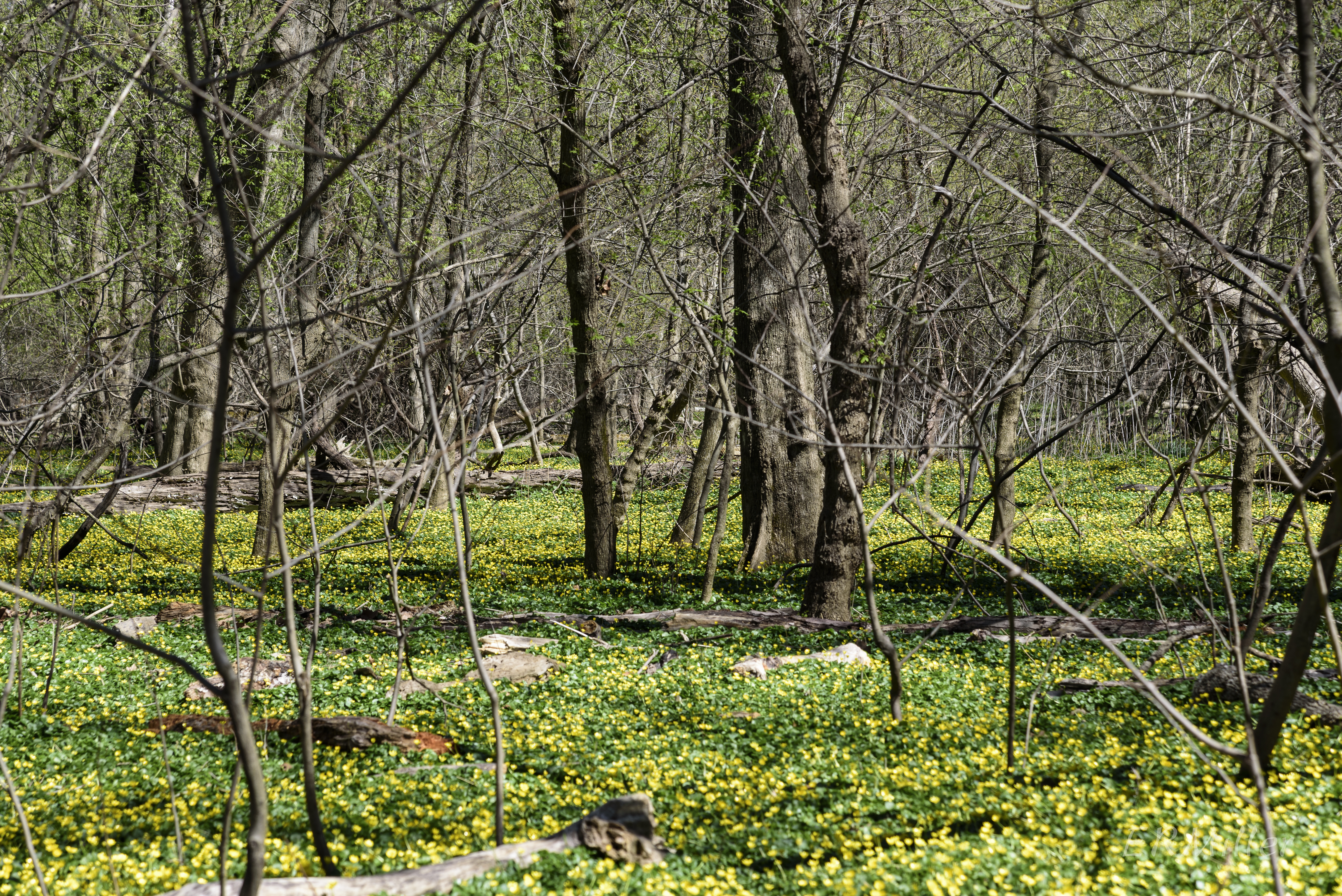
It’s forgivable if you find it pretty, but to a native plant enthusiast it’s a horror show, a textbook example of the danger of alien invasive species. It’s lesser celandine, aka fig buttercup (Ranunculus ficaria, previously Ficaria verna, Ranunculaceae), one of the worst invasives in the area. And you can see why from the picture. Strictly speaking, that isn’t a monoculture, as I did find other species in there: henbit and some purple deadnettle (also alien invasives), with a few spring beauties popping through. And, near Chain Bridge, I saw a single clump of field chickweed.

Try to imagine this. The area is a floodplain about one-tenth of a mile wide (from the river to the slope up to the canal towpath) by at least six-tenths of a mile long, and the whole thing is predominately one species.

This is why we hate invasives. Not because they’re alien per se, but because they can overcome everything. Imagine what this might have look liked a few decades ago: a carpet of Virginia Bluebells giving way up-slope to trout lilies, Dutchman’s breeches, spring beauties, and cut-leaved toothwort.

It makes me a little sick.

End of March Update for the Potomac Gorge

20160328-_DSC0481


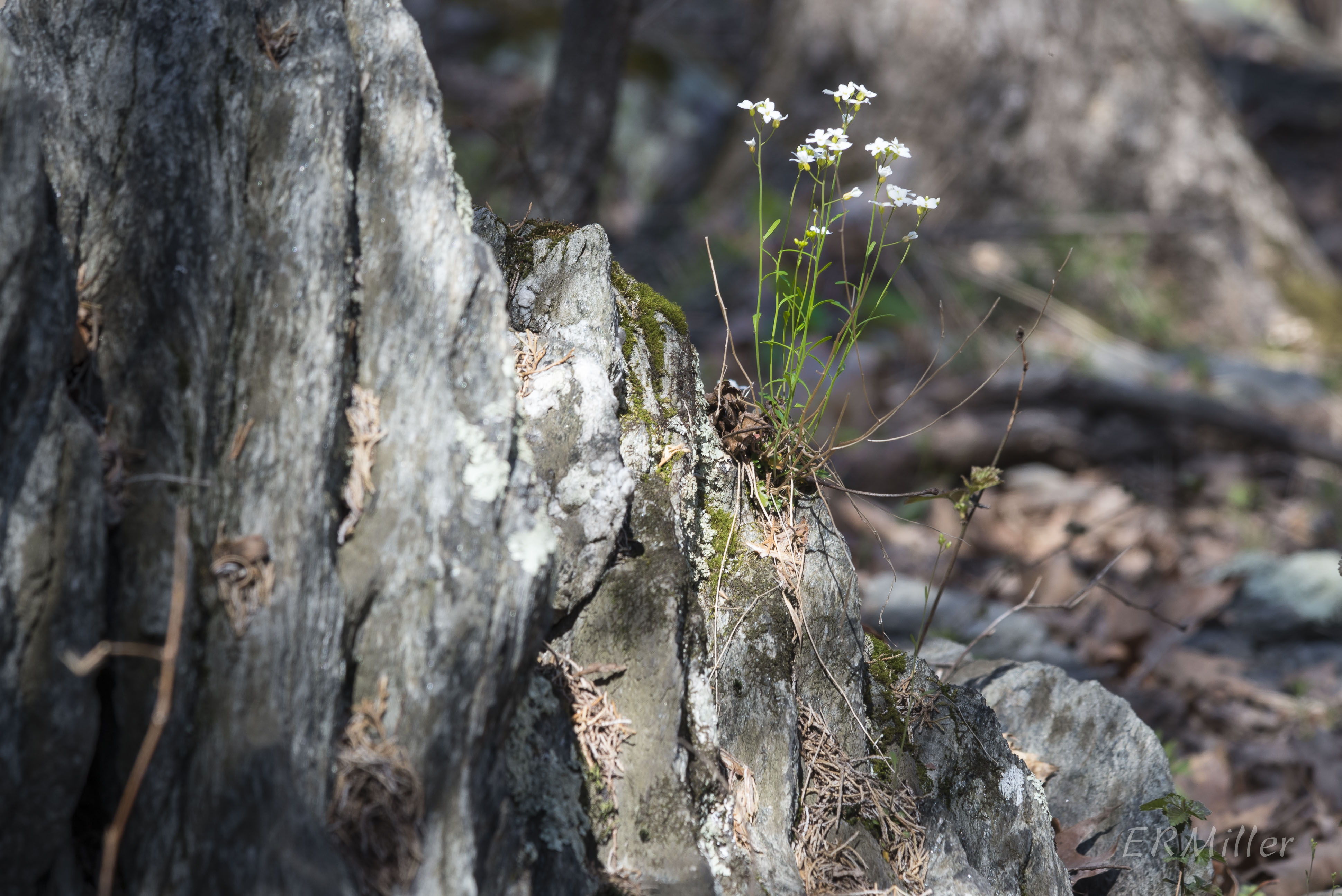
lyre-leaved rock cress, in its favorite place


It’s a strange season. Lots of different plants are blooming, but not in the vast quantities I would expect. Several species are blooming rather early, or very early, like a full two weeks sooner than last year (not unexpected given a very warm autumn and winter).

20160328-_DSC0500


star chickweed
quiz: how many petals are on this flower? (answer below)


On Monday, March 28, harbinger-of-spring was done. Otherwise, the plants I reported on last week are still going, and nothing has hit its peak yet.  To that list add

…quiz answer: five; each of the petals is deeply divided into two lobes, so that a single petal appears to be two