Seeds

Call me a snob, but I’m just not interested in invasive alien plants.  I’d rather see a tiny, subtle native than a big, splashy exotic.  But there are times when they have their charms.

20150527-20150527-_DSC0048

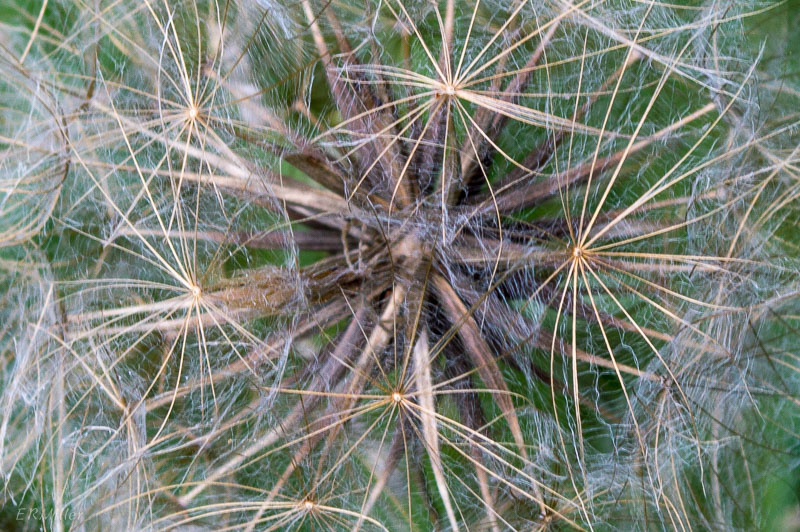
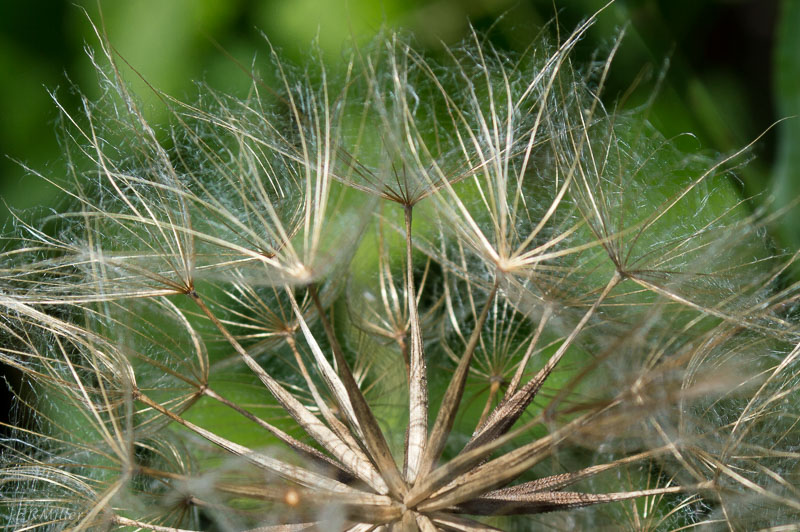
Like when this yellow goat’s beard (Tragopogon pratensis)
went to seed.

June 7

20150616-20150616-_DSC0028-2


June 16

20150616-20150616-_DSC0028

20150616-20150616-_DSC0023

photographed at Belmont Manor and Historic Park, Howard County, Maryland

Flower of the Day: Lesser Daisy Fleabane

20150610-20150610-_DSC0035

Erigeron strigosus
Asteraceae


Four species* of fleabane can be found along the Potomac River in the Piedmont. They’re all pretty similar looking – terminal clusters of many-rayed (50-100) composite flowers, with yellow discs; the rays can be white, pinkish, or purplish. The plants can be distinguished by leaves – how they’re shaped, whether or not they’re toothed – and by a few other characteristics.  They range from a foot tall (Robin’s plantain) to five feet tall (lesser daisy fleabane).

Sadly, I don’t have photos to illustrate all this.  Maybe next year I’ll get some. Mostly I just wanted an excuse to publish the above photo, because I really like it.

20150610-20150610-_DSC0103


*Erigeron annuus, E. philadelphicus, E. pulchellus, E. strigosus

Flower of the Day: Rattlesnake Weed

20150514-20150514-_DSC0078-2

aka rattlesnake hawkweed
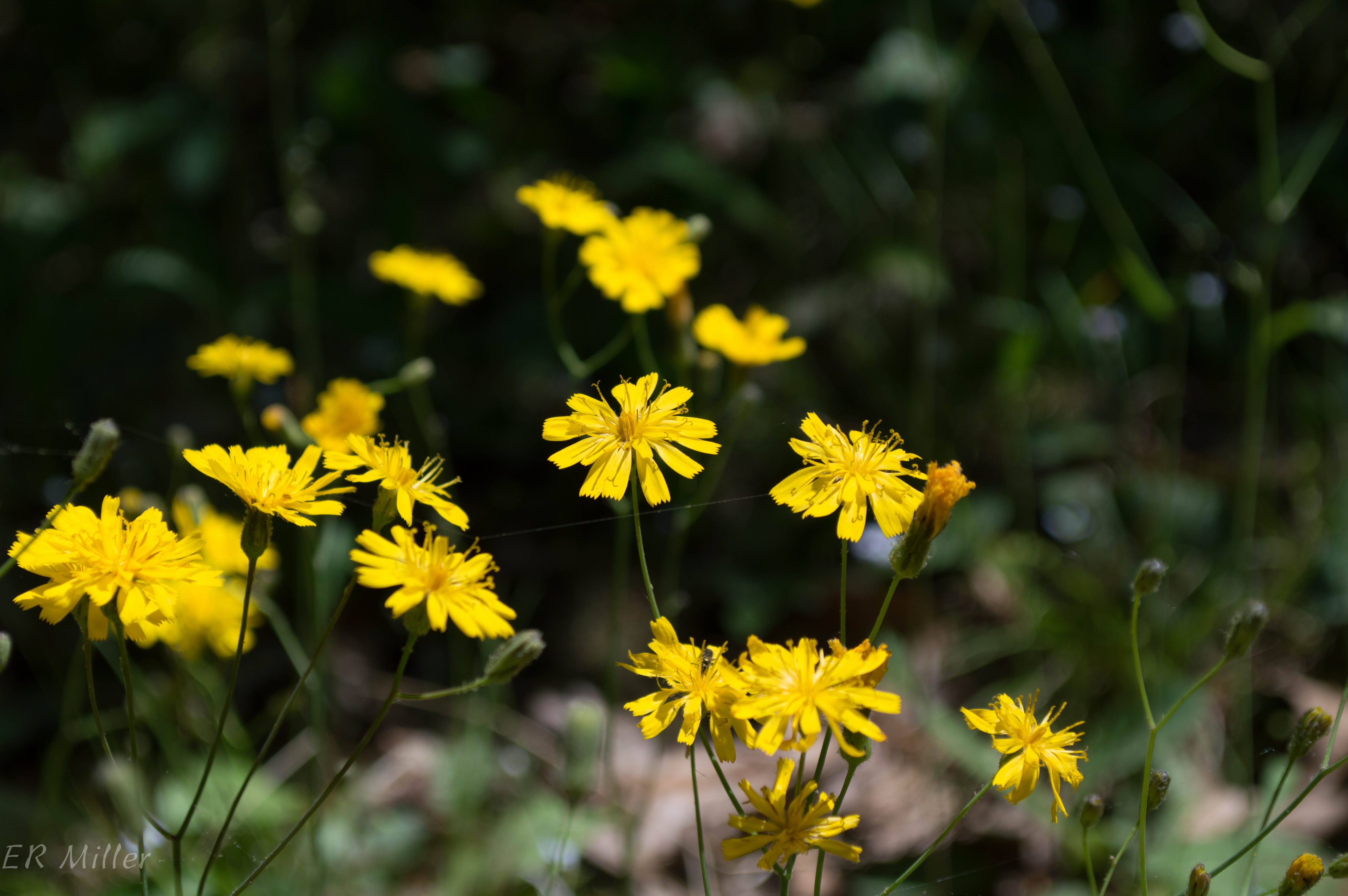
Hieracium venosum
Asteraceae


This species of hawkweed is found in all US states east of Mississippi, as well as Quebec, and west of the Mississippi in Missouri and British Columbia. It’s endangered in Maine.

There are 37 native and 15 alien species of Heiracium in North America; at least one grows in every US state and Canadian province (except Nunavut).  Some of these are naturally occurring hybrids.  And several others are considered noxious weeds. And yet a few more are threatened or endangered.

20140527-DSC_0001


This one grows up to 2 1/2 feet tall in dry, open woods and clearings, usually on rocky soils (or right on rocks).


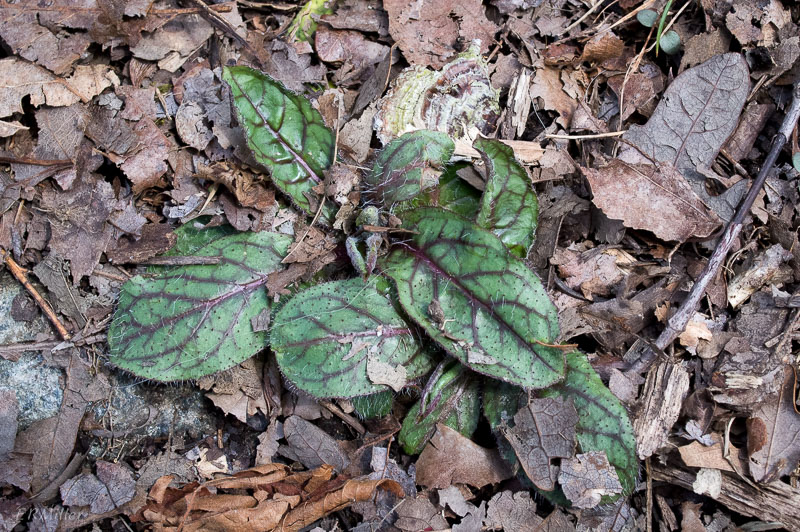
It’s all over the Carderock area as well as the large bluff in the middle of the Billy Goat B trail.  It’s easy to distinguish from other hawkweeds: on the young plant, the basal leaves have a characteristic red venation, though that color fades as the plant ages.

20140408-rattlesnake weed foliage

Several sources state that the moniker “rattlesnake” comes from the fact that it shares habitat with actual rattlesnakes.

20150514-20150514-_DSC0078

Pussytoes!

I’ve always been fond of tiny flowers, and ephemeral things (like dewdrops and shadows), so I’m always trying to get the camera lens right in there, to get the closest possible shot, or at least a different perspective.  As a benefit, I’ve come to appreciate things in a new way.
20150428-20150428-_DSC0068


plantain-leaved pussy toes
Antennaria plantaginifolia
Asteraceae


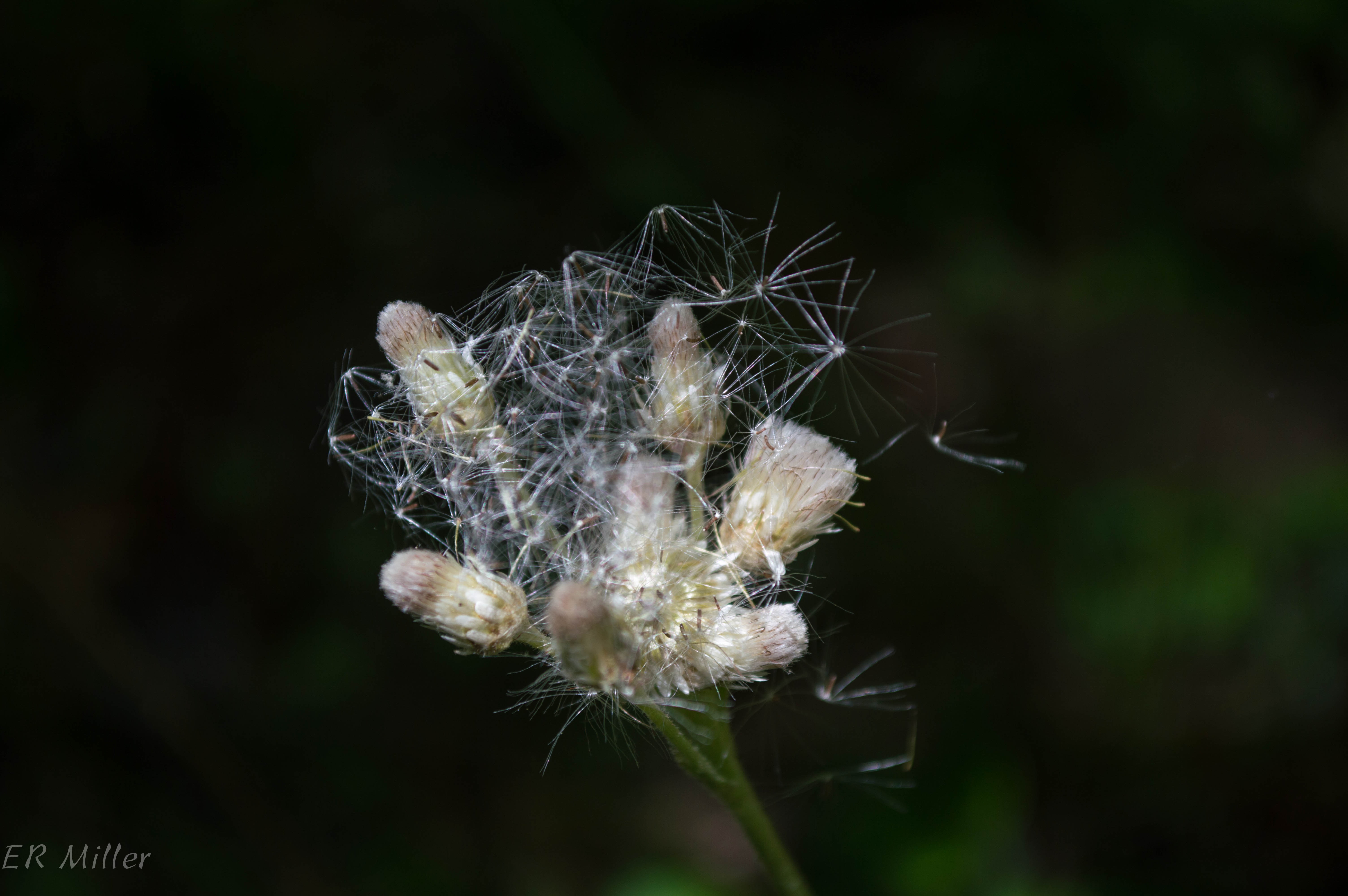
Things like pussytoes, which have never been a favorite.  I’d spent some time trying to get good pictures of them, without much success, then one day last week I spotted a stand of pussytoes that looked… strange.
20150514-20150514-_DSC0123

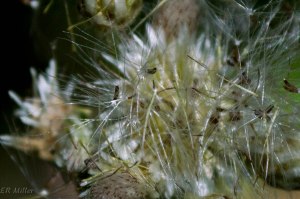
Like the flower heads were coated in spiderwebs.

20150514-20150514-_DSC0129

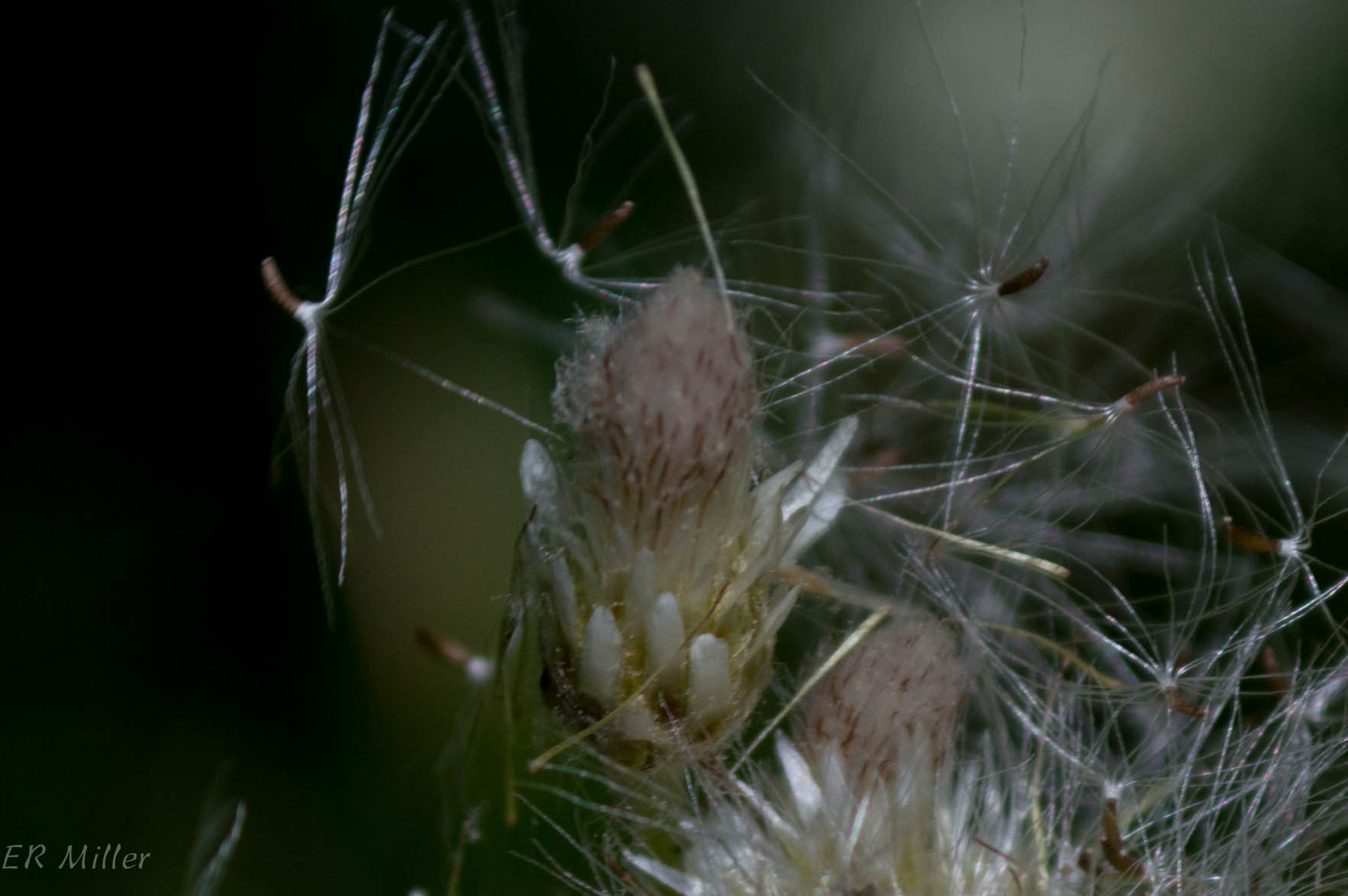
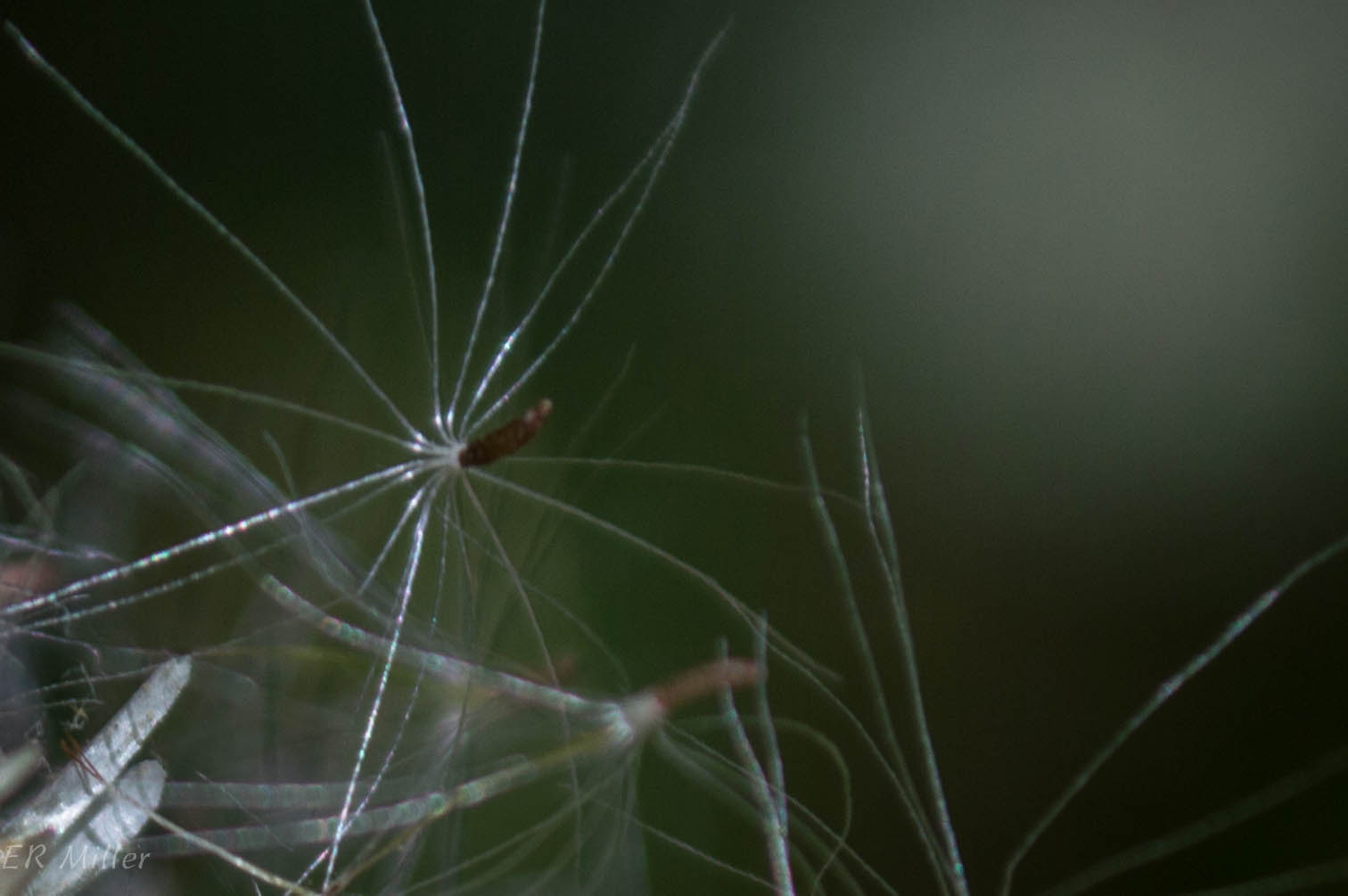
It wasn’t ’til I got the lens closer that I saw what was really happening – they were going to seed. Quickly. A light breeze was pushing the seeds away as I worked.

20150514-20150514-_DSC0125

20150514-20150514-_DSC0124

20150514-20150514-_DSC0126

This plant is a low-grower, a small basal rosette of gray-green foliage coming up in dry, rocky soils in full sun, with an inflorescence that might stand as much as two feet tall; the flower heads are small, and clustered tightly together.  About three dozen species of Antennaria grow across the US, six of which can be found in the mid-Atlantic.

Another common name for this species is woman’s tobacco.  I have no idea why.
The Earliest of the Asters: Golden Ragwort

20150417-20150417-_DSC0001

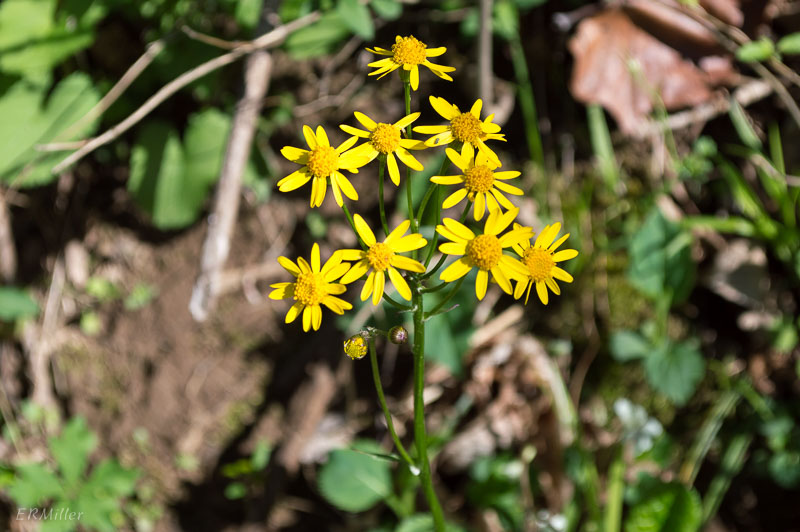
Packera aurea (formerly Senecio aureus); Asteraceae

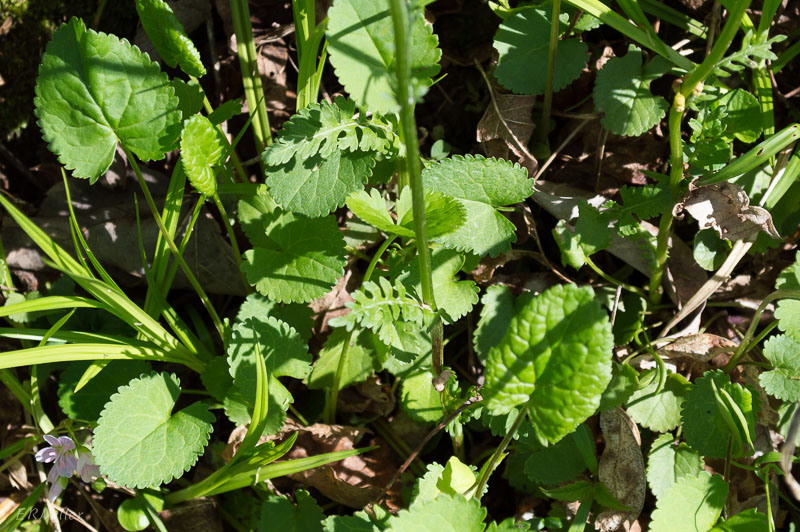
Based on a few years’ observations, I’ve concluded that about one in five flowering plants in the Potomac Gorge are in the aster family.  But most of them won’t start showing up until summer.  Golden ragwort is always the first.

It’s an interesting plant.  The basal leaves appear first: toothed, rounded to oval and indented at the base, they are totally different from the stem leaves, which are elongate and deeply lobed.

20150417-20150417-_DSC0002

The buds are deep purple, opening to golden blossoms.

Golden ragwort forms vast stands in moist bottomlands throughout the eastern US and Canada, blooming about the same time as wild blue phlox and as the Virginia bluebells start to fade.

20150417-20150417-_DSC0006