Who Loves Joe-Pye Weed?

I do, that’s who. And so do the butterflies.  Bent over examining some plant or other at ground level, I stood up to see something moving out of the corner of my eye.
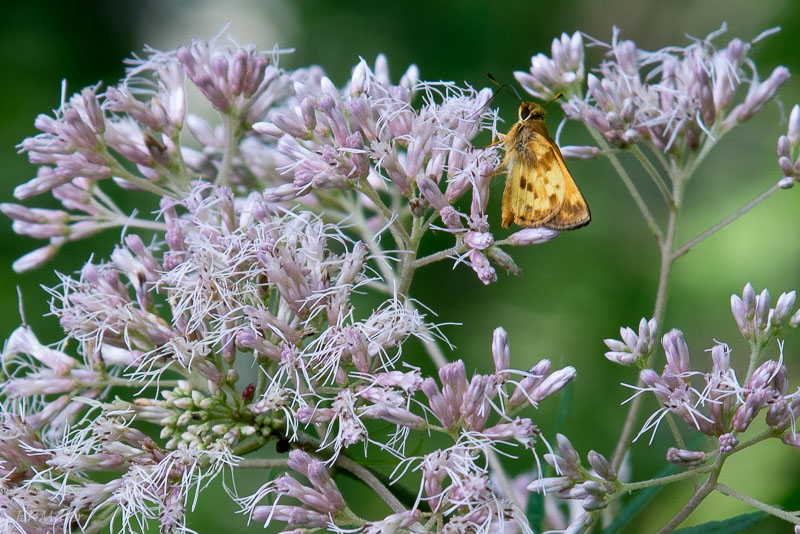
20150728-20150728-DSC_0104


Isn’t that adorable?  Pretty sure it’s a zabulon skipper (Poanes zabulon).


I was putting the camera away when another movement caught my eye.
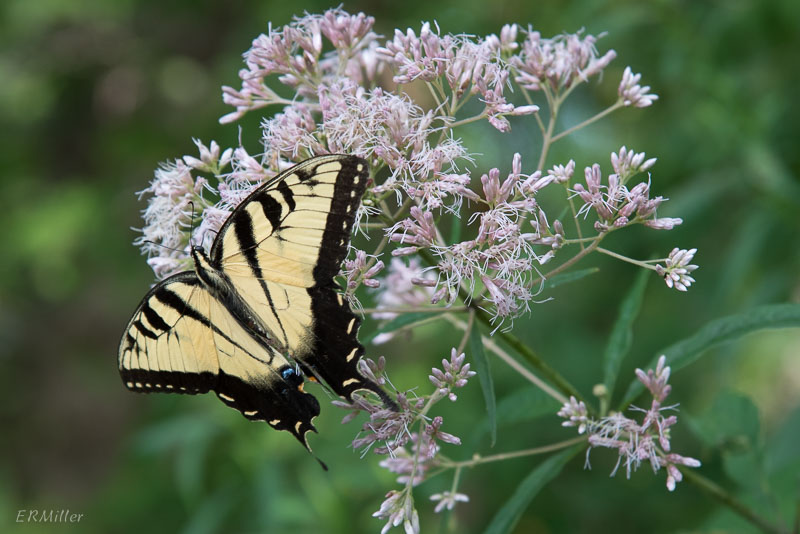
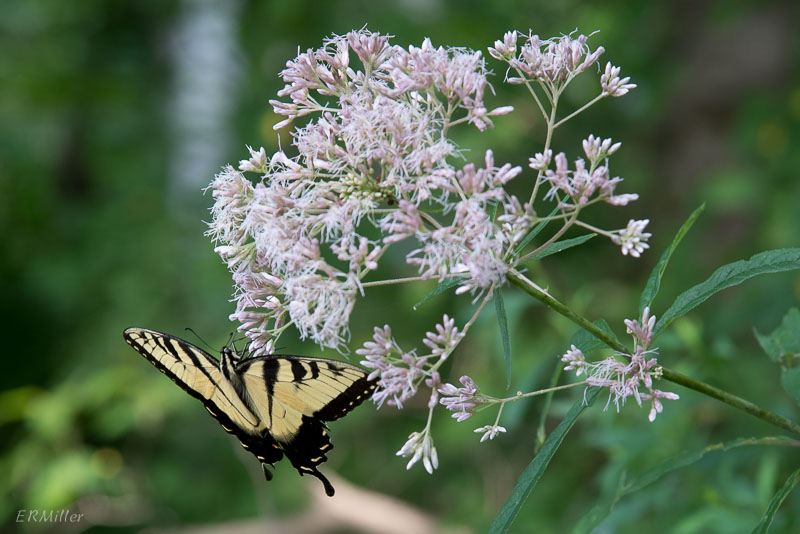
20150728-20150728-DSC_0117


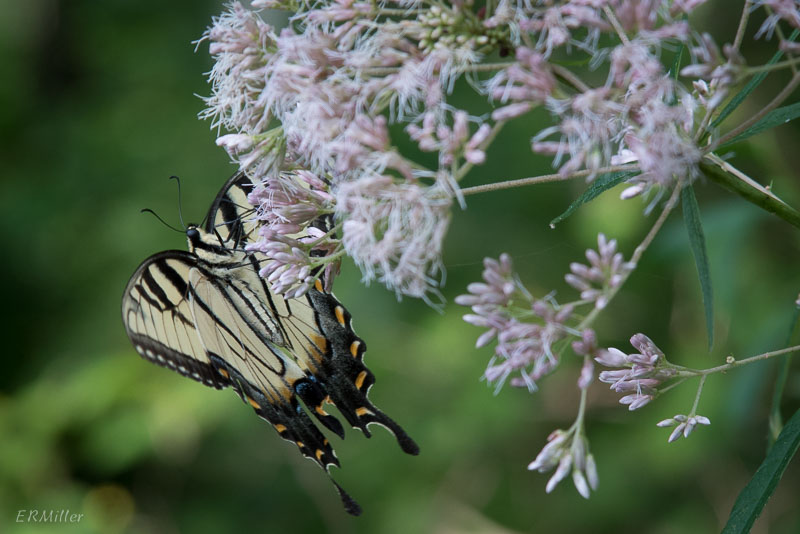
That’s an eastern tiger swallowtail (Papilio glaucus).


This time I kept the camera out and kept shooting.  There was little time to fine-tune the settings (I shoot manual most of the time), but autofocus was my friend that morning.
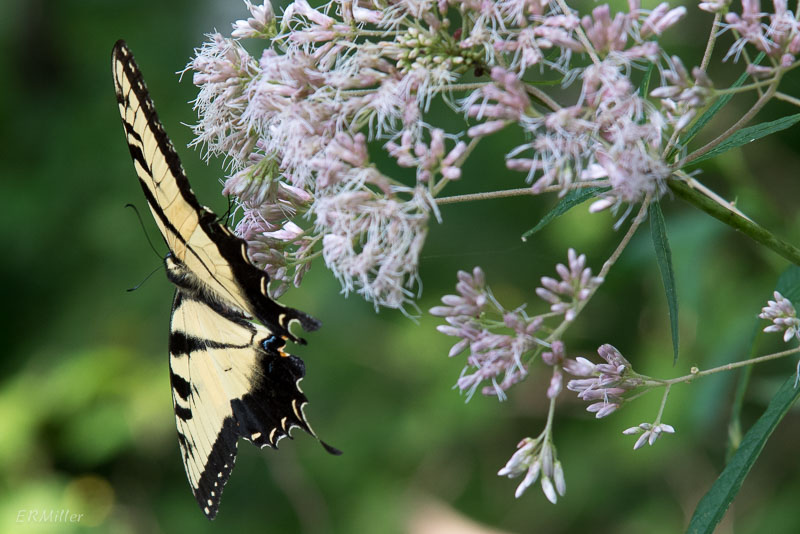
20150728-20150728-DSC_0112 20150728-20150728-DSC_0113 20150728-20150728-DSC_0110 20150728-20150728-DSC_0108


I was even able to get a ventral view!
<————


Tomorrow, another butterfly visits joe-pye.

20150728-20150728-DSC_0118

More Butterflies

20150711-20150711-_DSC0093

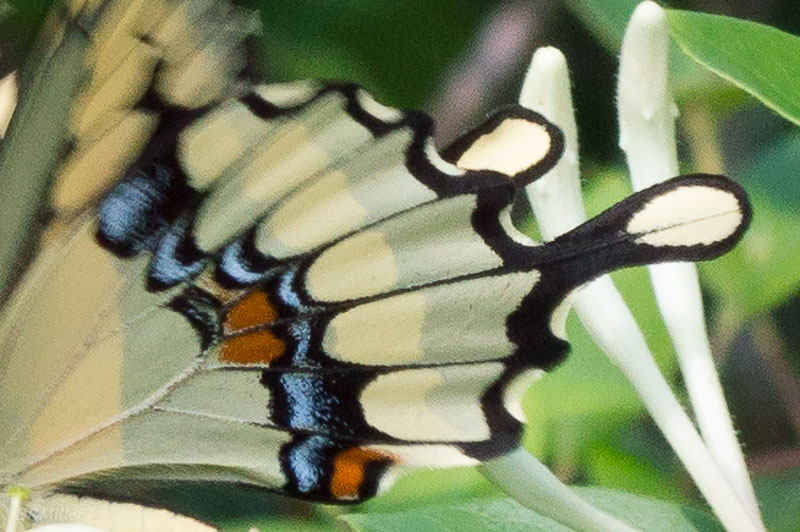
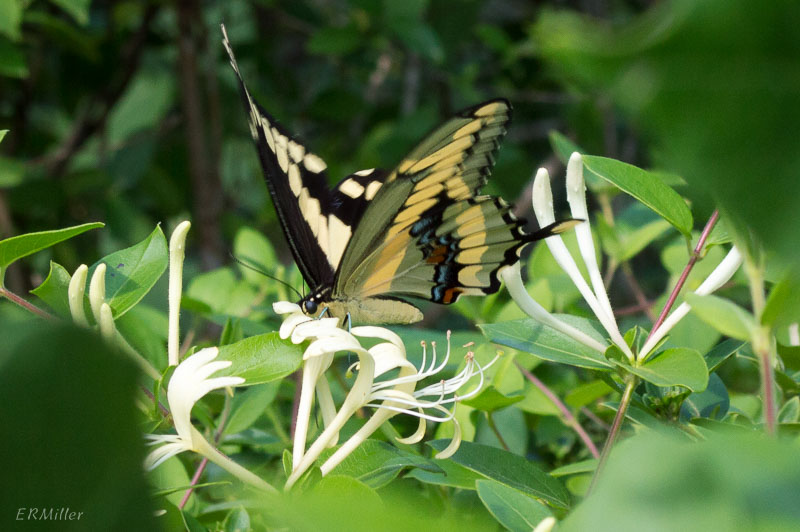
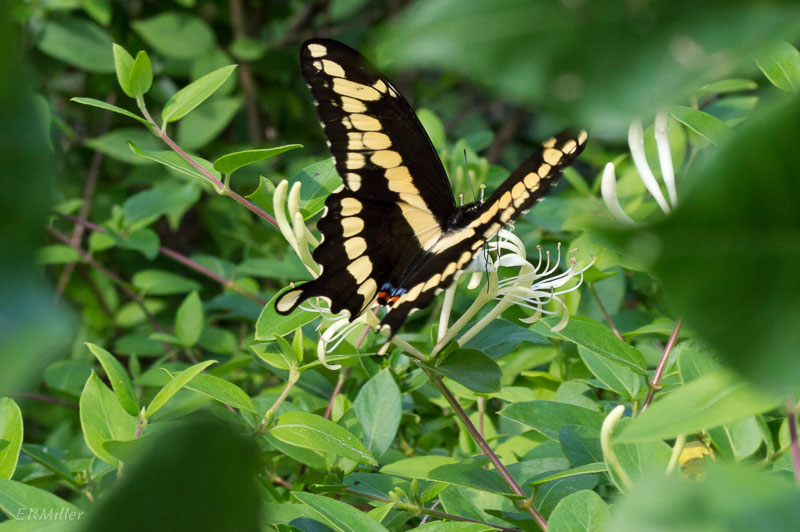
giant swallowtail
Papilio cresphontes
aka Heraclides cresphontes
Papilionidae

20150711-20150711-_DSC0094


With a wingspan of 4 to 6 1/2 inches, this is one impressive butterfly.  Darn thing never stayed still as it flitted about the honeysuckle (Lonicera species). Giant swallowtails can be found east of the Rocky Mountains in the US, as far south as Florida and into the desert southwest.

20150711-20150711-_DSC0096

[photographed near the Potomac River at Rumsey Monument, Shepherdstown, WV]

20150710-20150710-_DSC0101


Much, much smaller (but just as hard to photograph), with a wingspan of about an inch, is the eastern tailed-blue (Cupido comyntas; Lycaenidae); this male is on white clover (Trifolium repens; Fabaceae).

20150710-20150710-_DSC0060

[above and left photographed near Patapsco Valley State Park, Howard County, MD]

And rather less spectacular, with a wingspan up to 2 1/2 inches, is the silver-spotted skipper (Epargyreus clarus; Hesperiidae), shown on red clover (Trifolium pratense; Fabaceae).

The List for October

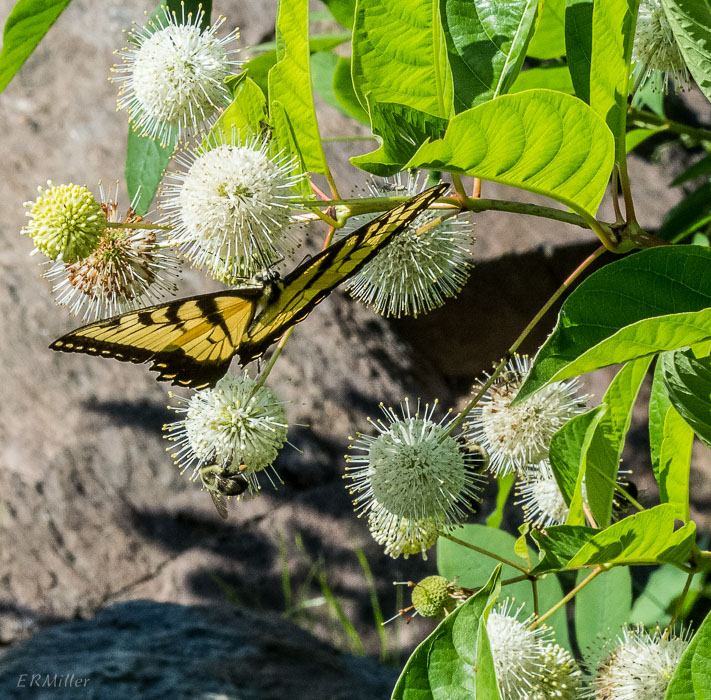
20140728-DSC_0256eastern tiger swallowtail (male) and bumblebee on buttonbush (Cephalanthus occidentalis) in late July, banks of the Potomac River in view of the American Legion Bridge

Plants first seen blooming in the month of Octboer:

  • panicled aster
  • black-eyed Susan
  • Jerusalem artichoke
  • small wood sunflower
  • wild marjoram (alien)

And since I don’t expect to find anything new in November (unless I find witch hazel; I know it’s out there), the 2014 totals are:

  • 276 native species in 77 families
  • 75 alien species in 30 families

for a grand total of 351 species in 81 families, along the Potomac River and C&O Canal from Violette’s Lock south to the American Legion Bridge, and the last mile of Cabin John Creek.  Oh, and that’s not including the 5 asters, 5 violets, 7 grasses, and a few others that I was never able to narrow down to the species level.

Not too shabby.

ps – found witch hazel (fotd yesterday), but not in the Potomac gorge area.

20140923-DSC_0066

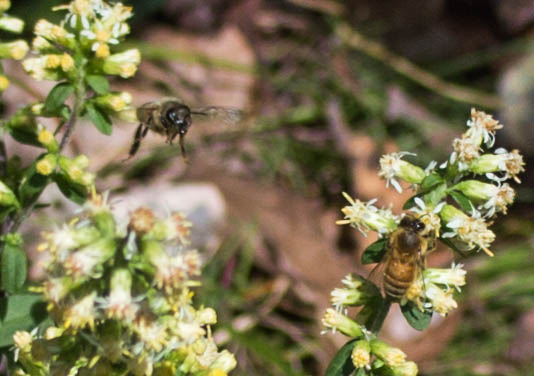
bumblebee crashing honeybee’s party on silver-rod