I Am So Ready

What a winter this has been! Temperatures bouncing around, crazy amounts of rain, or sleet, or snow, or any combination of the three… My favorite trails are all a mess of slick mud.

<–a single harbinger-of-spring plant emerging on March 6, 2019

blooming (February 28, 2018) –>


Nonetheless I’ve taken a few quick hikes to see if anything’s coming up yet. Last year on March 5, round-lobed hepatica was blooming on the Cabin John Trail, along with a single incredibly early Virginia bluebell. This year on March 5, I saw a single clump of hepatica leaves, without buds.

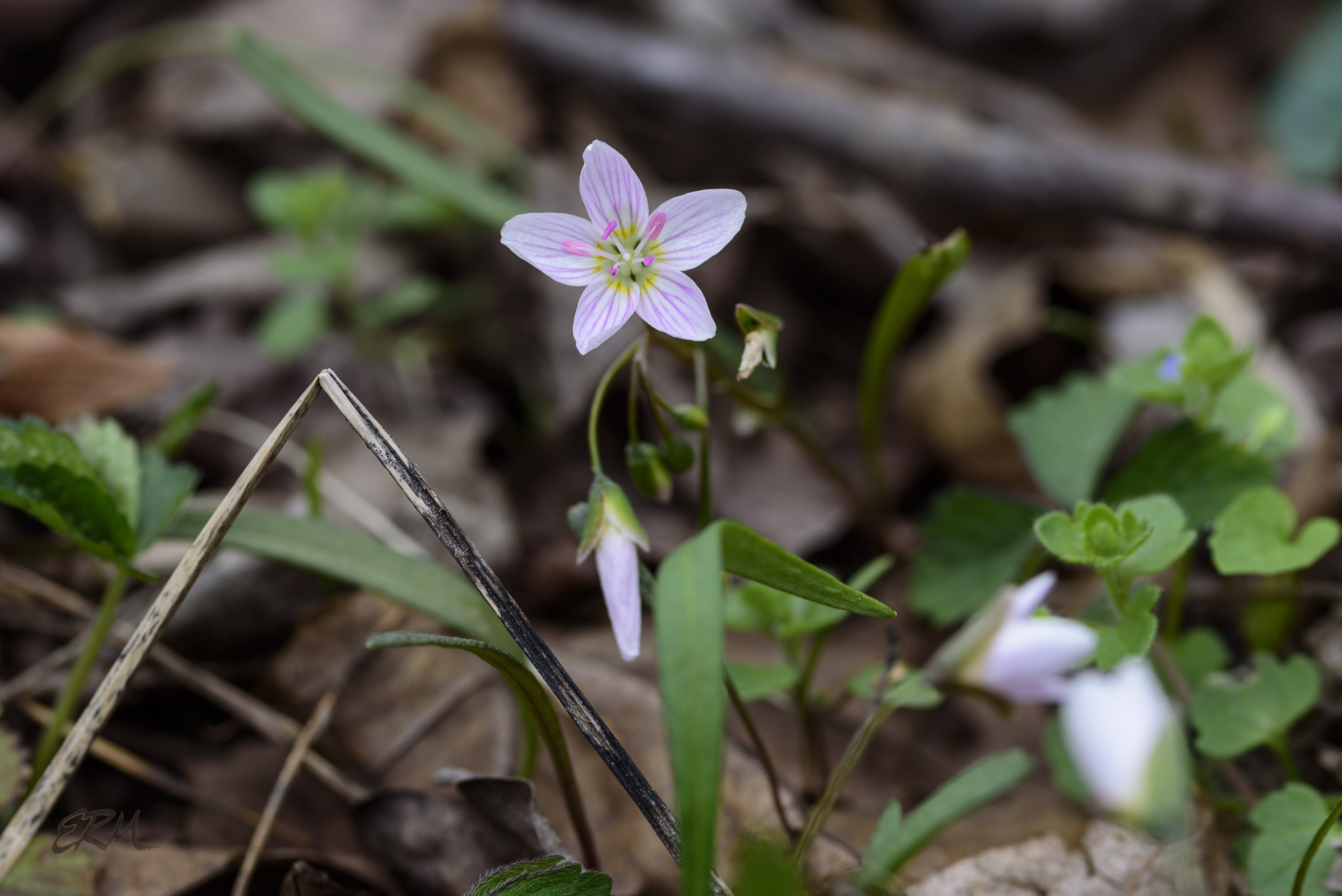
^ one spring beauty with two buds, March 6, 2019

blooming (April 10, 2018) –>


On the Billy Goat trails last year I saw the earliest harbingers-of-spring and spring beauties on February 28. This year on March 6, I saw a single harbinger plant barely up, one spring beauty with two buds, a single golden ragwort budding up, and quite a few Virginia bluebell plants poking out of the mud.

^ golden ragwort in bud, March 6, 2019

 blooming (April 5, 2017) –>


It’s going to be an interesting year. Flood damage in the Potomac Gorge is the worst I’ve seen in six years of monitoring the area. Alien invasives are starting to emerge from the mud and sand; did the floods do any real harm to those populations? Will that allow the natives a chance to grow better, or were they equally affected?
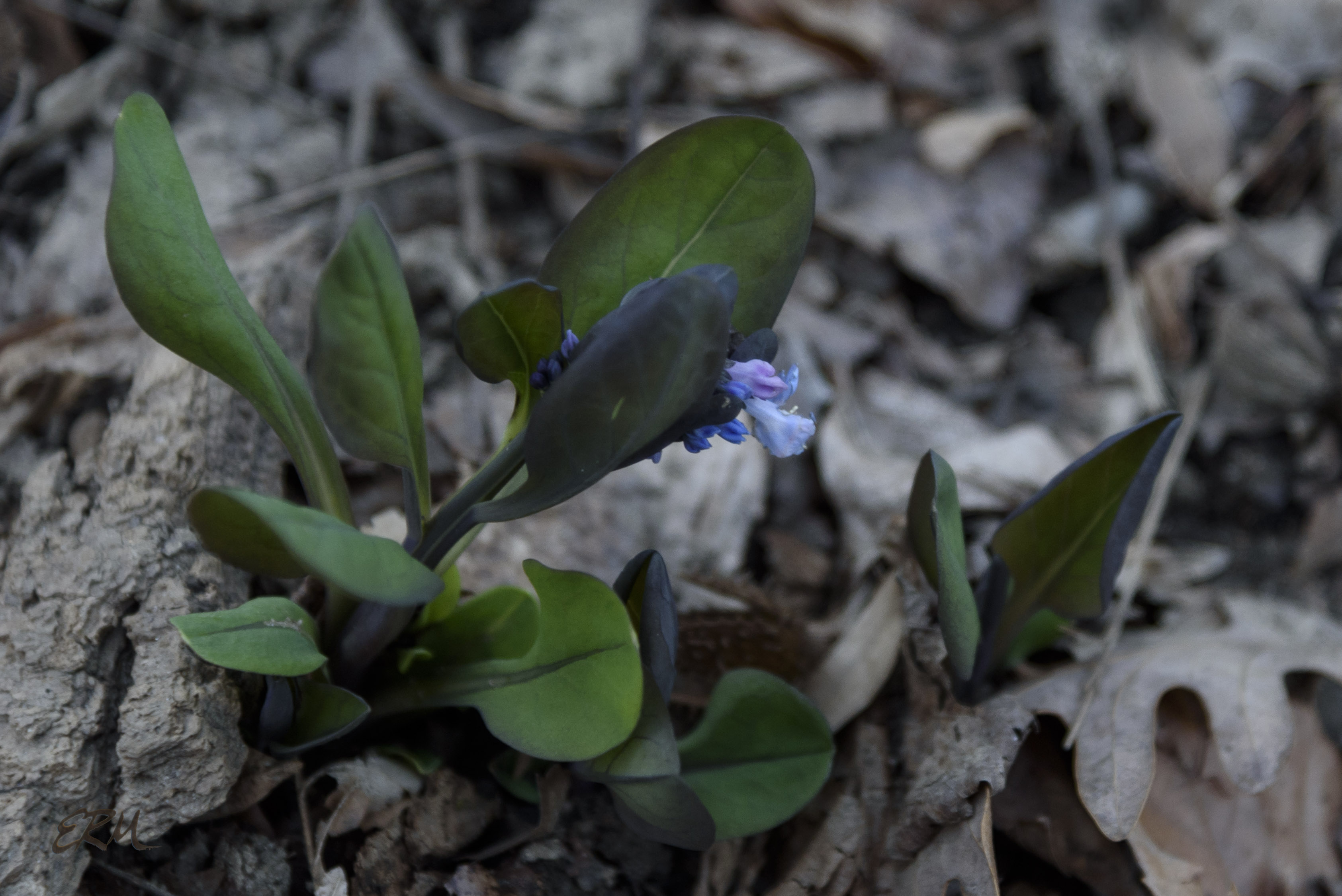
^ Virginia bluebells emerging from the mud, March 6, 2019

a stupidly early Virginia bluebell opening on March 5, 2018 –>


Hang in there, friends –spring is almost here.

Virginia bluebells carpeting the floodplain (April 10, 2017)

Compressed (part 2)

Here are some of the showier spring ephemerals to watch for in the Potomac Gorge this week.

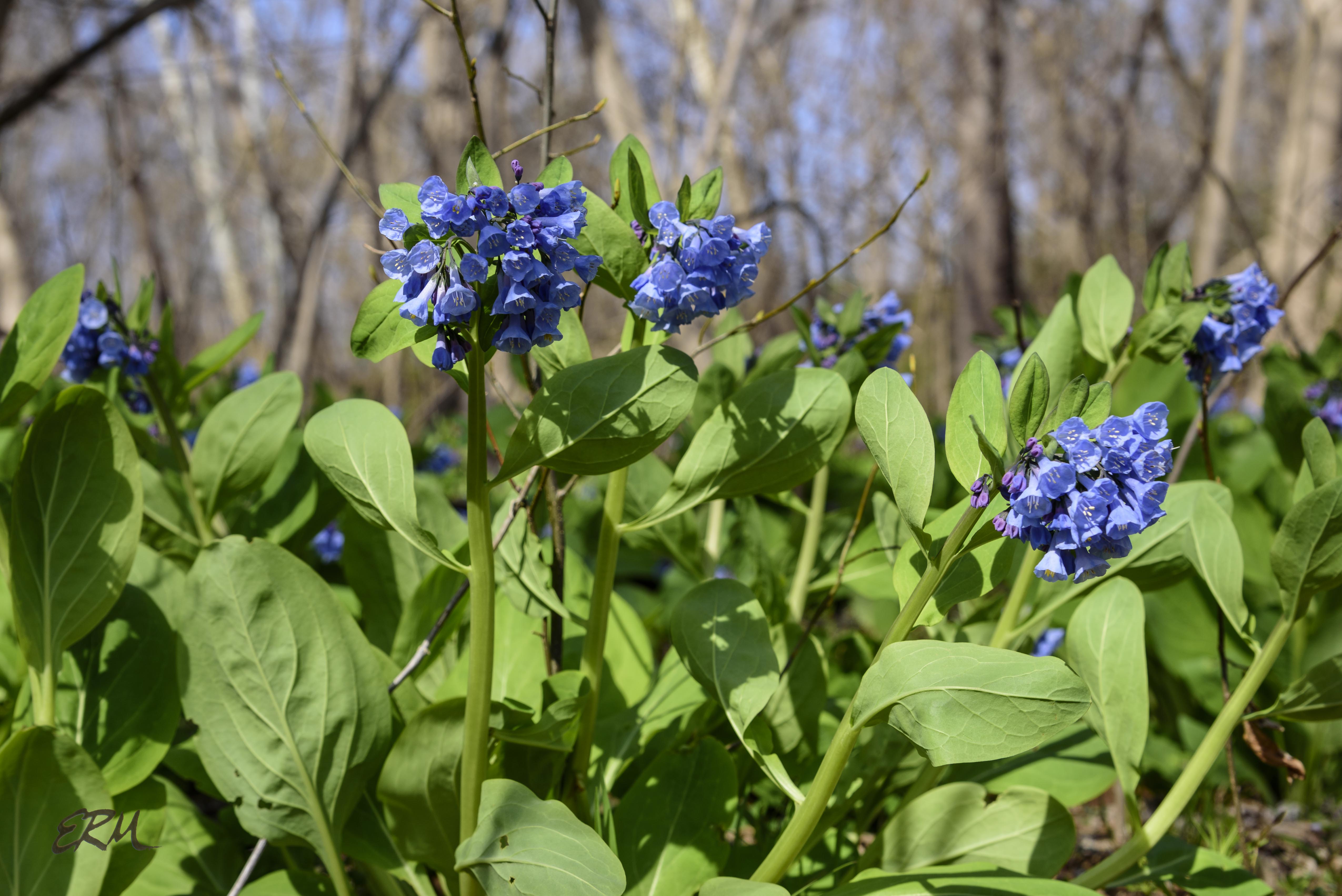
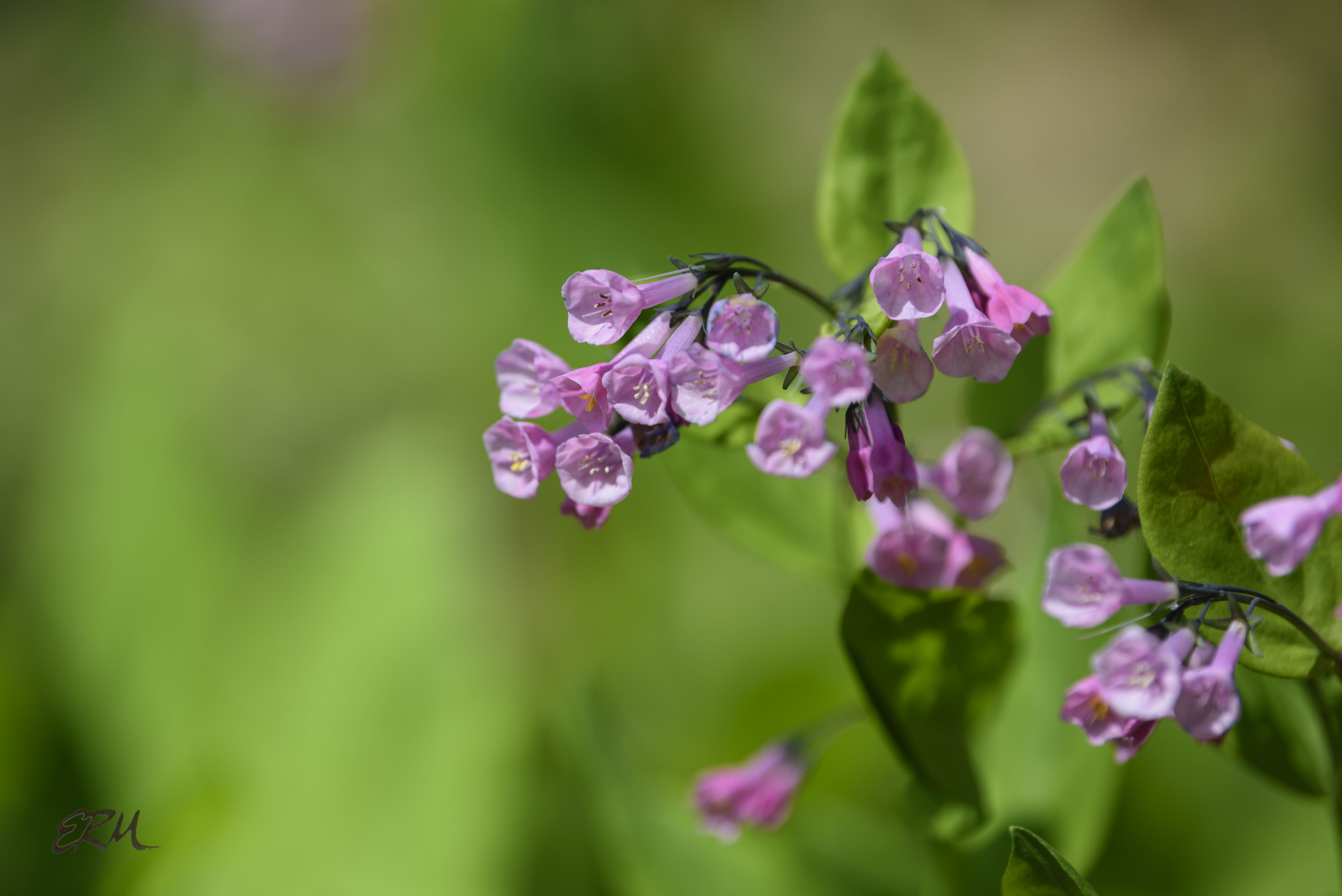
In the floodplain close to the river, Virginia bluebells (Mertensia virginica; left) are approaching peak bloom. Mixed in with them in a few places are Dutchman’s breeches (Dicentra cucullaria; below right), which you might also find on moist, rocky outcroppings.

Trout lilies (Erythronium americanum; above left) like moist soils, too. Generally I see them in the transition areas between floodplain and slopes.

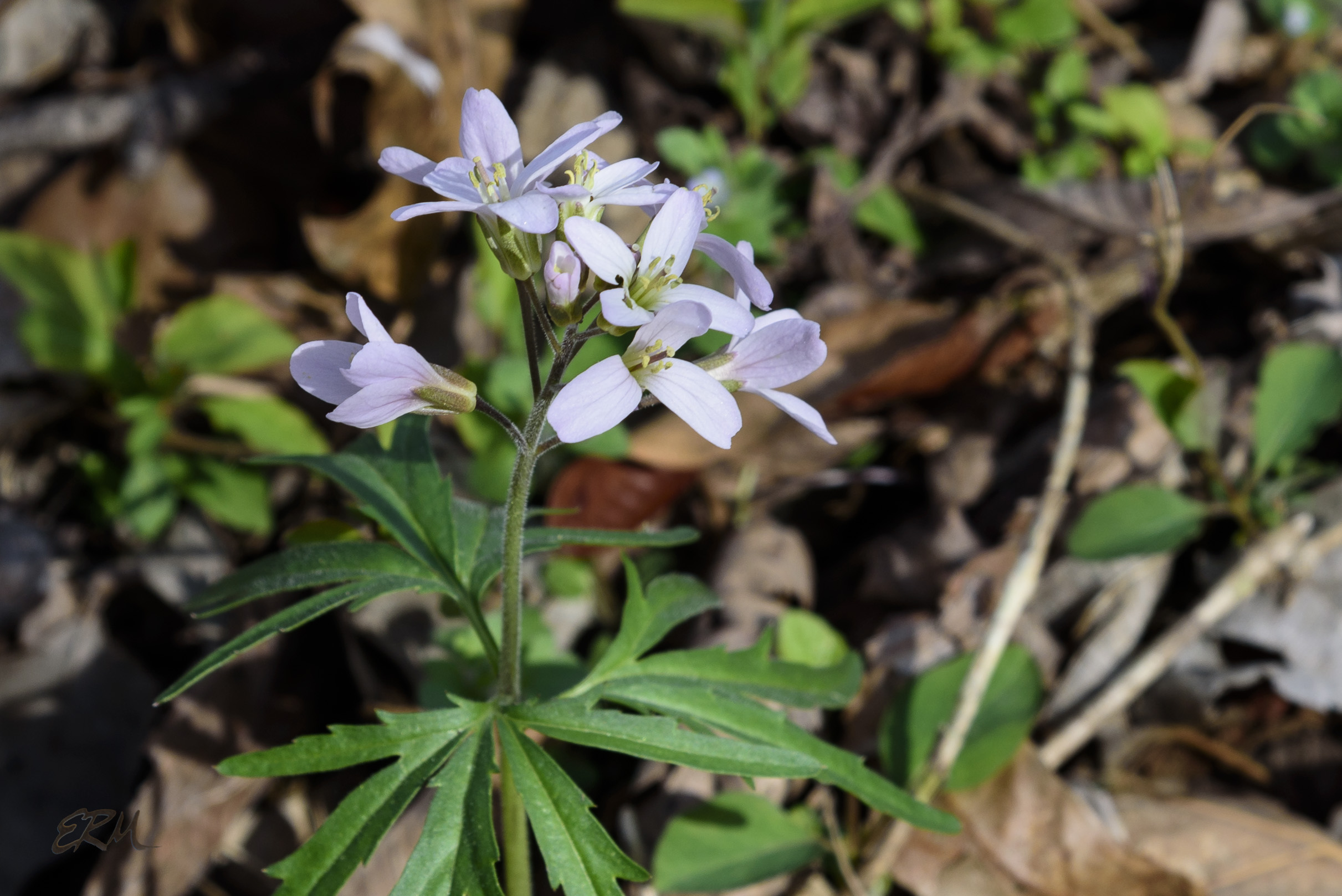
Further upslope are cut-leaf toothworts (Cardamine concatenata; left).


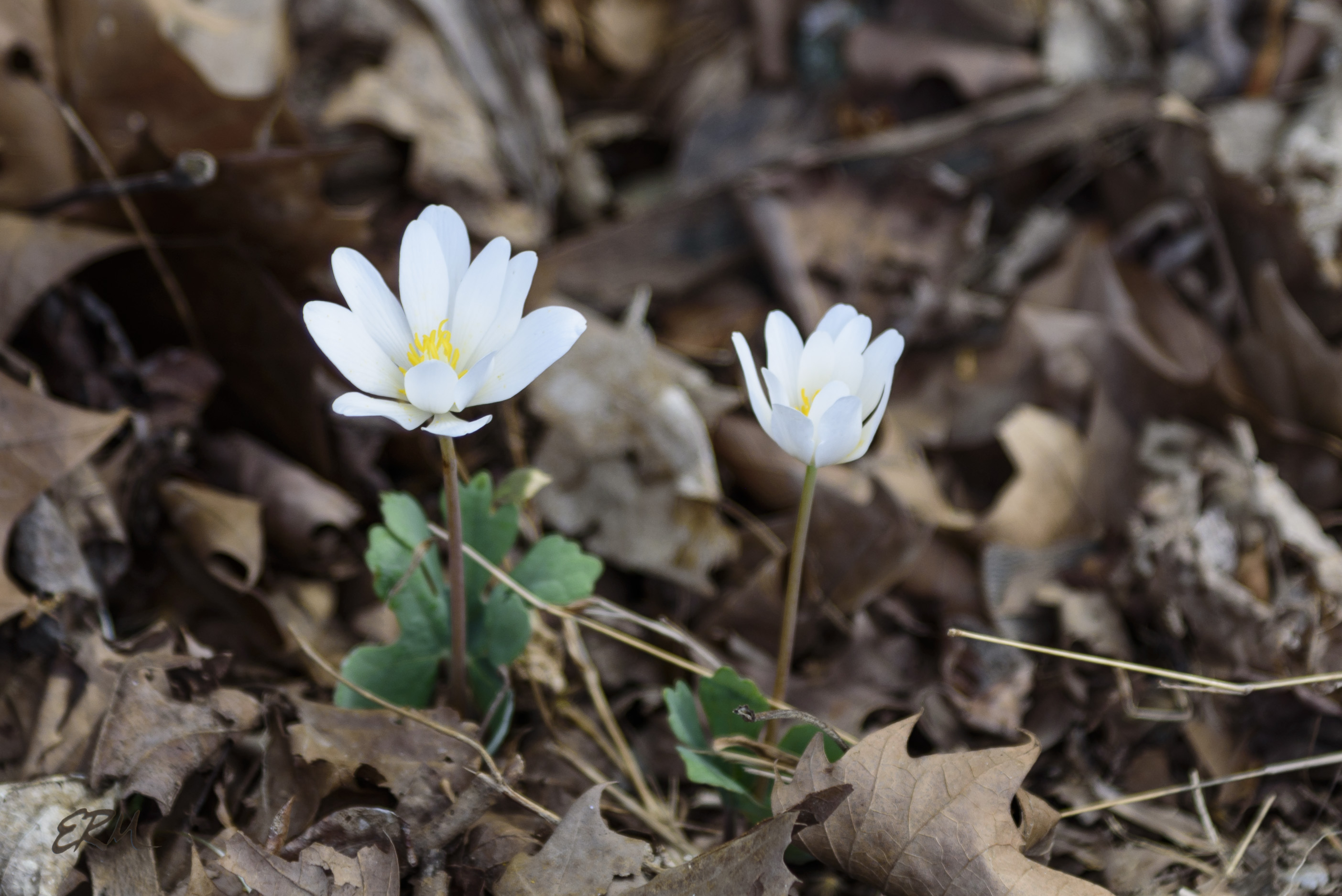
On drier slopes watch for scattered patches of bloodroot (Sanguinaria canadensis; below).


Look for twinleaf (Jeffersonia diphylla; below) in moist, rocky areas. They like limestone soils, so aren’t as widespread as these other species, but where they do grow they they tend to grow en masse.

Spring beauties (Claytonia virginica; below) are just about everywhere.


More tomorrow.

On the Last Day of Winter

Today is the first day of meteorological spring* (astronomical spring is still three weeks away), but as of yesterday, the 28th of February, the wildflower show had already begun along the Potomac. Barely.

Claytonia virginica (spring beauty; Montiaceae)

Just a few dozen of these were up in sheltered locations.

This one specimen of Packera aurea (golden ragwort; Asteraceae) already had well-developed buds. Often this species will retain leaves through the winter, and many low-lying leaves were visible, but I saw none of the tall growth yet. In the same location last year just a few flowers were open on March 23, with peak bloom about April 13; in 2015, I saw the first ones March 24, with peak bloom in mid-April.

Erigenia bulbosa (harbinger-of-spring; Apiaceae)

More about this in an upcoming post. Can you see it sheltering there under the maple leaf? That’s one plant with about 14 flowers!

A few alien species are starting to bloom: Veronica hederifolia (ivy-leaved speedwell) and Cardamine hirsuta (hairy bittercress).

And, I saw one clump of Mertensia virginica (Virginia bluebells) foliage emerging, but that makes a boring photo.

*more on meteorological seasons from NOAA

Just Around the Corner

A few days ago a friend reported seeing spring beauty (Claytonia virginica) blooming on the Billy Goat C trail. Damn, that’s early!  Think I’ll head out tomorrow and have a look, because it has been literally months since I last photographed a wildflower.

<—not my friend’s picture; one of mine from last year


Except for this one: trailing arbutus (Epigaea repens), a low-growing evergreen in the Ericaceae. Please forgive the picture quality; it’s a quick iPhone snapshot to remind me to go back and look for it again, because it’s already budding up, and I’ve never seen one in bloom. If I manage to catch it flowering I will of course be writing about it here.

Nerd moment: I just realized it’s time to start my 2018 spreadsheet.