A Beautiful, Useful Pest in Iceland

Lupinus nootkatensis
Nootka lupine, Alaskan lupine
Icelandic: Lúpína
Fabaceae


My recent post about yellow flag iris (“A Beautiful, Useful Pest”) was written in the lounge at Dulles International Airport while I waited for my flight to Iceland. It struck me as funny, then, that the next day, when we parked our rental car near a trailhead and started hiking, that the first flowers I noticed were the Nootka lupines. They were everywhere – wide swaths of blue-and-white flowers ascending the slopes of Mount Esja.

There was so much of it, I wondered if it was an alien invasive. In my limited experience, it’s unusual for native plants to form such massive colonies. Was this another beautiful, useful pest?

Short answer: yes. It’s native to the coastal areas of northwestern North American, and is alien to Iceland. But it didn’t sneak in via packing on a cargo ship or by hitchhiking on other agricultural material. It was introduced, possibly as early as the late 1800s (I’ve read conflicting stories), and certainly by the mid-1900s, when it was planted deliberately and extensively by first the Icelandic Forestry Service, and later by the Soil Conservation Service, to help with land reclamation.


You may recall from the previous post that after Icelandic settlement, deforestation and overgrazing led to lifeless soil, which is easily eroded and transported by winds. The Nootka lupine grows fast and roots well, keeping soils in place. It’s perfectly suited to Iceland’s cool, wet growing conditions. And like most members of the Fabaceae (pea family), it takes nitrogen from the air and fixes it in the soil, which together with decaying plant material (from dead lupines) results in soil fertile enough for native plants to colonize. It’s even thought to have helped with the problem of sandstorm-induced road closures in the eastern parts of the country.

But (of course there’s a “but”), it’s too aggressive. It grows tall enough to form a canopy that blocks sunlight to mosses and lichens (which are important pioneer species). It can invade nearby plant communities, outcompete the natives, and form monocultural stands. So yes, it exhibits the usual alien-invasive characteristics.

There’s a little more good news, though: studies have shown that in some sites, lupine colonies will eventually decline to the point where they no longer out-compete other species. It seems that if managed correctly, the Nootka lupine will continue to be a valuable tool for soil reclamation.

lupines on the lower slopes of Mt. Esja


for more information:

Biological Diversity in Iceland (The Icelandic Institute of Natural History; go to page 10 for the case study of Nootka lupine)
Alaskan “Wolf” Invades Iceland (Reykjavik Grapevine, August 25, 2011)
Invasive purple flower Impacts Iceland’s Biodiversity (mongabay.com)
Invasive Alien Species Fact Sheet (nobanis.org)

Guess Where I Am?

Here’s a clue: Nootka lupines (Lupinus nootkatensis, Fabaceae) do not grow in the Maryland Piedmont.

I’ve been travelling and won’t be home for a few more days, but rest assured I have plenty of wildflower pictures to share, as soon as I have a chance to develop them and identify and research the plants.

Here’s another clue: I’m posting from a cafe (free wifi!) at lattiutue 65°41′ N, and lupines are an introduced species here.

More in a few days!

Persistence Pays Off, Part Two

20160514-_DSC0065

20160514-_DSC0008

Mud, rock, and poison ivy.
——>

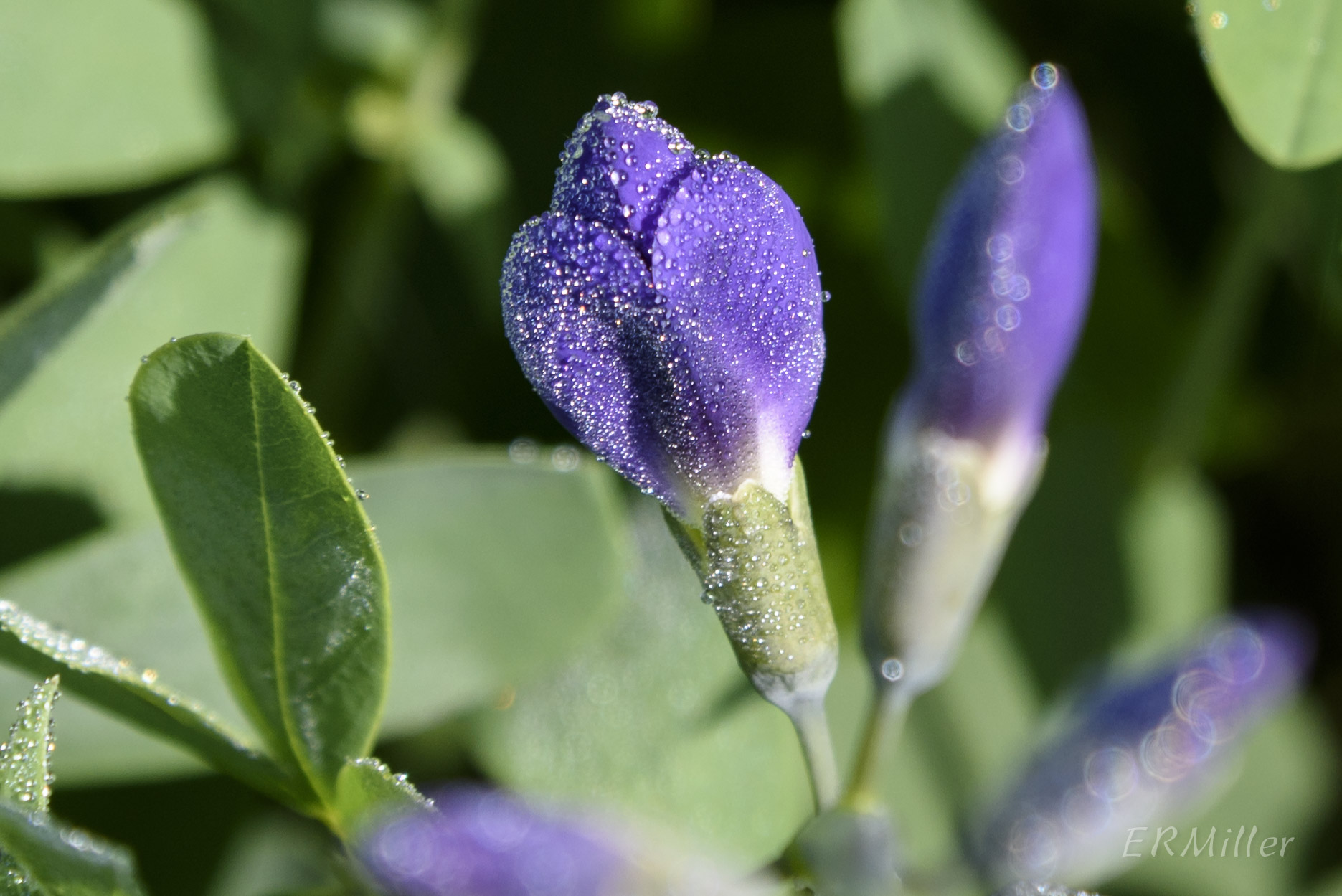
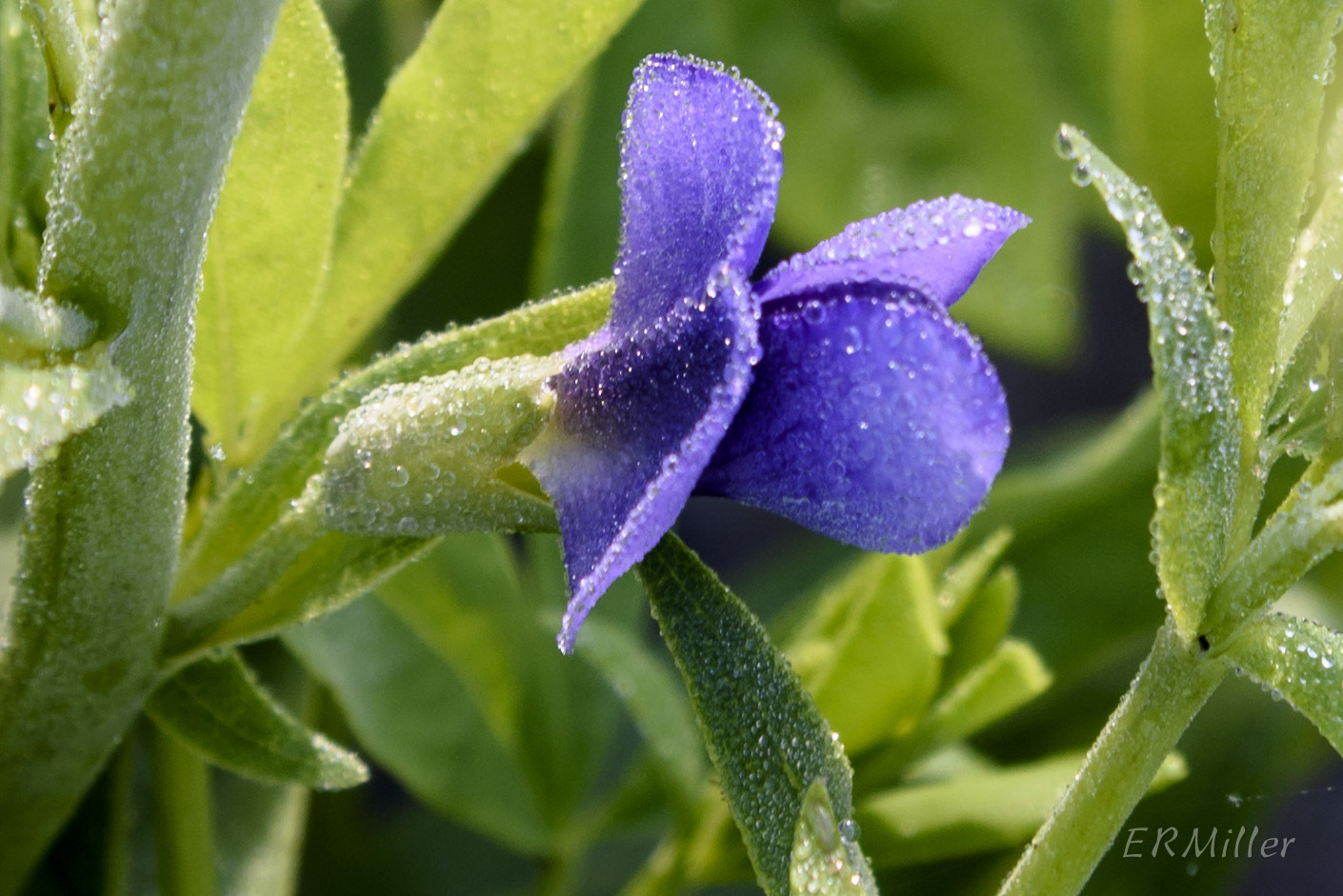
That’s what I stepped into and on and over and around one recent morning, down by the Potomac, while trying to photograph wild blue indigo (Baptisia australis, Fabaceae).

20160514-_DSC0005

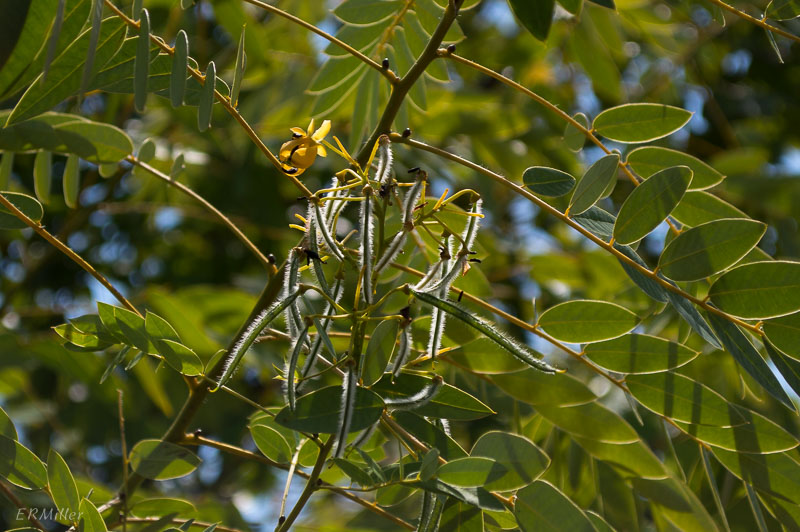
As I wrote around this time last year, I saw flower buds in this stand of plants in 2014, but then there was a bit of a flood and the plants were wiped out. Then, in 2015, I totally missed seeing the flowers, though I did see the seedpods.

20160514-_DSC0009

I wasn’t going to miss it three years in a row. Despite an extraordinarily rainy May I’ve trudged out to this area about once a week, then every day or two as I saw the buds developing. The river is running really high, lapping at the rocks where the plants are growing, but it hasn’t covered them yet, though as it turns out the bedrock terraces of the Potomac gorge are exactly the habitat this species loves, so the occasional flood doesn’t bother it at all.

20160514-_DSC0019

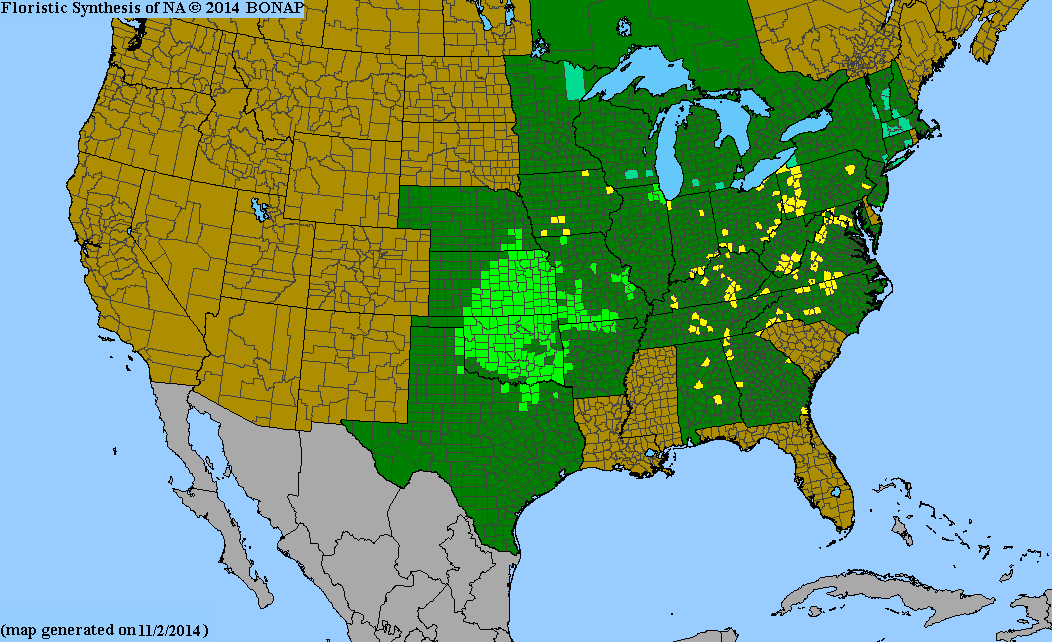
Wild blue indigo is listed as S2/threatened in Maryland, so finding a big, healthy stand is kinda special. (It’s also threatened in Indiana and endangered in Ohio.) Mostly wild blue indigo grows in Oklahoma and Kansas, with a few occurrences in nearby parts of Texas, Arkansas, and Missouri. According to BONAP’s North American Plant Atlas, it is present but rare in about a dozen states east of the Mississippi River.

20160514-_DSC0049


Variations on a Theme: Wild Senna

20030101-20030101-IMGP0241-2

American senna, wild senna
Senna hebecarpa


and

20150821-20150821-_DSC0117

Senna marilandica
Maryland senna, southern senna

Fabaceae; in some taxonomic systems it’s placed in Caesalpiniaceae


20030101-20030101-IMGP0285

While kayaking in the lower Potomac Gorge I saw large stands of senna lining the shore, the plants so tall they could be mistaken for shrubs. But they’re not.  They are herbaceous perennials that can grow as tall as six feet by the time they bloom in late summer.

The two species are quite similar in appearance.  A leaf of S. hebecarpa generally has 5 to 10 pair of leaflets, which tend to be a grayish green.  S. marilandica has 6-12 leaflets per leaf, and sometimes these have a bluish cast.  Neither of these characteristics is a good way to distinguish one species from the other, though.  You need to take a close look at the flowers.

20150821-20150821-_DSC0080

S. hebecarpa flowers have very long pistils with spreading white hairs.  S. marilandica pistils are much less obvious.  And that’s about it.

Both species are native to the eastern US, with S. hebecarpa going (like the Appalachian Trail) from Maine to Georgia, then west as far as Wisconsin.  It’s listed as special concern in Connecticut, endangered in Massachusetts and New Hampshire, threatened in Vermont, and historical in Rhode Island.

S. marilandica only grows as far north as New York, but can be found further south, into Florida, and west to Texas and Nebraska.  There are no conservation issues with this species.

The USDA Plants database does not have county records for the state of Maryland, but shows S. marilandica there.  The Maryland Biodiversity Project has no records of it in the state.  The one shown at top is growing in my garden. It’s a tough plant: sennas are usually found near riverbanks, where they get plenty of water and sun.  Mine is shaded by redbuds and at the top of a slope; the soil could be described as mesic at best.  But the plant is thriving.

20150821-20150821-_DSC0050

this is not the one in my garden!

Various websites describe it as “coarse” and “stunning”.  Beauty is in the eye of the beholder.  If you fancy native plants in your garden, give this one a place near the back, with plenty of room to grow up and out.  And be prepared to stake it if it’s in any shade, else the stems will flop right over under the weight of flowers and seedpods.

Taxonomic note: the specific epithet “hebecarpa” is from the Latin and could be translated as “downy seed”; “marilandica” of course means “of Maryland”.

Flower of the Day: Creeping Bush-Clover

20150813-20150813-_DSC0158-2

Lespedeza repens
Fabaceae


Another new-to-me species from recent forays upstream of my usual hunting grounds.  As the name suggests, this is a plant that lies along the ground, though it isn’t a vine; it simply has a reclining habit, as they say.  It can grow to 3 feet long.

Creeping bush-clover is one of 26 Lespedezas (alien, native, and hybrids) found in the continental US; it ranges from Texas to Wisconsin and eastwards, but not all the way north into New England.  It’s a plant of special concern in Connecticut and rare in New York.

Strangely, it’s listed on invasives.org, but with no particular notes about why.

I found a few of these plants near the boardwalk on Olmsted Island; as a result, I couldn’t get very close to study them (it’s prohibited to leave the boardwalk there).  Thank goodness for the zoom-in feature in Lightroom.  It’s possible that this is a different species, L. procumbens.  I posted the pictures to several internet groups asking for confirmation; there was agreement about the genus, but only a few people stated outright the species.