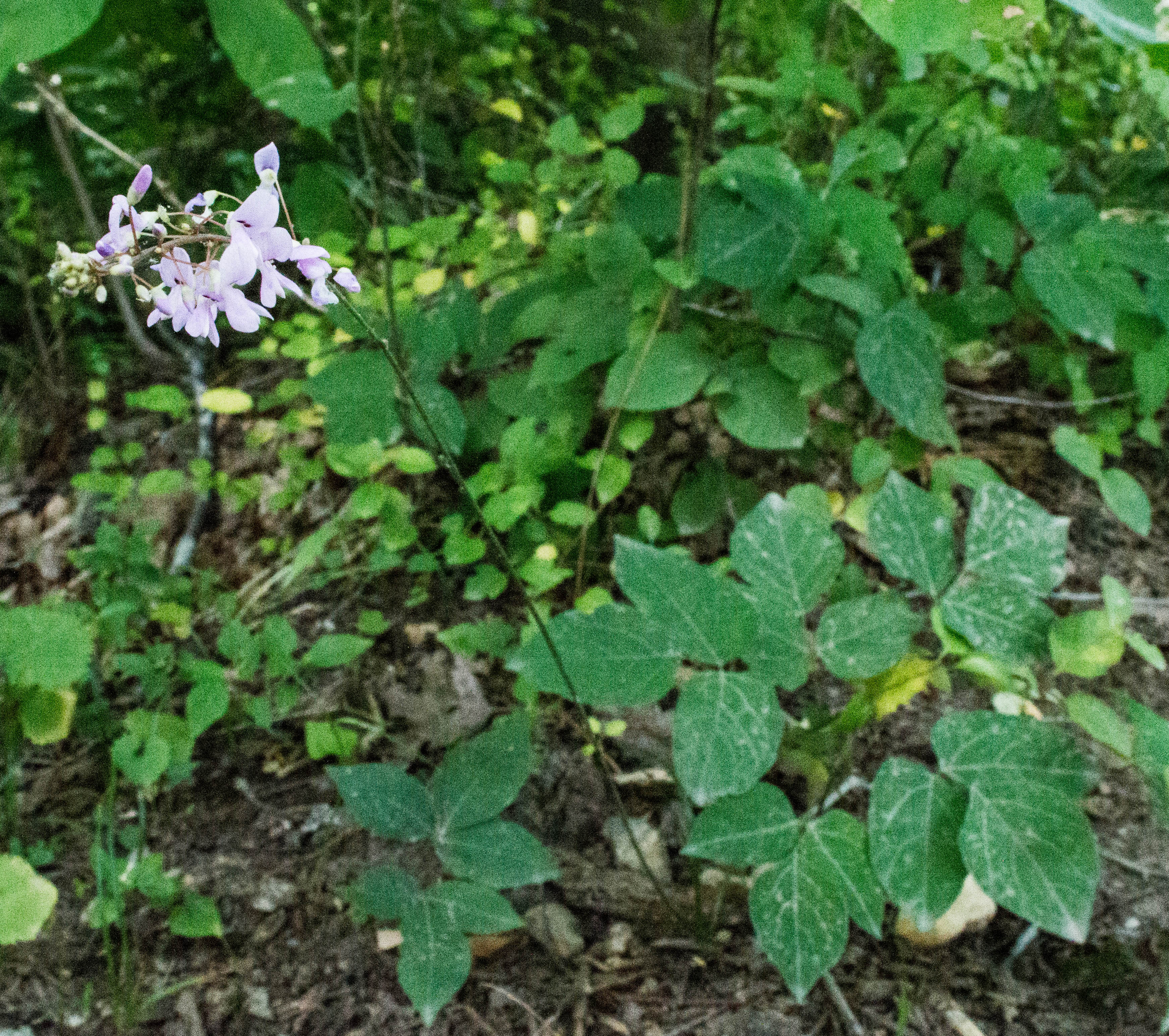
Flower of the Day: Spotted St. Johnswort

Hypericum punctatum; Clusiaceae (garcinia family)

20140628-DSC_0052

Unlike yesterday’s FOTD, this Hypericum species is a forb (herb), growing to about 3 feet tall.  It looks quite similar at first glance to the alien common St. Johnswort (H. perforatum), but can be distinguished by looking at the flower petals through a handlens.  Spotted St. Johnswort has little black dots all over the petals, while common St. Johnswort has black dots only along the petal edges.  The flowers are only about half an inch across.

20140628-DSC_0051

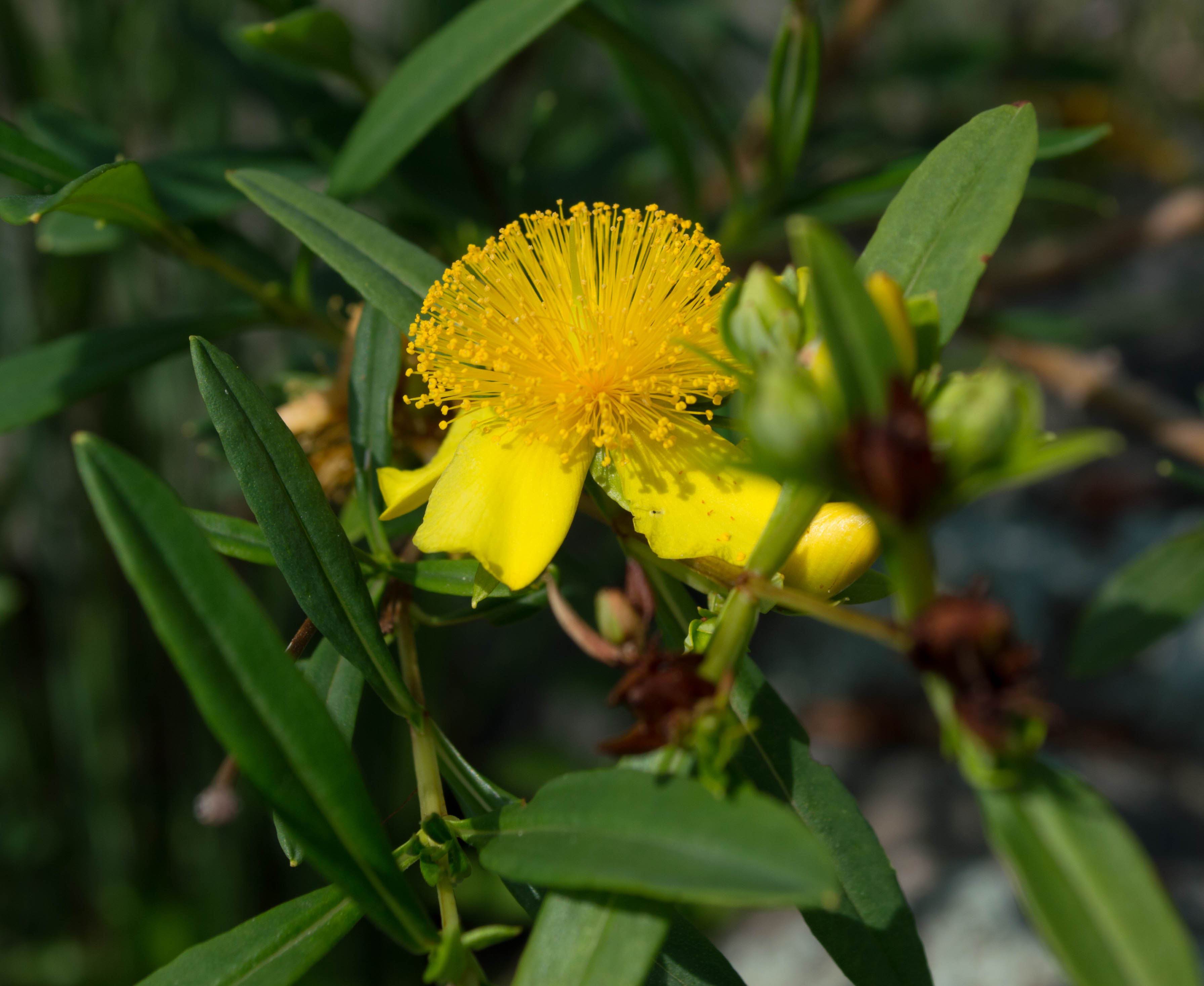
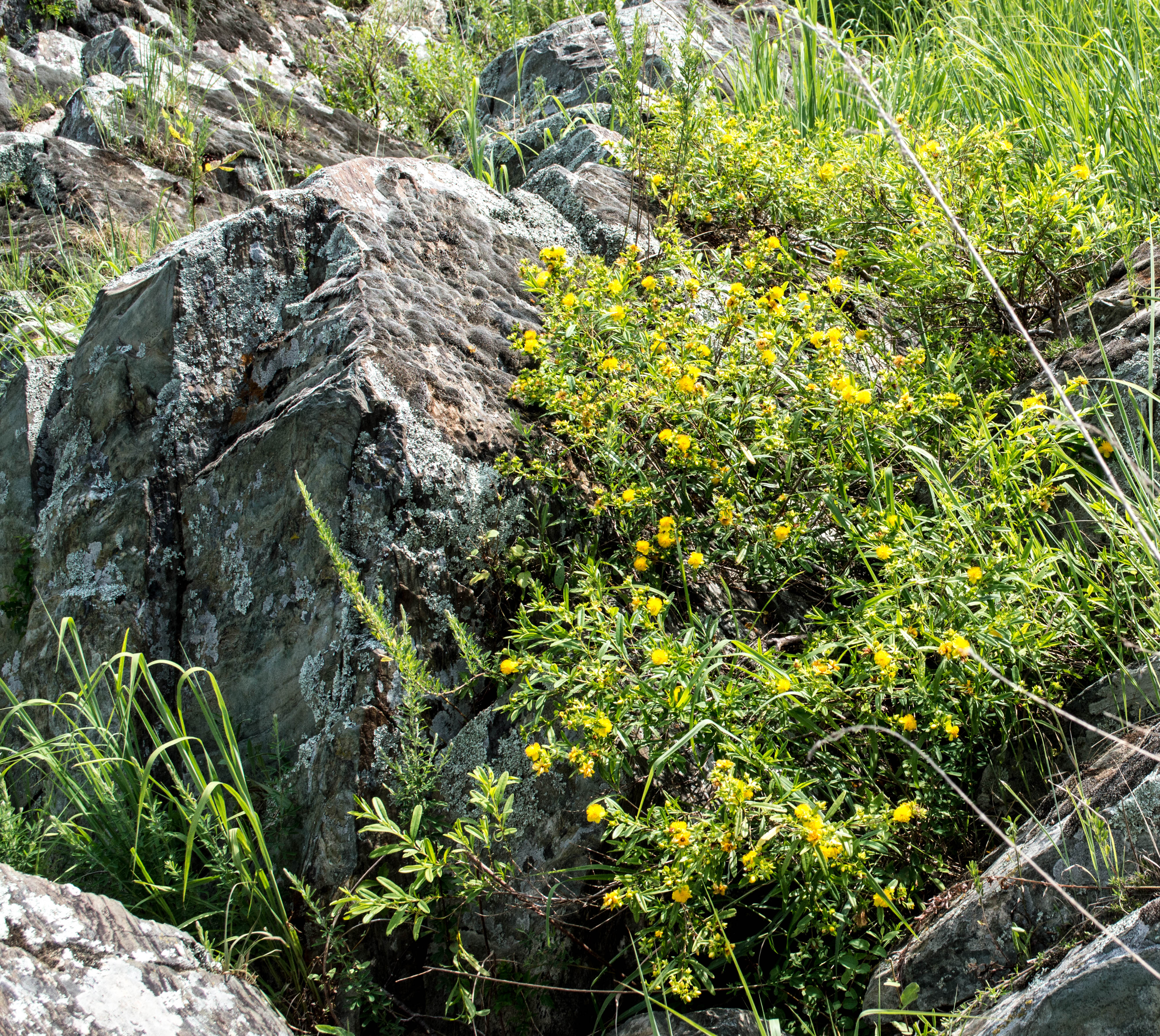
Flower of the Day: Shrubby St. Johnswort

Hypericum prolificum; Clusiaceae (garcinia family)

 20140708-DSC_0165 There are over 50 native species of Hypericum in the continental US and Canada.  This one is a small shrub (to about three feet) that likes chalky soils but readily adapts to different moisture levels.  Nice stands of it can be found on the bluffs jutting into the Potomac River downstream of Great Falls, but it’s threatened in New York and endangered in New Jersey. Older texts may refer to this plant as H. spathulatum. Tomorrow, another native Hypericum. 20140708-DSC_0176

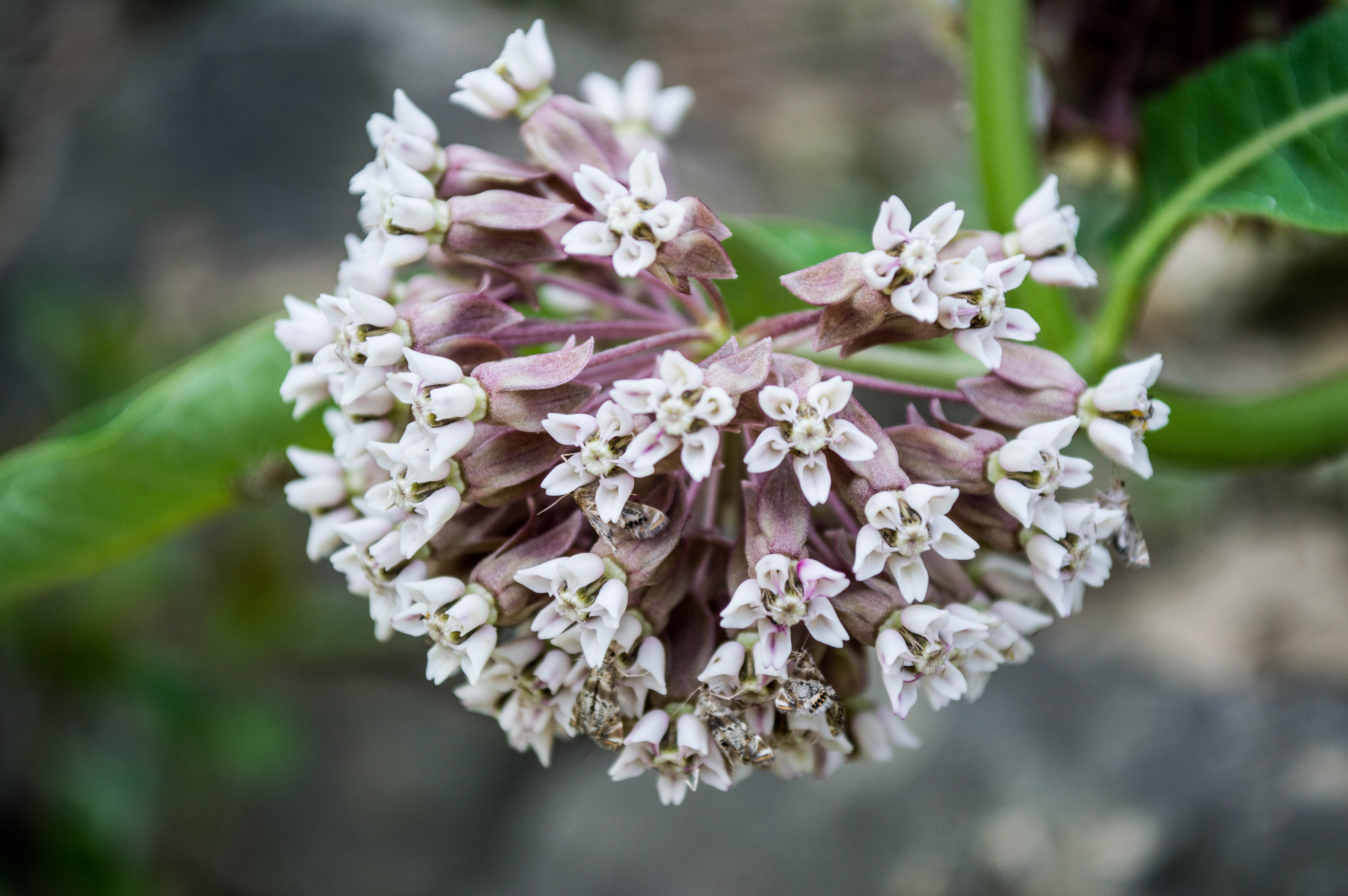
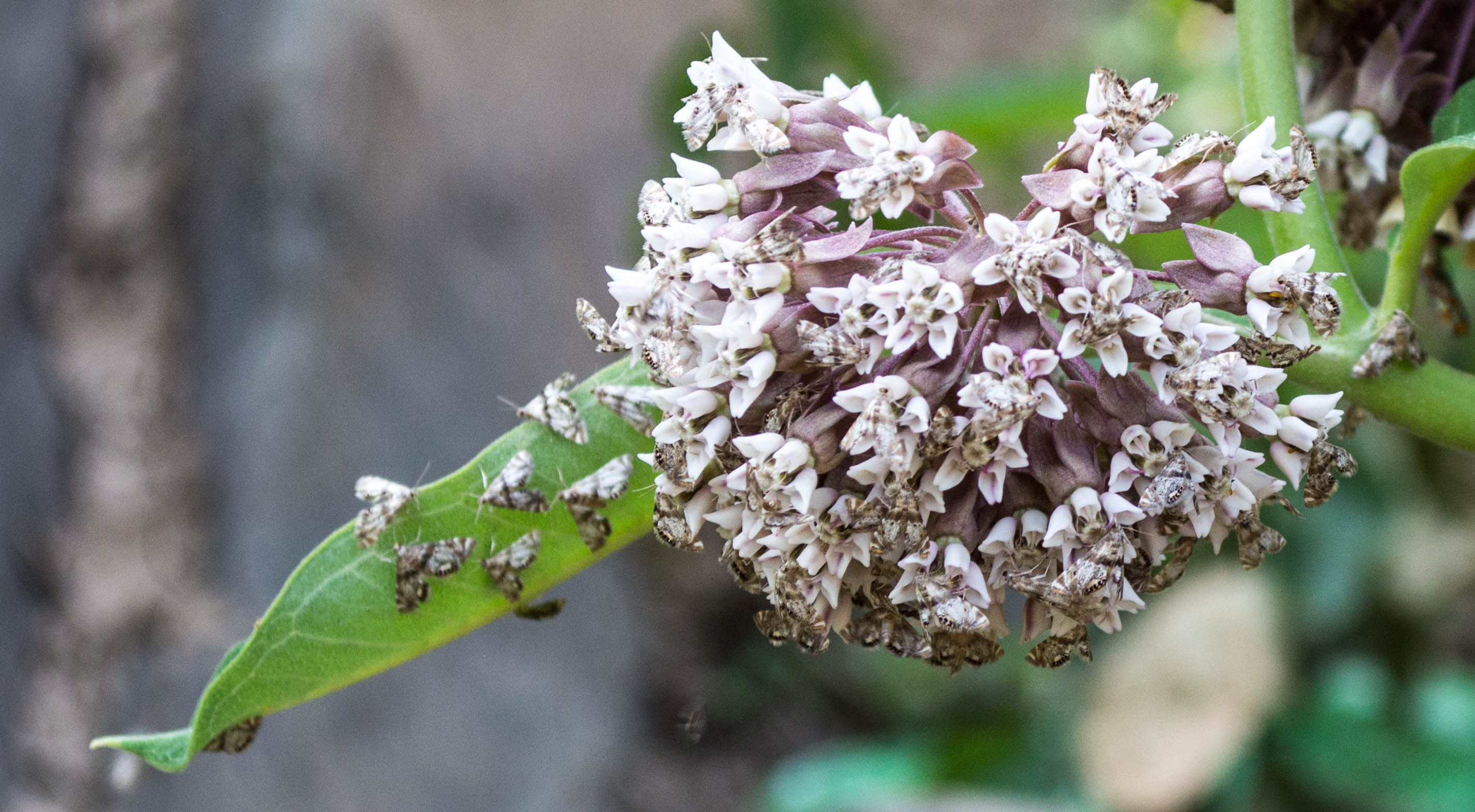
Flower of the Day: Common Milkweed

Asclepias syriaca; Asclepiadaceae (milkweed family)

20140708-DSC_0138-2 Click on the picture below to enlarge and check out all the tiny moths! 20140708-DSC_0130 There are a whopping 72 native species of Asclepias found all over the US and Canada.  About a dozen of them are in the mid-Atlantic.

Closeup of two individual flowers:20140708-DSC_0152

Mug shot:

20140708-DSC_0172

This is a big plant – up to six feet – with big leaves and big, showy, fragrant flowers heads, each of which can bear up to 120 individual flowers. It’s good for attracting butterflies but beware if you want it in your garden: because it spreads vigorously by roots, it’s considered a weed in much of its range. The USDA site has a great document about the plant, including interesting ethnobotanical history. Tomorrow, another type of milkweed.

Flower of the Day: Naked-Flowered Ticktrefoil

 Desmodium nudiflorum; Fabaceae (pea family)
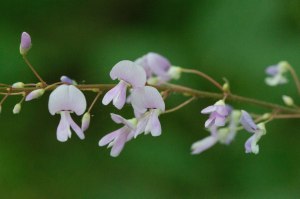
20140708-DSC_0071

Plants in the Fabaceae are not my favorites, maybe because there are a lot of ugly, invasive aliens in that family.  But I did a double-take when I saw this one.  Isn’t it gorgeous?
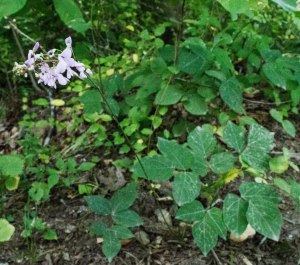
20140708-DSC_0031

Not like the typical scrawny sprawling messy plants that I’m seeing all over the area this time of year.  Naked-flowered ticktrefoil has one short stem of large compound leaves standing at about six inches , and another stem (leafless) bearing a panicle of flowers, about two feet up.

By the way the leaves in the picture above have dried sand from a nearby trail all over them.  I searched the immediate area for more (cleaner) plants to photograph, but this was the only one I could find.

There are 42 native species of ticktrefolis in the continental US.  This one ranges throughout the east and parts of the prairie midlands.  Apparently the name “ticktrefoil” derives from the fact that the seeds have tiny hooks, allowing them to stick like a tick to any passing animal; “trefoil” indicates a 3-leaved (or in this case, leaflet) plant.


20140708-DSC_0056

Flower of the Day: Starry Campion

aka widowsfrill; Silene stellata; Caryophyllaceae (pink family)

20140702-DSC_0022   Starry campion is one of about 60 native and 18 alien species of Silene found in continental North America.  It ranges throughout the eastern US except Maine and Florida, though it is no longer found in Vermont and Rhode Island, is of special concern in Connecticut, and is threatened in Michigan. The plant stands about one to two feet tall, with a terminal panicle of blossoms (and sometimes a few more panicles along the upper stem).  It seems to like a variety of habitats, mostly in mesic soils on rocky slopes and along riverbanks, in light shade.

20140702-DSC_0008

Another campion species I’ve found in the Carderock area is wild pink (Silene caroliniana), a low-growing plant of rocky places that blooms in early May:

20140505-DSC_0013