Flower of the Day: Whorled Coreopsis

aka Threadleaf Coreopsis, Tickseed; Coreopsis verticillata; Asteraceae (aster family)

20140624-DSC_0027

Granted, not the best picture ever, but I wanted to post about it because this plant is actually a common garden plant – and a native.  It’s readily available in commercial garden centers, is easy to grow, drought-tolerant, attracts butterflies and birds, has fine-textured dark green foliage and long-lasting perky yellow flowers… what’s not to love?

Flower of the Day: Basil Balm

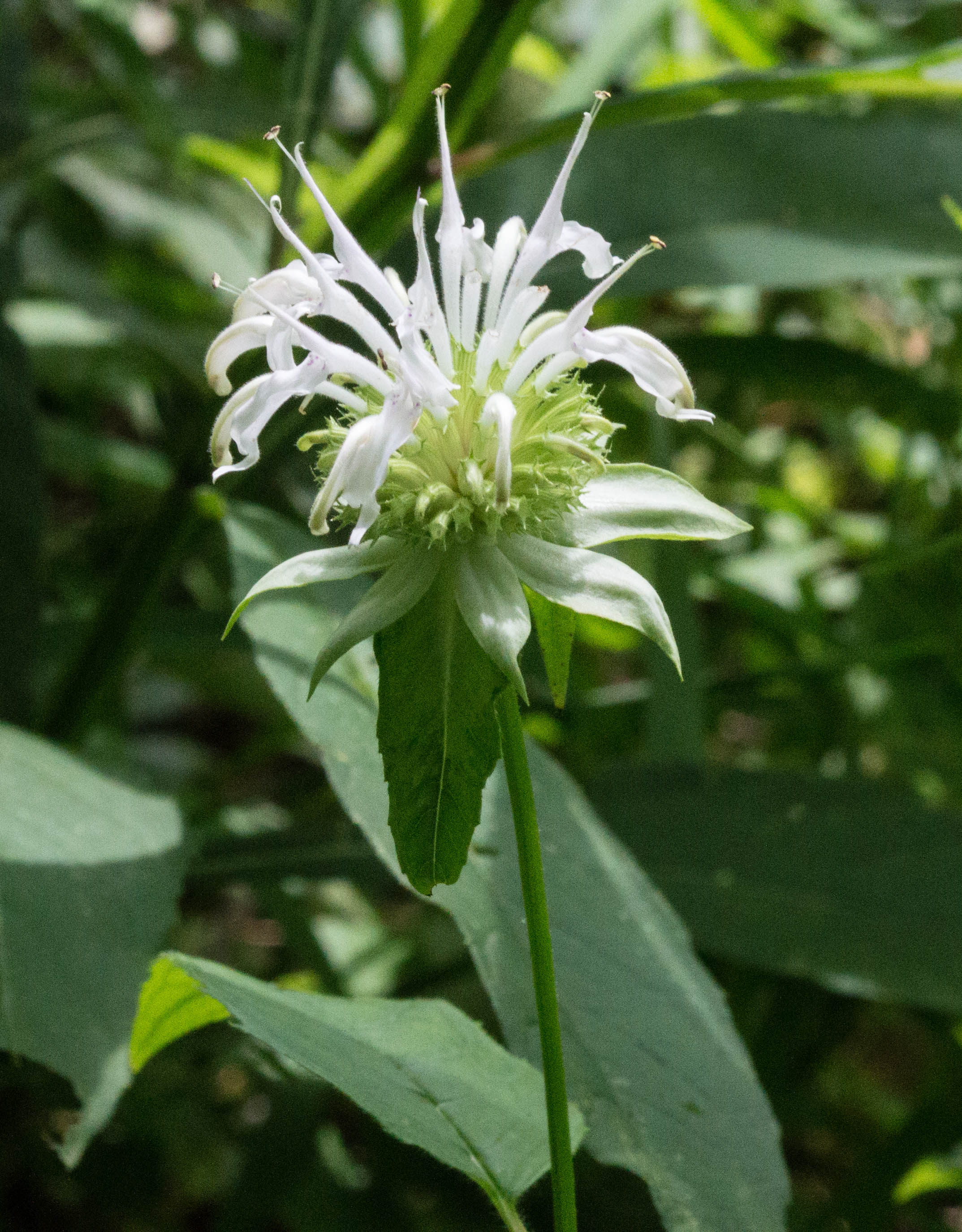
aka Basil Bee-Balm, White Bergamot, White Bee-Balm, White Basil Balm…  Monarda clinopodia; Lamiaceae (mint family)

20140701-DSC_0163

Despite the word “bergamot” in one of the common names, this species (and others in this genus) has absolutely nothing in common with the oil that flavors your cup of Earl Grey tea (that comes from a citrus fruit).  Many Native American tribes used Monarda species for medicinal teas, though.

20140701-DSC_0155

Seventeen native species of Monarda can be found in various parts of the continental US.  Basil Balm ranges from Vermont south to Georgia and west to Missouri, though it is endangered in New York and New Jersey.  It grows 3-4 feet tall and is an important food source for bees.  Butterflies like it, too.

20140701-DSC_0193

Flower of the Day: Buttonbush

Cephalanthus occidentalis; Rubiaceae (madder family)

20140701-DSC_0129

The flower show is really slowing now.  I’m lucky to see one new thing every three days.  Was quite happy to have stumbled upon this shrub in an area I don’t like exploring (mostly weedy, lots of invasives, lots of poison ivy).

Buttonbush grows in wetalnds across eastern North America and some parts of the West. It can reach 12 feet in height, has long-lasting blossoms, and seeds that are a valuable food source for wildlife.

Once again I’m left to wonder why we don’t see more interesting native plants in cultivation.

Flower of the Day: Narrow-Leaved Mountain Mint

Pycnanthmum tenuifolium; Lamiaceae (mint family)
20140624-DSC_0203

I’d been keeping my eye on this plant for weeks, watching the buds develop. When I finally saw a few of the flowers open, I set up the tripod and spent at least half an hour trying to get good pictures.  The plants were in the open, but on a partly cloudy day with a fair breeze.  As soon as I thought I had the camera set up for the light, the breeze would set the plants moving.  And whenever the breeze stopped, the light had changed.

So I went back seven days later, expecting the plants to be in full bloom.  And guess what I found: nothing.  Nothing except a lot of dead plants, because some overly enthusiastic trail maintenance people had come along and mowed the whole patch down (there were other native plants there, too).  And it wasn’t necessary.  This was along a rocky bluff, and the plants were on a ledge a few feet off the trail proper.  This area, with a huge diversity of plants, has been subjected to multiple floods this year, and it shows: there are fewer plants, and those that survived are stunted or in poor condition, and some have been missing altogether.  And now this happens.

I’m just livid.  This is the only stand of narrow-leaved mountain mint I’ve ever seen, and now it is utterly gone.  Thankfully it’s a perennial, so it should be back next year.

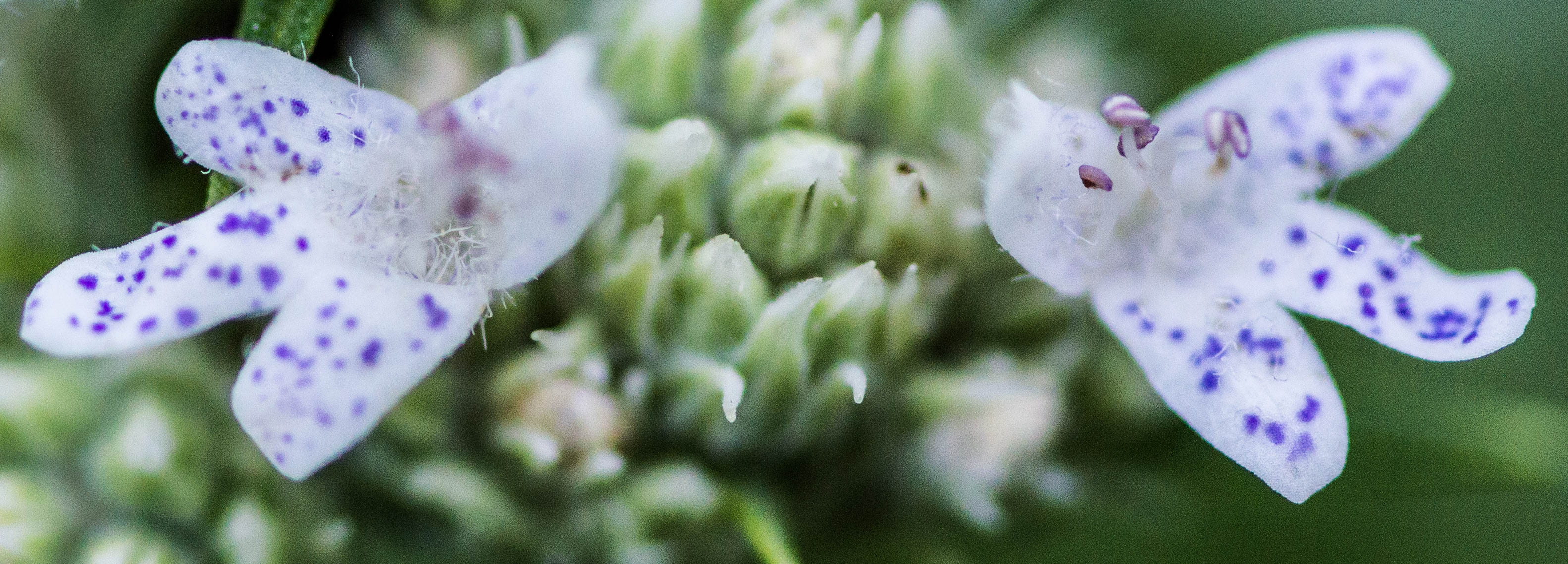
The flowers you see in the picture above are so tiny that the purple dots are invisible to the naked eye.  Here’s a picture of several flower clusters, each of which is about fingernail sized:

20140624-DSC_0186

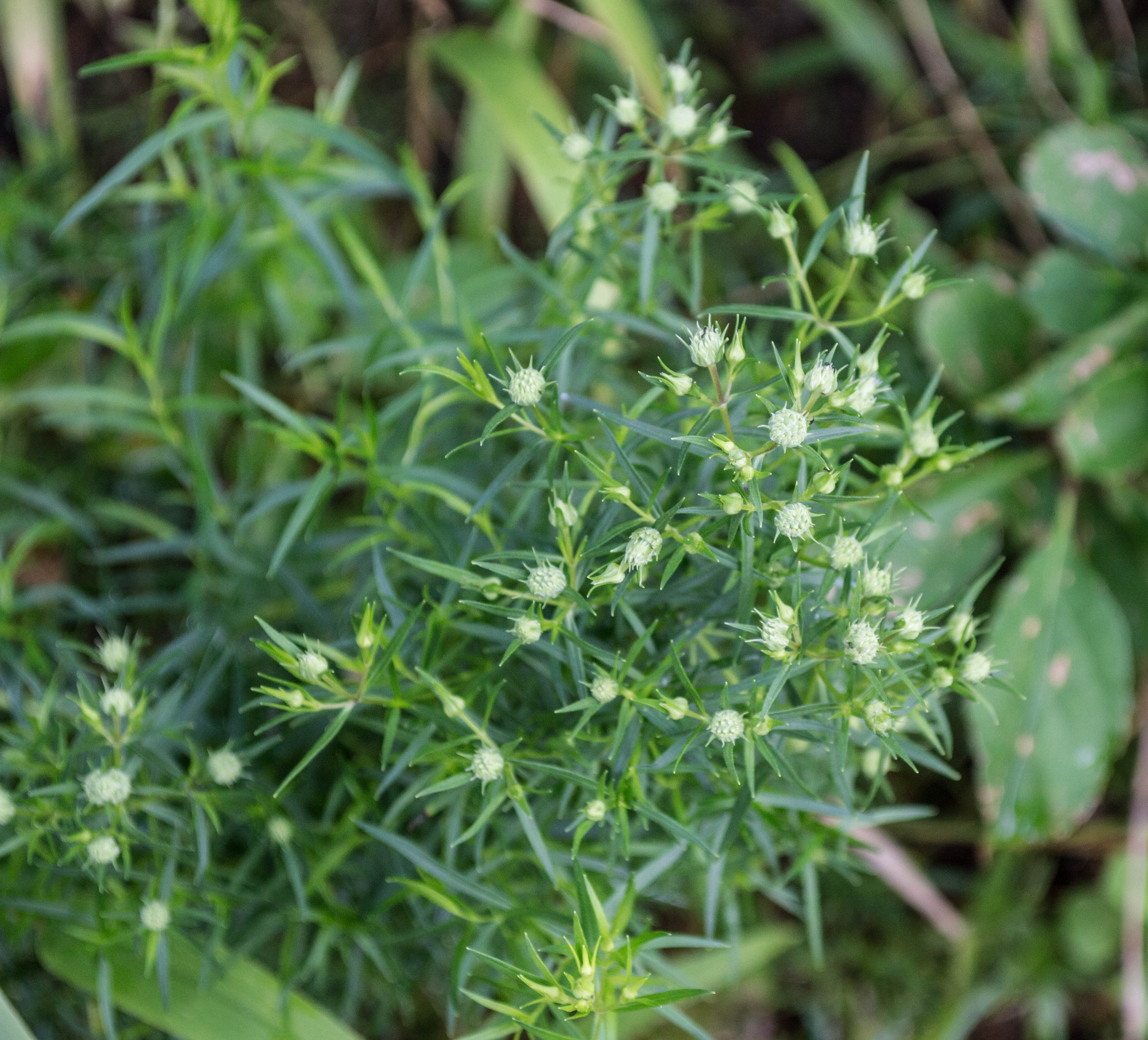
The abundant, dark green linear leaves give the plant a fine-textured appearance:

20140613-DSC_0166-1It would be a lovely addition to a native plant garden.

Pycnanthemum species can be found throughout the eastern US and Canada; seven species occur in Maryland.  I have my eye on another one in bud.  It might be hoary mountain mint.
 

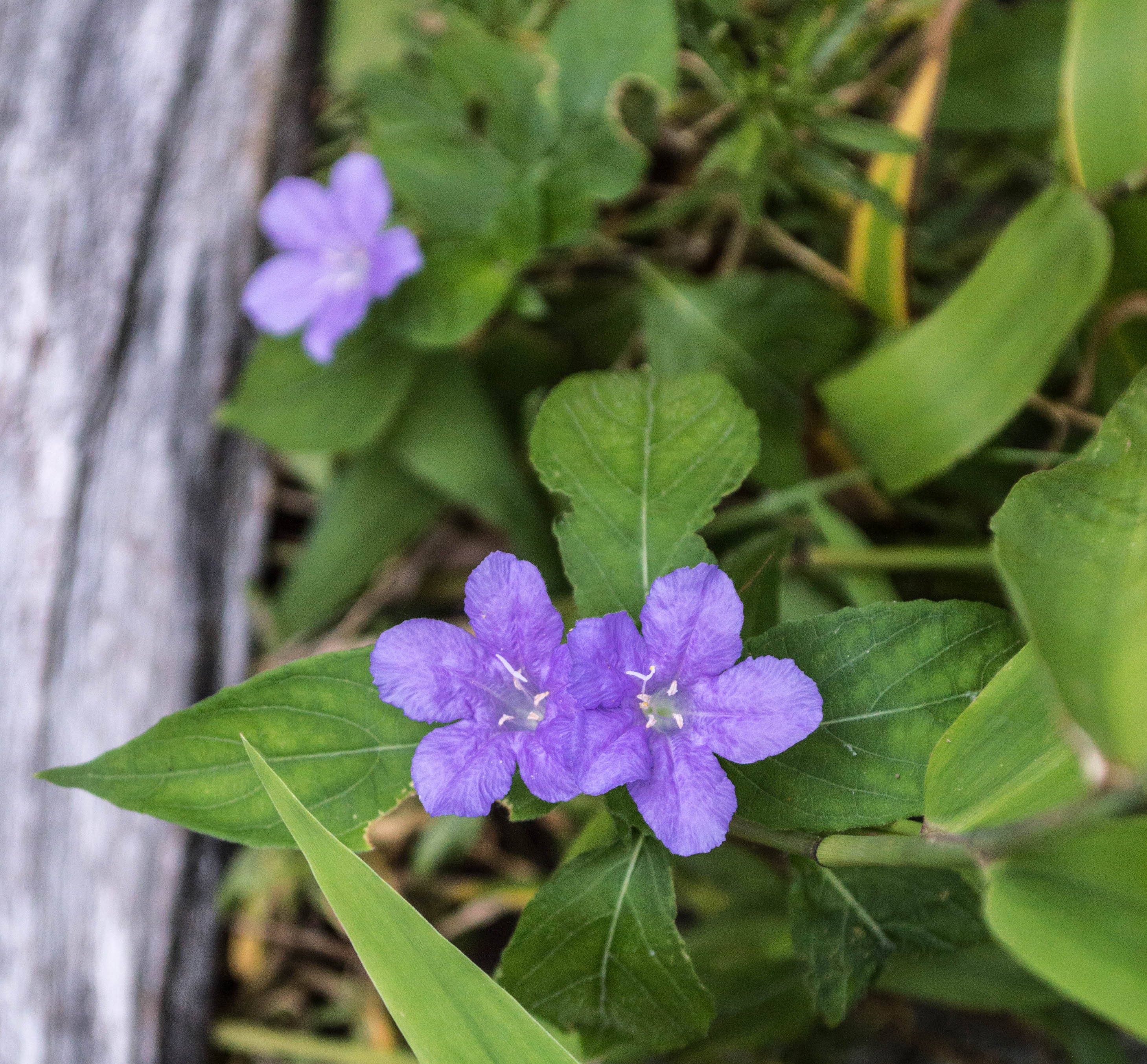
Flower of the Day: Carolina Wild Petunia

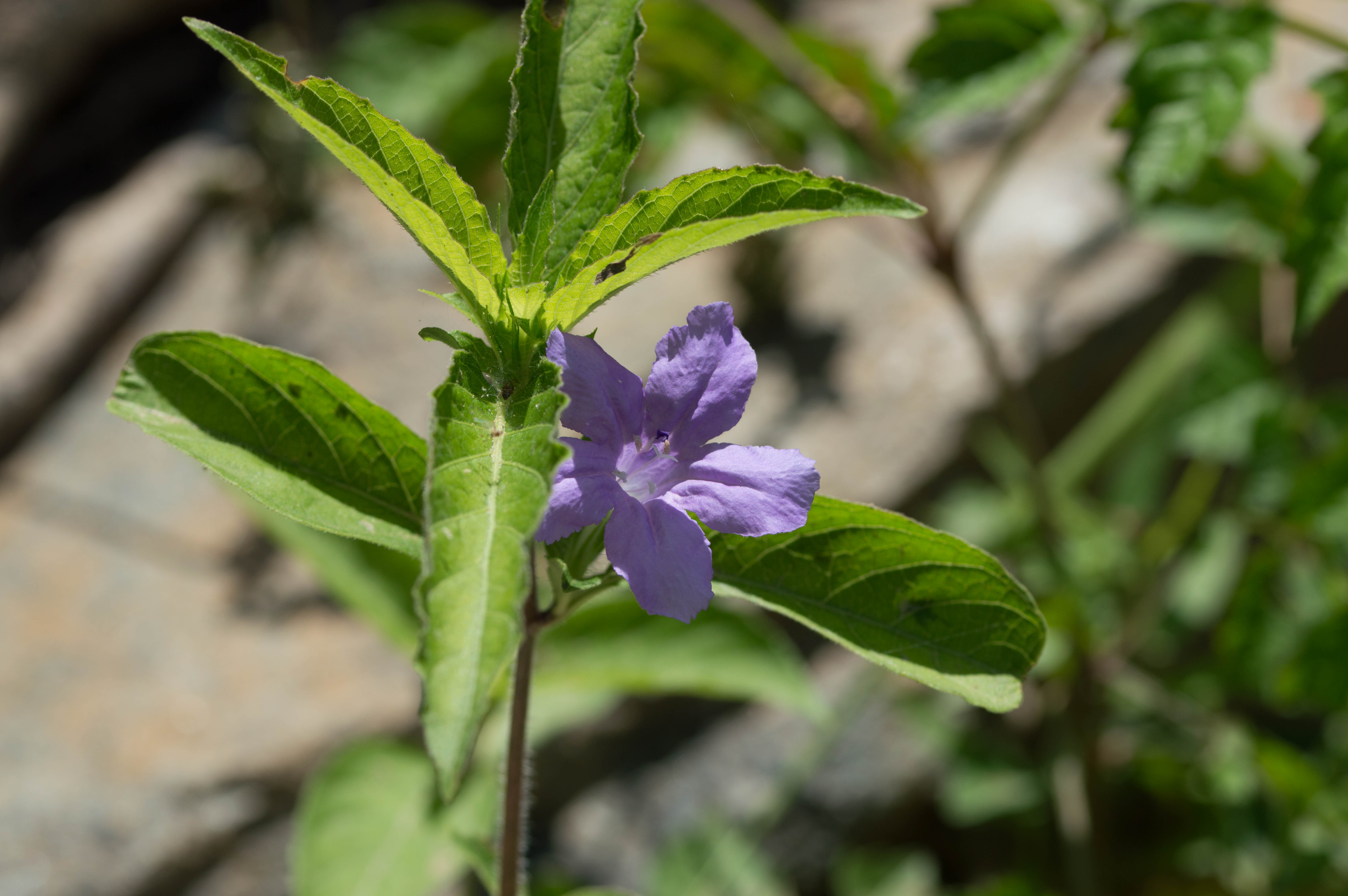
aka Hairy Ruellia; Ruellia caroliniensis; Acanthaceae (acanthus family)

20140624-DSC_0218

This plant grows about a foot or two tall, and likes dry soils and a little shade. I’ve yet to find a really good specimen, as they’re all just off narrow part of the trail that sees a lot of foot traffic and, this year, flooding.  Not to mention over-enthusiastic trail maintenance personnel, which I’ll rant about tomorrow.

20140702-DSC_0094

Click on this picture to enlarge, so you can see the lovely details in the petals:

20140702-DSC_0098

Carolina wild petunia is endangered in New Jersey and extirpated in Pennsylvania.