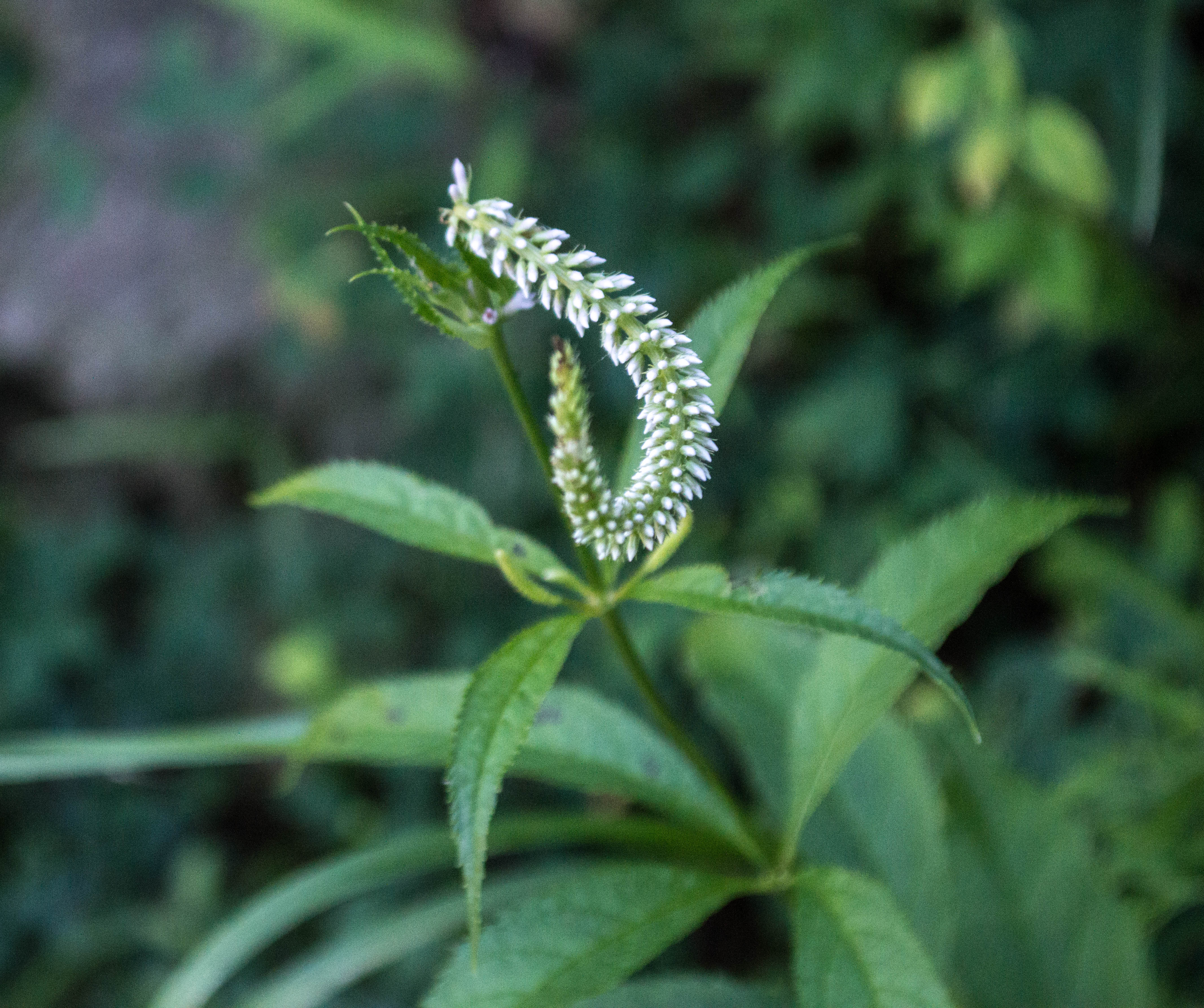
Flower of the Day: Butterfly Pea

aka Atlantic pigeonwings*; Clitoria mariana; Fabaceae (pea family)

*or, possibly, “Maryland lady-parts”

20140725-DSC_0133

The same day I found culver’s root while scrambling about on rocks, I found this plant.  It, too, was climbing over rocks.  It’s a vine, liking rocky habitats and sunlight.  Though I found several plants, I only found the one flower (and two days later, still only one flower).  It grows throughout the eastern US through the Great Plains and the desert southwest, but is endangered in New Jersey and Pennsylvania.  Only one other natives species of Clitoria grows in the US, and that only in Florida.

About the genus name… I know what you’re thinking, and you’re right.  First described by a German botanist in 1678.  I thought maybe “mariana” was his girlfriend, which is dubiously romantic.  “Honey, I named a flower after you.”  But according to several different sources, the specific epithet “mariana” means “of Maryland”. So you could also call this flower “Maryland lady parts”.  As a Maryland native I’m not sure how I feel about that.

Apparently over the years botanists have been offended by the genus name and have tried to change it; Wikipedia has a nice little discussion on the topic..

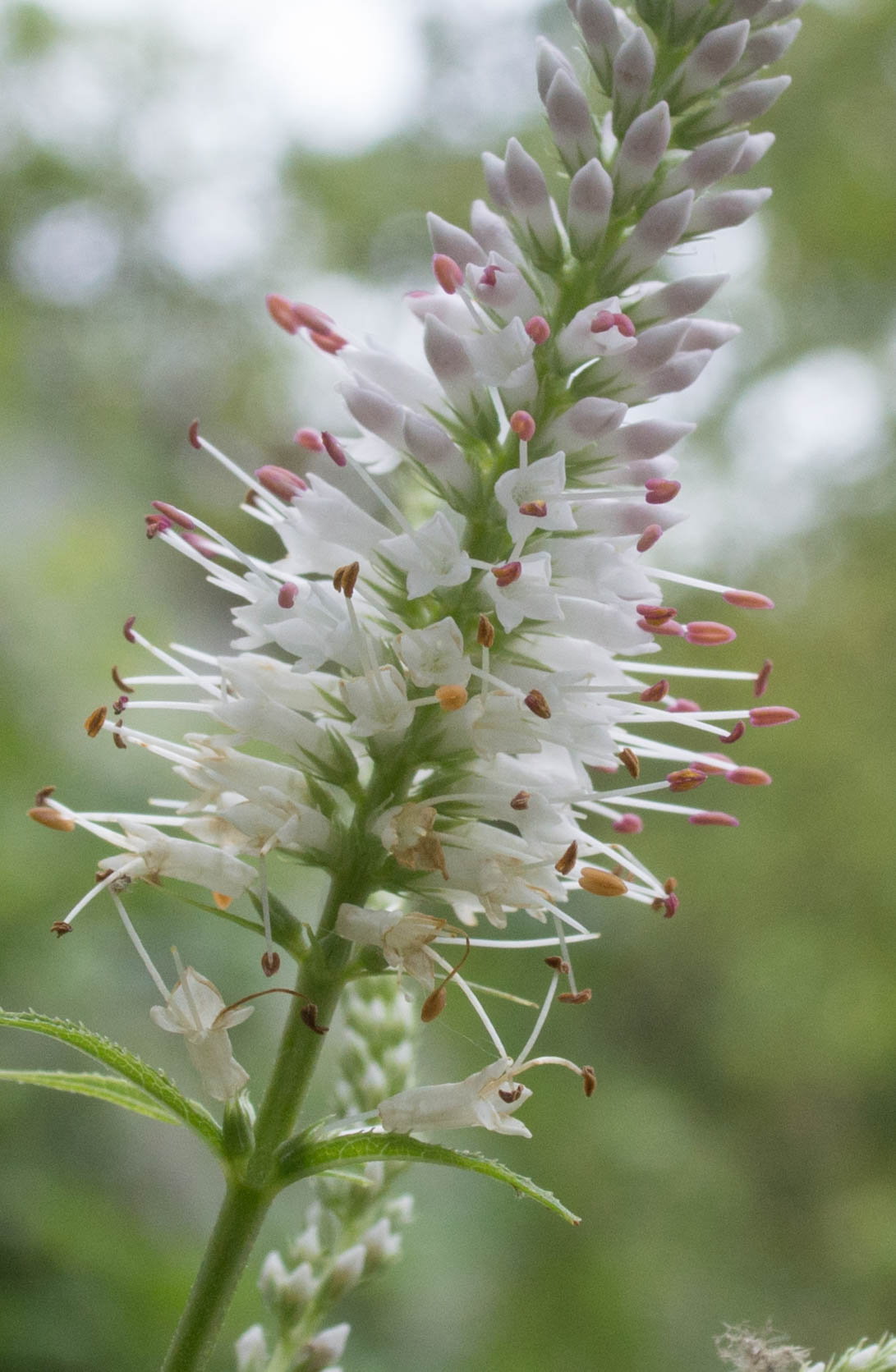
Flower of the Day: Culver’s Root

Veronicastrum virginicum; Scrophulariaceae (figwort family)

20140725-DSC_0065-2

Look at that thing standing tall and proud.  This was another lucky find in an unexpected place, down a rock scramble close to the river near Carderock. Big damn plant (4 feet tall) that I would never have found if I hadn’t decided “what the heck, go have a look over there”.  I love when that happens.

Of course, it was growing in a spot where I couldn’t begin to get close enough for macro shots.  I was precariously perched on boulders doing Photographers’ Yoga just to get these shots, but used Lightroom to zoom in on this one:

20140724-DSC_0049

Culver’s root was named for a physician who used the plant medicinally.  It can be found from the Great Plains of North America all the way east to the Atlantic, growing in the sun (or part shade) in rich (or slightly sandy) and moist (or dry) soils.  In other words, it’s pretty adaptable and would make a fine garden plant.  It is threatened in Massachusetts and New York and endangered in Vermont.

Here’s the USDA fact sheet.

Young and dainty:

20140725-DSC_0068

Flower of the Day: Allegheny Monkeyflower

Mimulus ringens; Scrophulariaceae (figwort family)

20140716-DSC_0151

Sometimes I’m just not going to get a good picture. I found this plant on two occasions. Both times, it was growing right at the edge of the canal, about ten feet away down a steep, poison-ivy covered bank. I’ll do a lot for a good picture, but I have limits.

There are three monkeyflowers found in this area; one of the others is called winged monkeyflower, a name that starts music from a certain seminal color motion picture start playing in my mind.  I found that one last summer in a marsh at the foot of Carderock but haven’t seen it this year.

20140729-DSC_0002

This one is found all over the US and Canada except the mountain West.  It can grow up to three feet tall, and obviously likes wet soils and full sun.

Flower of the Day: Cranefly Orchid – Again

Tipularia discolor; Orchideaceae (orchid family)

20140729-DSC_0185

What, again?  Yes, again.  I have a thing for orchids.  They can be the most beautiful flowers, or the most ugly, or the most boring or inconsequential or showy and stunning… I love them all.

Depending on which taxonomist you consult, the Orchidaceae is either the largest plant family or second only to the Asteraceae, with more than 20,000 species in over 800 genera.  They occupy almost every habitat on earth (there are none on glaciers), on every continent except Antarctica.

Orchid biology is fascinating.  I studied it extensively when I grew orchids more than a decade ago but won’t bore you with details.  Finding this plant is lighting the fire in me again…

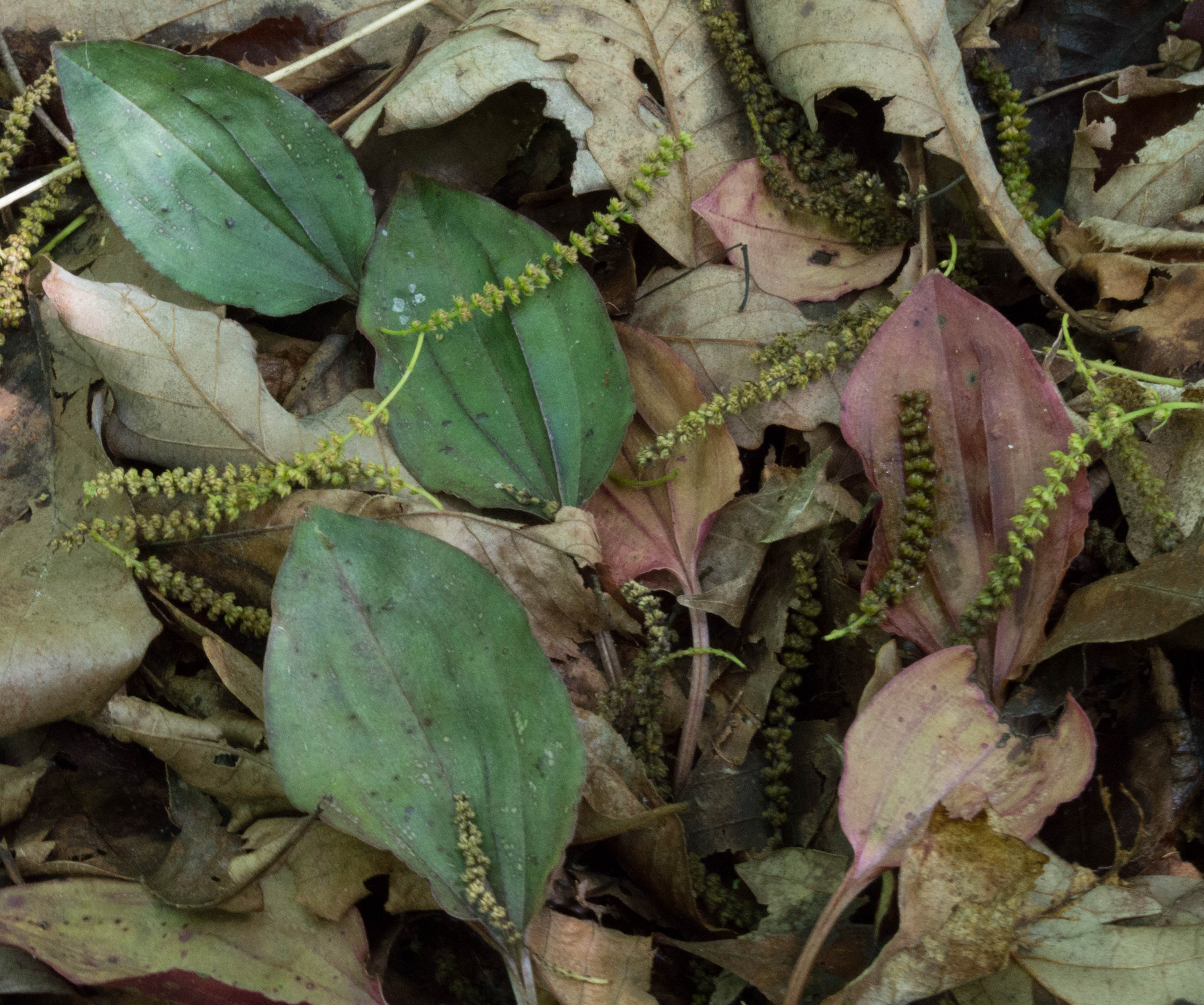
About the cranefly orchid: it’s a terrestrial, meaning it grows in the ground, as opposed to epiphytic (growing on other plants) or lithophytic (growing on rocks).  It puts out a single, small, leathery leaf, green on top and purple on the bottom, in the autumn.  This leaf will persist throughout the winter and into late spring,

20140522-DSC_0002

dying back about late May or early June.  In early or mid July a naked shoot will arise:

20140710-DSC_0184

and start budding up a week later.

20140721-DSC_0299

The first flowers will open about two weeks after that.

20140729-DSC_0143

Cranefly orchid is native to the Eastern US, ranging form New York and Michigan south and west through Texas.  It’s listed as threatened in Florida and Michigan, endangered in Massachusetts and New York, and rare in Pennsylvania.

I’ll be going back to check on its progress later today.