Variations on a Theme: Blueberry and Deerberry

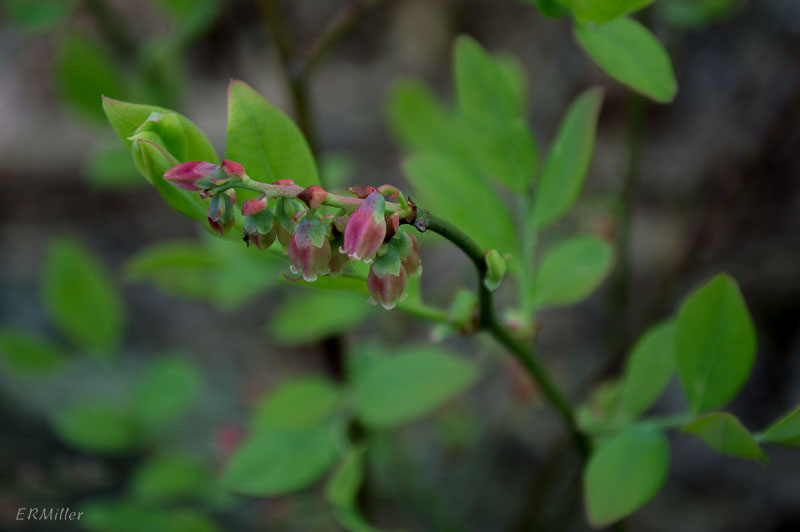
20150428-20150428-_DSC0060


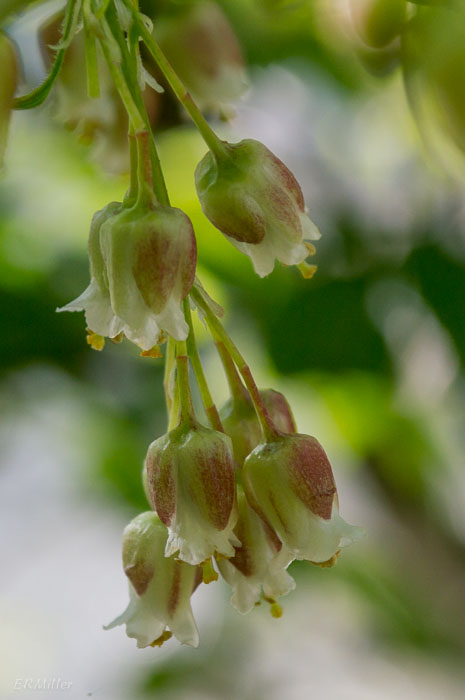
Vaccinium corymbosum
highbush blueberry


20150507-20150507-_DSC0043


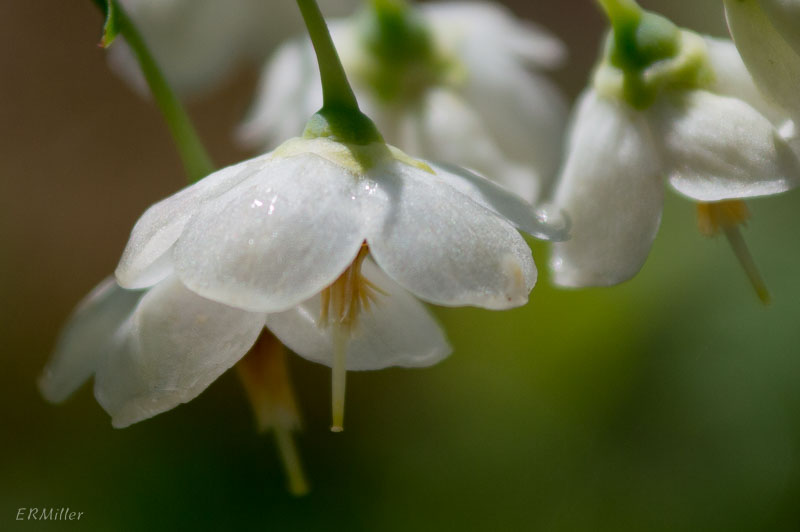
Vaccinium stamineum
deerberry


Vaccinium is a large genus, comprising some 450 species worldwide, of which about 40 can be found in North America. You might know them by the common names blueberry, bilberry, deerberry, lingonberry, huckleberry, cranberry… Some of the species can be rather difficult to distinguish unless you examine the fruit, and good luck with that, because just about every mammal feeds on them (including me if I ever get to them first).

The rocky areas near Carderock are covered in these two unassuming little shrubs, which along with V. pallidum are the only Vaccinium species found in the Maryland Piedmont (according to the Maryland Biodiversity Project.)  Like most other plants in the Ericaceae (heather family), they like well-drained acidic soils and a good amount of shade.
20150507-20150507-_DSC0044

Flower of the Day: American Bladdernut

20150429-20150429-_DSC0010


Staphylea trifolia
Staphyleaceae


As with fringtree (May 13), I don’t have any pictures of an entire specimen, because I’ve never seen one that wasn’t crowded in among other trees and shrubs.  Whereas you’re likely to find fringetree on bluffs, you’ll find bladdernut right along the river.  It, too, is an understory tree, but one that prefers a bit more light and a lot more water.

20140519-American bladdernut fruit

Bladdernut is more of a Mid-Atlantic and Midwest tree, fairly common throughout its range.  It’s small, usually standing about 12 feet tall or less, and unremarkable except for the lovely flowers.  And interesting seed-pods.

20141226-_DSC0006


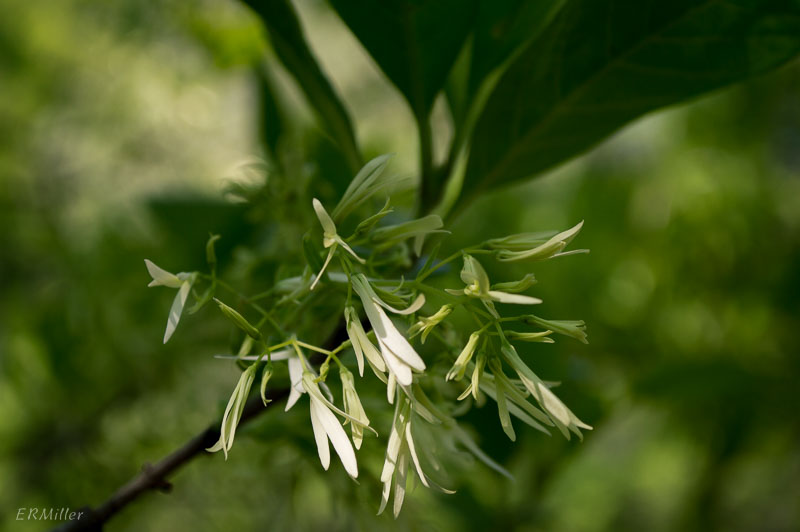
Flower of the Day: Fringetree

20150507-20150507-_DSC0053

Chionanthus virginicus; Oleaceae

Like buttonbush and American bladdernut, fringetree is one of those natives that’s fairly common but that you’ll seldom notice, until you see it in bloom.  It’s a spectacular sight, with big clusters of flowers (each with petals up to an inch long) hanging from the branches.

20150507-20150507-_DSC0057

I have never been able to get a picture of an entire specimen, or even a large portion of one, because I can never see the whole thing.  Fringetrees grow in the understory, and in the Carderock area, at least (where there are dozens of them), they’re always mixed up with the larger trees.  They typically stand 10 to 20 feet tall, but in a cultivated landscape can grow taller. They’re native to the southeastern US, where they prefer damp woods, thickets, and bluffs (like Carderock).

If you go looking for them, keep your nose open.  Every time, I smell them before I see them.  The scent is lovely.

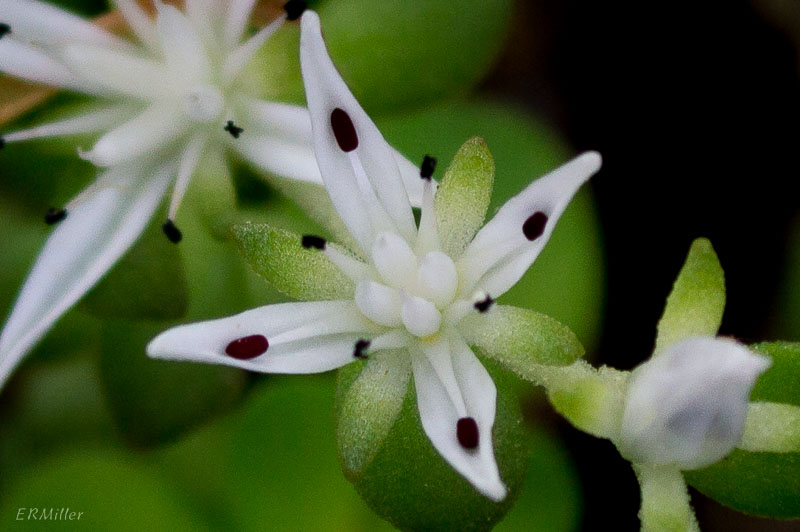
Flower of the Day: Wild Stonecrop

20150503-20150503-_DSC0016

aka woodland stonecrop
Sedum ternatum
Crassulaceae


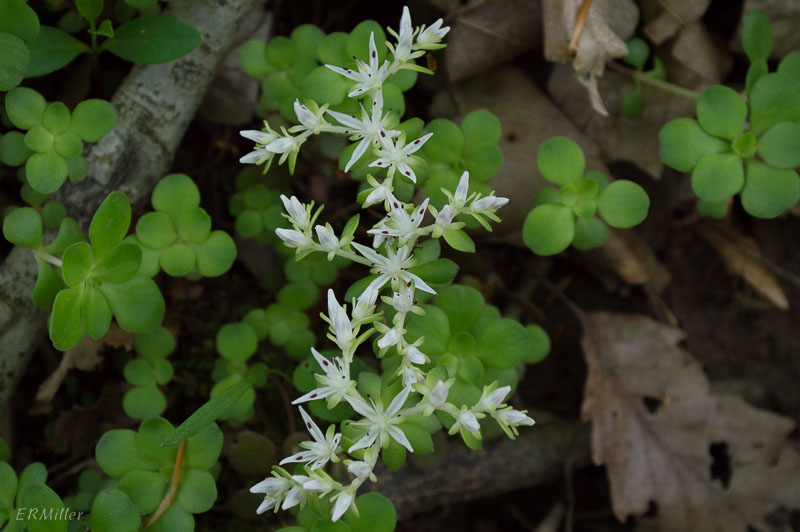
I’ve written about this plant before, but it’s a favorite and blooming now.  Wild stonecrop is native to Eastern US woodlands.  It likes to sprawl across rocks where there is a little bit of soil or leaf mould, and stands no more than eight inches tall.

20150503-20150503-_DSC0004

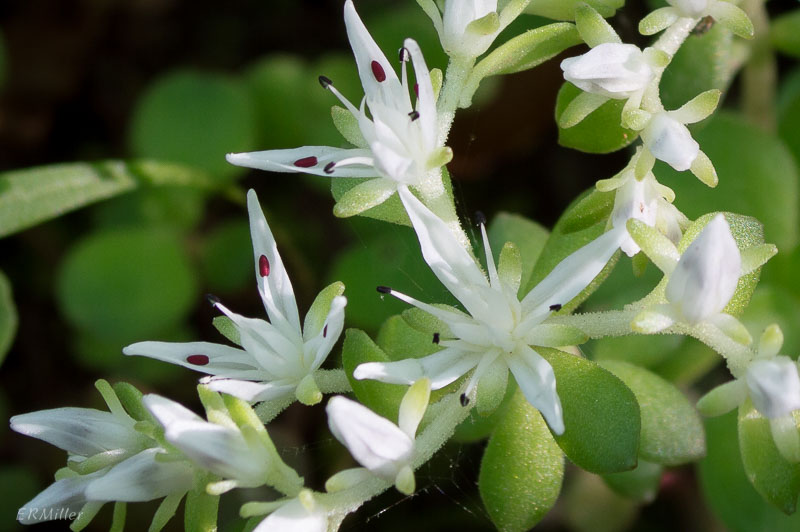
The inflorescence typically has about a dozen flowers on three branches.

This flower is about 1/4 inch across, and consists of four green sepals, four white petals, eight stamens with purplish anthers, and four pistils.

20150503-20150503-_DSC0027


You can get a sense of scale from this picture (note the fallen leaf at the lower right).


20150503-20150503-_DSC0013

This particular stand is under a tree alongside a very small stream near the base of a large rock formation.  The sun was just starting to peek over the rocks as I was taking these pictures.

I spent an hour there, in that one location.  Felt like 15 minutes.
20150503-20150503-_DSC0042

Flower of the Day: Coville’s Phacelia

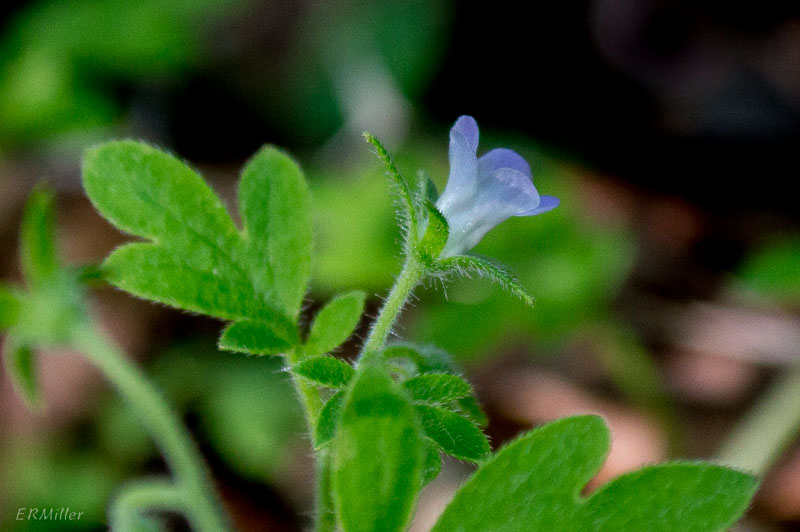
20150429-20150429-_DSC0091-2

aka buttercup scorpionweed
Phacelia covillei
formerly in the Hydrophyllaceae
currently in the Boraginaceae (per the Angiosperm Phylogeny Group)


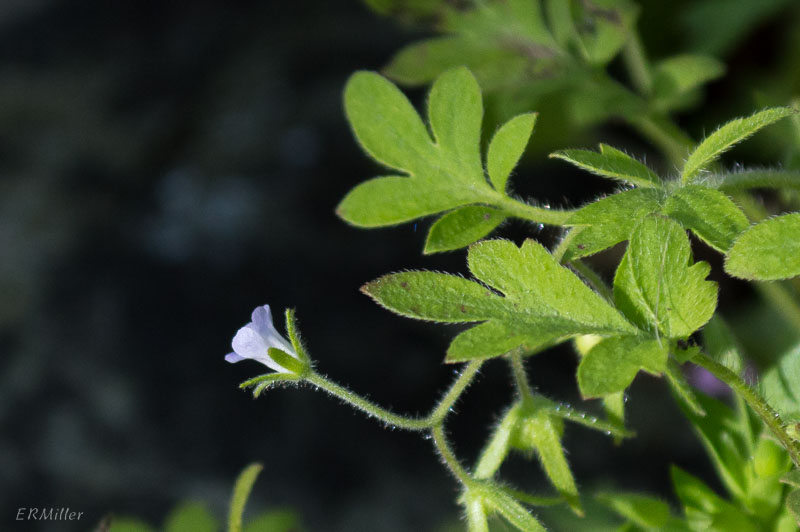
20150429-20150429-_DSC0095

Coville’s phacelia is a somewhat weedy-looking, low-growing, hairy annual forb, easily overlooked.  Per the USDA Plants database, it is found only in Illinois, North Carolina, Virginia, and Maryland (where it is endangered).


Some authorities consider it the same species as P. ranunculacea, which is found in a handful of Midwestern states (and is endangered or of special concern in four of those).

There isn’t much information about it on the internet, but I did find this 112 year old reference to it:

20150429-20150429-_DSC0089

“In view of the apparent rarity of the species, a note upon it may be of interest.  The original station for this plant was an island in the Potomac River, where it was fist collected by F.V. Coville.”  -H. A. Gleason, A Second Illinois Station for Phacelia Covillei Watson” in Torreya, vol. 3, No. 6 (June, 1903).

I wonder which island that would be?  Perhaps Plummers Island, “the most studied island in North America”.