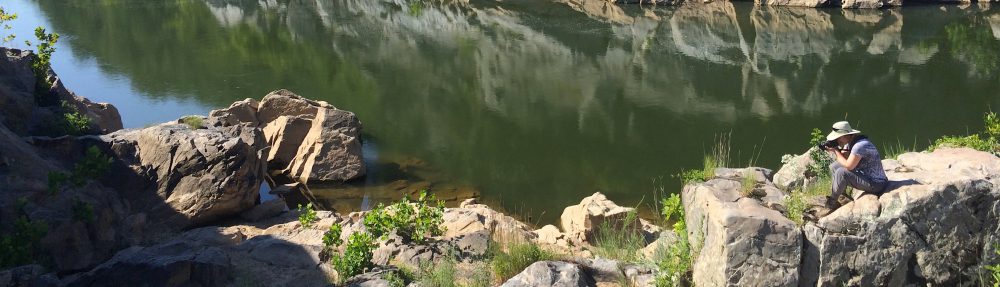
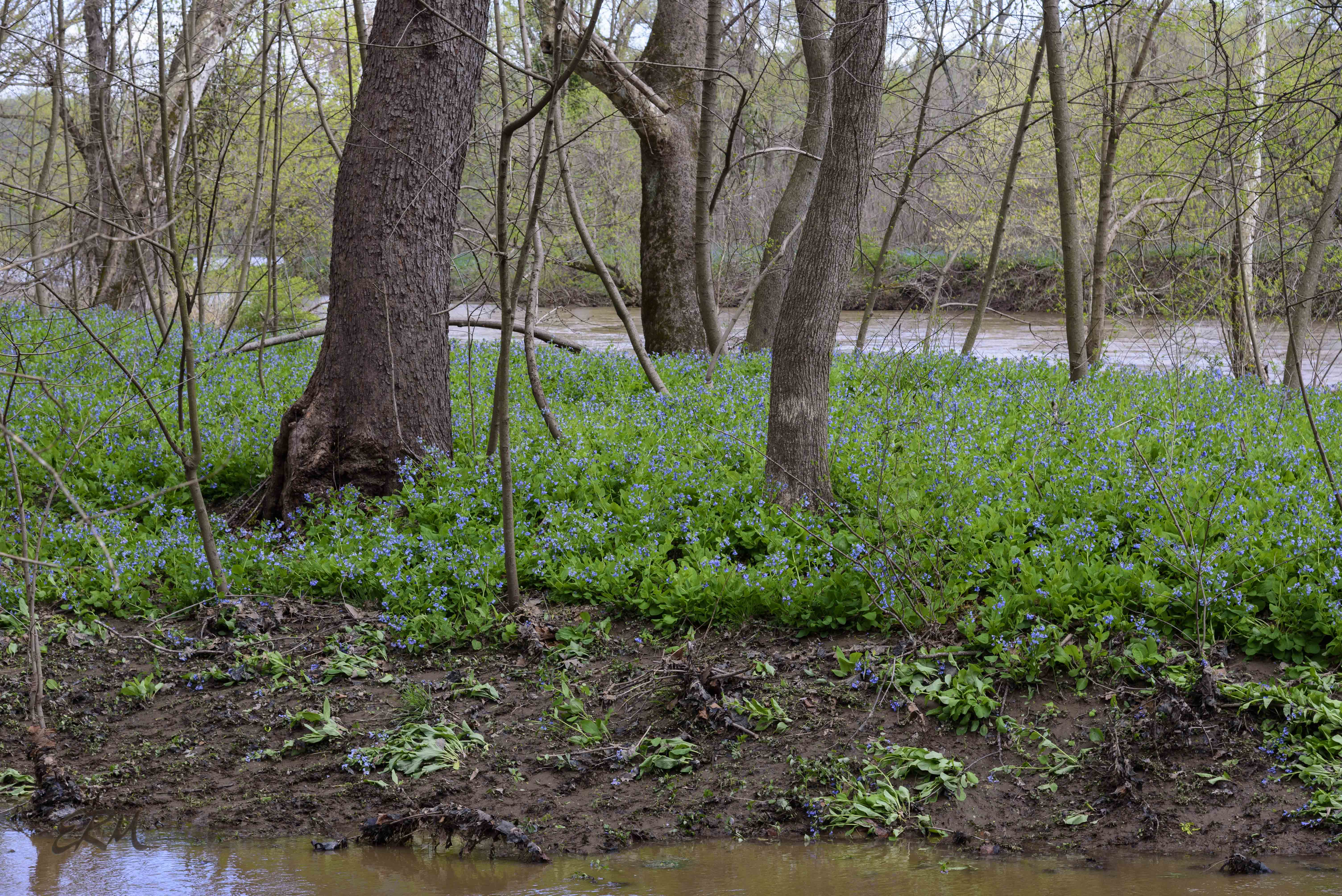
 River levels have been pretty high, and the vernal ponds are more full than I’ve seen them in several years, but I suspect the groundwater level is still pretty low. We need rain.
Or it may be that I need rain. With this compressed season, I’ve been out almost every day shooting, which means I have a backlog of several hundred photos to process and many ideas for blog posts to write. But those things won’t happen until the weather forces me to stay inside.

Micranthes virginiana (early saxifrage)
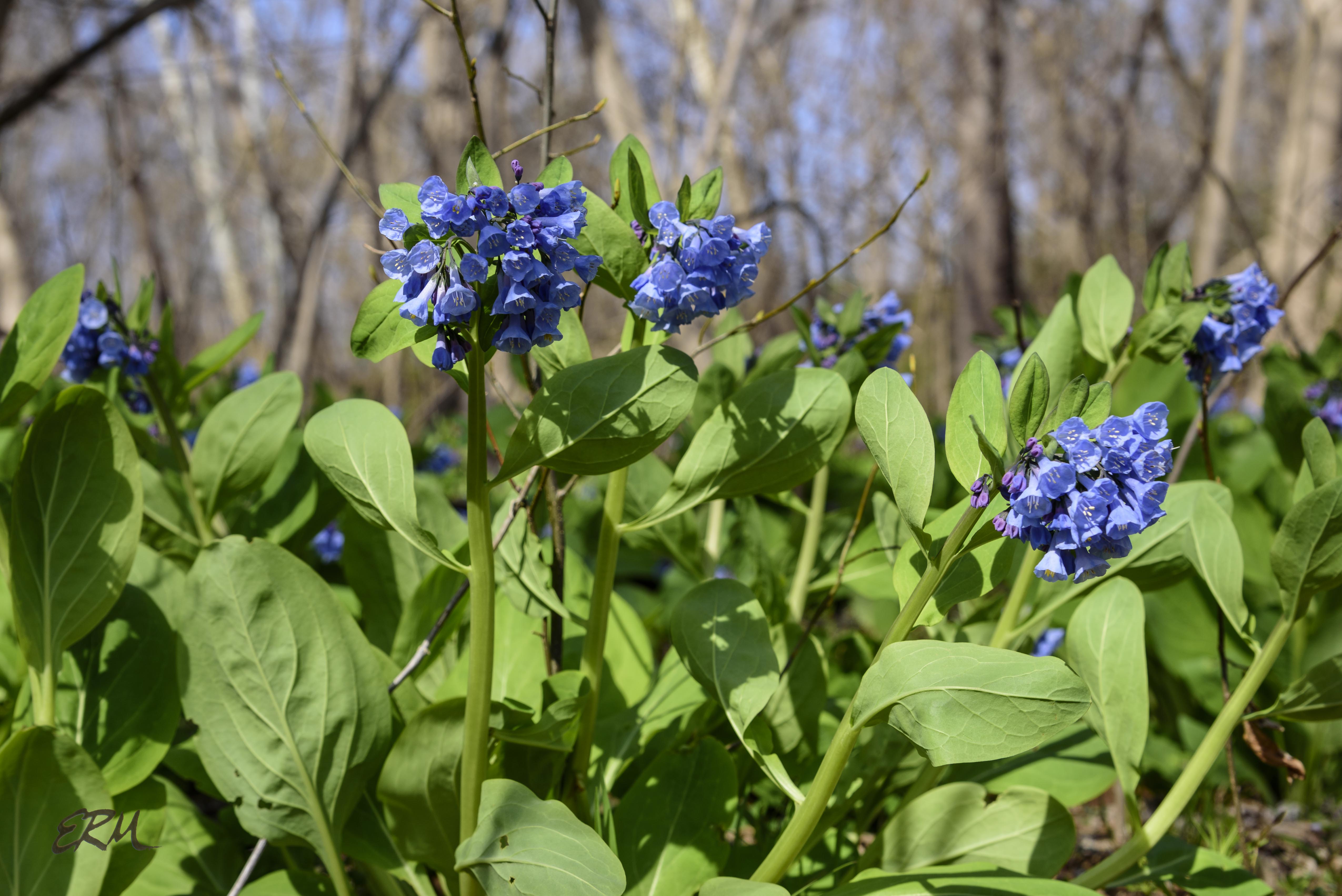
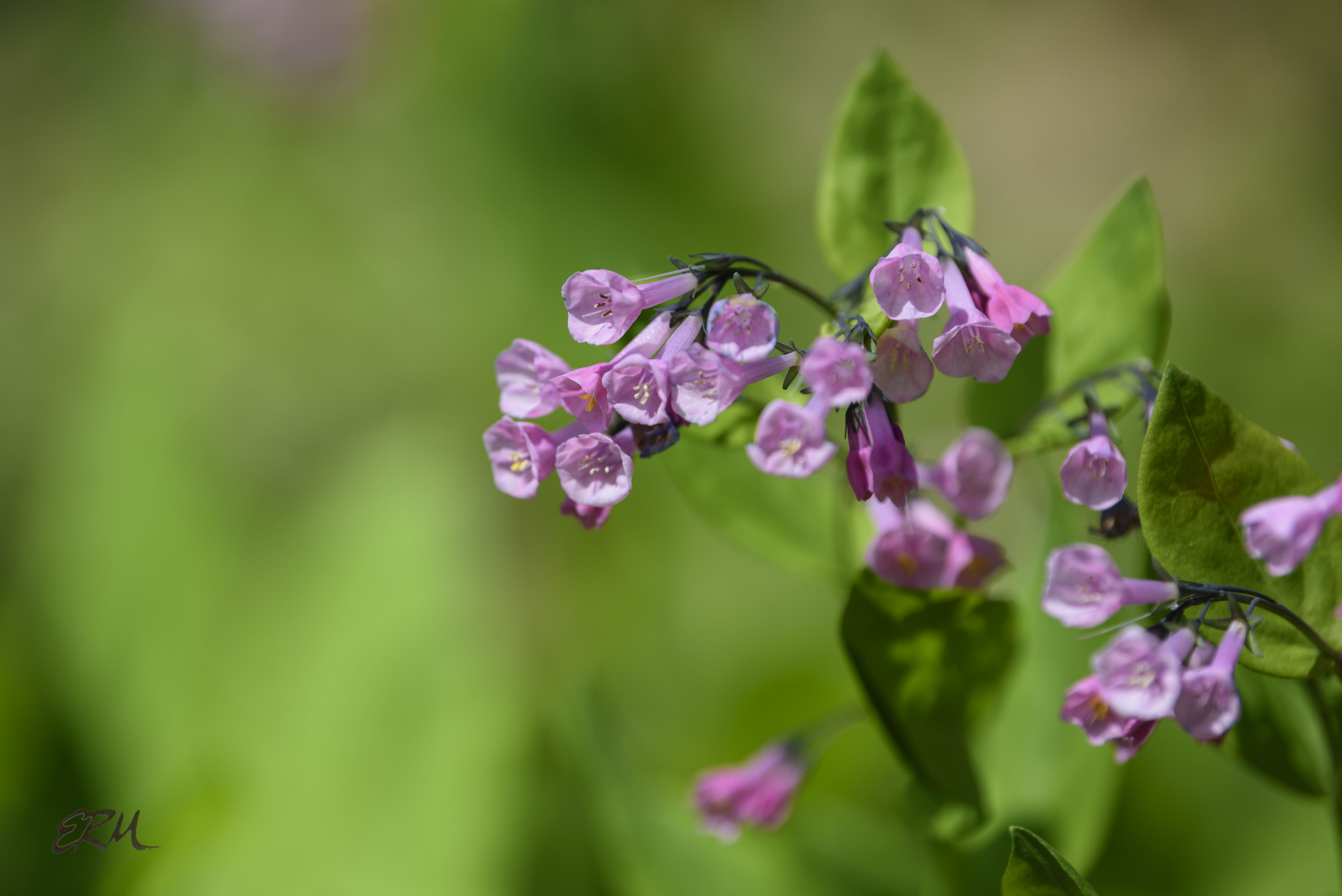
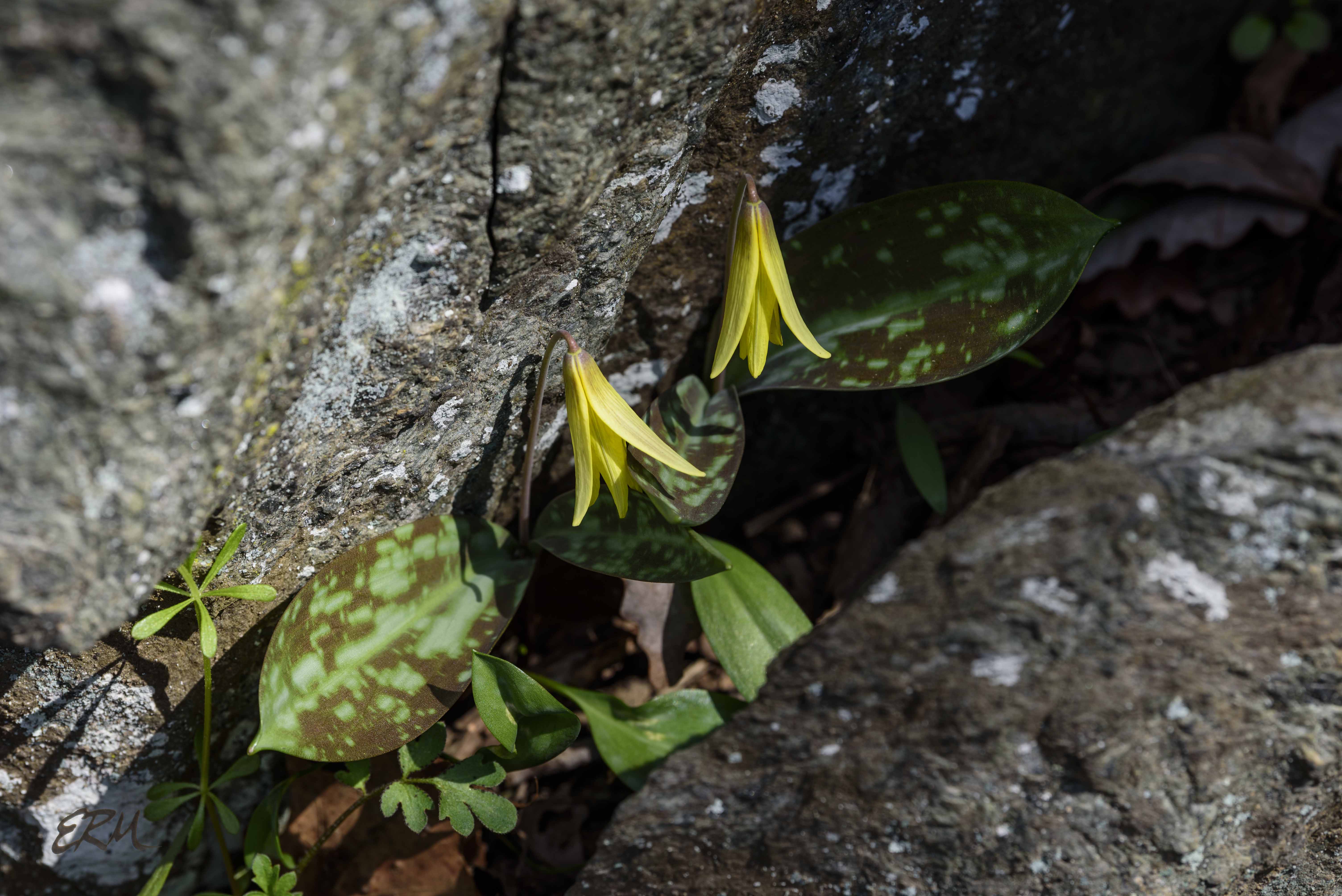
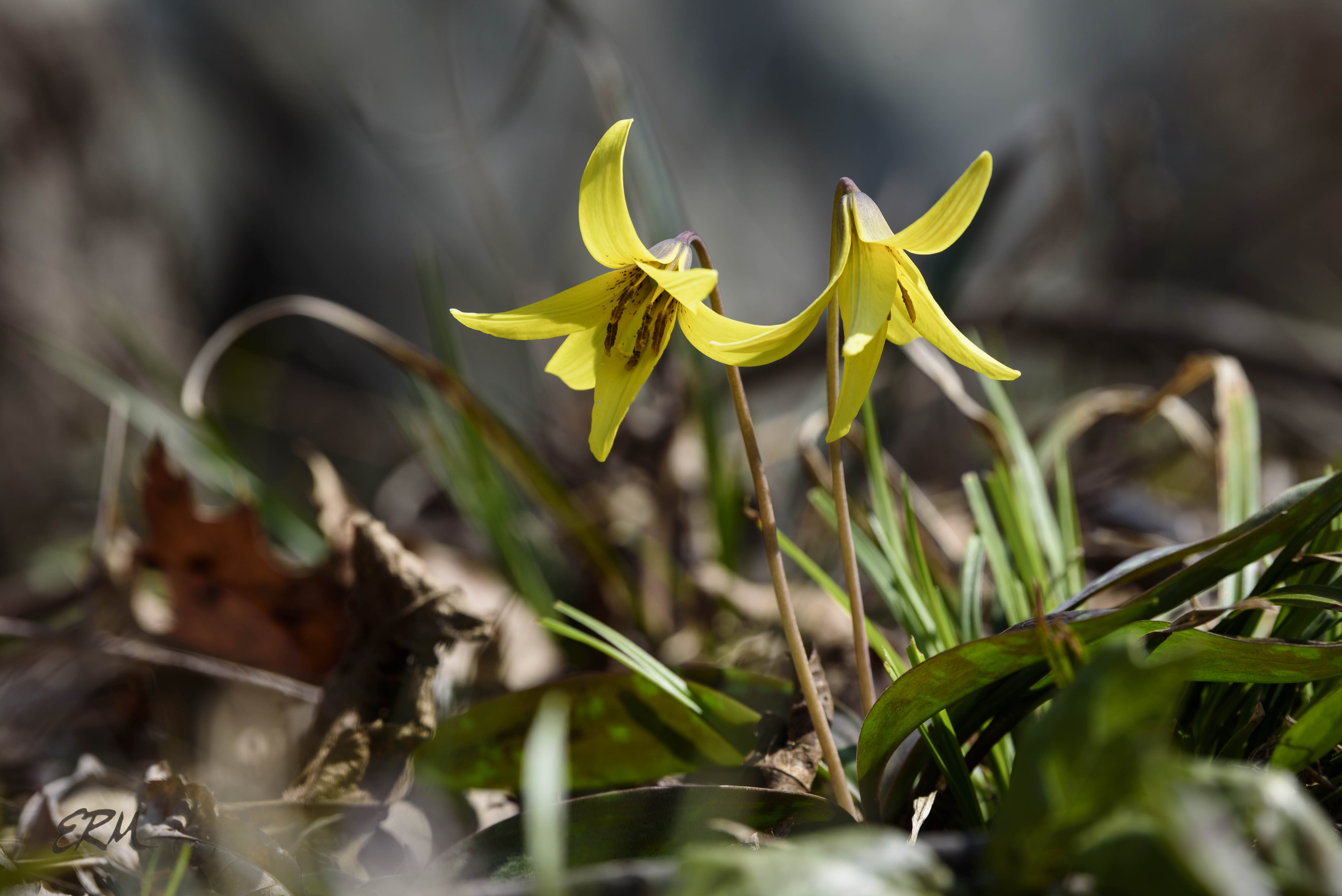
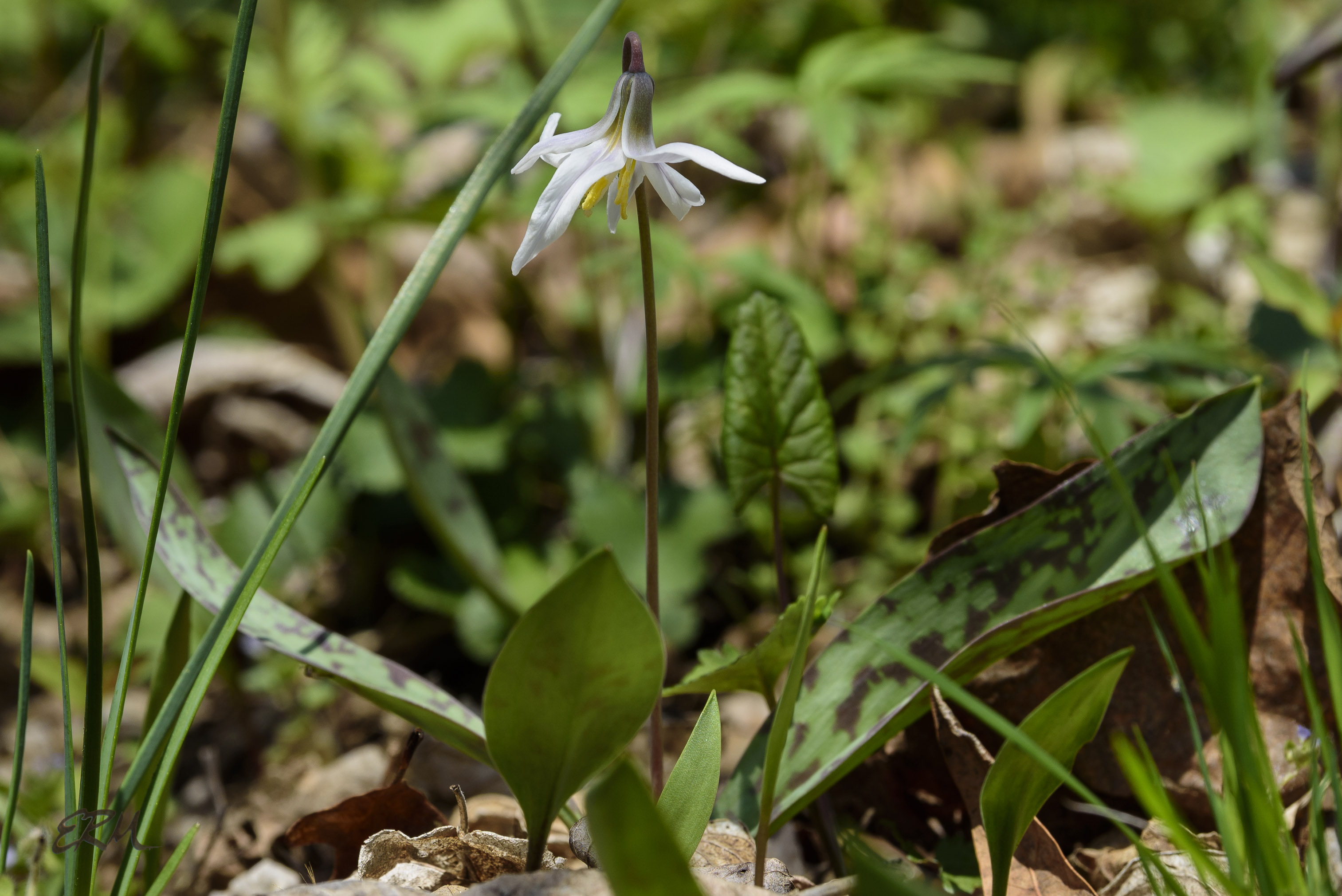
The initial tide of spring ephemerals is ebbing: while early saxifrage, golden ragwort, and toadshade are near their peak, Virginia bluebells, toothworts, Dutchman’s breeches and squirrel corn are all past theirs, and it looks like bloodroot, trout lily, and harbinger of spring are done. Round-lobe hepatica seems to be done near the Potomac, but is still going strong up at Rachel Carson Conservation Park.

Obolaria virginica (pennywort)
And speaking of RCCP, pennywort is blooming there now, and the pinxter azaleas are well in bud.
The second wave of spring flowers is well under way in the greater Carderock area.
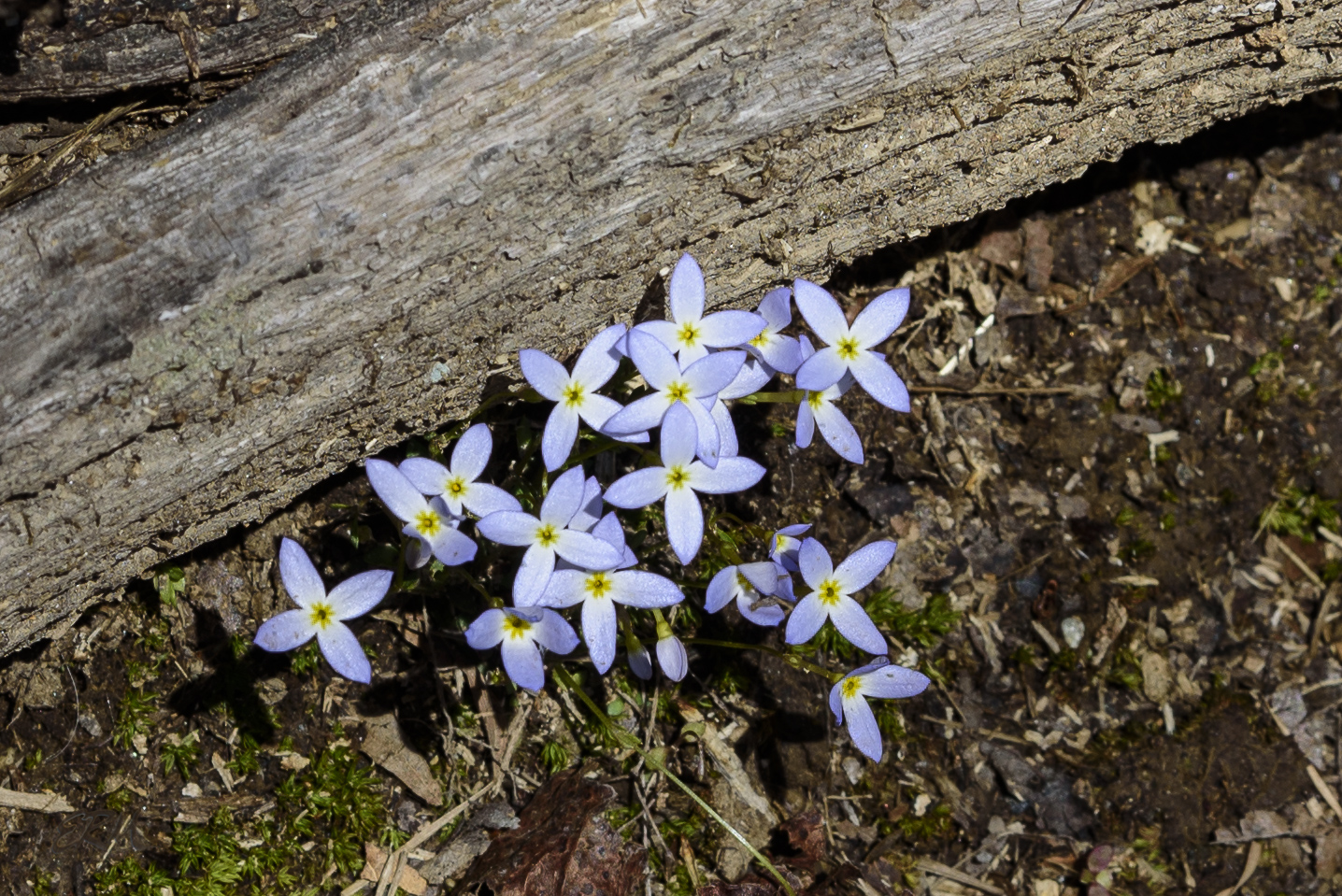
Houstonia caerulea (azure bluets)
Recently I’ve spotted blue, yellow, and white violet species, sessile bellwort, yellow corydalis, azure bluets, and wild pinks.

Phlox divaricata (wild blue phlox)
Wild blue phlox is close to peak, and so is rue anemone.
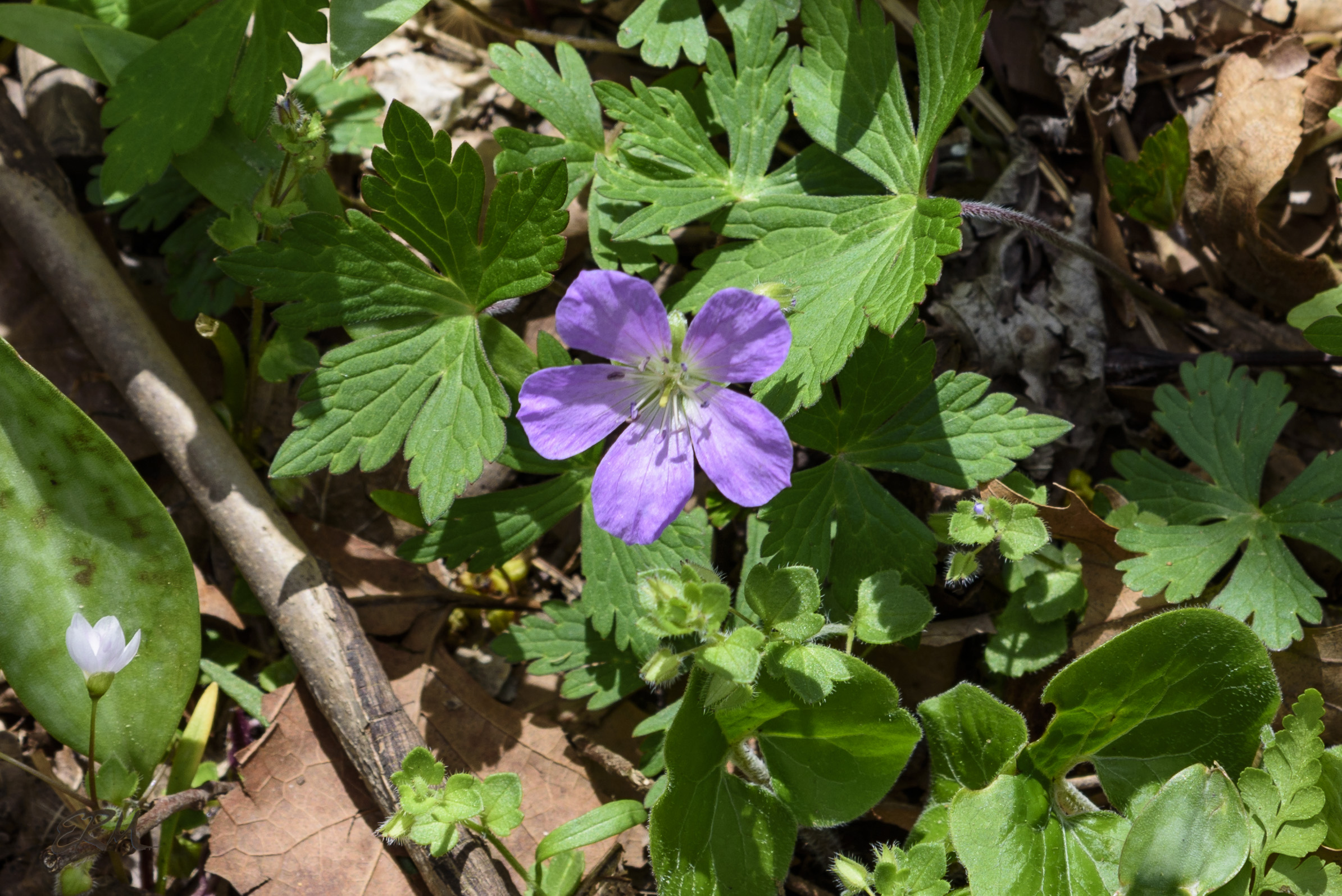
Geranium maculatum (wild geranium)
Dwarf cinquefoil, plantain-leaved pussytoes, wild geranium, and jack-in-the-pulpit are blooming.

Cercis canadensis (redbud)
Trees are blooming, too. Redbud flowers are open, pawpaw buds are swelling.
Dogwood is just getting started.

Cornus florida (flowering dogwood)
Other species to watch for: early meadow rue, star chickweed, lyre-leaved rockcress, smooth rockcress…
…and always spring beauties.

Claytonia virginica (spring beauty) growing in an exposed tree root







 Elizabeth's Wildflower Blog