Farewell for Now

20150924-_DSC0147

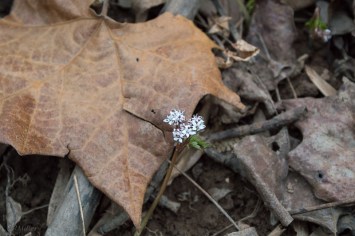
The weather’s getting colder [actually not, we’re having an unusual warm spell], the leaves are off the trees, the perennial wildflowers are dormant: the season is done. And so is this blog, for a little while. I’ll make an occasional post if I find something interesting or lovely while out and about, things like plants going to seed or nice landscapes. I’ll post the Three Views shots in early December. And probably some time in early March I’ll be out again looking for harbinger-of-spring to emerge, and the blog will re-emerge, too. Farewell for now!


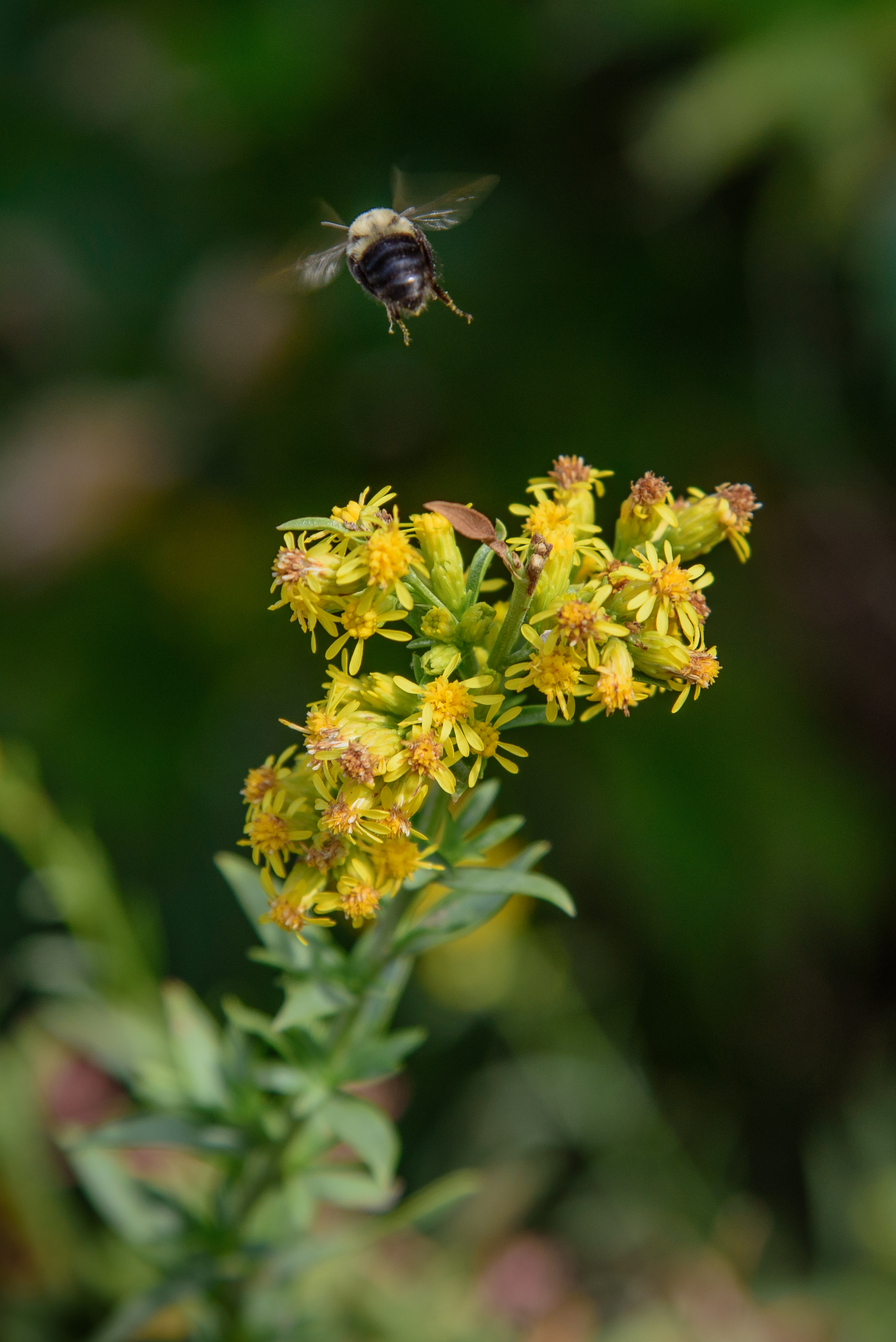
above: bumblebee departing riverbank goldenrod

below: sunset on the Potomac near C&O Canal Lock 8, October 20

bottom: harbinger-of-spring last March

20151020-_DSC0115

20150324-_DSC0022

Almost Done

20151012-_DSC0051

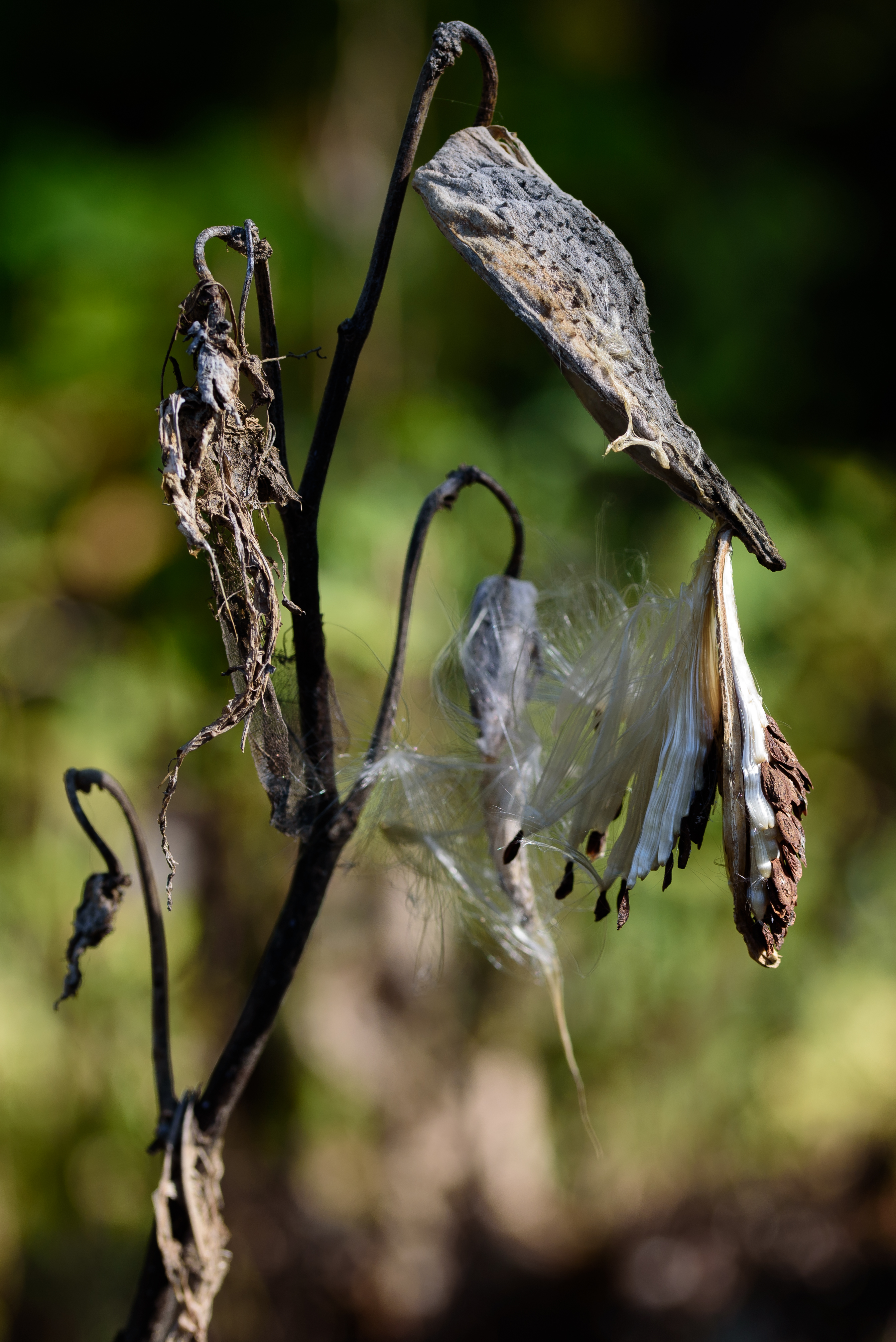
A few asters, goldenrods, and eupatoriums are hanging on, but mostly the wildflower show in the Potomac Gorge is done for the year.  That means it’s time to watch for other interesting things, like autumn leaves, the shapes of bare tree branches silhouetted against the sky, foggy sunrises and clear sunsets.  And seeds.  Like these seedpods of common milkweed (Asclepias syriaca) that were just opening on the riverbank near Lock 8 in mid-October.

20151012-_DSC0055


just opening, not puffed out yet

20151012-_DSC0035


forming little balloons


20151012-_DSC0010


freedom!

20150610-20150610-_DSC0084


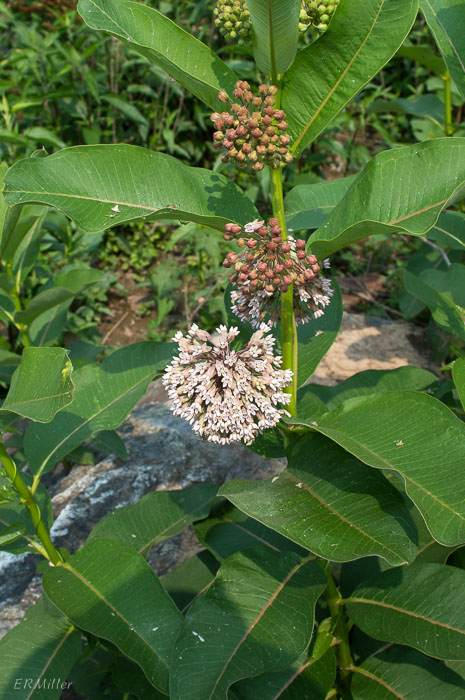
milkweed in early June20150610-20150610-_DSC0089

Mystery Aster

20151020-_DSC0014

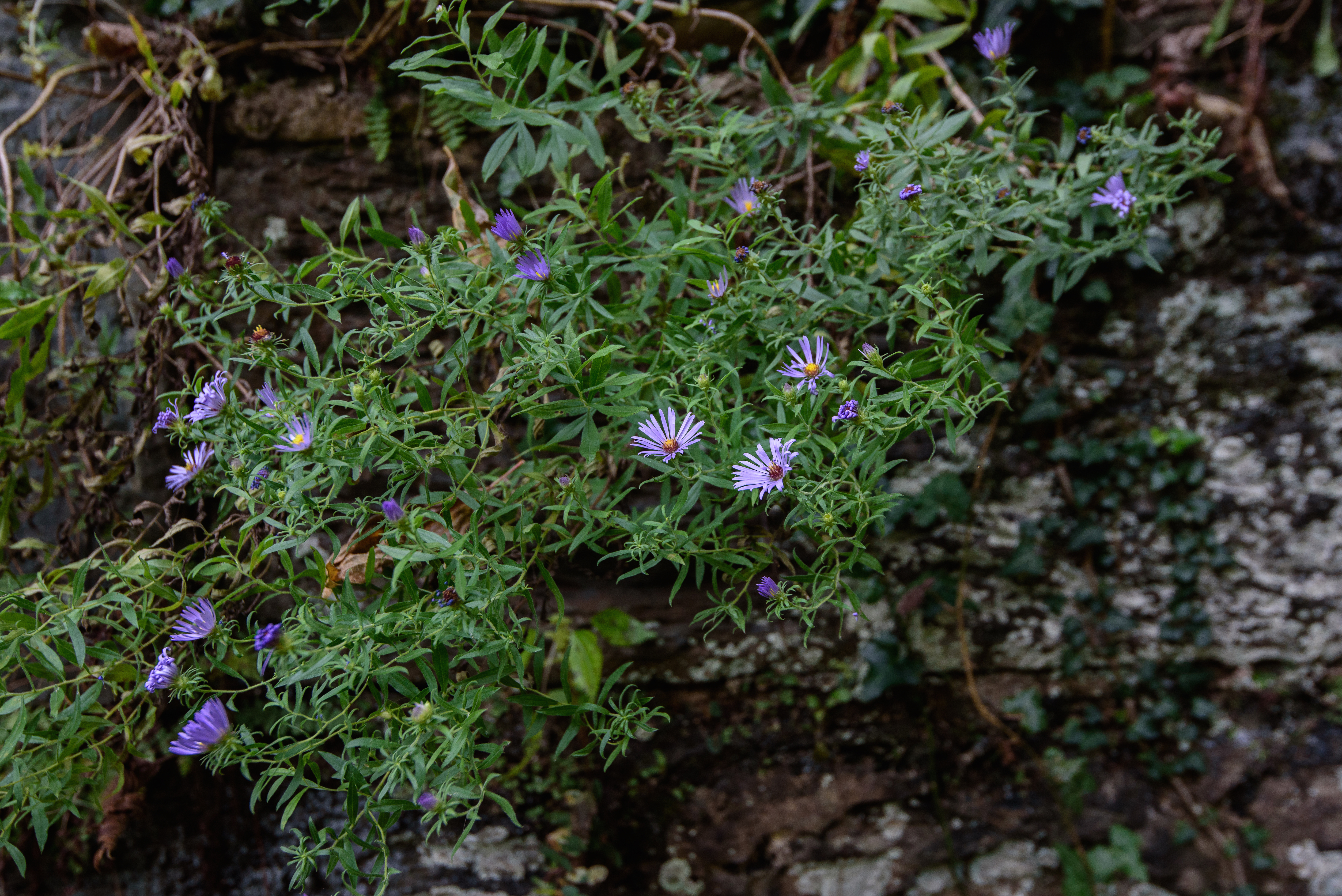
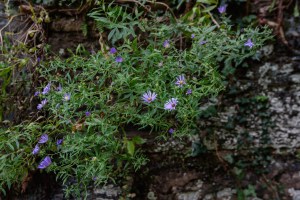
As I wrote earlier this month, identifying asters can be somewhat tricky. I still haven’t tried getting on the internet and finding a dichotomous key while in the field. But one day last week, while testing a rented wide angle lens, I stumbled on these late-bloomers near Harper’s Ferry, WV. I tried to key them out using my pictures, but couldn’t quite manage – there was always one detail that was not quite right.

So I cheated and asked on an internet forum. The experts there weren’t sure, either, but the best fit to the available information seems to be that this is aromatic aster, Symphyotrichum oblongifolium. Other people keyed it out and got S. pratense (barrens silky aster), which doesn’t grow in that area, and S. novae-angliae (New England aster), which is still a possibility.

Aromatic aster grows in Frederick, Montgomery, and Prince George’s county in Maryland (per the Maryland Biodiversity Project). Otherwise in the mid-Atlantic it looks to be western, occurring in the Blue Ridge, Ridge and Valley, and Appalachian Plateau physiographic regions more than the Piedmont. It ranges west to the Rocky Mountain states, north to New York, and south to Alabama. It’s listed as rare in Indiana and is threatened in Ohio.
20151020-_DSC0011

The asters are the latest blooming plants in this area, except for witch hazel, so it might be time to put this blog to bed for the winter soon.

By the way, the lens I rented was a Nikon 16-35mm f/4, not exactly a great choice for the close-up work that I like to do with plants, but just look at the clarity in the top photo! And at ISO 640! And that’s zoomed way in with Lightroom. Now I really want to buy this lens.

 

Three Views

Less than a month ago, leaves were still green.  Now half of them have fallen. Recent heavy rain for a day throughout the Potomac River basin has left the river high, brown, and moving fast. Don’t forget to visit the Three Views page to see how things change month-by-month.

By the way the yellow leaves in the foreground of the first picture belong to spicebush (Lindera benzoin).

October 30
60 F at 11:36 am; mostly sunny and breezy

20151030-_DSC0257

11:47 am EDT  24mm  f/9.0  1/800sec  ISO 200

Billy Goat B trail, east end, looking southeast across a narrow channel toward Vaso Island


20151030-_DSC0262

12:02 pm EDT  27mm  f/9.0  1/640sec  ISO 200

Billy Goat B, mid-way between trailheads, looking upstream (more or less northwest) with Hermit Island on the left.


20151030-_DSC0268

12:35 pm EDT  24mm  f/8.0  1/1000sec  ISO 200

boat launch ramp near Old Angers Inn, looking downstream and more or less south

Silverrod

20151010-_DSC0026

aka white goldenrod
Solidago bicolor
Asteraceae

This is one of only two species of Solidago that isn’t golden, though if you look closely you’ll see that the disk flowers are often pale yellow while the rays are white.

Confusingly, the other white flowering species is called upland white aster, but despite the common name is actually a goldenrod, Solidago ptarmicoides.

Silverrod is a plant of the eastern US and Canada that ranges as far west as Missouri, Quebec in the north, and south to the Gulf Coast (but not Florida).  It’s a low-grower, seldom exceeding two feet, and prefers drier soils in open woodlands.

I never have managed to get a really good picture of it, for some reason.

20151010-_DSC0041