Astery Things #1: New England Aster

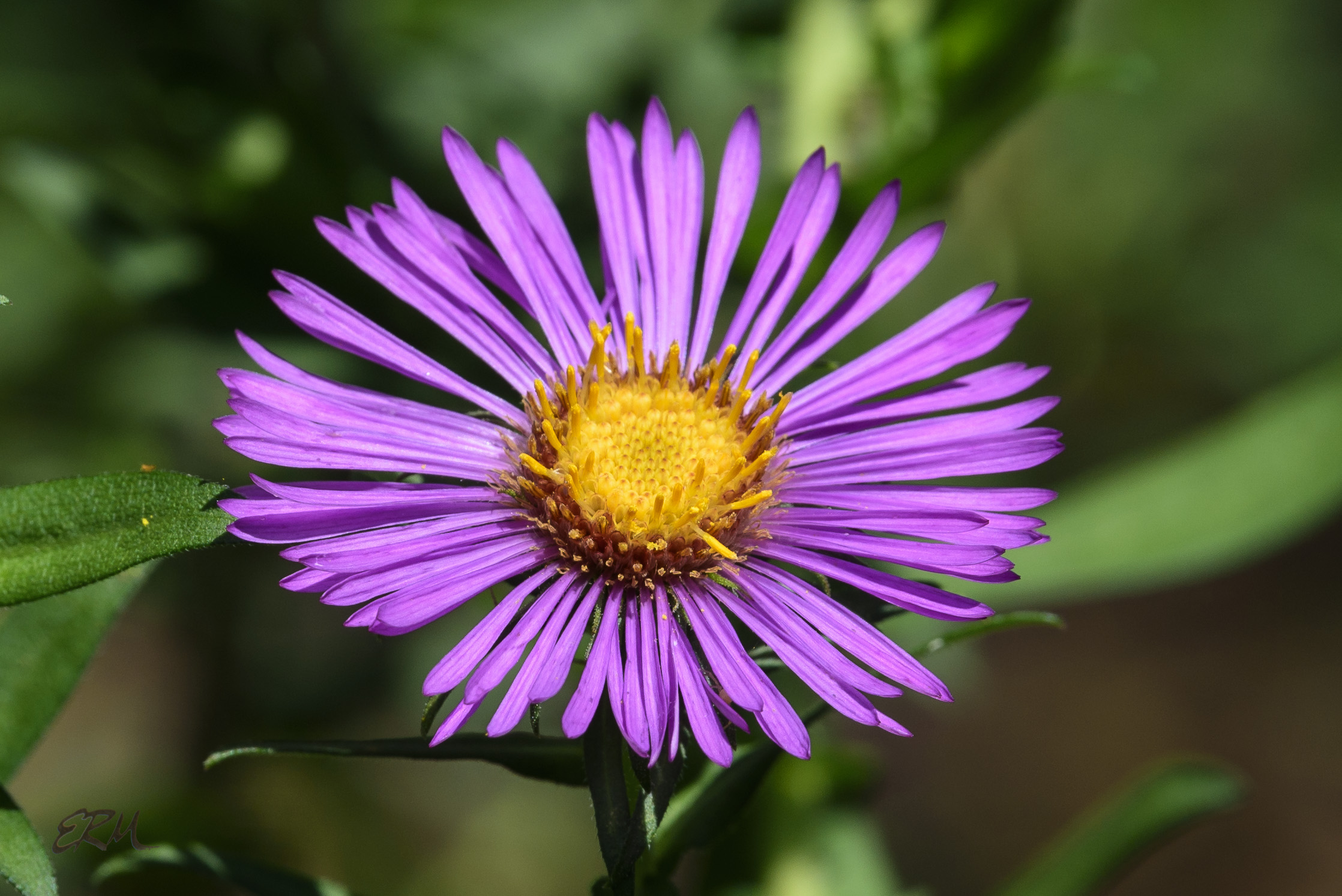
Symphyotrichum novae-angliae is a typical aster, with flower heads consisting of roughly 50 to 75 dark rose to deep purple ray florets ringing a button of 50 to 110 disc florets that are initially yellow but become purple with age.

upper stem leaves

There are quite a few other blue-purple flowering aster species in Maryland, but distinguishing them is a topic for an upcoming post.

flower heads forming

This species is found mostly in New England, of course, and in the upper mid-west and mid-Atlantic, but also ranges south through the Appalachians and into the Great Plains. In scattered areas of the West it’s found as a garden escapee. In Maryland, New England aster is found almost entirely from the Piedmont west, with just a few occurrences in the Coastal Plain.

pruned by rabbits!

The flowers pictured here are typical, but this particular plant is not. Usually New England aster sports one stem (or just a few) standing up to four feel tall; there may be some branching near the top. The plant shown here was pruned several times by rabbits before I got ’round to spraying repellent on it, hence the short, bushy appearance. New England aster grows in a variety of habitats, sunny to partly shady, almost always in moist to wet soils.


Clearly it makes a lovely garden plant if you can protect it from herbivory while it’s still small.


Of Astery Things and Big Butterflies

New York ironweed (Vernonia noveboracensis)

I don’t like putting my blog into summer dormancy, but I haven’t found much in the past month to photograph and write about. But I’ve been itching to start shooting again, so last week, instead of hunting for wildflowers, I decided to spend time photographing flowers a little closer to home – that is, in my own front yard, since a lot of showy native plants are flowering there now. These include both typical and oddball members of the Asteraceae: goldenrod, New York aster, New York ironweed, joe-pye weed, blue mistflower, and the somewhat weedy Carolina elephant’s foot.

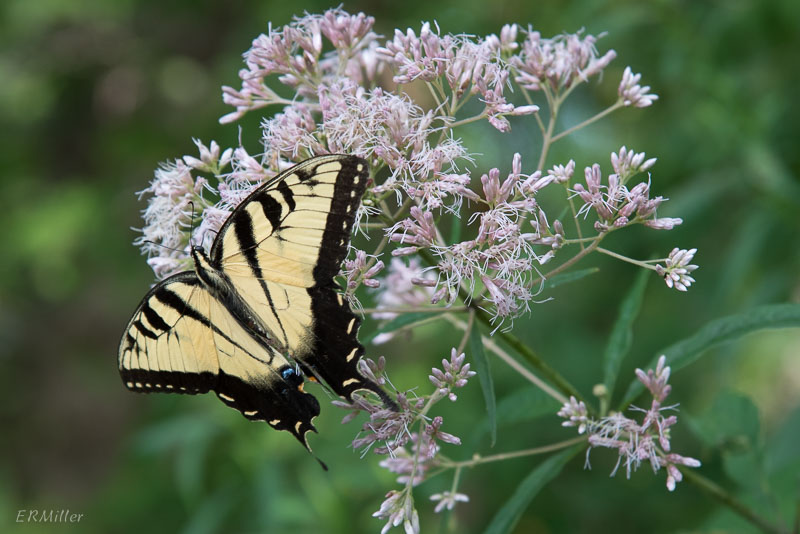
Eutrochium maculatum, one of the species commonly called joe-pye weed

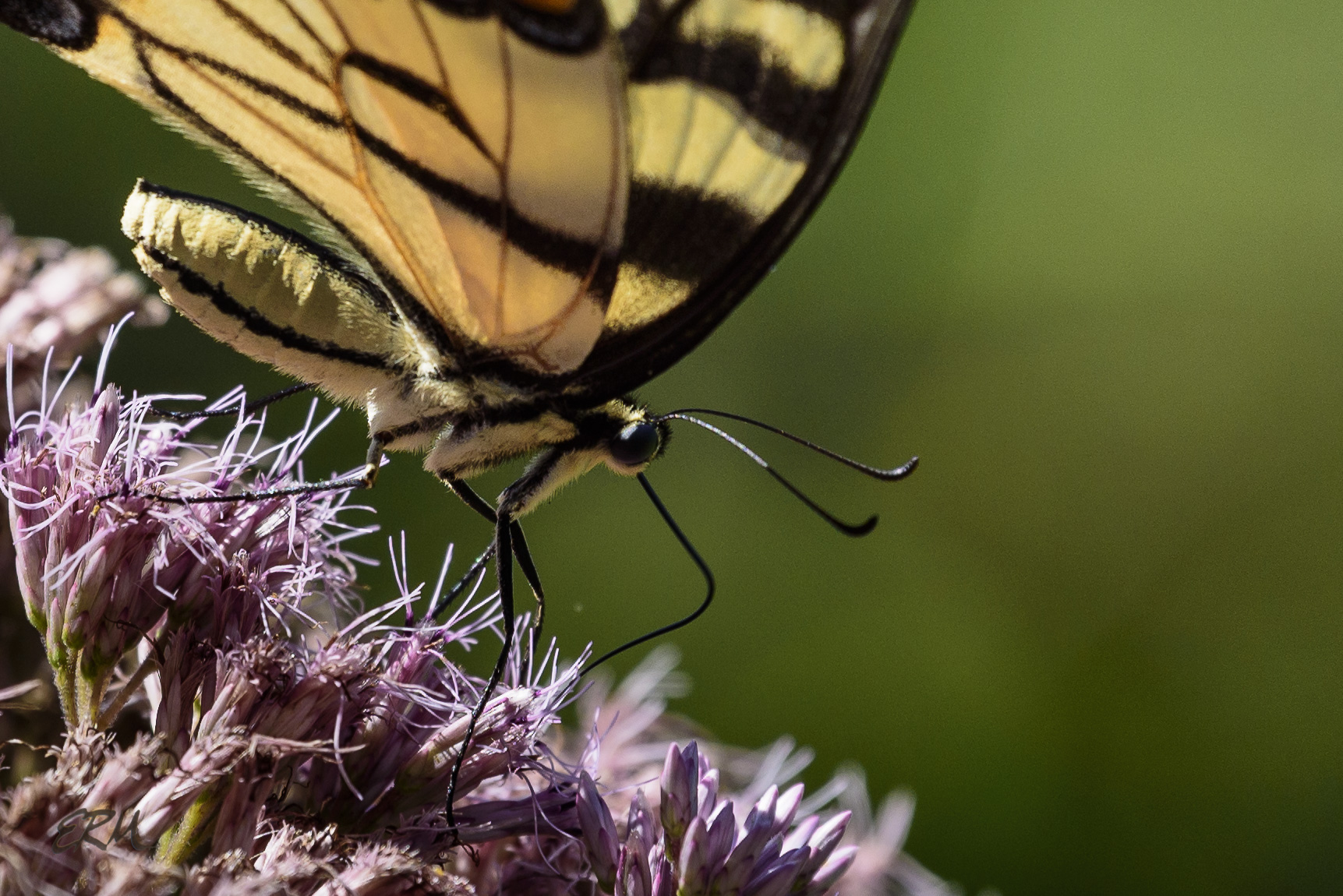
Aster family flowers are interesting in many ways, including their ability to attract bees and butterflies. I’ve taken over 700 photos in the past few days; once I’ve finished processing those and doing a bit of research, I’ll finally have more to post about. Stay tuned!


Purpurea

Continuing with pretty pictures during this cold season. It’s a thin line between blue and purple. Color is a continuum. Color is in the eye of the beholder. If some of these look more blue or pink than purple, well, c’est la vie.
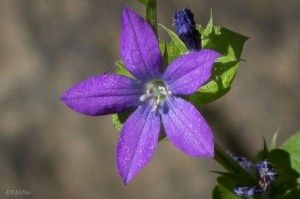
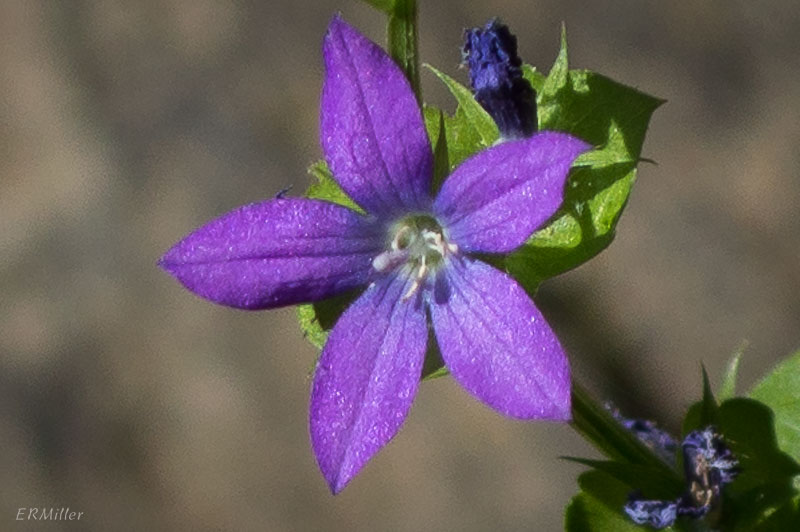
Triodanis perfoliata (Venus’ looking glass; Campanulaceae)

Look for this annual forb growing in rocky places where there isn’t much competition from other plants. It generally blooms from about mid May into early June here in the Maryland piedmont.

Clinopodium vulgare (wild basil; Lamiaceae)

A perennial forb with circumboreal distribution. Look for the flowers in the height of summer.
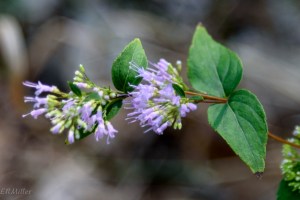


Cunila origanoides (common dittany; Lamiaceae)

A perennial native to North America, and found mostly in the mid West and mid Atlantic. It blooms in late summer.


Elephantopus caroliniana (Carolina elephant’s foot; Asteraceae)

A rather weedy-looking plant with a fascinating inflorescence. Click on the picture and look closely; you’ll see that this is actually four disk flowers, each with a five-lobed corolla. The species is native to the southeastern US (Maryland is almost as far north as it goes). It blooms in late summer.


Eutrochium purpureum (sweet joe-pye weed; Asteraceae).

The joe-pye weeds (formerly Eupatorium species) are perennials that love wet places, but this particular species tolerates drier soils and is a great native for the home garden, with dramatic heads of colorful flowers towering above most other forbs. And it attracts butterflies. Blooms in late summer.
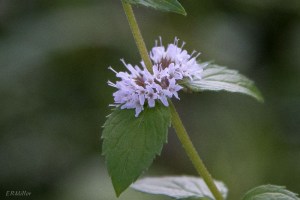
Mentha arvensis (field mint; Lamiaceae)

Another mint-family plant with circumboreal distribution. Another late-summer bloomer.


Mimulus alatus (winged monkeyflower; Phrymaceae)

Watch for this wetland plant and its almost identical cousin M. ringens var. ringens (Allegheny monkeyflower) blooming in early to mid summer.


Monarda fistulosa (wild bergamot; Lamiaceae)

The mint family sure is represented well here. Look for it in mid summer, possibly covered in bees and butterflies.


Phlox divaricata (woodland phlox, wild blue phlox; Polemoniaceae)

As you can see this flower ranges from almost white through lighter and stronger shades of blue and purple. They bloom at about the same time as Virginia bluebells. Bluebells grow in the floodplain while this phlox grows just upland of the floodplain, in still moist (but not wet) woodland soils.

Physostegia virginiana (obedient plant; Lamiaceae)

Yet another mint family mid summer bloomer. Watch for it on rocky outcrops and gravel bars in the Potomac.


Ruellia caroliniensis (hairy wild petunia; Acanthaceae)

In Maryland this species is found mostly in the Coastal Plain; in the piedmont it’s restricted to a few sites near the Potomac River (as far as I know – please leave a comment if you know otherwise). Watch for it in late spring and early summer.

Trichostema dichotomum (forked bluecurls; Lamiaceae)

Blue or purple, or splitting the difference? Whatever. This is a most striking plant, one of those OMG finds. Well it was for me, anyway. What a lurid color. Late summer, dry soils, open areas. Yow.
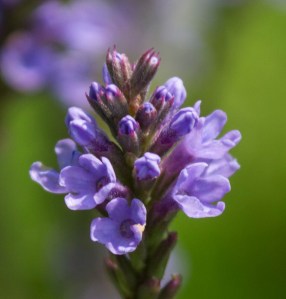
Verbena hastata (blue vervain, swamp verbena, Verbenaceae)

As one of the common names suggests, you’ll find this in wetlands, blooming anywhere from late June to mid August. This is an extreme closeup; the plants are rather tall but the inflorescences rather small.


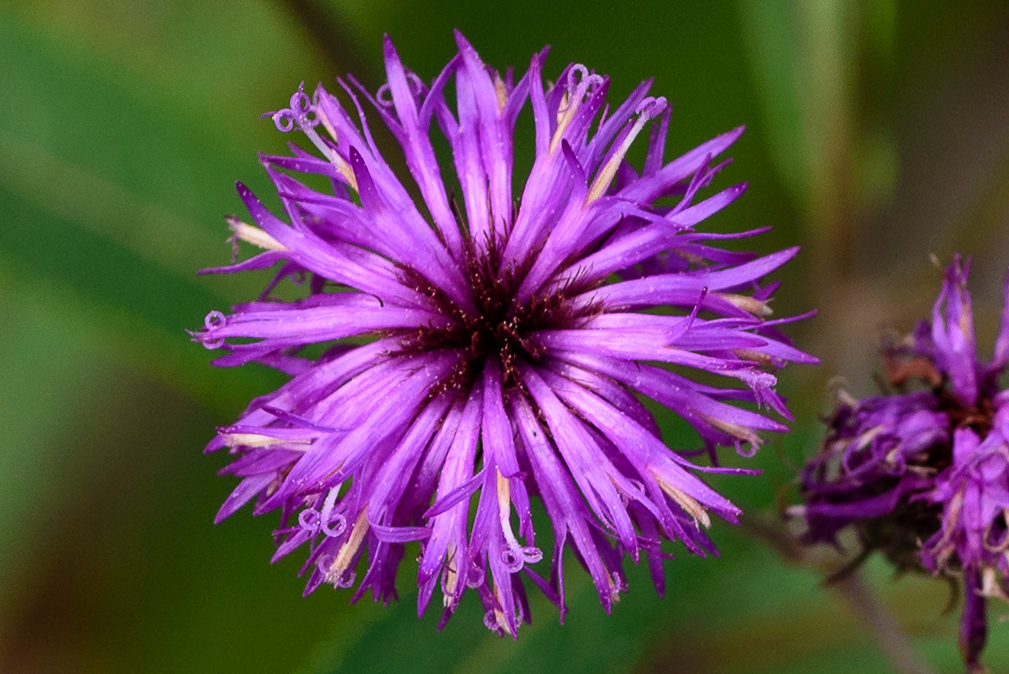
Vernonia noveboracensis (New York ironweed; Asteraceae)

All ray flowers with strongly exserted stigmas, no disk flowers. Very tall plant, wispy appearance. Likes wet soils. Blooms in mid to late summer.


Viola palmata (early blue violet, three-loved violet; Violaceae)

Violet taxonomy is in flux, and violet species can be difficult to differentiate. This one is relatively easy because of the unusual leaf shape, although even that can be highly variable. Look for it in mid spring in drier woodlands.

Newfoundland: A Few More Wildflowers

And, back to Newfoundland, with a few more wildflowers I found in various locations,

Pearly everlasting (Anaphalis margaritacea; Asteraceae) is found in Canada, New England, the northern Mid-Atlantic, the upper Mid-West, and the mountainous West; in Maryland it’s only in a few scattered locations.


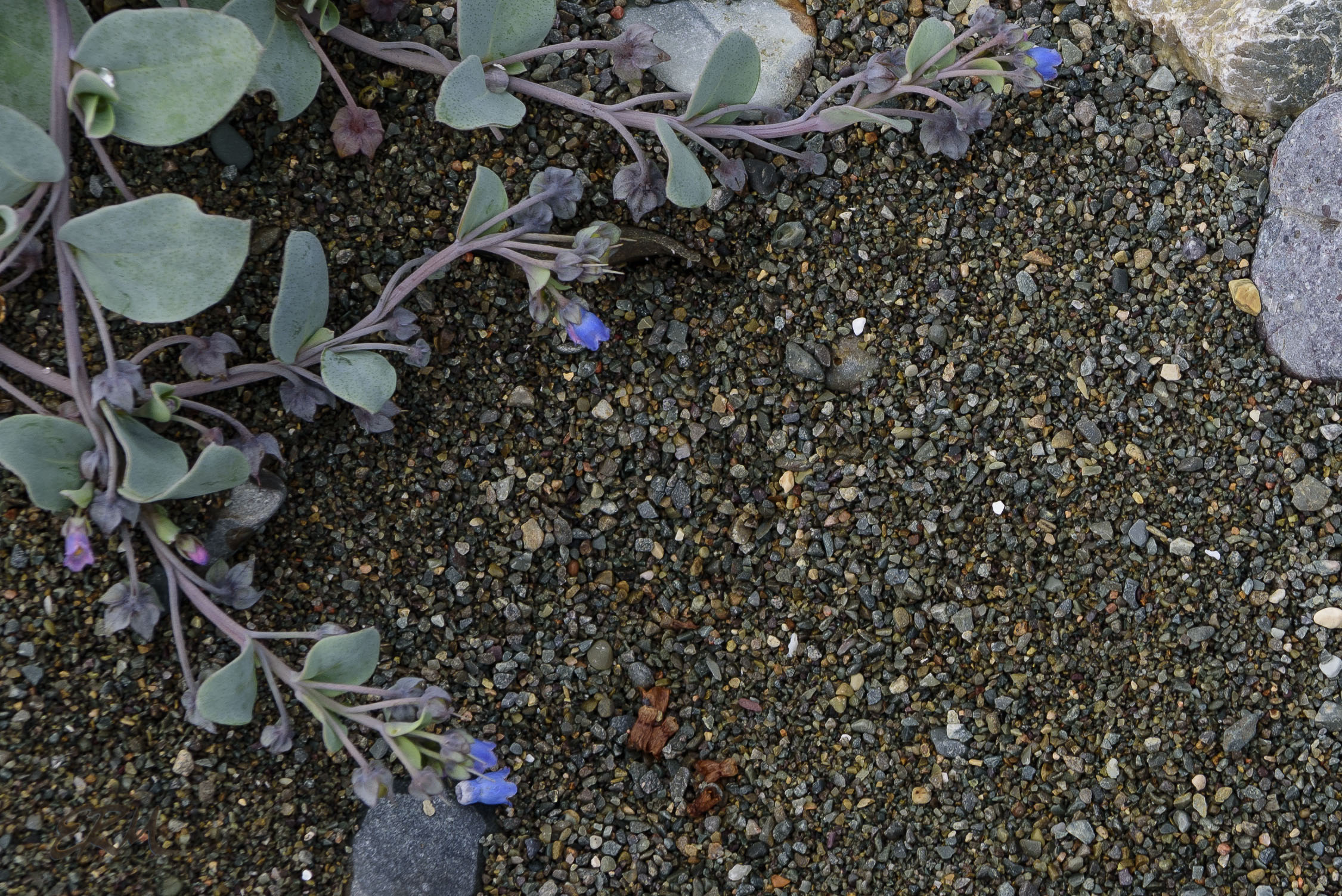
Oyster plant (Mertensia maritima; Boraginaceae) is found on beaches in northern North America and parts of Europe. I found it in Iceland last summer and specifically went looking for it when driving past Birchy Cove. It’s closely related to our showy native Virginia bluebells (Mertensia virginica).

Roundleaf sundew (Drosera rotundifolia; Droseraceae) is a carnivorous plant with circumboreal distribution; in the US it’s found in New England, the Appalachians, the upper Mid-West, scattered locations in the West, Canada and Greenland. In Maryland it’s found in Garret County and parts of the Coastal Plain. Look for it in sunny wetlands (bogs, fens, and so on).

Gall-of-the-earth (Prenanthes trifoliata, formerly Nabalus trifoliatus or N. trifoliolatus; Asteraceae) is found in a variety of dry habitats in eastern Canada, New England, and south through the Appalachians. It’s endangered in Ohio, and though not on the RTE list in Maryland, is only known in Talbot County. Apparently it (and/or other Prenanthes species) was used in folk medicine, and has an exceedingly bitter taste, hence the common name.

Scots lovage (Ligusticum scoticum; Apiaceae) grows in rocky areas along the coasts of northern North America and Europe. It’s endangered in Connecticut and New York and special concern in Rhode Island. Supposdely it’s edible, tasting like lovage, which is to say like really strong celery.

Striped or creeping toadflax (Linaria repens; Plantaginaceae) is an alien found in only a few spots in North America. It’s native to Europe, and closely related to the more commonly occurring alien weed known as butter-and-eggs (L. vulgaris).


I spotted this Myosotis species (Boraginaceae) and photographed it from a great distance; there was no way to get close enough for a better picture or identification. The forget-me-nots are notoriously difficult to identify, as are their close relatives the phacelias, about which I’ve complained many times in this blog. But that borage blue is a beacon.

Yellow pond lily (Nuphar variegata, sometimes N. lutea ssp. variegata; Nymphaeaceae) is widespread in ponds across the northern US and Canada; it’s endangered in Ohio. The USDA PLANTS Database shows it present in Maryland but the Maryland Biodiversity Project has no records for it. The closely related spatterdock (N. advena) is found all over Maryland, though, including water pockets in cliffs in the Potomac Gorge.

In the same family is fragrant water lily, Nymphaea odorata. As you can see from the picture, I found both species growing together in one of the inunmerable ponds in the center of the Bonavista peninsula. Frgrant water lily can be found in almost every state and province of the US and Canada.

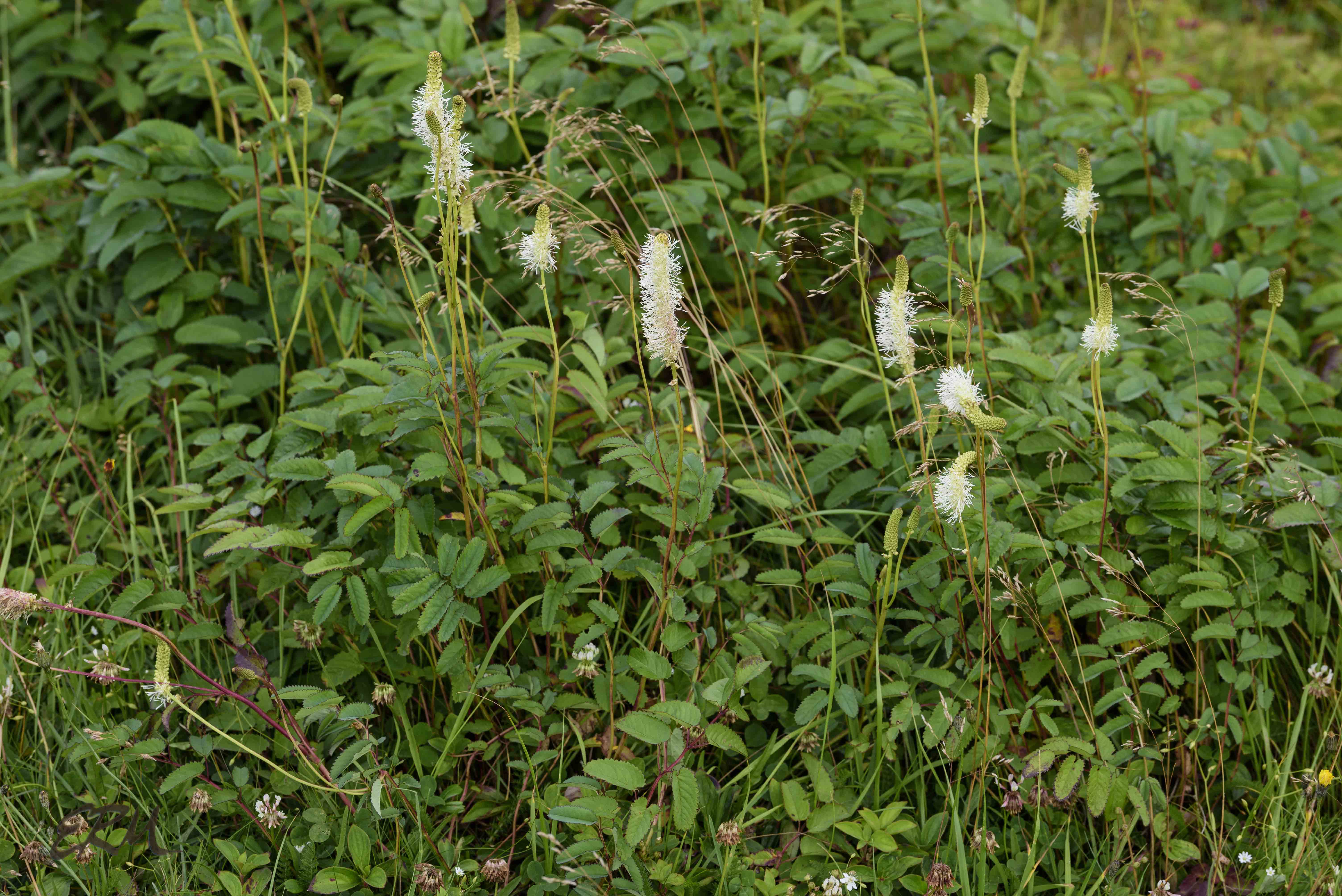
American burnet (Sanguisorba canadensis; Rosaceae) is native to the eastern US and Canada as well as the Pacific Northwest; sadly, it’s threatened or endangered in nine states, including Maryland. It’s an eye-catching plant with its tall, fluffy spikes of flowers. Look for it growing in bogs and other wet areas (including roadsides).


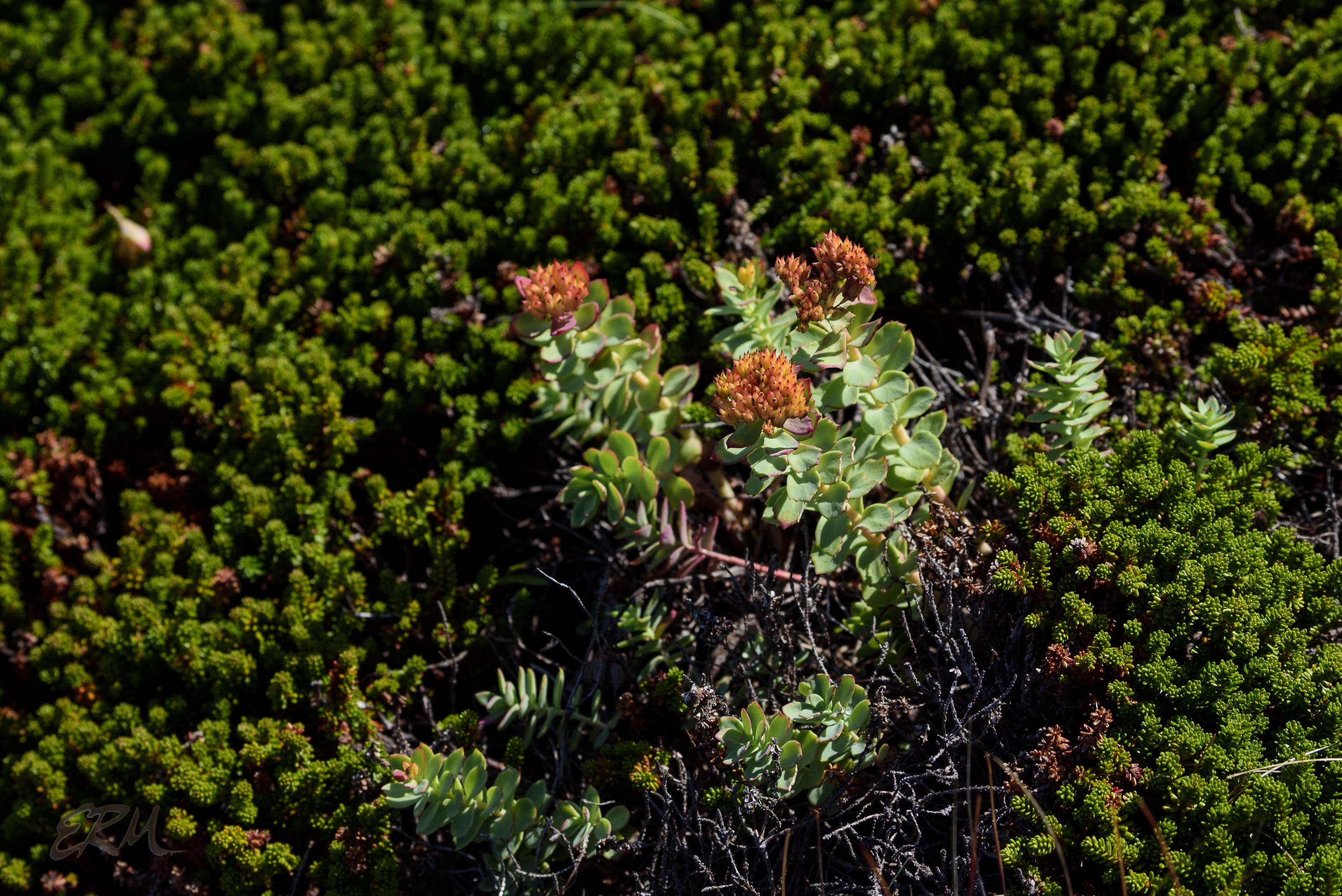
Roseroot (Rhodioloa rosea, formerly Sedum rosea; Crassulaceae) is a subarctic plant found in a few parts of northern North America as well as in Iceland and Europe. I saw this one specimen flowering near Spillar’s Cove and am really kicking myself for not taking the time to get better pictures.

Rayless Beauty

Another of the fantastically showy summer-blooming wildflowers is New York ironweed (Vernonia noveboracensis), a perennial that can grow to six feet tall given the right conditions: moist to wet soils and full sun.

[right: in my garden; below: on a bedrock terrace in the Potomac]
I find them growing along the banks of the Potomac River in the area downstream of Carderock. The species ranges from southern New England south into the mid-Atlantic and upper South, with a few populations a little into the mid-West, and a single county in northern New Mexico. There are records for it in every Maryland county.

I’m drawn to this plant by the structure of the flowers. Despite being in the Asteraceae, the inflorescence has only disk flowers. If you look closely at a new head you’ll see them tightly bunched up, still unopened, surrounded by phyllaries (bracts at the base of the head).


In a head with open flowers, you can see the five petals fused into a tube, with a pair of curlique anthers on the stamen popping out. I’m not really sure if that’s a pair of anthers or a single split anther, actually. [edit: oops! that’s a stigma]


New York ironweed is great for attracting pollinators. I’ve seen several different species of butterflies and skippers on the one in my garden, as well as a variety of bees. Look closely at the top photo: there are at least eight skippers there.