More Flowers From Ferry Hill

Here are a few more photos of flowers seen in early April along the Potomac River near Sharpsburg, Maryland.


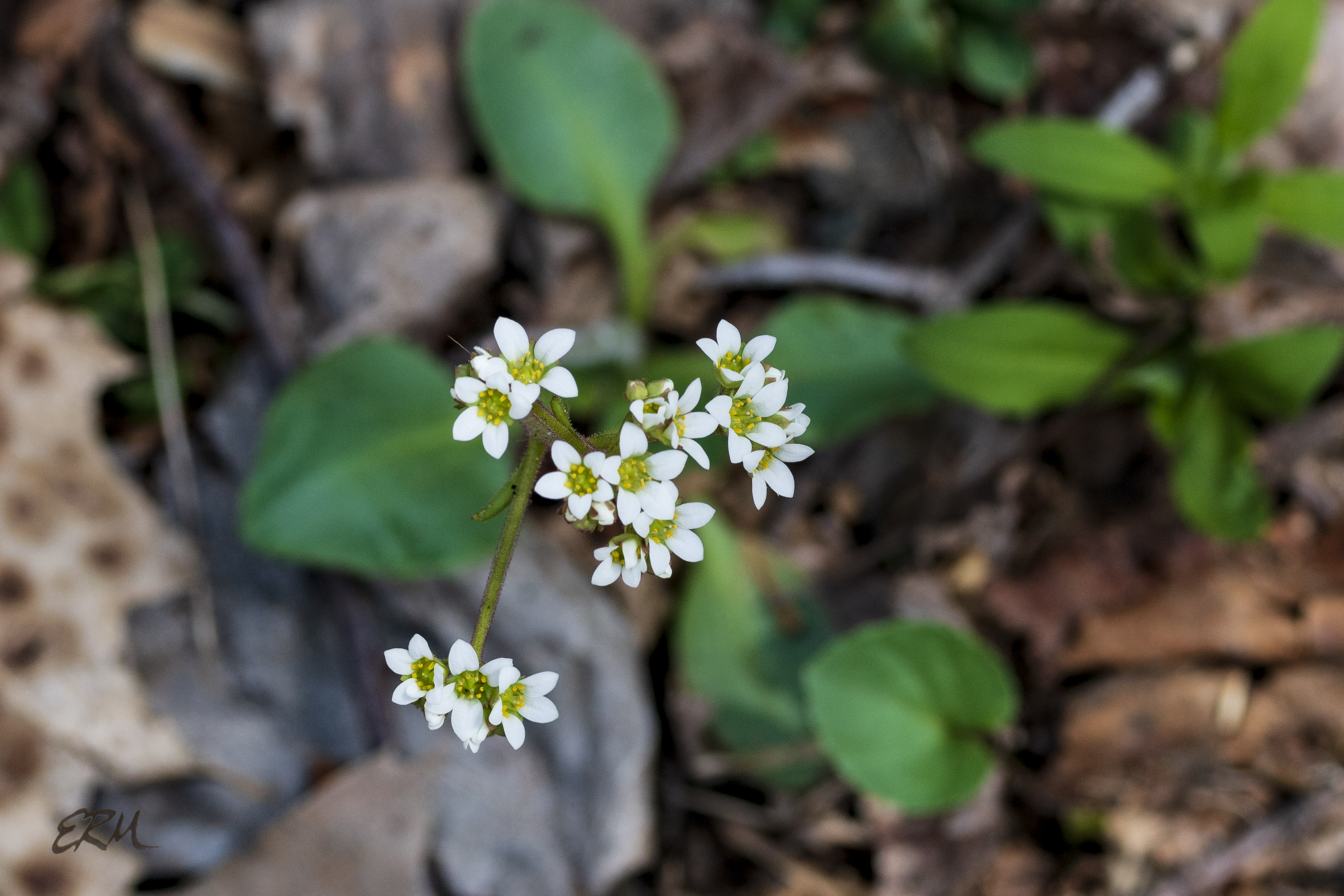
two-leaved miterwort, Mitella diphylla (Saxifragaceae) [right and below]


downy yellow violet, Viola pubescens var. scabriuscula  (Violaceae)


blue cohosh, Caulophyllum thalictroides  (Berberidaceae)


rue anemone, Thalictrum thalictroides (Ranunculaceae) [with a side of early saxifrage, Micranthes virginiensis]


star chickweed, Stellaria pubera (Caryophyllaceae)


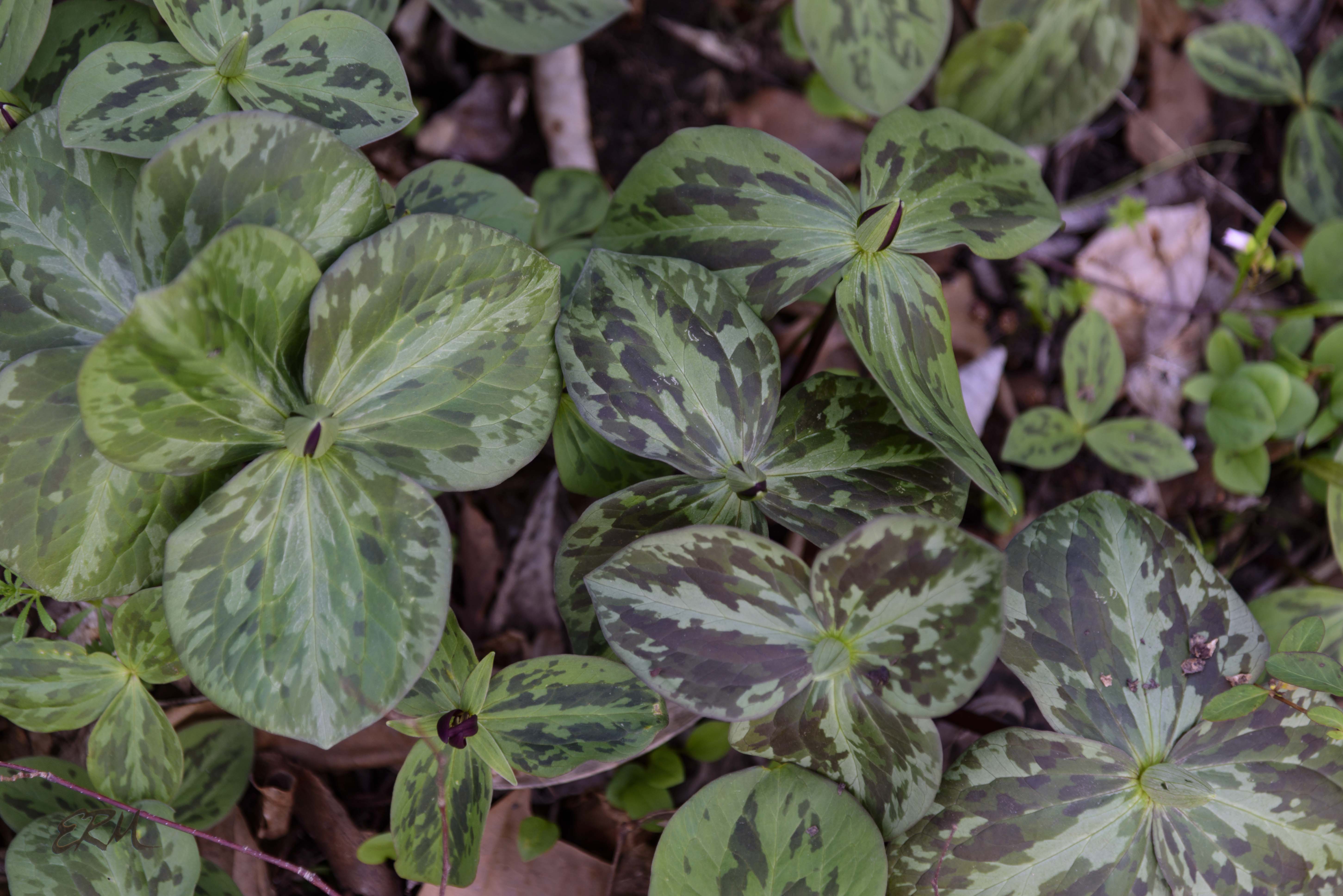
toadshade, Trillium sessile (Melanthiaceae)


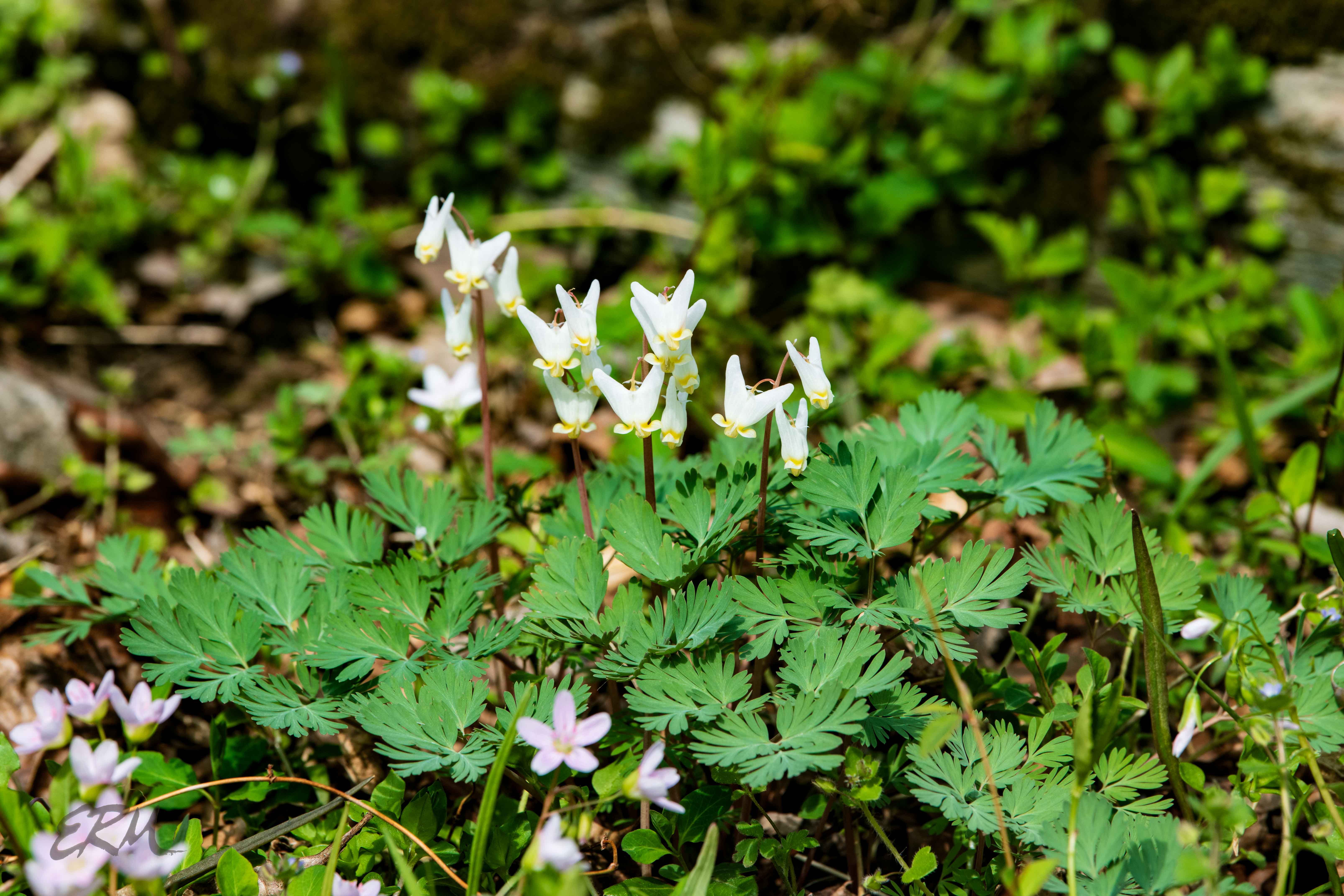
squirrel corn, Dicentra canadensis (Papaveraceae)


wild blue phlox, Phlox divaricata (Polemoniaceae)


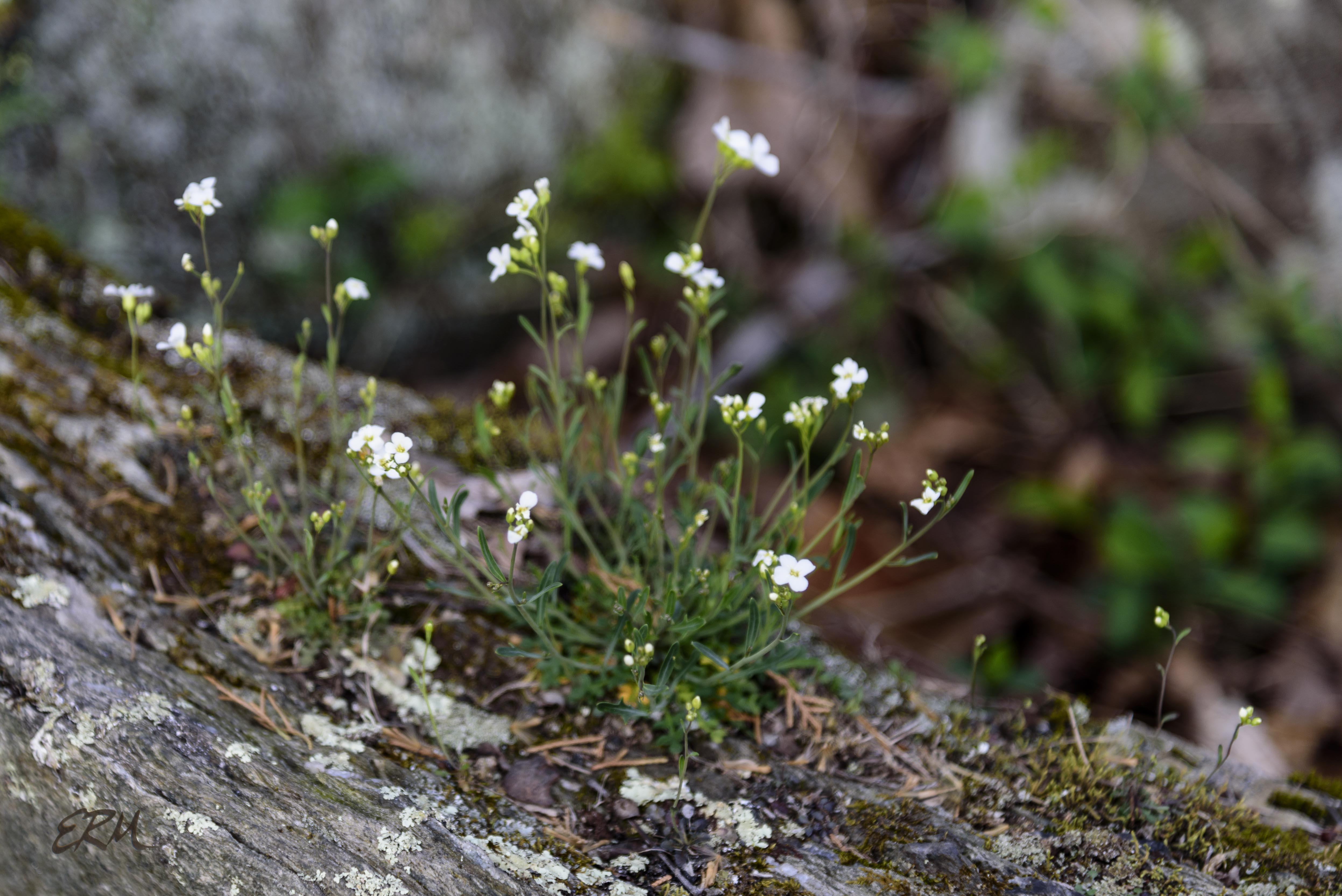
spreading rockcress, Arabis patens (Brassicaceae); G3 (globally rare/local), S3 in Maryland
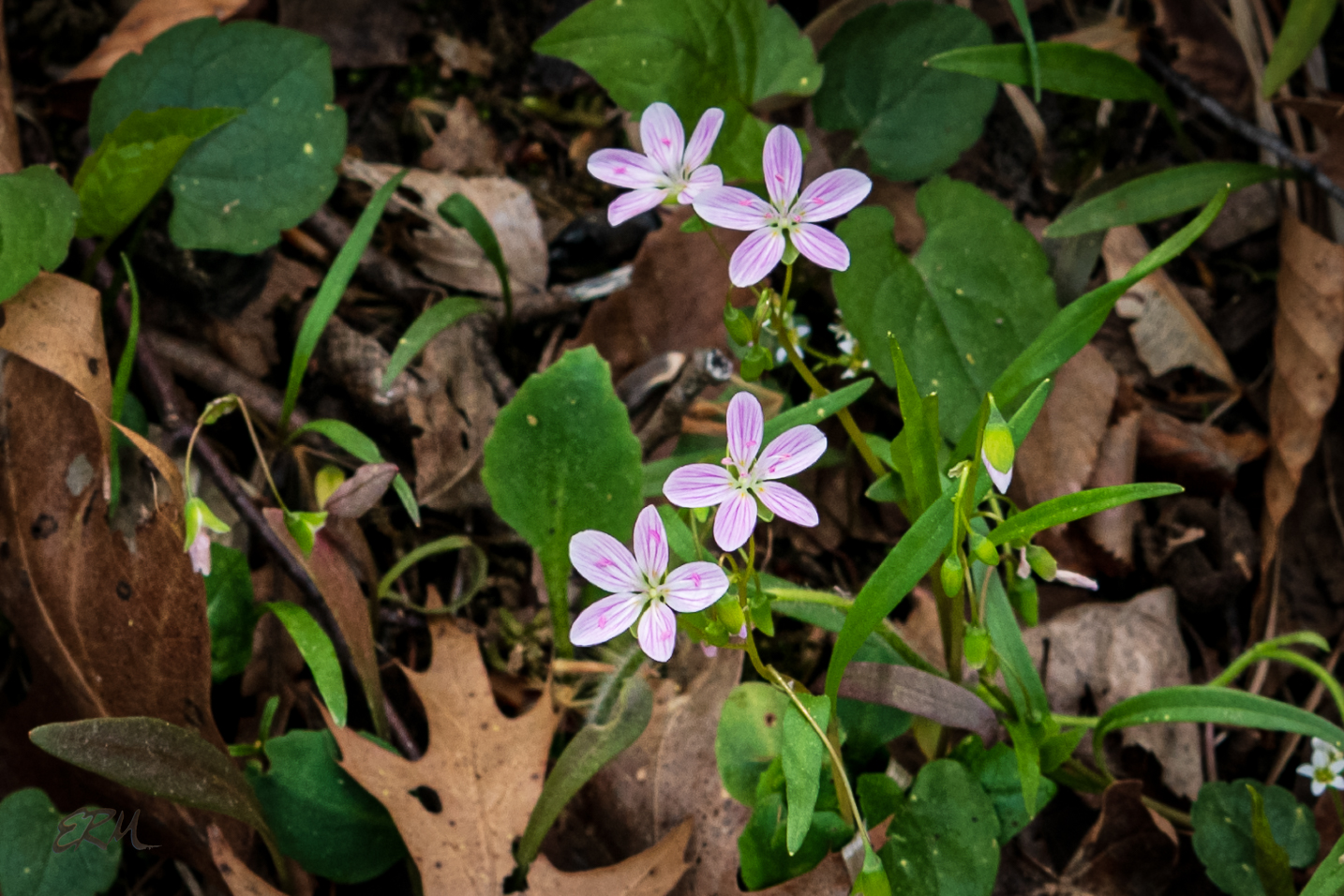


spring beauty, Claytonia virginica (Montiaceae)

“It Sounds Seussian”

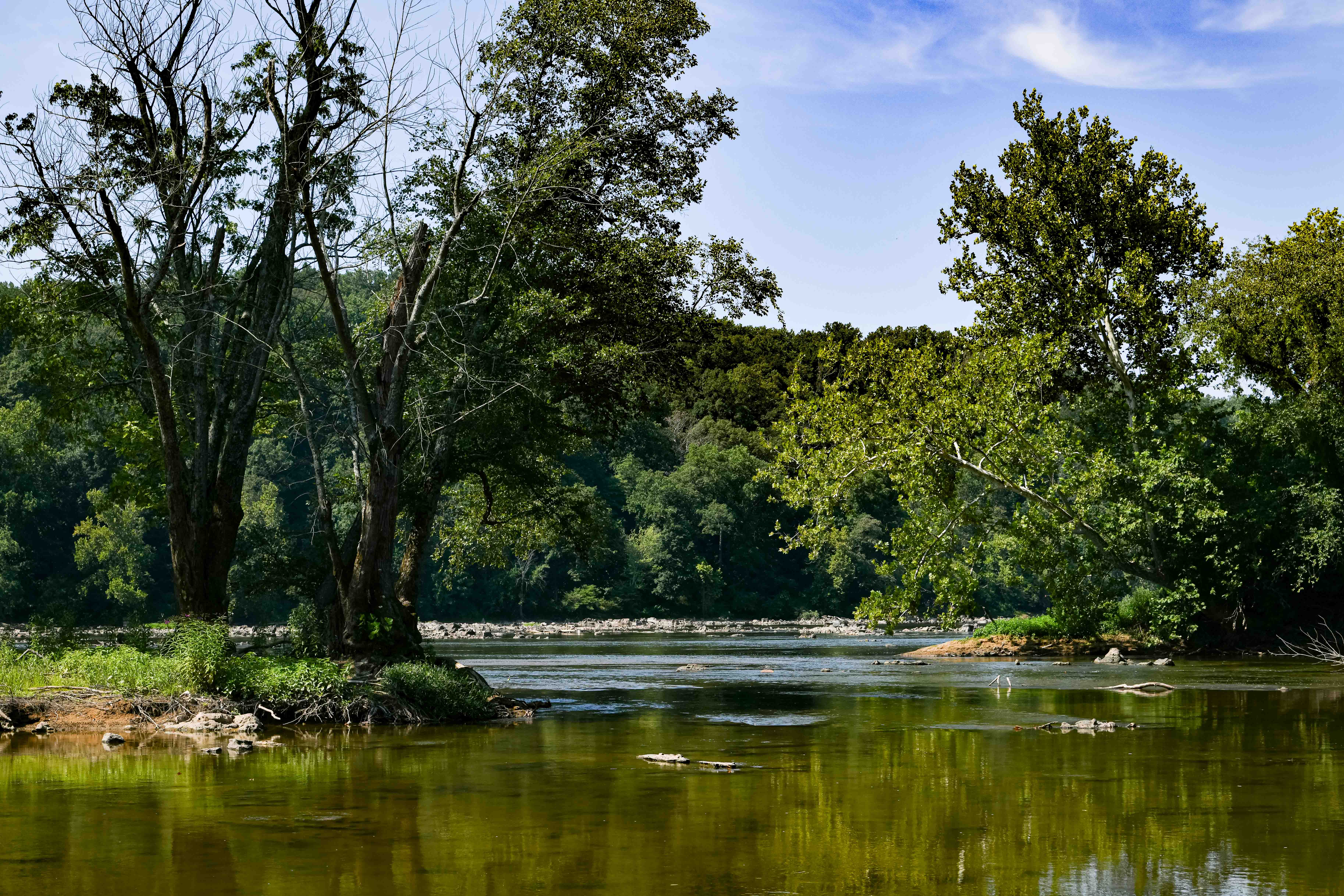
My friend P wrote that when I posted a picture of purple-headed sneezeweed (Helenium flexuosum) on social media. I included a few pictures in my August 7 post here, but want to share a few more. It’s such a photogenic flower!  That’s a pearl crescent (Phyciodes tharos) sitting on the flower head. Here are a few more pictures from my August ramblings on the banks of the Potomac.    

fogfruit, aka frogfruit (Phyla lanceolata; Verbenaceae)

        blue vervain (Verbena hastata; Verbenaceae)               riverbank goldenrod (Solidago racemosa; Asteraceae)      

tall meadow rue (staminate flowers; Thalictrum pubescens; Ranunculaceae)


Just Couldn’t Help Myself

Monday dawned sunny and cool, beautiful weather for wildflower hunting. Despite my resolution to stay put during this health crisis, I decided it might be worth trying Rachel Carson Conservation Park. It was a good call – for most of the time I was there, I had the place to myself.

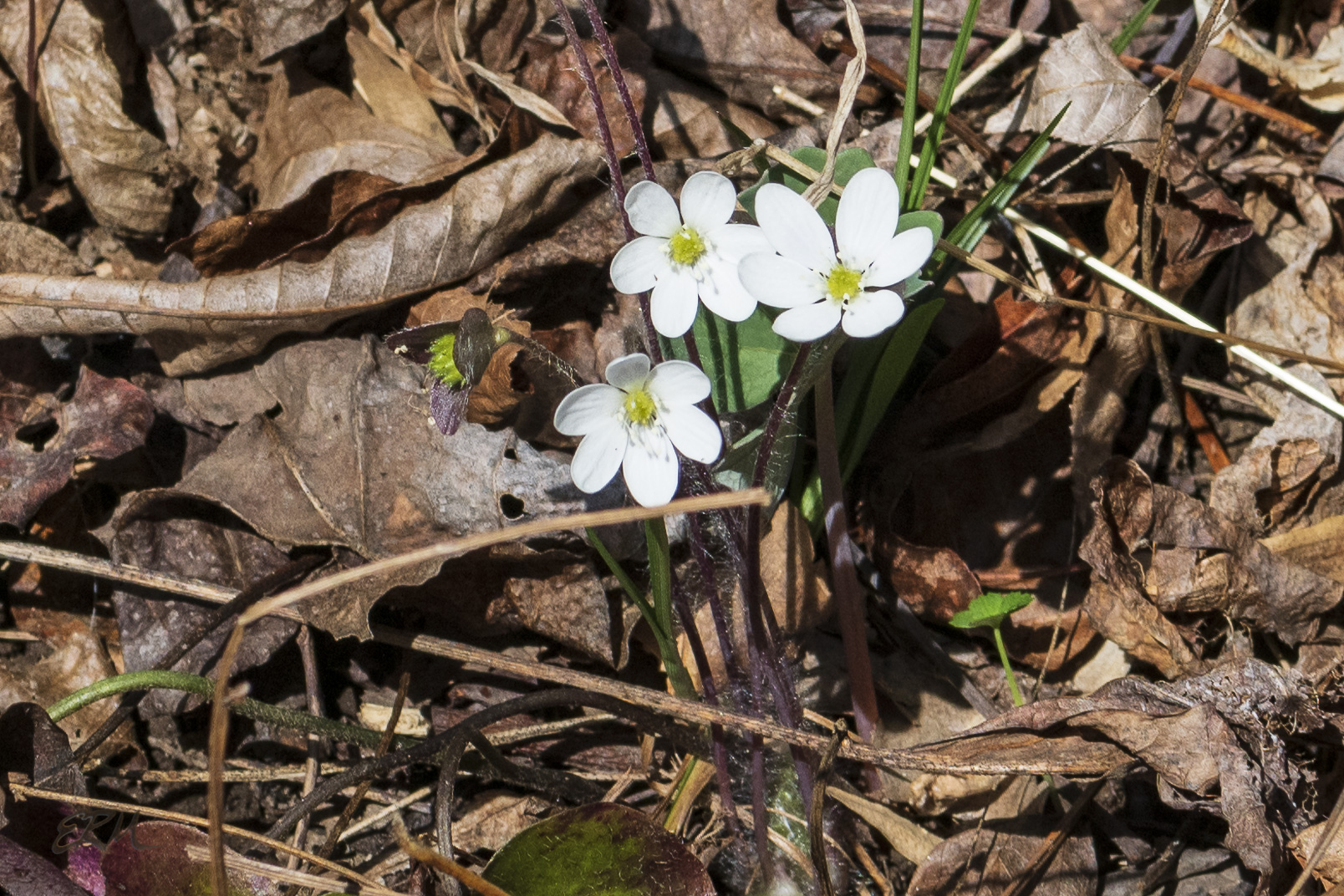
That’s the good news. The not-so-good news is that it’s too early in the season for some of the flowers I wanted to see. But there were other things blooming, like round-lobed hepatica (Anemone americana; Ranunculaceae).The flower colors can vary from white through pale blue to a deep, almost purple blue, and sometimes even pink.

The white-flowering hepatica [right] looks a lot like another member of the same family, Thalictrum thalictroides, or rue anemone [below]. The leaves are entirely different, though. Rue anemone flowers are almost always pure white, but sometimes they can be a little pink, with reddish leaves.

What’s Up? White Flowers

White flowers recently seen in the greater Carderock area.

Virginia bluebells (Mertensia virginica; Boraginaceae) are of course normally blue, but every once in awhile you’ll see a stand of white ones. Look for them in floodplains and adjacent moist slopes.


Look for twinleaf (Jeffersonia diphylla; Berberidaceae) on rocky slopes along Billy Goat B; it will likely be done blooming by tomorrow.


Moss phlox (Phlox subulata; Polemoniaceae) should be blooming for at least another month. As you can see from the photo, it doesn’t need much soil. Look for in on large rock formations along the Potomac River.


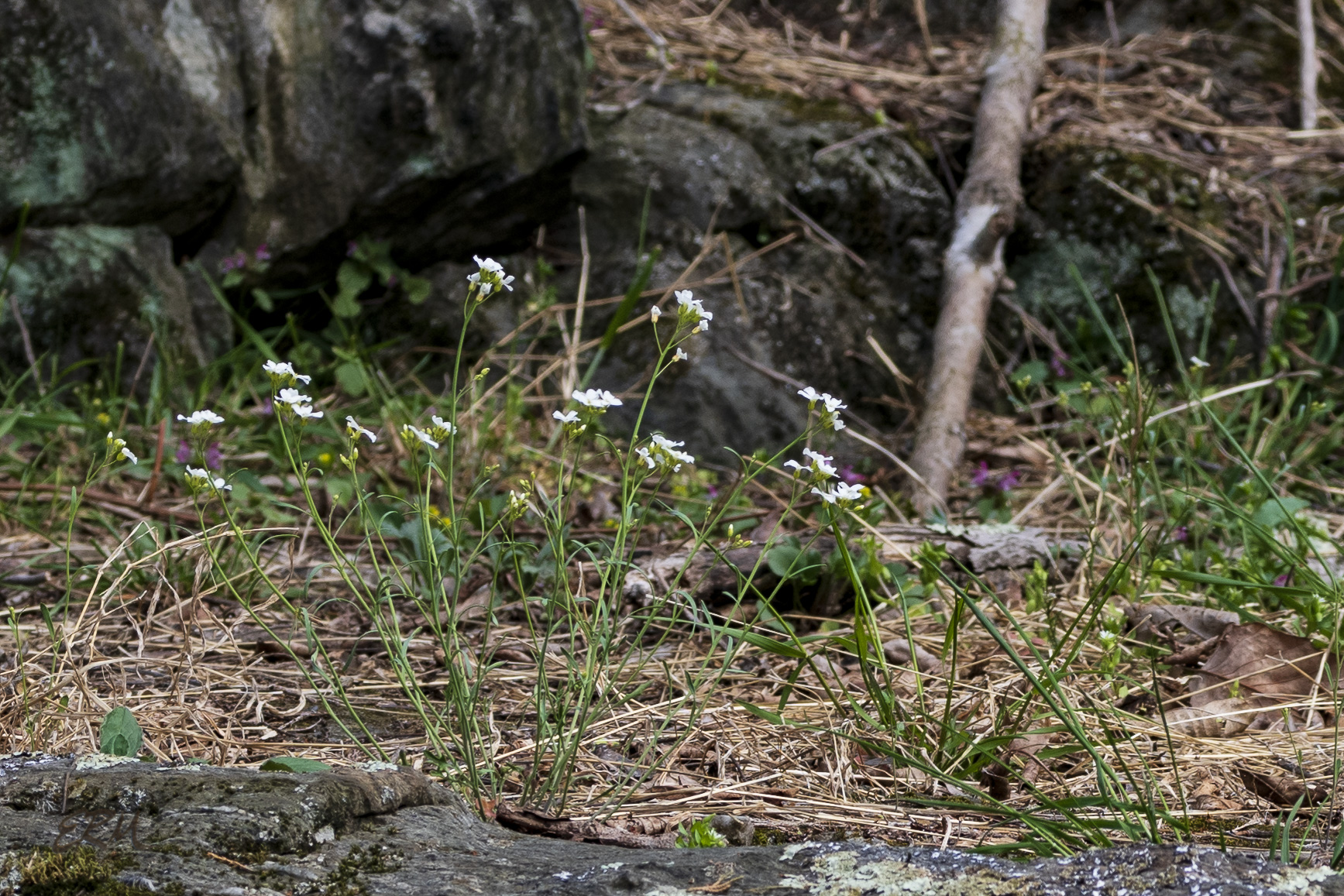
Lyre-leaved rockcress (Arabidopsis lyrata; Brassicaceae) is another rock-loving species. They’re so wispy they can be hard to see, but should be blooming for at least another month.


Bloodroot (Sanguinaria canadensis; Papaveraceae) is almost done blooming. You can find it in rich woodlands, usually in colonies.


Early saxifrage (Micranthes virginiensis; Saxifragaceae) grows in thin soils in rocky woodlands. It’s one of the earliest bloomers but lasts for a fairly long time.


Rue anemone (Thalictrum thalictroides; Ranunculaceae) is just starting to bloom. It’s common in the Maryland piedmont but for some reason there isn’t much of it in the Potomac gorge. Look for it in the very open wooded areas near the Marsden Tract. It should bloom for another month.

Dutchman’s breeches (Dicentra cucullaria) and the closely-related squirrel corn (D. canadensis; Papaveraceae) are both blooming in moist woodlands. In past years I’ve observed that the latter starts blooming a week or so after the former, so if you want to see both, go hunting soon. Neither lasts for long.

Compressed (part 3)

And here are a few more early spring bloomers to watch for in the Potomac Gorge.

Not as common as some of the flowers in yesterday’s post, but still easily found in rocky areas, are early saxifrage (Micranthes virginiensis, formerly Saxifraga virginiensis), which are the white flowers on the right in this photo, and smooth rockcress (Boechera laevigata, formerly Arabis laevigata), which is the plant in bud on the left.

Growing right on top of boulders, the incomparably wispy and delicate lyre-leaved rockcress (Arabidopsis lyrata, formerly Arabis lyrata) are in full bloom already, but they have a long bloom period.
Also growing right on rocks, though in more open, sunny areas, is moss phlox (Phlox subulata). It, too, has a long bloom period.

Its cousin wild blue phlox (Phlox divaricata) is just starting to open in the dappled shade of the woods.

In a few upland areas, rue anemone (Thalictrum thalictroides) are just starting.


Don’t forget to look up! Spicebush (Lindera benzoin) is in full bloom.


Another yellow-flowering woody plant is leatherwood (Dirca palustris), but it’s uncommon. If you find a stand please post a comment!


And in deep shade on the forest floor, there are toadshades (Trillium sessile), delightful even before they flower.