Dewdrops, Part Deux

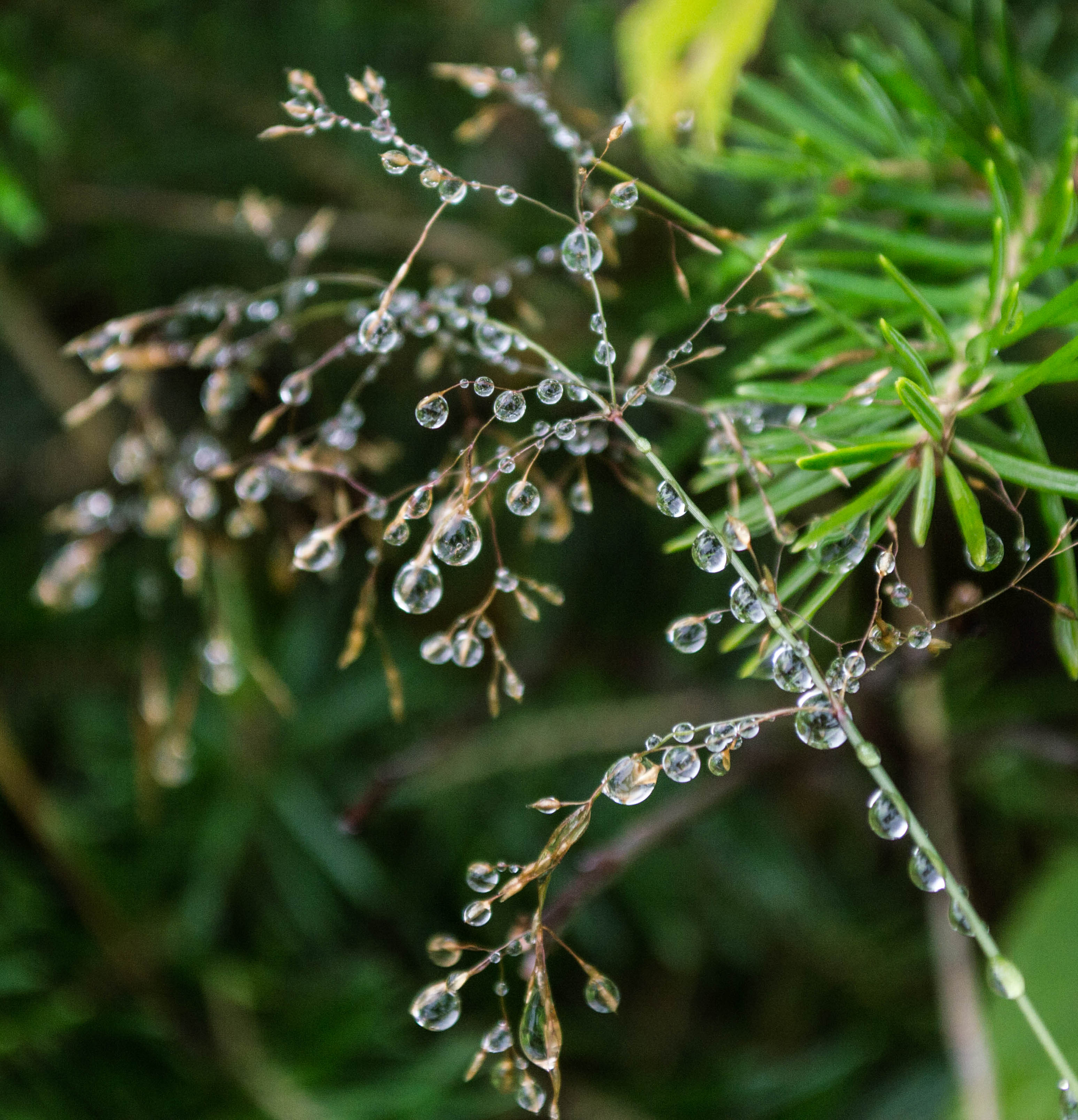
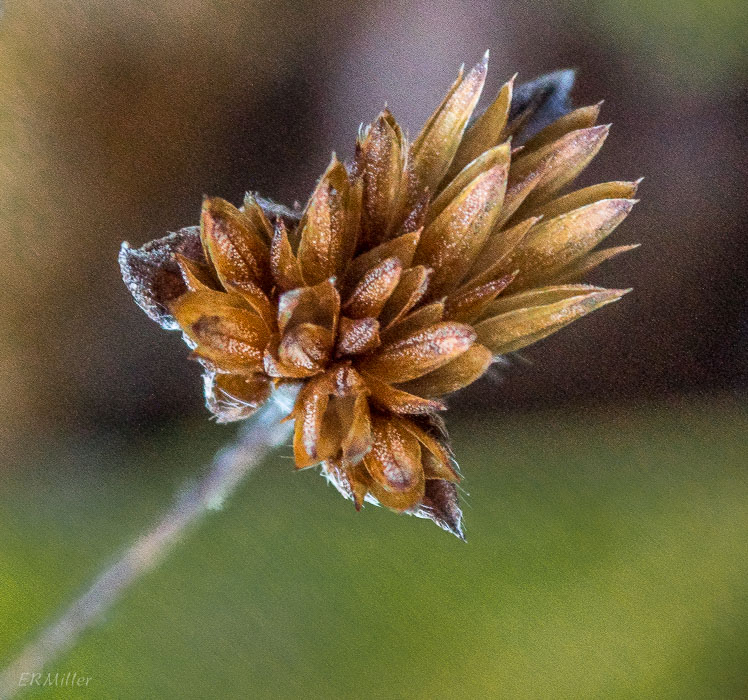
After the Franey Mountain hike, I started watching for dewdrops everywhere, every time I went out.  Here are a few I found on late-flowering thoroughwort near Carderock in the C&O Canal NHP in mid-October.

20141021-_DSC0042

20141021-_DSC0039-2

Each of these seed/filament thingies is about pinky-nail size.

I did pull out the macro lens and tripod for this shoot, but everything was drying quickly.


Dewdrops

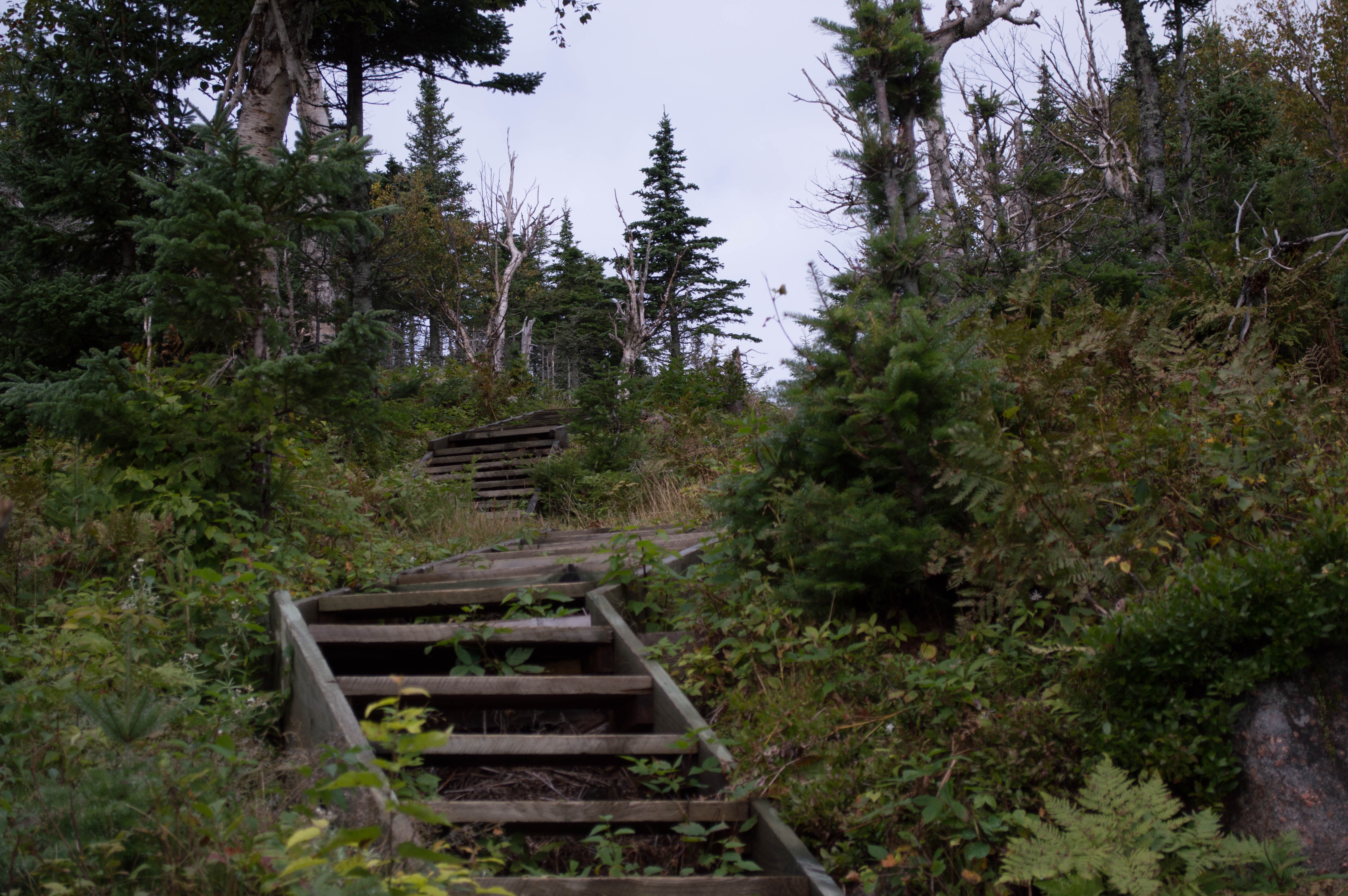
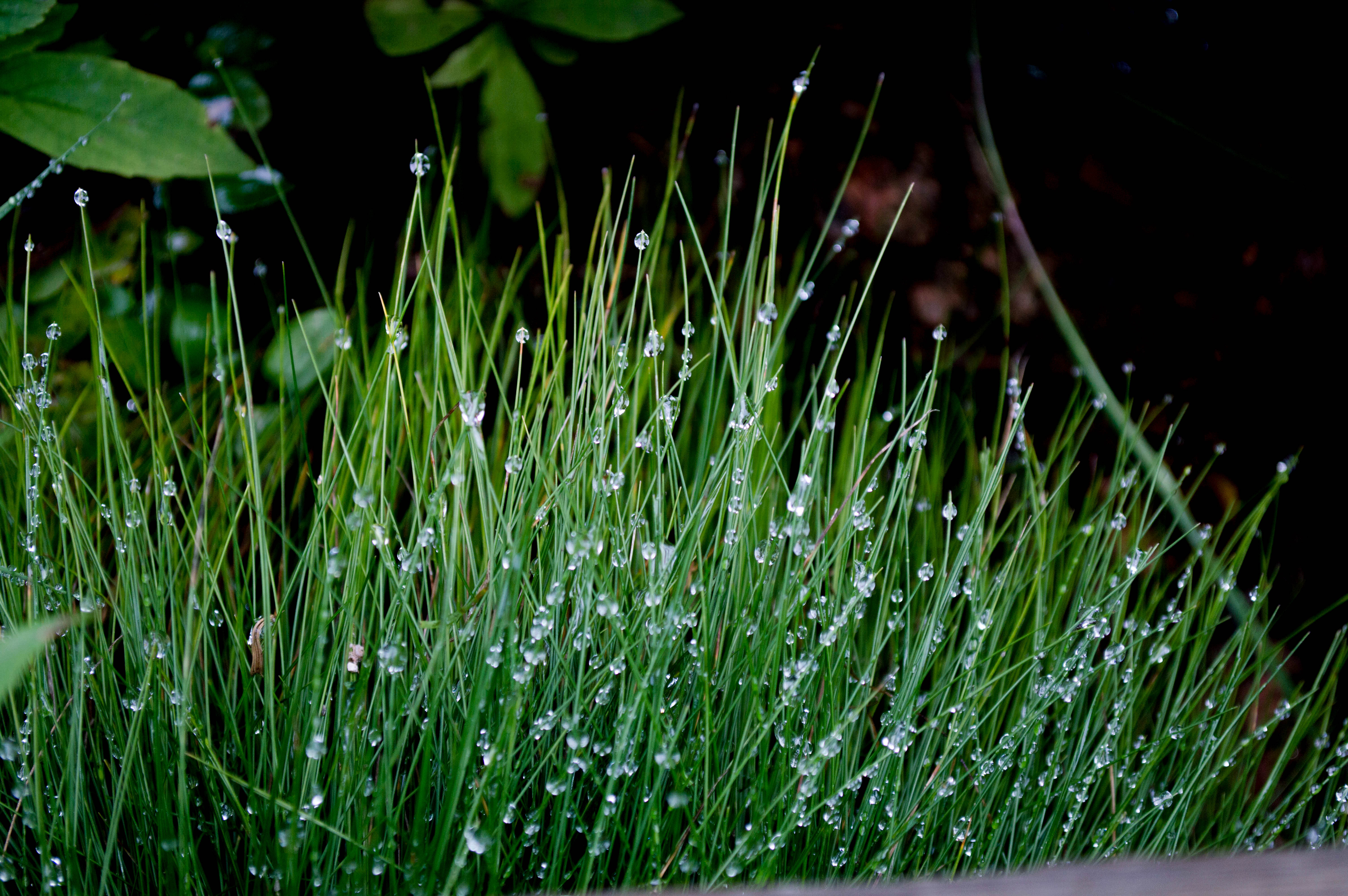
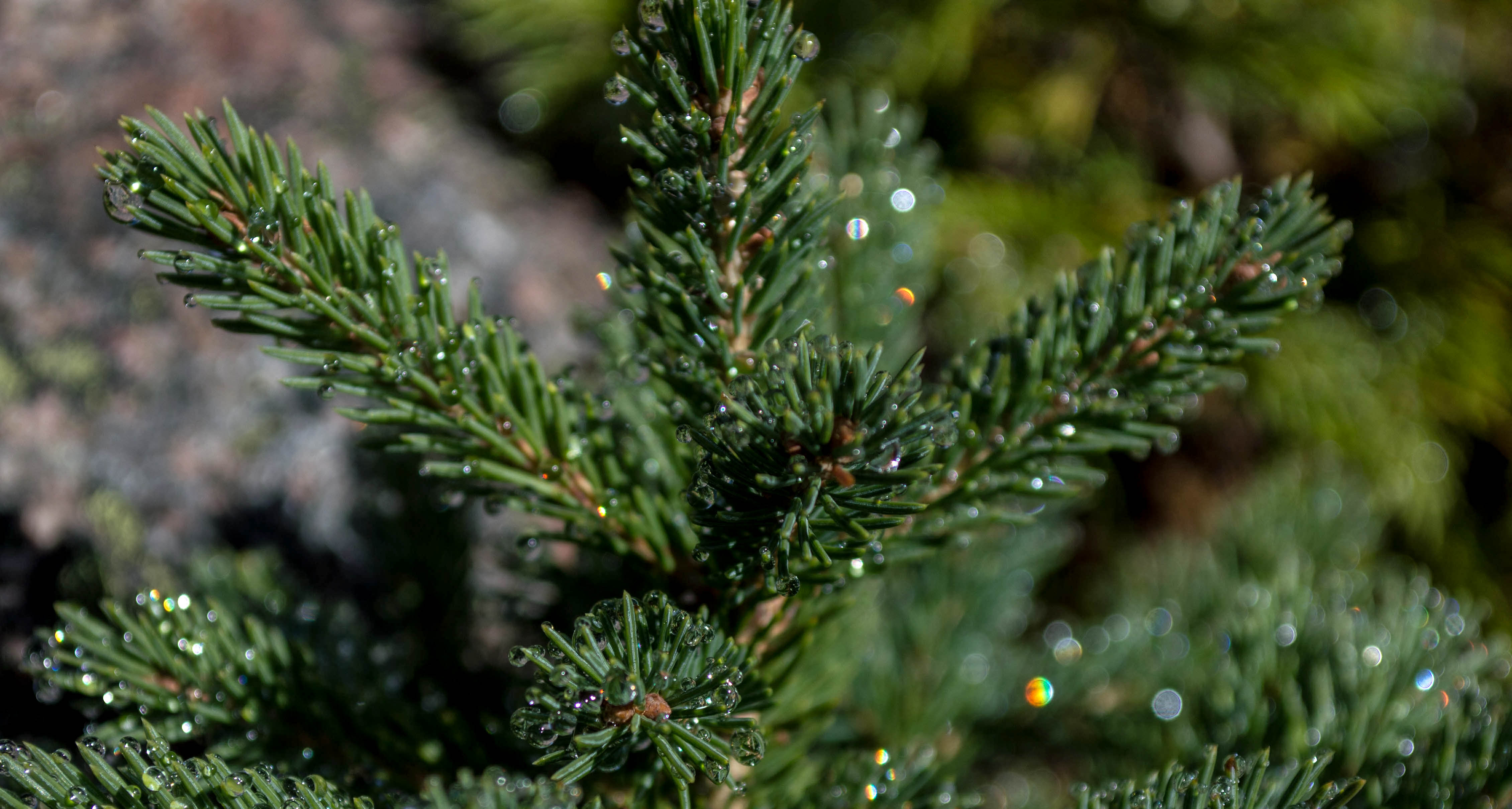
In mid September Steve and I were on a particularly steep hike on Cape Breton Island: Franey Mountain, with an ascent of 1100 feet in just under 2 miles.20140915-DSC_0027 Pausing to catch my breath, I noticed that the plants were covered in dew.  So of course I pulled out the camera and started taking close up pictures.

20140915-DSC_0034


If Steve the Impatient hadn’t been there, the macro lens and tripod would have been out, too, and I probably would have stayed until the dew dried.  As it was I got a few decent hand-held shots.   (And to be fair, it’s pretty boring standing around while someone else plays with the toys.)

20140915-DSC_0039

20140915-DSC_0078


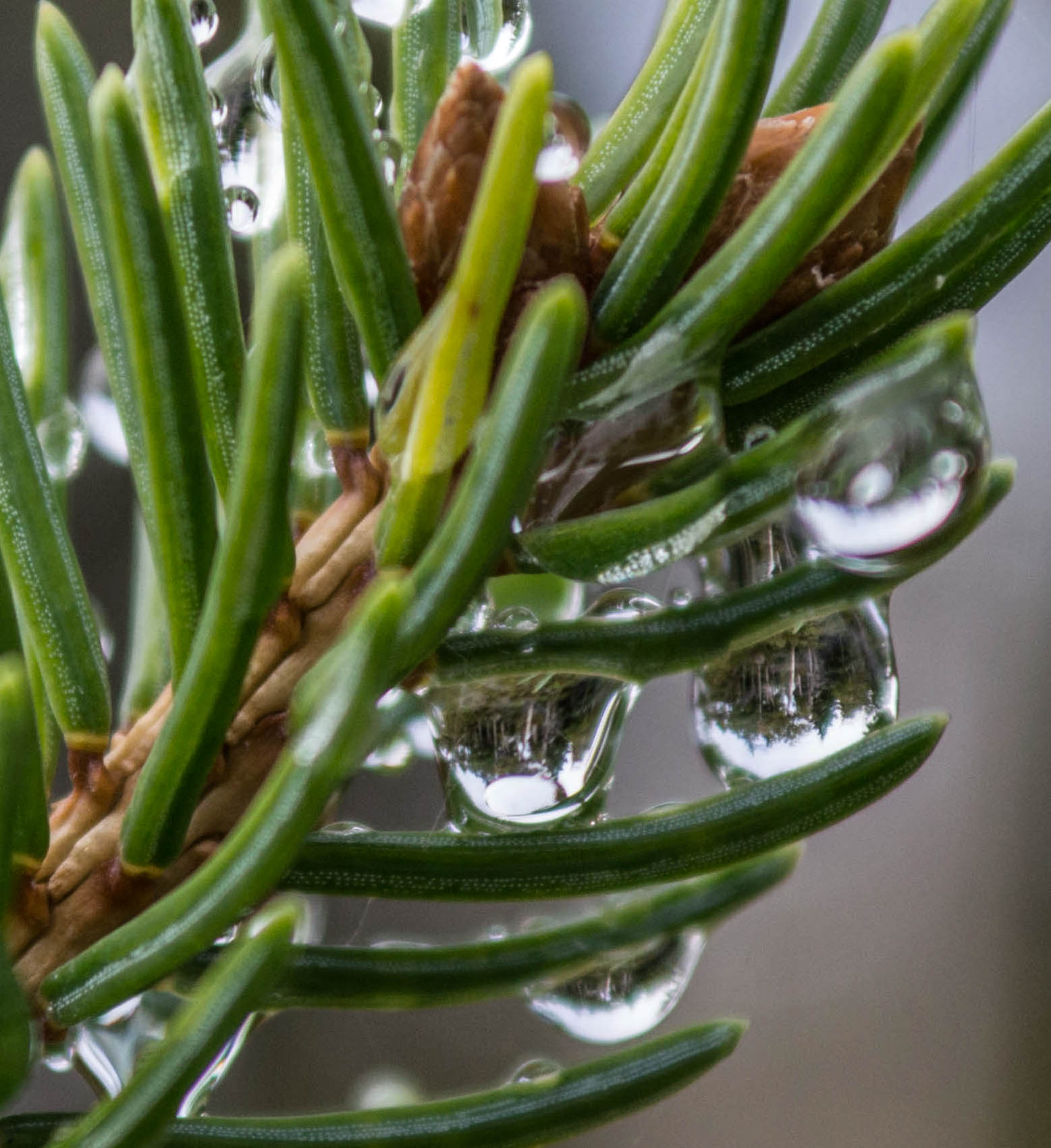
Notice how the tree tops are reflected in the drops on the fir needles in this next shot:

20140915-DSC_0040-2

And of course there’s my current banner photo at the top of this page.

I don’t know why I am so enthralled by small, ephemeral things, but I am.


Flower of the Day: Carolina Elephant’s Foot

Elephantopus carolinianus; Asteraceae (aster family)

20140821-DSC_0201

If you’ve been following my blog you’re probably wondering why this plant is placed in the aster family.  Doesn’t look anything like an aster, does it?  Look closely at the inflorescence; what you’re seeing is four individual disk flowers, each with a 5-lobed corolla.  No ray flowers.  Pretty neat!

I first encountered Carolina elephant’s foot when we moved to our current house.  It was growing as a lawn weed (the foliage is pretty distinctive); I let a small patch of it bloom in order to identify it.

It’s all over the place along the C&O canal, blooming from July to September, but it’s endangered in Pennsylvania and New Jersey (the northernmost part of its range). It can be found south through Florida and as far west as Texas.

20141021-_DSC0007

Here’s what it looks like in mid-October, gone to seed.

Orchid Update

Earlier this year I was over the moon to find two native orchids in the area, puttyroot (Aplectrum hyemale; fotd 5/20) and cranefly (Tipularia discolor, fotd 7/31).  These two plants have a similar, unusual life cycle: the new leaf (one per plant) emerges from the ground in autumn, persists through the winter, then dies back in spring (puttyroot) or early summer (cranefly); some time after that a single flower spike emerges, develops multiple buds, and blooms.

20141021-_DSC0059

Last week while hiking I saw the new leaves of cranefly orchids; note the characteristic purple underside.  (Be assured no plants were harmed, nor soils disturbed, in the taking of these photos!)

20141021-_DSC0056

20141021-_DSC0083

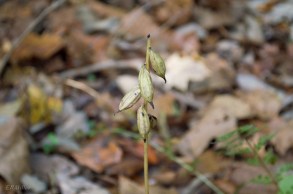
Of course I then had to go hunting for puttyroot, too, and found a few of those leaves, and seedpods still on one spike.
20141021-_DSC0082

cranefly in flower:

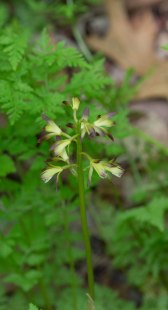
puttyroot in flower:
20140520-DSC_0191

20140807-DSC_0225


This really has been a wonderful year.