Happy New Year!

As far as botanizing goes, 2016 was an extraordinary year. I saw almost four dozen new-to-me species of flowering plants in Death Valley, more than six dozen species of in Iceland, and about two dozen in southwestern Colorado. You can read about these finds by scrolling through the archives for March and April (for Death Valley), and June and July (for Iceland).

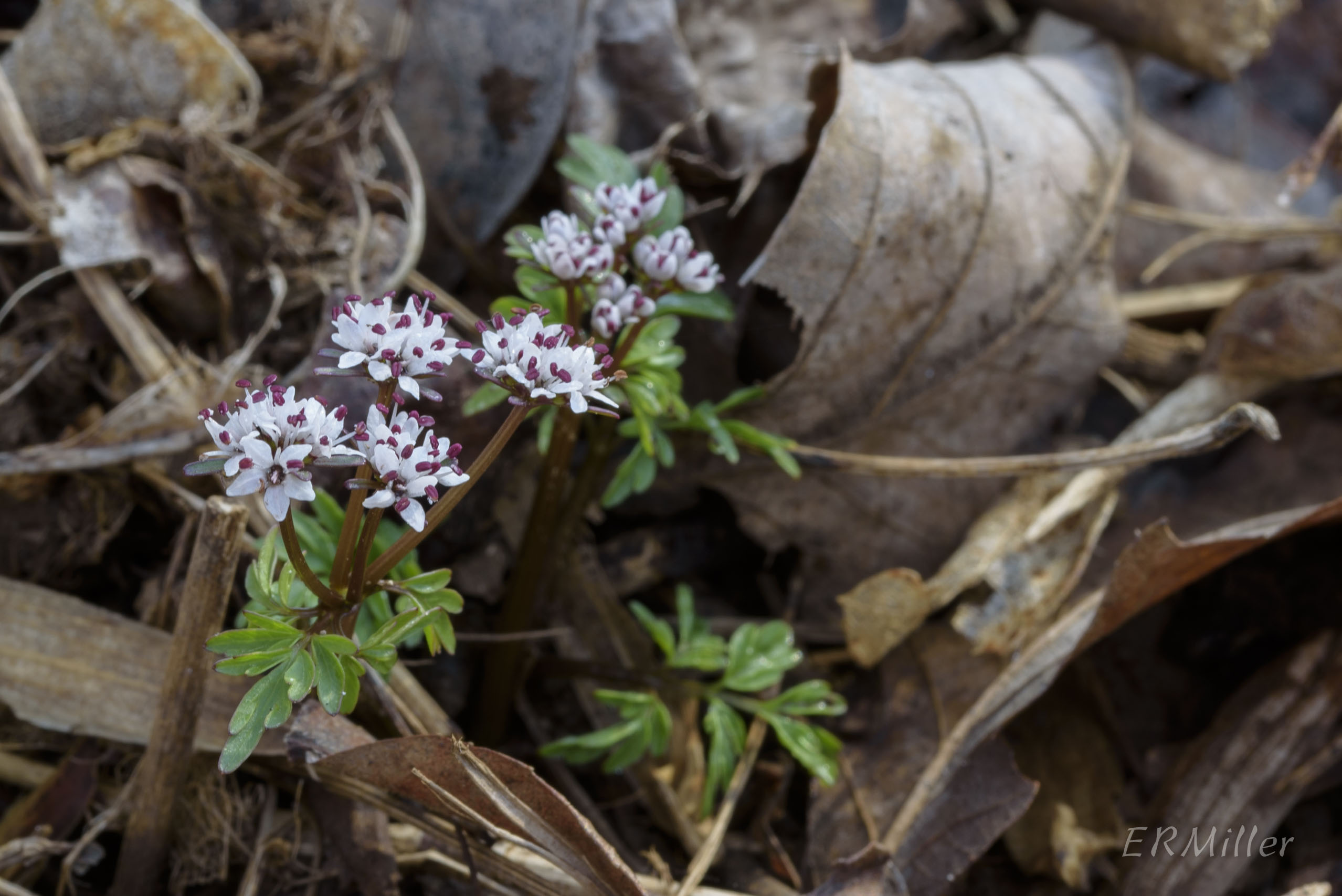
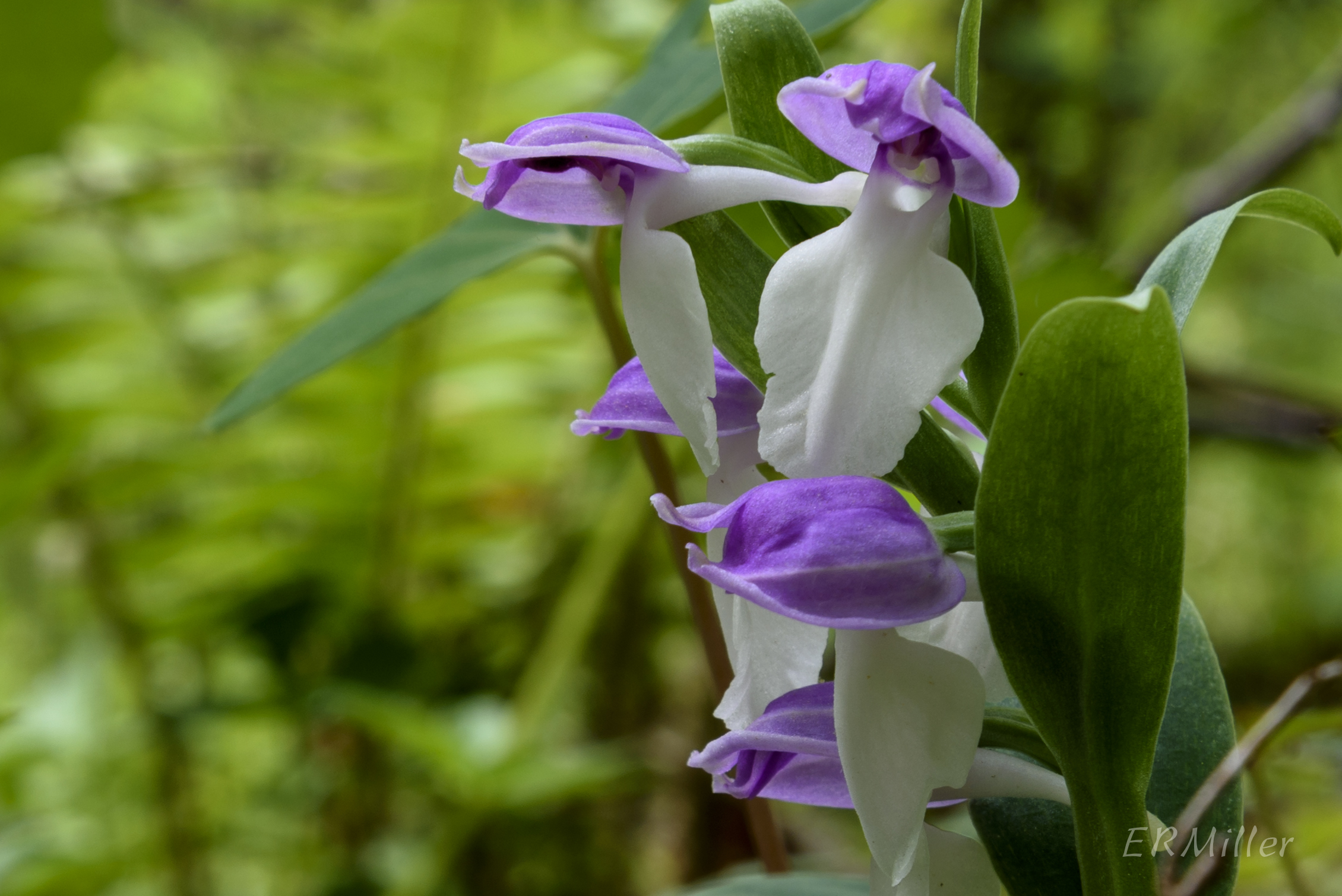
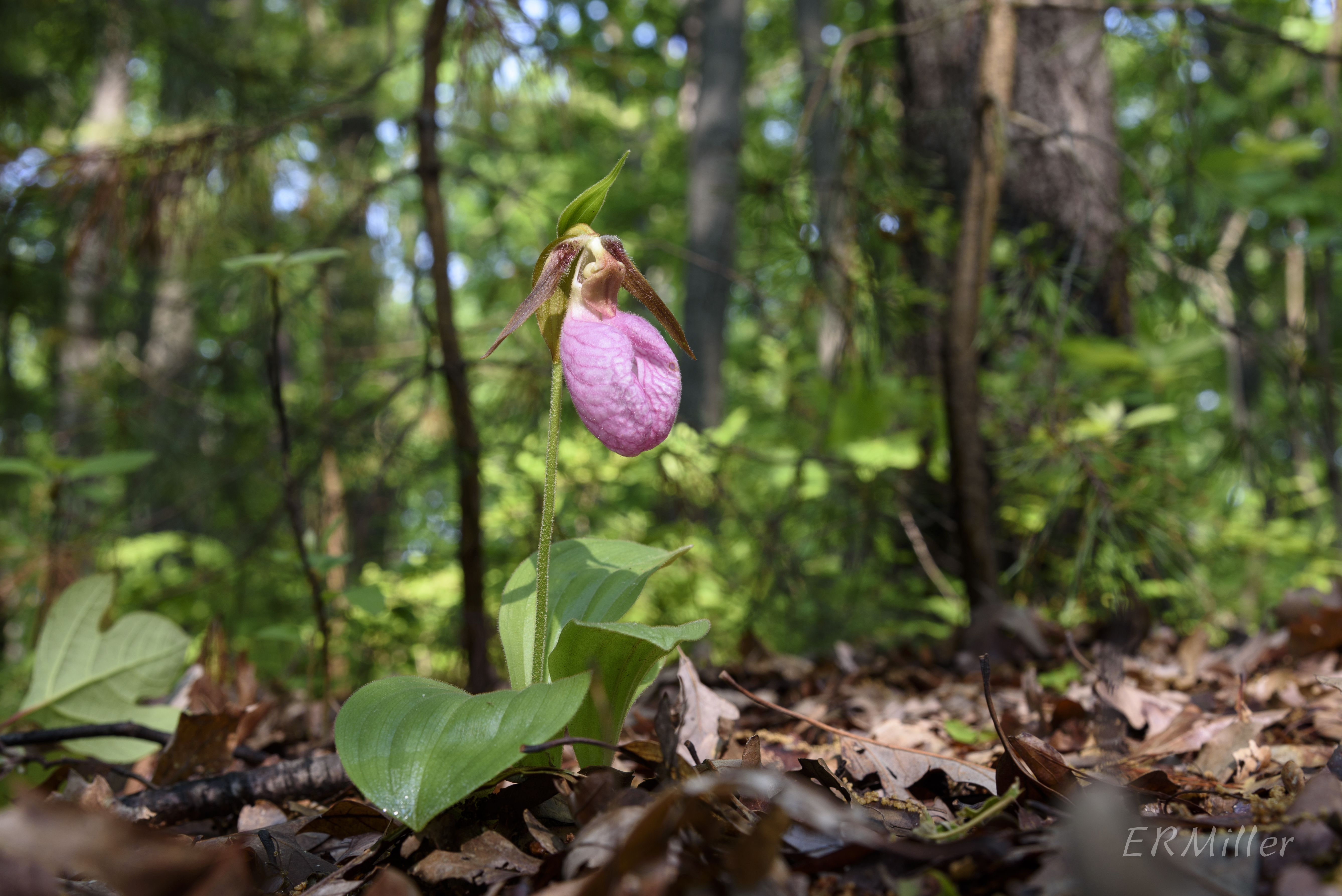
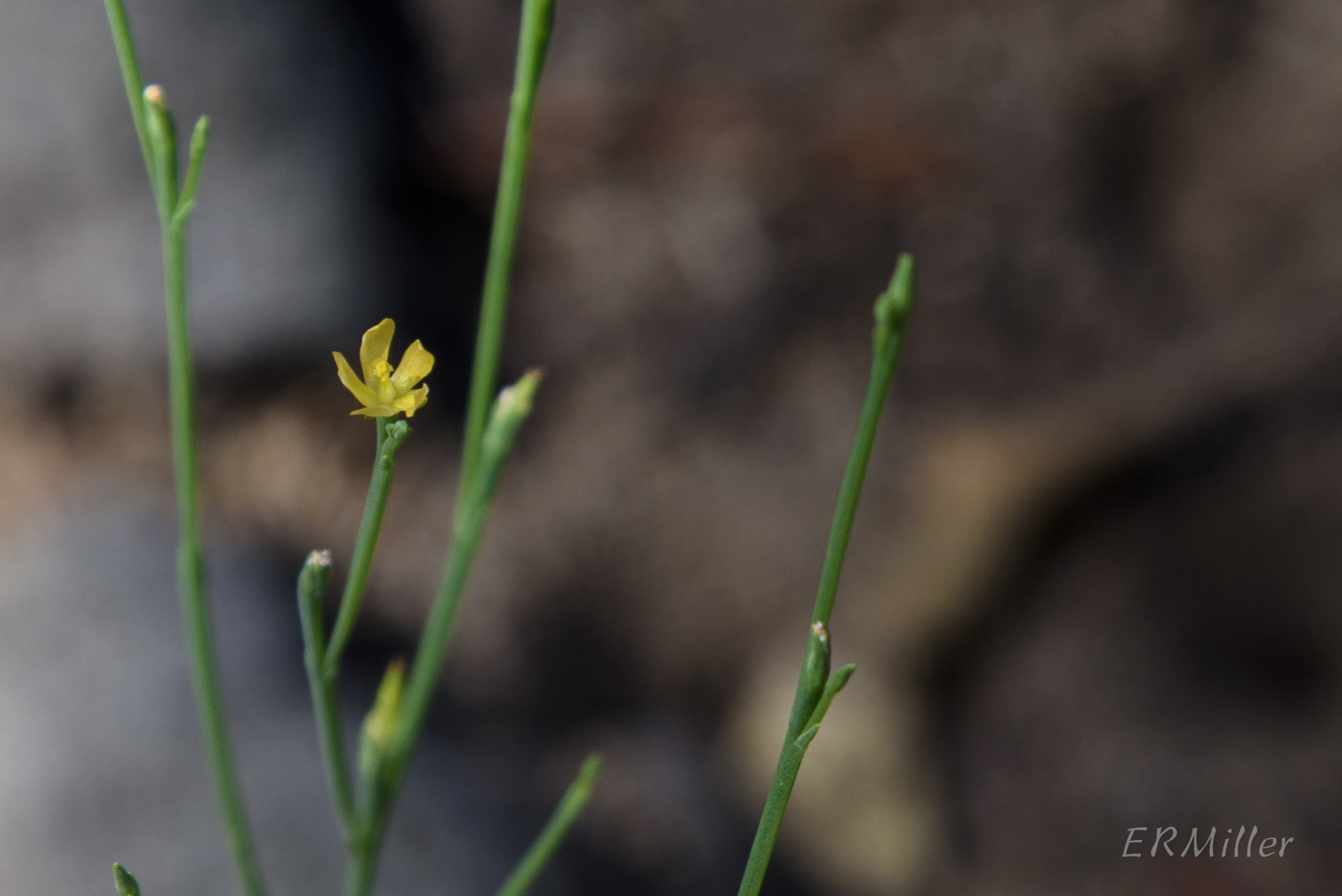
Even though all this travel cut into my time in the Potomac gorge, I got out to other locations in the piedmont. And so I found even more new species. Here’s a 2016 retrospective, a hit-parade of the best new finds.

20160426-_DSC0132


Galearis spectabilis
showy orchis
Orchidaceae


20160515-_DSC0154


Galearis spectabilis, white form


20160426-_DSC0094


Obolaria virginica
pennywort
Gentianaceae

20160426-_DSC0054


Rhododendron periclymenoides
pinxter azalea
Ericaceae
20160512-_DSC0096


Hypoxis hirsuta
yellow star grass
Hypoxidaceae

20160505-_DSC0111-2


Aralia nudicaulis
wild sarsaparilla
Araliaceae
20160512-_DSC0061


Viola palmata
three-lobe violet
Violaceae


20160508-_DSC0163


Cypripedium acaule
pink lady’s slipper
Orchidaceae
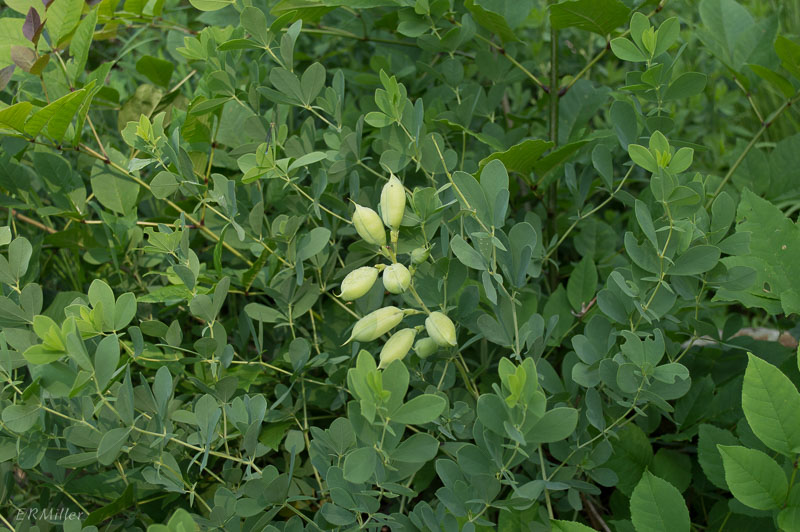
20160514-_DSC0049


Baptisia australis
blue wild indigo
Fabaceae

20160718-_DSC0114


Goodyera pubescens
downy rattlesnake plantain
Orchidaceae
20160815-_DSC0132


Hypericum gentianoides
orangegrass
Hypericaceae

20160830-_dsc0262


Cunila origanoides
common dittany
Lamiaceae
20160830-_dsc0112-2


Diodella teres
poorjoe
Rubiaceae

20160830-_dsc0196


Polygala sanguinea
purple milkwort
Polygalaceae
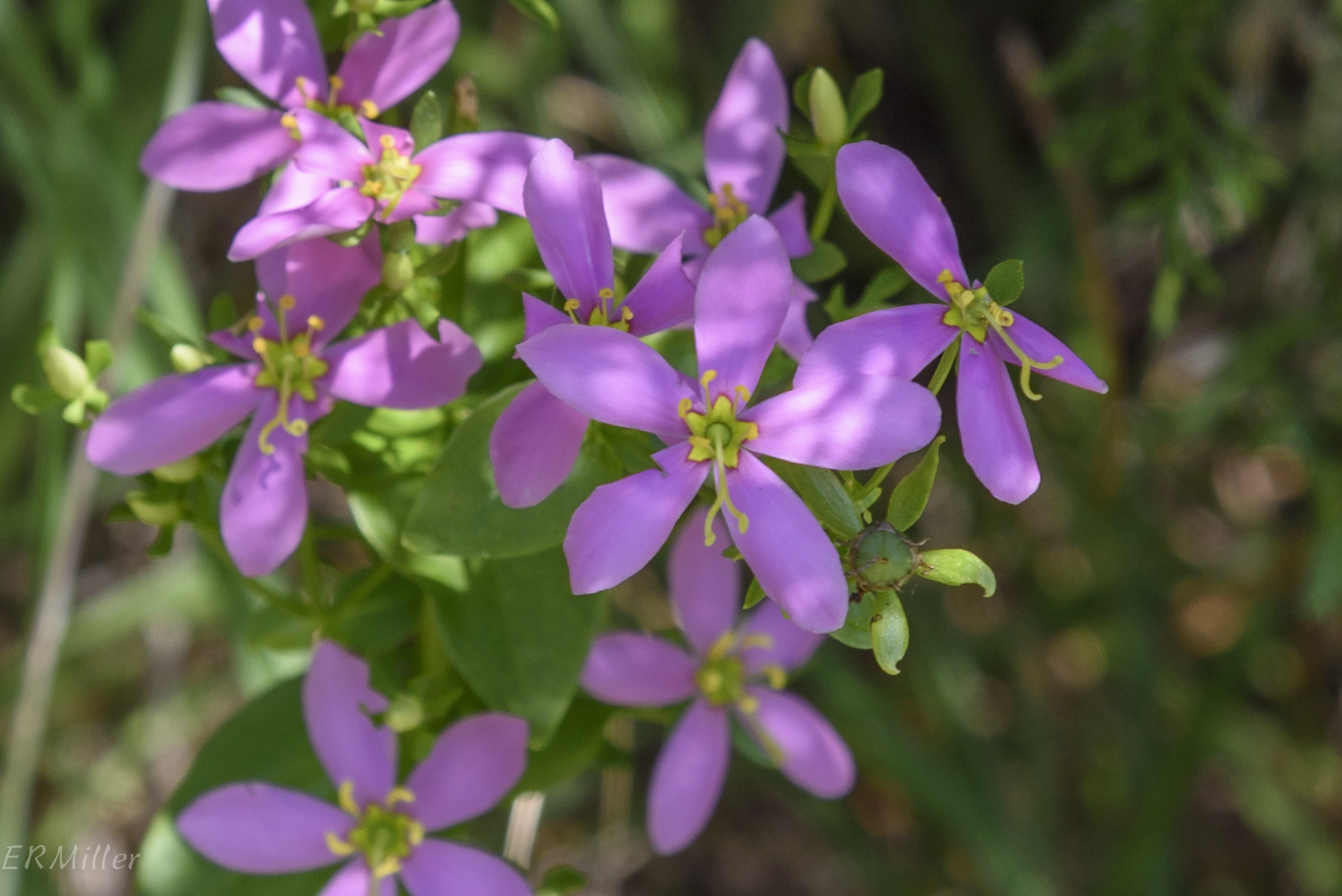
20160830-_dsc0340


Sabatia angularis
rosepink
Gentianaceae

20160830-_dsc0128


Trichostema dichotomum
blue curls
Lamiaceae
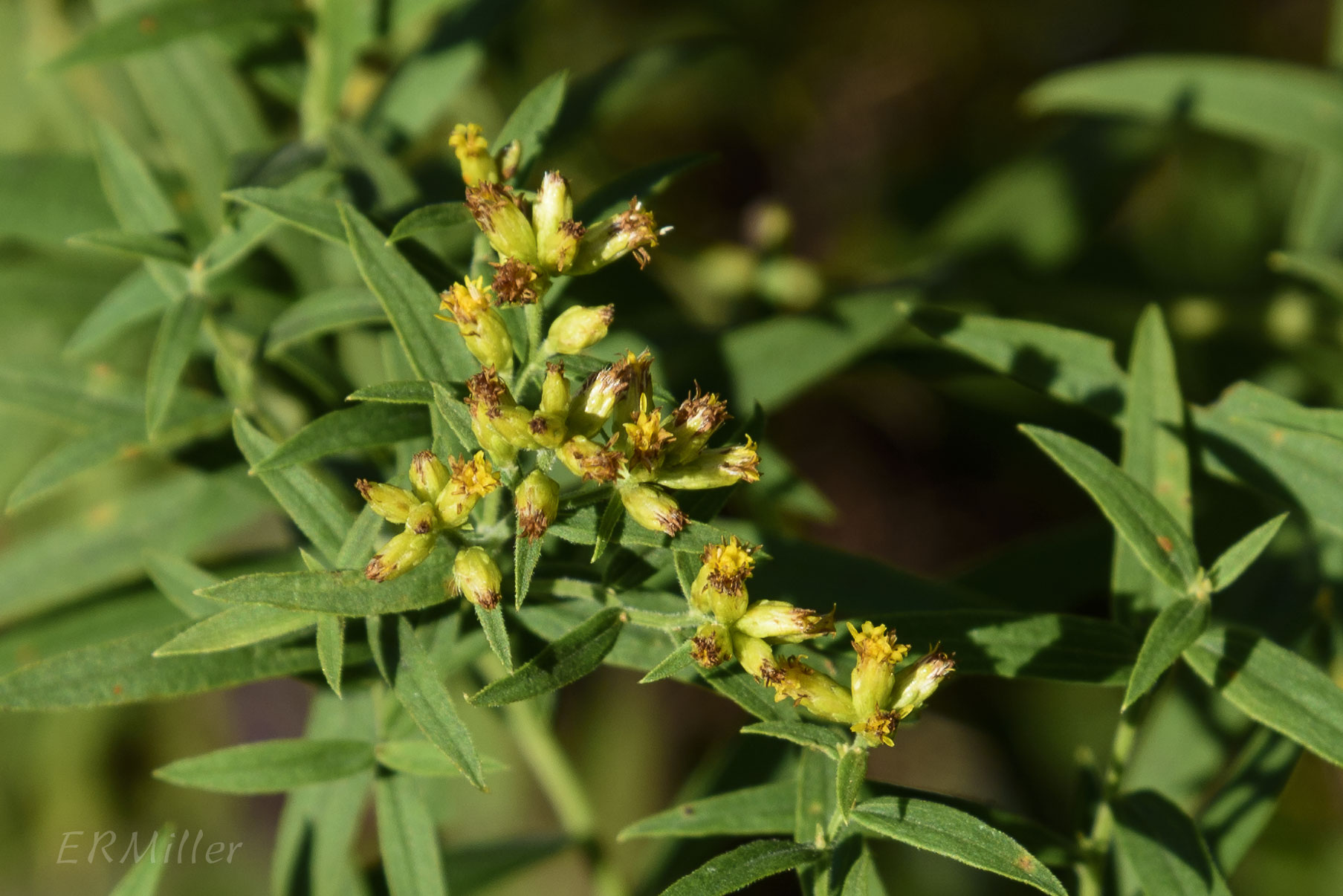
20161017-_dsc0007-2


Euthamia graminifolia
grass-leaved goldentop
Asteraceae

The Fabaceae (part 2)

Some fabaceous plants in the Maryland piedmont bloom in the spring, but most of the family wait until high summer to get going. The bloom times stated below are approximate – especially early in the season, when they can vary by one or two weeks.

20140414-DSC_0264

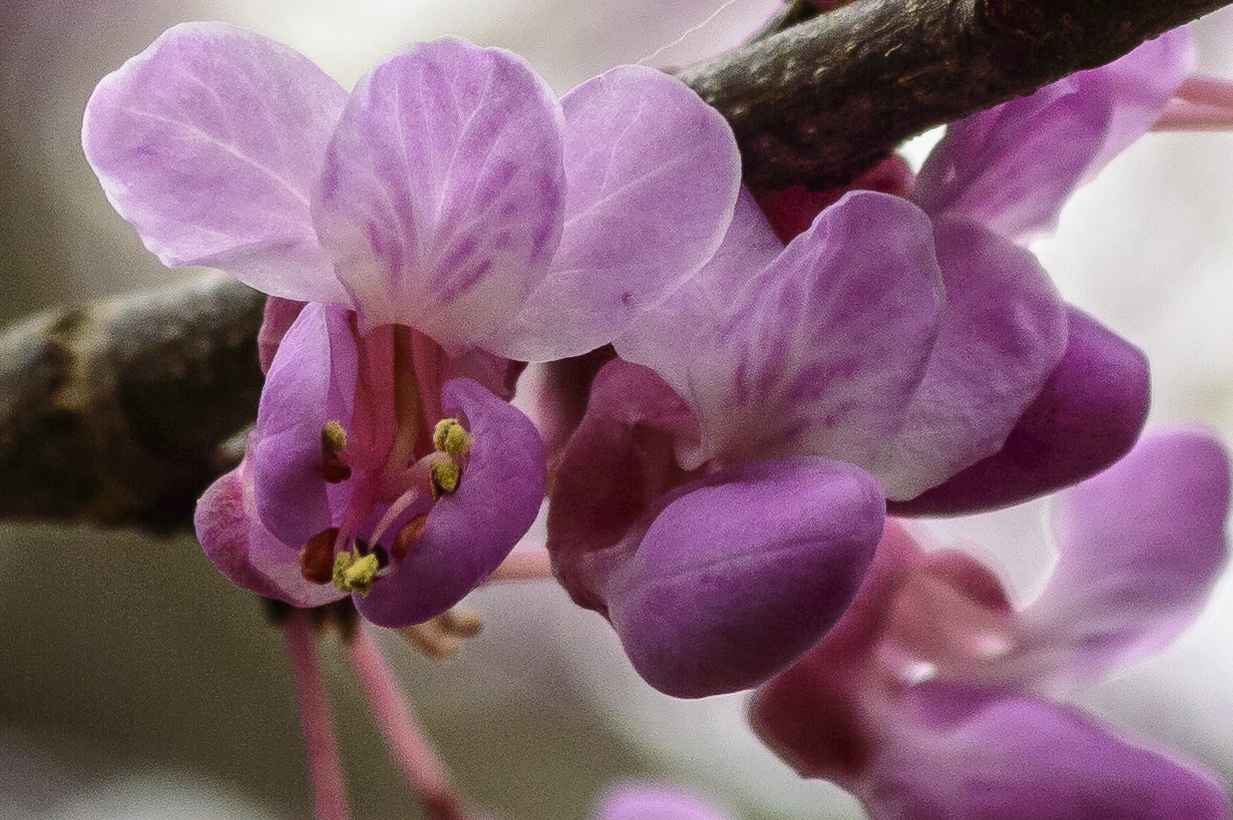
By my observations, the earliest blooming fab in the Maryland piedmont is the redbud (Cercis canadensis), a lovely understory tree that usually starts flowering in May, about the time the dogwoods are finished. It’s a nice addition to a native landscape garden except for one thing: it fruits profusely. The pods are easily raked up with autumn leaves, but invariably some will escape your attention and the following spring you’ll be pulling redbud seedlings out of your garden. (Ask me how I know.) Also, it can grow lanky and the wood is somewhat weak. The tree (and therefore your garden) benefits from thoughtful pruning.


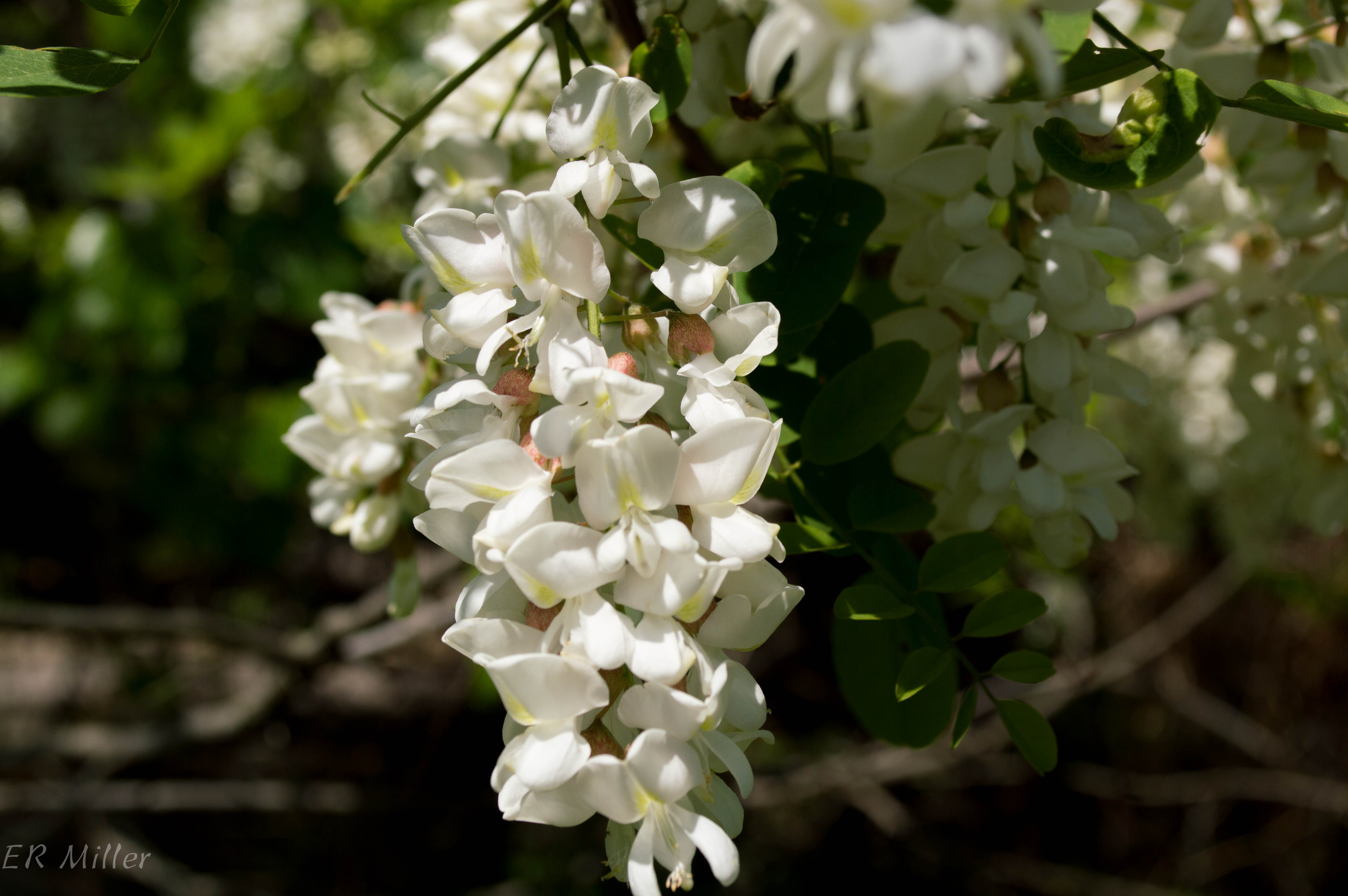
20150514-20150514-_DSC0075

Black locust (Robinia pseudoacacia) can be a spectacular tree in May when flowering, if it gets enough sunlight. But more often you’ll see it in mixed deciduous woodlands, growing very straight and tall with the blossoms hidden in the canopy. The wood is incredibly rot-resistant, making for long-lasting fencing, and has very high BTU value. However, the trees blow over easily and will even shear off horizontally in the right conditions. Again, ask me how I know… At my previous house any time a black locust would break off, I’d cut up the wood for the fireplace but leave the stump for the birds. An eleven-foot stump in my front yard served as a feeder for pileated woodpeckers. Sometimes I miss that place.

20150514-20150514-_DSC0071


a great specimen of black locust growing at wood’s edge —>


20160514-_DSC0009

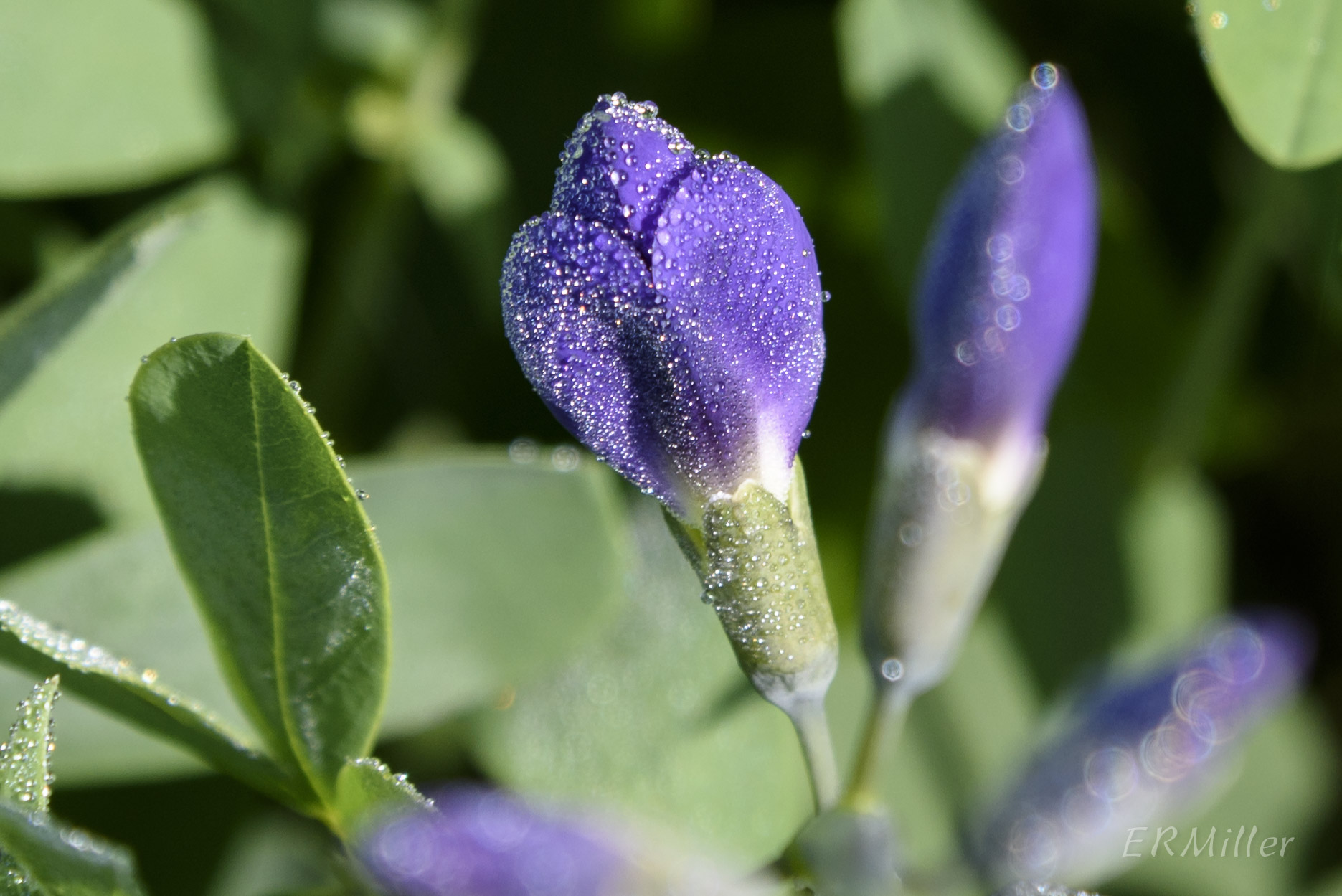
Another May bloomer, wild blue indigo (Baptisia australis) is on the RTE* watchlist (S3) in Maryland. I know of two distinct stands of it along the Potomac, where it grows with Culver’s root (Veronicastrum virginicum). I grew wild blue indigo at my previous house, and it is a profuse bloomer. It’s a stunner in the garden but the seedpods are so numerous and heavy, they pull the plant right over. And they germinate in great numbers. If you remove the pods, though, it’s a well-behaved plant.
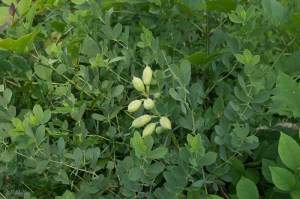
20150610-20150610-_DSC0049


seedpods on Baptisia australis


20150717-20150717-_DSC0020

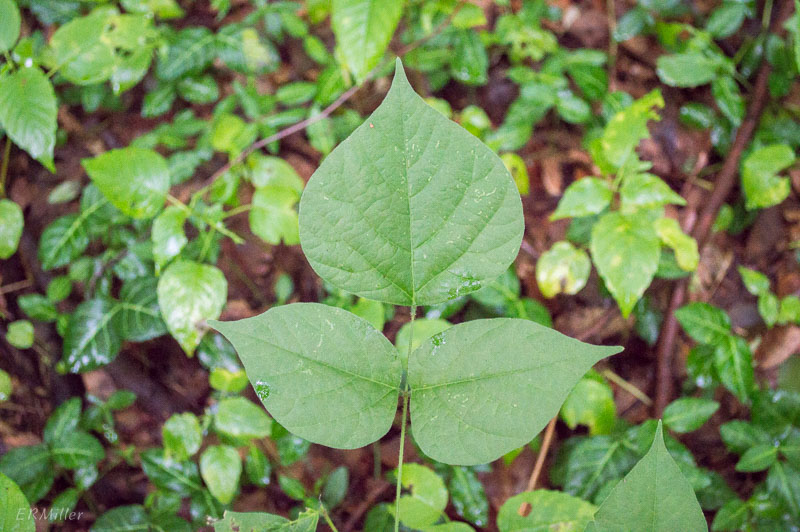
Hylodesmum glutinosum (formerly Desmodium glutinosum; pointed-leaf tick-trefoil) blooms in early July. This picture was taken in western New York state. I’ve only seen it here in the Piedmont in one place along the Cabin John Trail, where every year I miss seeing it bloom. It seems to like deep woods and moist soils, and often grows in association with lopseed (Phryma leptostachya). The tick-trefoils can be tricky to identify, but this one is easy because of the large, pointy leaflets (three per leaf):20150707-20150707-_DSC0005


20140725-DSC_0245-2


Also blooming in July, more or less, is the closely related Hylodesmum nudiflorum (formerly Desmodium nudiflorum; naked-flower tick-trefoil). This one is easy to distinguish from other tick-trefoils because there are no leaves on the flowering stem. It grows in more or less the same conditions as the pointed-leaf tick-trefoil, except maybe it wants a bit more sun.


20160812-_DSC0009

Clitoria mariana (butterfly pea or Atlantic pigeonwings) blooms from late June into August. I’ve seen it in a few places in the Potomac gorge, never in large numbers (usually just one plant growing alone), mostly in open, rocky places. The plants are vining, and stay fairly close to the ground. Butterfly pea is endangered in New Jersey and Pennsylvania.


20160830-_dsc0284


Panicled tick-trefoil (Desmodium paniculatum) blooms in late August. It grows in moist to dry soils in sun to part shade, and does well in disturbed areas.


20160830-_dsc0321

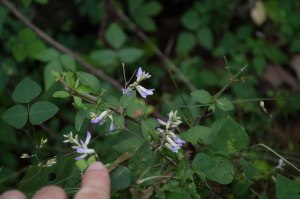
Lespedeza virginica (slender bush-clover) is sadly not nearly as common as its alien cousin, Lespedeza cuneata (Chinese bush-clover). You’ll often see the two growing together in dry soils in sunny areas, blooming in August. Slender bush-clover is threatened in New Hampshire and Wisconsin.
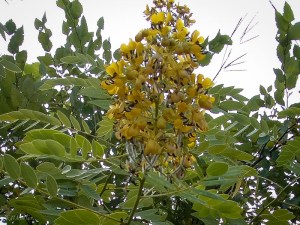

20030101-20030101-IMGP0241-2

Senna hebecarpa (wild senna or wild cassia) is another August blooming plant. It grows up to six feet tall, with rigid stems that seem almost to lignify, and often in such masses that it could be mistaken for a shrub. It’s endangered in Massachusetts and New Hampshire, special concern in Connecticut, threatened in Vermont, and historical in Rhode Island. Wild senna has a nearly identical cousin, S. marilandica, that is rare (S3) in Maryland; Maryland Biodiversity Project has no records for it.

20140824-dsc_0048

Amphicarpaea bracteata (hog-peanut) is a shortish vine that stays low, twining through other plants, blooming in late August.


20160830-_dsc0166

And pink fuzzybean (or pink wild bean, or perennial woolly bean; Strophostyles umbellata) is another August blooming vine. It’s endangered in New York and threatened in Rhode Island.


*Rare, Threatened, Endangered

The Fabaceae (part 1)

20160514-_DSC0065

According to the Biota of North America Project, the pea family is second only to the aster family in number of native species in North America, with 1,277 species. Worldwide it’s the third largest plant family, with about 18,800 species in over 600 genera.

The Maryland Biodiversity Project has 161 listed pea family species, though many are alien. Not quite half of these species are present in the Maryland piedmont.

The plants can be herbaceous (annual, biennial, or perennial) or woody. Most of the North American species share these characteristics (as always, there are exceptions):

  • compound leaves, with three to many leaflets, which can be arranged pinnately, bi-pinnately, or palmately
  • in some species, the leaflets are modified into tendrils
  • the leaves usually have stipules, though the stipules often shrivel and fall off early in the plants’ annual growth cycle; in some species, the stipules are modified into thorns

20150710-20150710-_DSC0037


trifoliate leaves of Amphicarpaea bracteata (hog-peanut)

20160615-_DSC0064


Lupinus nootkatensis (Nootka lupine) with palmately compound leaves


20140818-DSC_0146


pinnate leaves of Chamaecrista species


There are three generally recognized subfamilies of the Fabaceae: Faboideae, Caesalpinoideae, and Mimosoideae. Faboideae flowers share the following characteristics:

  • a calyx consists consisting of 5 sepals, fused together
  • a corolla consisting of 5 petals, in a bilaterally symmetrical arrangement whose shape suggests a butterfy

20150709-_dsc0013

These flowers have their own terminology: the uppermost petal is the banner, the two side petals are the wings, and the two bottom petals, fused together, are the keel.

Hylodesmum nudiflorum (naked-flower tick-trefoil)

Flowers in the Caesalpinoideae are much the same, except that the two bottom petals (keels) are not fused.

20150419-_dsc0018

Cercis canadensis (redbud)


Fabaceous fruits are usually either legumes or loments. Botanically, a legume is a type of dry fruit that usually opens along two seams at maturity (like peapods). A loment is a legume with a jointed pod.

20160830-_dsc0285


loment of Desmodium paniculatum (panicled tick-trefoil)


Of course this family is of major agricultural importance. Fabaceous foods include peas, beans, peanuts, lentils, soybeans, and tamarind. Alfalfa and clover, among others, are significant forage crops, for honey bees as well as our domesticated herbivores. And just as the euphorbs have latex, some fabs have natural gums, widely used in food manufacturing, cosmetics, and pharmaceuticals.

next time: fabulous fabaceous wildflowers

The Euphorbiaceae, part 2

“Euphorbia” sounds like “euphoric”, so of course I spent a little time researching it. I found a detailed account that goes back to the Natural History of Pliny, first published in AD 79. Seems the plant was named for a physician, Euphorbus. “Euphoric” can be translated as “well-fed”; it’s from the Greek “euphoros”, which means “healthy”. The whole story, as well as much more detailed information about all aspects of the family, can be found at the Euphorbia Planetary Biodiversity Inventory Project website.

20150813-20150813-_DSC0116

As for euphorbs in Maryland, we have maybe 40 species, roughly half of which are native. About a dozen of those natives are in the Maryland piedmont. And yet I’ve only seen one: flowering spurge, Euphorbia corollata. You might recognize it as the current wallpaper image on my blog. It’s also the white flowering plant I’m shooting in the current banner photo, also pictured below:

20160815-_dsc0066

This was a magnificent specimen, standing about two and a half feet tall, growing right out of a cleft in the rock along the Billy Goat A trail near Great Falls. The plants seem to like rocky places, at least in the Potomac gorge. Watch for them blooming in August, also on Billy Goat B and at Serpentine Barrens Conservation Park.

20140806-DSC_0076

Those white parts aren’t petals, of course; they’re bracts. The actual floral parts are contained in the cyathia in the very center. The whole structure measures about half an inch across.

This is a truly graceful plant, one of my favorites. I think it would be a lovely motif on a fabric.